52cm long evening satin gloves
CN → US| HS Code | Tariff Rate | Origin | Destination | Doc |
|---|---|---|---|---|
| 6217109530 | 32.1% | CN | US | Official Doc |
| 6216009000 | 21.3% | CN | US | Official Doc |
| 6117809570 | 32.1% | CN | US | Official Doc |
| 6117809540 | 32.1% | CN | US | Official Doc |
| 6116999560 | 13.8% | CN | US | Official Doc |
Product Images

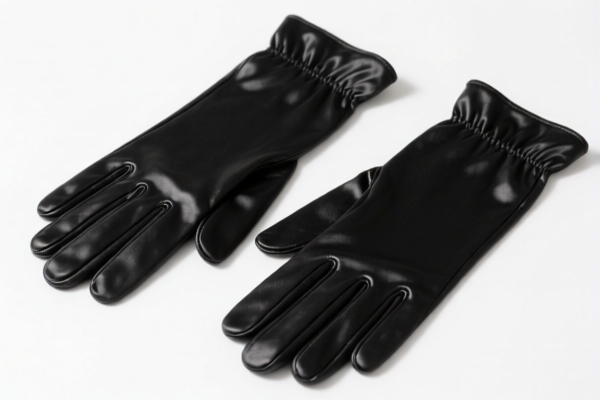

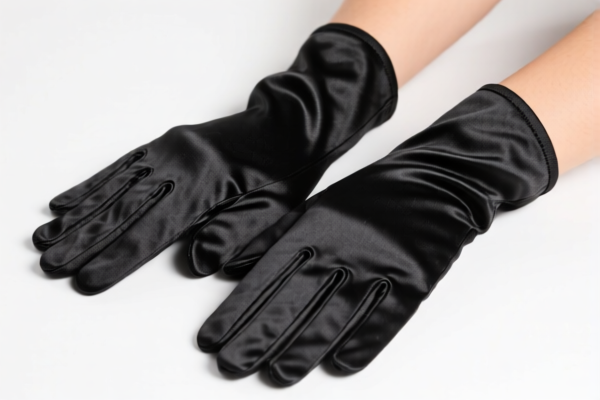
AI Analysis
🧤 Long Evening Satin Gloves: HS Code Classification & Tax Analysis (US Market)
🌐 HS Code Reference & Customs Clearance Guide | 2026 Latest Tariff Analysis | Professional Clearance Strategy
📌 I. Product Definition: What are "Long Evening Satin Gloves"?
Long evening satin gloves are formal accessories primarily worn for evening gowns, weddings, or high-end fashion events. In international trade, they are classified under Head 61 (Knitted/Crocheted) or Head 62 (Non-knitted/Non-crocheted), depending on the manufacturing method and material composition.
Key Classification Factors: * Material: The data specifies "Satin" (缎面), which can be made from synthetic fibers (rayon/polyester) or natural fibers (silk/acetate). The classification differs significantly based on whether it is "Man-made Fibers" (人造纤维) or "Other Textiles" (non-cotton, non-wool, non-man-made). * Construction: Are they knitted (弹性较大) or woven/non-knitted (结构较硬挺)? * Length: 52cm indicates "Opera Length" or full-length gloves, falling under general glove categories.
⚠️ Critical Distinction:
- If made of synthetic fibers (e.g., polyester/nylon satin) → Often falls under 6217 or 6117 (Synthetic).
- If made of other textiles (e.g., silk, acetate, or non-specified) → Falls under 6116 or 6117 (Other).
- The "122 Article Tariff" (122条款) and "Section 301" (加征关税) apply differently based on this material distinction.
📦 II. HS Code Classification Details (Based on Provided Data)
| HS Code | Product Description (Summary) | Material/Type | Total Tax Rate |
|---|---|---|---|
6217.10.95.30 |
Satin Evening Gloves | Man-made Fibers Accessory | 32.1% |
6216.00.90.00 |
Long Evening Satin Gloves | Textile Gloves (Satin) | 21.3% |
6117.80.95.70 |
Long Evening Satin Gloves | Other Textiles (Silk/Acetate?) | 32.1% |
6117.80.95.40 |
Long Evening Satin Gloves | Man-made Fibers Accessory | 32.1% |
6116.99.95.60 |
Long Evening Satin Gloves | Other Textiles (Specific Restricted) | 13.8% |
🔍 Note: The data provided contains multiple potential classifications depending on the specific fiber content (Man-made vs. Other) and whether it is considered a "Glove" (Head 61/62 specific) or a "Clothing Accessory" (Head 61/62 general).
💰 III. 2026 Latest Tariff Rate Breakdown
✅ Applicable Country: United States (US)
✅ Country of Origin: China (CN)
✅ Effective Time: Current rates as per data
🎯 1. 6217.10.95.30 & 6117.80.95.70 & 6117.80.95.40 — High Tax Scenarios (32.1%)
These codes represent cases where the gloves are classified as accessories or made of specific synthetic fibers, attracting higher base tariffs.
| Item | Detail |
|---|---|
| Base Tariff | 14.6% |
| Section 301 Tariff (加征关税) | +7.5% |
| "122 Article" Tariff (122条款) | +10.0% |
| Total Tax Rate | 32.1% |
| Calculation Base | CIF Value × 32.1% |
| Legal Path | Base Tariff 14.6% + Section 301 7.5% + Article 122 10% |
📌 Explanation:
- Base Tariff (14.6%): Standard MFN rate for these specific textile accessories/gloves.
- Section 301 (7.5%): US trade remedy tariff on Chinese goods.
- Article 122 (10%): Specific U.S. trade provision affecting certain textile/apparel categories from China.
- Total: 32.1%. This is a high-cost classification.
🎯 2. 6216.00.90.00 — Moderate Tax Scenario (21.3%)
This code classifies the item specifically as textile gloves (likely woven/non-knitted), with a lower base tariff.
| Item | Detail |
|---|---|
| Base Tariff | 3.8% |
| Section 301 Tariff (加征关税) | +7.5% |
| "122 Article" Tariff (122条款) | +10.0% |
| Total Tax Rate | 21.3% |
| Calculation Base | CIF Value × 21.3% |
| Legal Path | Base Tariff 3.8% + Section 301 7.5% + Article 122 10% |
📌 Note:
- The base tariff is significantly lower (3.8%) compared to the accessory classifications (14.6%).
- However, the Section 301 (7.5%) and Article 122 (10%) remain constant, leading to a 21.3% total.
- Savings: 10.8% lower than the 32.1% scenario.
🎯 3. 6116.99.95.60 — Low Tax Scenario (13.8%)
This is the most favorable classification in the provided data, but it comes with specific restrictions.
| Item | Detail |
|---|---|
| Base Tariff | 3.8% |
| Section 301 Tariff (加征关税) | 0.0% |
| "122 Article" Tariff (122条款) | +10.0% |
| Total Tax Rate | 13.8% |
| Calculation Base | CIF Value × 13.8% |
| Legal Path | Base Tariff 3.8% + Section 301 0% + Article 122 10% |
📌 Crucial Insight:
- Section 301 Tariff is 0% for this specific subheading (6116.99.95.60). This is a major cost saver.
- Base Tariff is low (3.8%).
- Article 122 (10%) still applies.
- Total: 13.8%.
- ⚠️ Warning: The description says "non-cotton, non-wool, non-man-made fiber specific restricted category." You must prove the material fits this narrow definition (e.g., specific natural fiber blend or non-classified textile) to qualify. Misclassification here can lead to penalties.
🛠️ IV. Customs Clearance Practical Advice
✅ 1. Documentation Checklist
| Document | Required? | Purpose |
|---|---|---|
| Product Specification Sheet | ✔️ | Must detail material composition (e.g., 100% Polyester Satin, Silk Blend, etc.). |
| Material Composition Proof | ✔️ | Crucial for distinguishing between 6217 (Synthetic), 6216 (Textile Glove), and 6116 (Restricted Other). |
| Commercial Invoice | ✔️ | Clearly state "Evening Gloves, 52cm, Satin Finish." |
| Packing List | ✔️ | Weight, dimensions, and packaging details. |
| Photos | ✔️ | Show the glove's construction (knitted vs. woven), lining, and length. |
| Certificate of Origin (CO) | ✔️ | Required to verify Chinese origin for Section 301/Article 122 application. |
✅ 2. Classification Strategy & Cost Optimization
🔥 "Material Matters, Code Saves!"
| Scenario | Recommended HS Code | Total Tax | Strategy |
|---|---|---|---|
| 100% Synthetic (Poly/Nylon) | 6217.10.95.30 or 6117.80.95.40 |
32.1% | High cost. Consider if value-add justifies it. |
| Standard Textile Glove (Woven) | 6216.00.90.00 |
21.3% | Moderate Cost. Good balance if material is not strictly synthetic accessory. |
| Specific Restricted Material | 6116.99.95.60 |
13.8% | Lowest Cost! Must verify material fits the "non-cotton, non-wool, non-man-made" specific restriction. |
📌 Recommendation:
- If possible, aim for6116.99.95.60to save 18.3% in taxes compared to the highest bracket.
- How? Consult with a customs broker to confirm if your satin material (e.g., acetate, specific rayon, or blend) qualifies as "other textiles" under this specific restricted subheading.
- Avoid6217.10.95.30unless you have no other option, as it attracts the highest total tax.
✅ 3. Common Pitfalls to Avoid
❌ Pitfall 1: Assuming all "Satin" gloves are the same.
👉 Result: Using 6217 (32.1%) when 6116 (13.8%) might apply.
✅ Fix: Provide detailed material test reports.
❌ Pitfall 2: Ignoring the "Section 301" exemption possibility.
👉 Result: Paying 7.5% extra.
✅ Fix: Check if the specific material code 6116.99.95.60 has an exemption (it does: 0% Section 301).
❌ Pitfall 3: Misdeclaring "Accessory" vs. "Glove".
👉 Result: Incorrect tariff rate and potential customs seizure.
✅ Fix: Clearly describe as "Gloves" in the invoice if they fit Head 61/62 glove definitions.
🌍 V. Global Market Comparison (2026)
| Market | Likely HS Code | Est. Total Tax | Notes |
|---|---|---|---|
| 🇺🇸 USA | 6116.99.95.60 |
13.8% | Best rate if material qualifies. |
| 🇺🇸 USA | 6216.00.90.00 |
21.3% | Common for woven textile gloves. |
| 🇺🇸 USA | 6217.10.95.30 |
32.1% | High cost for synthetic accessories. |
| 🇨🇳 China | 6116.99.95.60 |
Low (Import Duty) | Varies by trade agreement. |
| 🇪🇺 EU | 6116.99.99 |
~4-6% | No Section 301/Article 122 equivalent. |
📌 Conclusion:
The US market imposes significant layered tariffs. Material classification is key to tax optimization.
📌 VI. Final Recommendation & Action Plan
- Identify Material Precisely: Determine if your satin gloves are made of polyester, nylon, acetate, silk, or a blend.
- Consult Customs Broker: Verify if your material qualifies for
6116.99.95.60(13.8% tax) or if it must be6216.00.90.00(21.3%) or6217.10.95.30(32.1%). - Prepare Documentation: Ensure invoices and specs clearly state material composition to support the chosen HS Code.
- Apply for Advance Ruling (Optional): If the classification is ambiguous, request a binding ruling from CBP to avoid post-entry audits.
🎯 Remember:
🔹 "Code Choice = Cost Control"
🔹 "13.8% vs 32.1% is a huge difference!"
🔹 "Check your material, save your margin."
📣 Immediate Action:
📞 Contact a licensed customs broker with your material test report.
🚀 Optimize your HS Code to6116.99.95.60if possible to minimize US customs duties.
✨ Professional clearance starts with precise classification!
💼 Don't let high tariffs eat your profits!
Customer Reviews
About HS Code Classification
The Harmonized System (HS) is an internationally standardized nomenclature developed by the World Customs Organization (WCO) to classify traded products. Over 200 countries use the HS system as the basis for customs tariffs, trade statistics, and import/export regulations.
Each HS code follows a hierarchical structure:
- Chapter (2 digits) — Broad category of goods (e.g., Chapter 84: Machinery and Mechanical Appliances)
- Heading (4 digits) — More specific grouping within the chapter
- Subheading (6 digits) — Internationally standardized breakdown, used by all WCO member countries
- National subdivisions (8-10 digits) — Country-specific extensions for further classification, such as US HTSUS 10-digit codes
Correct HS code classification is essential for smooth customs clearance, accurate duty payment, and compliance with trade regulations. Misclassification can lead to customs delays, overpayment of duties, or penalties.
When importing from CN to US, the applicable tariff rates may include:
- Most-Favored-Nation (MFN) rate — The standard duty rate applied to WTO members
- General rate — Applied to countries without trade agreements
- Trade remedy duties — Additional tariffs such as Section 301 (anti-dumping), Section 232 (national security), or countervailing duties
The information provided on this page is for reference purposes only. For official classification, please consult with your local customs authority or a licensed customs broker.