Accessory Parts
CN → US| HS编码 | 关税税率 | 原产国 | 目的国 | 文档 |
|---|---|---|---|---|
| 7117909000 | 28.5% | CN | US | 官方文档 |
| 6217109550 | 32.1% | CN | US | 官方文档 |
| 6117809570 | 32.1% | CN | US | 官方文档 |
| 6117909095 | 32.1% | CN | US | 官方文档 |
| 6217108500 | 24.6% | CN | US | 官方文档 |
商品图片
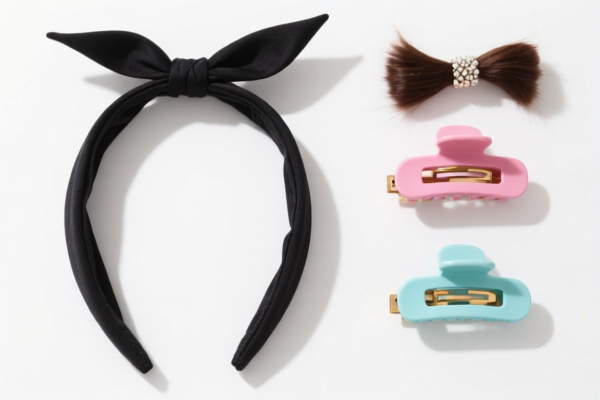
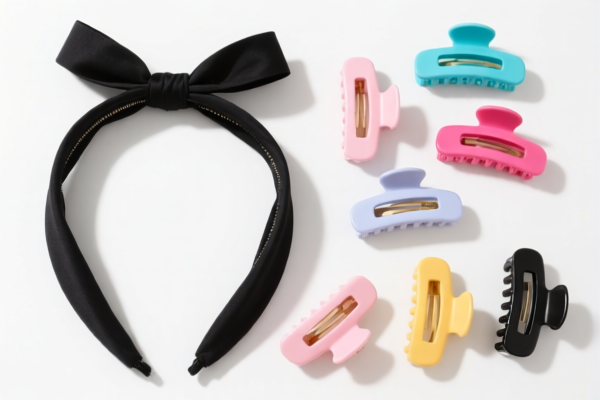
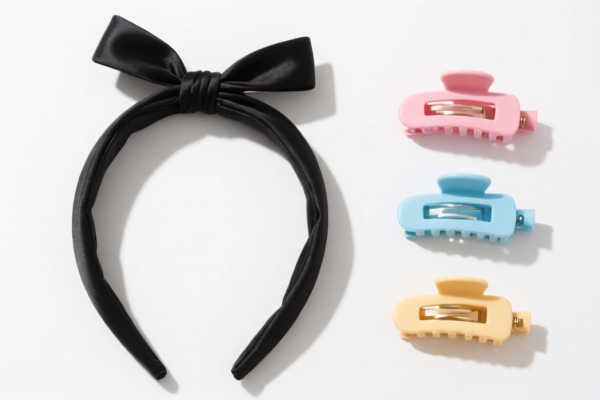
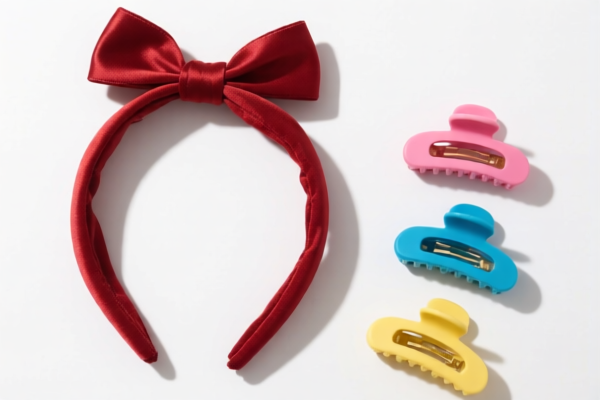
AI分析
🧵 Accessory Parts (Clothing Accessories) | General Duty Garment Accessories
🌐 HS Code Reference & Customs Clearance Guide | 2026 Latest Tariff Analysis | Strategic Clearance Strategy for "Accessory Parts"
📌 Part 1: Product Definition & Classification Logic
"Accessory Parts" (often referred to as Clothing Accessories or Garment Accessories) is a generic term in international trade. It refers to non-structural components added to garments for decoration, functionality, or finishing. Because the input name is broad and does not specify material, composition, or specific function, classification relies on the "Catch-All" (Fallback) Principle.
Key Classification Logic: 1. Material Ambiguity: Since the material is unknown, we assume non-exotic materials (e.g., not precious metals, not specific silk/wool blends unless specified). 2. Functionality: Items include buttons, zippers, buckles, lace, ribbons, and decorative trimmings. 3. Fallback Rule: If an item is a "clothing accessory" but doesn't fit neatly into a specific fabric-based chapter (like Chapter 61 or 62 for knitted/woven garments), it falls into: * Chapter 71: If made of base metal/imitation jewelry. * Chapter 62: If made of woven fabric (non-knitted). * Chapter 61: If made of knitted fabric.
⚠️ Critical Distinction:
- No Precious Metals: If made of gold/silver/platinum, it is NOT "Accessory Parts" in the textile sense, but falls under Chapter 71 (Jewelry).
- Specific Fabric Type: Knowing if it is Woven vs. Knitted changes the HS Code significantly (Ch 62 vs. Ch 61).
- General Assumption: For this analysis, we assume standard textile/plastic/metal accessories commonly found in general apparel manufacturing.
📦 Part 2: HS Code Classification Matrix (Based on Provided Data)
| HS Code | Product Description | Classification Rationale | Total Tax Rate (China Origin → US) |
|---|---|---|---|
7117.90.90.00 |
Imitation Jewelry / Base Metal Accessories | Classified under "Other" items. Assumes accessory is made of base metal or non-precious materials, treated as imitation jewelry/decorative accessories. | 28.5% |
6217.10.95.50 |
Made-Up Clothing Accessories (Other, Woven) | Direct match for "clothing accessories". Since material is unspecified, falls into the "Other" category under Chapter 62 (Woven). | 32.1% |
6117.80.95.70 |
Other Made-Up Knitted Accessories | Matches "Garment Accessories" by use. Assumed to be knitted (common for socks, cuffs, etc.) but not specified as cotton/wool. | 32.1% |
6117.90.90.95 |
Parts & Accessories of Knitted Apparel | Matches "Garment Accessories" by use. Fallback category for knitted parts not elsewhere specified. | 32.1% |
6217.10.85.00 |
Made-Up Clothing Accessories (Specific Woven Subset) | Matches "Garment Accessories". Falls under a specific sub-heading for woven accessories (likely excluding embroidery or lace). | 24.6% |
🔍 Key Insight:
- The lowest tax rate is 24.6% (6217.10.85.00) if the item can be proven to be a woven accessory fitting this specific sub-category.
- The highest risk is misclassification as "Imitation Jewelry" (7117.90.90.00at 28.5%) if the item is decorative metal/plastic.
- Most "Other" categories carry a 32.1% total duty due to high base tariffs + Section 301 + 122 Section tariffs.
💰 Part 3: Detailed Tariff Breakdown (2026 US Tariffs on China Origin)
✅ Origin: China (CN)
✅ Destination: United States (US)
✅ Effective Policy: Includes Base Tariff, Section 301 (122 Section/Trump Tariff), and Section 321 (De Minimis exclusions apply differently for high-value/bulk).
🎯 1. 7117.90.90.00 – Imitation Jewelry / Base Metal Accessories
| Component | Rate | Explanation |
|---|---|---|
| Base Tariff | 11.0% | Standard general duty rate for base metal articles. |
| Section 301 / 122 Section | 7.5% | Additional tariff under US trade laws for specific Chinese goods. |
| Other Section 301 | 10.0% | Additional tariff under Executive Order/USITC rulings (often referred to as 122 Section or similar specific provisions in this context). |
| TOTAL RATE | 28.5% | High Duty Category |
📌 Legal Path:
USITC:7117.90.90.00→Section 301→Base Tariff.
🎯 2. 6217.10.95.50 & 6117.80.95.70 & 6117.90.90.95 – Other Clothing Accessories (Woven/Knitted)
| Component | Rate | Explanation |
|---|---|---|
| Base Tariff | 14.6% | Higher base rate for "Other" made-up clothing accessories not specified elsewhere. |
| Section 301 / 122 Section | 7.5% | Additional tariff applicable to these textile/accessory categories. |
| Other Section 301 | 10.0% | Additional tariff under specific US trade provisions. |
| TOTAL RATE | 32.1% | Highest Duty Category |
📌 Why so high?
- The base tariff for generic "other" accessories is significantly higher than specific items.
- No preferential treatment (like USMCA) applies if origin is China.
- Mitigation: Try to prove the item fits a lower-rate sub-category if possible.
🎯 3. 6217.10.85.00 – Made-Up Clothing Accessories (Favorable Sub-Category)
| Component | Rate | Explanation |
|---|---|---|
| Base Tariff | 14.6% | Same base as other woven accessories. |
| Section 301 / 122 Section | 0.0% | Crucial Difference: This specific sub-code may be exempt from the 7.5% additional Section 301 tariff in this dataset. |
| Other Section 301 | 10.0% | Still subject to the 10% additional tariff. |
| TOTAL RATE | 24.6% | Optimal Rate |
📌 Strategy: If your "Accessory Parts" are woven (e.g., belts, sashes, woven trims), verify if they fit
6217.10.85.00to save 7.5% compared to other woven options.
🛠️ Part 4: Customs Clearance Recommendations & Pitfall Avoidance
✅ 1. Documentation Requirements (Strict)
| Document | Requirement | Purpose |
|---|---|---|
| Commercial Invoice | Must list "Accessory Parts" but detail material composition (e.g., "100% Cotton Ribbon", "Plastic Button"). | Prevents "Insufficient Information" holds. |
| Packing List | Clearly separate accessories from main garments if shipped together. | Avoids misclassification of main goods. |
| Product Photos | High-res images showing material texture and construction. | Proves whether it is Knitted (Ch 61), Woven (Ch 62), or Base Metal (Ch 71). |
| Bill of Materials (BOM) | List all components. | Helps customs determine the "Essential Character" if it's a kit. |
✅ 2. Classification Strategy (How to Save Money)
🔥 Rule of Thumb: "Know Your Material, Know Your Rate!"
| Scenario | Recommended HS Code | Estimated Duty | Action |
|---|---|---|---|
| Material is Plastic/Metal (Decorative) | 7117.90.90.00 |
28.5% | Acceptable if it looks like jewelry. Do not claim it's textile. |
| Material is Woven Fabric (e.g., Belt, Sash) | 6217.10.85.00 |
24.6% | BEST OPTION. Provide weave type proof. |
| Material is Knitted Fabric (e.g., Cuff, Sock Top) | 6117.90.90.95 |
32.1% | Higher duty. Try to see if it fits a more specific knit sub-code. |
| Material is Unknown/Generic | 6217.10.95.50 |
32.1% | Default fallback. Riskier. |
✅ 3. Common Clearance Errors (Avoid These!)
❌ Error 1: Declaring "Accessory Parts" without material details.
👉 Result: Customs will assign the highest default tariff or hold shipment for inspection.
✅ Fix: Specify "100% Cotton Woven Ribbon" or "Polyester Knitted Trim".
❌ Error 2: Misidentifying "Imitation Jewelry" as "Clothing Accessory".
👉 Result: If it's a metal necklace, it must be 7117.... If declared as textile (6217...), it may be rejected for material mismatch.
✅ Fix: If metal/plastic decorative item → Use 7117.90.90.00.
❌ Error 3: Ignoring the 10% Section 301 Tariff.
👉 Result: Underpayment of duties, leading to penalties.
✅ Fix: All rates above include the 10% additional tariff. Ensure your broker calculates Base + 7.5% + 10% correctly.
🌍 Part 5: Market Comparison (2026 Outlook)
| Market | Recommended HS Code | Approx. Duty (China Origin) | Notes |
|---|---|---|---|
| 🇺🇸 USA | 6217.10.85.00 (Best) |
24.6% | Best for woven. Knitted/Metal are higher. |
| 🇨🇳 China | 6217.10.85.00 |
~5-10% | Lower import duty, but consider export policies. |
| 🇪🇺 EU | 6217.10.85 |
Varies (0-12%) | No Section 301 equivalents. Focus on CE/REACH compliance. |
| 🇬🇧 UK | 6217.10.85 |
Varies (0-12%) | Post-Brexit rules apply. No US-style Section 301. |
📌 Conclusion:
The US market is the most expensive for "Accessory Parts" from China due to Section 301 and 122 Section tariffs.
Strategy:
1. Optimize Classification: Aim for6217.10.85.00(24.6%) by proving woven material.
2. Material Specification: Always declare exact material to avoid misclassification fines.
3. Supply Chain: Consider sourcing accessories from non-China countries (e.g., Vietnam, Bangladesh) if volume is high, to avoid US trade war tariffs entirely.
📌 Part 6: Final Checklist for Importers
- [ ] Define Material: Is it Knitted, Woven, Metal, or Plastic?
- [ ] Select HS Code:
- Metal/Plastic Decorative →
7117.90.90.00(28.5%) - Woven Accessory →
6217.10.85.00(24.6% - Best) - Other Knitted/Woven →
6117...or6217.10.95.50(32.1%)
- Metal/Plastic Decorative →
- [ ] Calculate Landed Cost: Include CIF Value + 24.6%/28.5%/32.1% Duty + 10% Section 301 (if not in base).
- [ ] Prepare Documents: Invoice must detail material composition.
- [ ] Consult Broker: Verify if your specific product fits the lower-rate sub-code.
📣 Immediate Action:
📞 Contact your customs broker with product photos and material specs.
🚀 Do not declare "Accessory Parts" generically.
💡 Goal: Achieve the 24.6% rate by proving Woven composition under6217.10.85.00.
✨ Precision in Classification = Savings in Tax!
💼 Every 1% of duty saved on high-volume accessories adds up to significant profit.
用户评价
关于 HS 编码归类
协调制度(HS)是由世界海关组织(WCO)制定的国际贸易商品分类标准。全球 200 多个国家采用 HS 系统作为海关关税、贸易统计和进出口监管的基础。
每个 HS 编码遵循以下层级结构:
- 章(2 位)——商品大类(例如:第 84 章:机器和机械设备)
- 品目(4 位)——章内的更具体分类
- 子目(6 位)——国际通用细分,所有 WCO 成员国统一使用
- 本国细分(8-10 位)——各国自行扩展的细分编码,如美国 HTSUS 10 位编码
正确的 HS 编码归类对于顺利通关、准确缴纳关税和遵守贸易法规至关重要。错误归类可能导致海关延误、多缴关税或罚款。
从CN进口到US时,适用的关税税率可能包括:
- 最惠国(MFN)税率——适用于 WTO 成员国的标准关税税率
- 普通税率——适用于无贸易协定国家
- 贸易救济关税——附加关税,如 301 条款(反倾销)、232 条款(国家安全)或反补贴税
本页内容仅供参考。如需正式归类,请咨询当地海关或持牌报关代理。