Accessory Parts
CN → US| HS Code | Tariff Rate | Origin | Destination | Doc |
|---|---|---|---|---|
| 7117909000 | 28.5% | CN | US | Official Doc |
| 6217109550 | 32.1% | CN | US | Official Doc |
| 6117809570 | 32.1% | CN | US | Official Doc |
| 6117909095 | 32.1% | CN | US | Official Doc |
| 6217108500 | 24.6% | CN | US | Official Doc |
Product Images
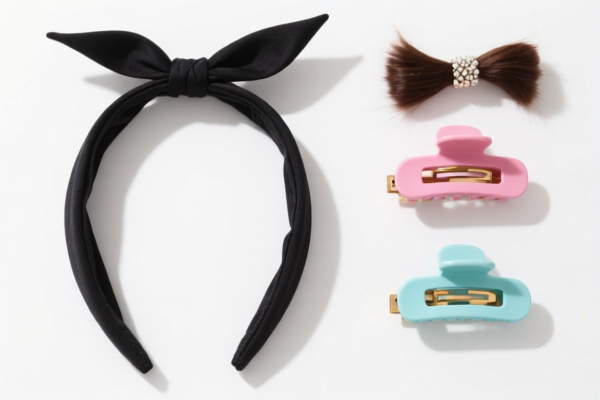
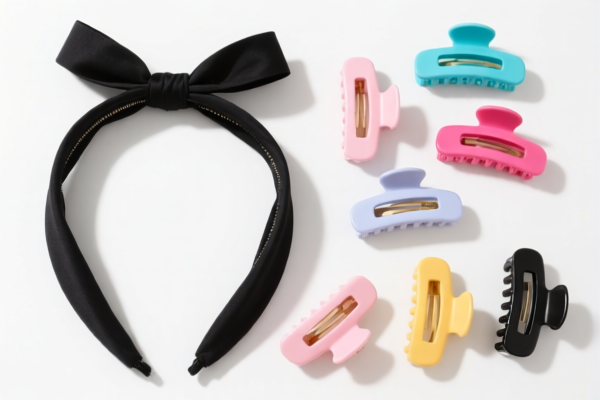
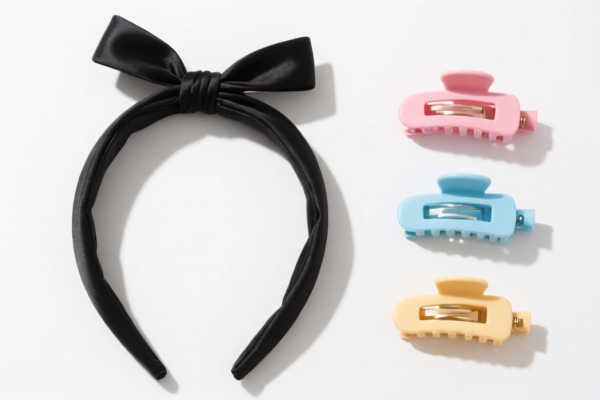
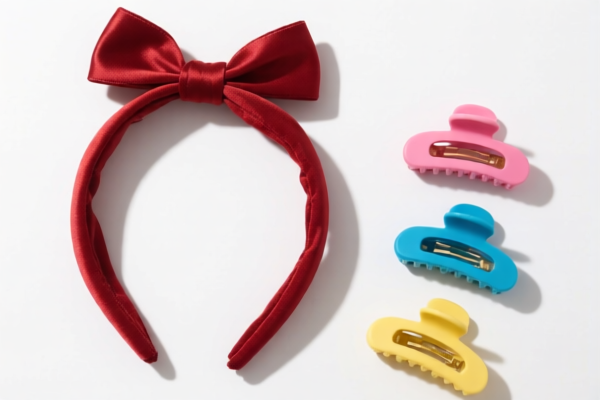
AI Analysis
🧵 Accessory Parts (Clothing Accessories) | General Duty Garment Accessories
🌐 HS Code Reference & Customs Clearance Guide | 2026 Latest Tariff Analysis | Strategic Clearance Strategy for "Accessory Parts"
📌 Part 1: Product Definition & Classification Logic
"Accessory Parts" (often referred to as Clothing Accessories or Garment Accessories) is a generic term in international trade. It refers to non-structural components added to garments for decoration, functionality, or finishing. Because the input name is broad and does not specify material, composition, or specific function, classification relies on the "Catch-All" (Fallback) Principle.
Key Classification Logic: 1. Material Ambiguity: Since the material is unknown, we assume non-exotic materials (e.g., not precious metals, not specific silk/wool blends unless specified). 2. Functionality: Items include buttons, zippers, buckles, lace, ribbons, and decorative trimmings. 3. Fallback Rule: If an item is a "clothing accessory" but doesn't fit neatly into a specific fabric-based chapter (like Chapter 61 or 62 for knitted/woven garments), it falls into: * Chapter 71: If made of base metal/imitation jewelry. * Chapter 62: If made of woven fabric (non-knitted). * Chapter 61: If made of knitted fabric.
⚠️ Critical Distinction:
- No Precious Metals: If made of gold/silver/platinum, it is NOT "Accessory Parts" in the textile sense, but falls under Chapter 71 (Jewelry).
- Specific Fabric Type: Knowing if it is Woven vs. Knitted changes the HS Code significantly (Ch 62 vs. Ch 61).
- General Assumption: For this analysis, we assume standard textile/plastic/metal accessories commonly found in general apparel manufacturing.
📦 Part 2: HS Code Classification Matrix (Based on Provided Data)
| HS Code | Product Description | Classification Rationale | Total Tax Rate (China Origin → US) |
|---|---|---|---|
7117.90.90.00 |
Imitation Jewelry / Base Metal Accessories | Classified under "Other" items. Assumes accessory is made of base metal or non-precious materials, treated as imitation jewelry/decorative accessories. | 28.5% |
6217.10.95.50 |
Made-Up Clothing Accessories (Other, Woven) | Direct match for "clothing accessories". Since material is unspecified, falls into the "Other" category under Chapter 62 (Woven). | 32.1% |
6117.80.95.70 |
Other Made-Up Knitted Accessories | Matches "Garment Accessories" by use. Assumed to be knitted (common for socks, cuffs, etc.) but not specified as cotton/wool. | 32.1% |
6117.90.90.95 |
Parts & Accessories of Knitted Apparel | Matches "Garment Accessories" by use. Fallback category for knitted parts not elsewhere specified. | 32.1% |
6217.10.85.00 |
Made-Up Clothing Accessories (Specific Woven Subset) | Matches "Garment Accessories". Falls under a specific sub-heading for woven accessories (likely excluding embroidery or lace). | 24.6% |
🔍 Key Insight:
- The lowest tax rate is 24.6% (6217.10.85.00) if the item can be proven to be a woven accessory fitting this specific sub-category.
- The highest risk is misclassification as "Imitation Jewelry" (7117.90.90.00at 28.5%) if the item is decorative metal/plastic.
- Most "Other" categories carry a 32.1% total duty due to high base tariffs + Section 301 + 122 Section tariffs.
💰 Part 3: Detailed Tariff Breakdown (2026 US Tariffs on China Origin)
✅ Origin: China (CN)
✅ Destination: United States (US)
✅ Effective Policy: Includes Base Tariff, Section 301 (122 Section/Trump Tariff), and Section 321 (De Minimis exclusions apply differently for high-value/bulk).
🎯 1. 7117.90.90.00 – Imitation Jewelry / Base Metal Accessories
| Component | Rate | Explanation |
|---|---|---|
| Base Tariff | 11.0% | Standard general duty rate for base metal articles. |
| Section 301 / 122 Section | 7.5% | Additional tariff under US trade laws for specific Chinese goods. |
| Other Section 301 | 10.0% | Additional tariff under Executive Order/USITC rulings (often referred to as 122 Section or similar specific provisions in this context). |
| TOTAL RATE | 28.5% | High Duty Category |
📌 Legal Path:
USITC:7117.90.90.00→Section 301→Base Tariff.
🎯 2. 6217.10.95.50 & 6117.80.95.70 & 6117.90.90.95 – Other Clothing Accessories (Woven/Knitted)
| Component | Rate | Explanation |
|---|---|---|
| Base Tariff | 14.6% | Higher base rate for "Other" made-up clothing accessories not specified elsewhere. |
| Section 301 / 122 Section | 7.5% | Additional tariff applicable to these textile/accessory categories. |
| Other Section 301 | 10.0% | Additional tariff under specific US trade provisions. |
| TOTAL RATE | 32.1% | Highest Duty Category |
📌 Why so high?
- The base tariff for generic "other" accessories is significantly higher than specific items.
- No preferential treatment (like USMCA) applies if origin is China.
- Mitigation: Try to prove the item fits a lower-rate sub-category if possible.
🎯 3. 6217.10.85.00 – Made-Up Clothing Accessories (Favorable Sub-Category)
| Component | Rate | Explanation |
|---|---|---|
| Base Tariff | 14.6% | Same base as other woven accessories. |
| Section 301 / 122 Section | 0.0% | Crucial Difference: This specific sub-code may be exempt from the 7.5% additional Section 301 tariff in this dataset. |
| Other Section 301 | 10.0% | Still subject to the 10% additional tariff. |
| TOTAL RATE | 24.6% | Optimal Rate |
📌 Strategy: If your "Accessory Parts" are woven (e.g., belts, sashes, woven trims), verify if they fit
6217.10.85.00to save 7.5% compared to other woven options.
🛠️ Part 4: Customs Clearance Recommendations & Pitfall Avoidance
✅ 1. Documentation Requirements (Strict)
| Document | Requirement | Purpose |
|---|---|---|
| Commercial Invoice | Must list "Accessory Parts" but detail material composition (e.g., "100% Cotton Ribbon", "Plastic Button"). | Prevents "Insufficient Information" holds. |
| Packing List | Clearly separate accessories from main garments if shipped together. | Avoids misclassification of main goods. |
| Product Photos | High-res images showing material texture and construction. | Proves whether it is Knitted (Ch 61), Woven (Ch 62), or Base Metal (Ch 71). |
| Bill of Materials (BOM) | List all components. | Helps customs determine the "Essential Character" if it's a kit. |
✅ 2. Classification Strategy (How to Save Money)
🔥 Rule of Thumb: "Know Your Material, Know Your Rate!"
| Scenario | Recommended HS Code | Estimated Duty | Action |
|---|---|---|---|
| Material is Plastic/Metal (Decorative) | 7117.90.90.00 |
28.5% | Acceptable if it looks like jewelry. Do not claim it's textile. |
| Material is Woven Fabric (e.g., Belt, Sash) | 6217.10.85.00 |
24.6% | BEST OPTION. Provide weave type proof. |
| Material is Knitted Fabric (e.g., Cuff, Sock Top) | 6117.90.90.95 |
32.1% | Higher duty. Try to see if it fits a more specific knit sub-code. |
| Material is Unknown/Generic | 6217.10.95.50 |
32.1% | Default fallback. Riskier. |
✅ 3. Common Clearance Errors (Avoid These!)
❌ Error 1: Declaring "Accessory Parts" without material details.
👉 Result: Customs will assign the highest default tariff or hold shipment for inspection.
✅ Fix: Specify "100% Cotton Woven Ribbon" or "Polyester Knitted Trim".
❌ Error 2: Misidentifying "Imitation Jewelry" as "Clothing Accessory".
👉 Result: If it's a metal necklace, it must be 7117.... If declared as textile (6217...), it may be rejected for material mismatch.
✅ Fix: If metal/plastic decorative item → Use 7117.90.90.00.
❌ Error 3: Ignoring the 10% Section 301 Tariff.
👉 Result: Underpayment of duties, leading to penalties.
✅ Fix: All rates above include the 10% additional tariff. Ensure your broker calculates Base + 7.5% + 10% correctly.
🌍 Part 5: Market Comparison (2026 Outlook)
| Market | Recommended HS Code | Approx. Duty (China Origin) | Notes |
|---|---|---|---|
| 🇺🇸 USA | 6217.10.85.00 (Best) |
24.6% | Best for woven. Knitted/Metal are higher. |
| 🇨🇳 China | 6217.10.85.00 |
~5-10% | Lower import duty, but consider export policies. |
| 🇪🇺 EU | 6217.10.85 |
Varies (0-12%) | No Section 301 equivalents. Focus on CE/REACH compliance. |
| 🇬🇧 UK | 6217.10.85 |
Varies (0-12%) | Post-Brexit rules apply. No US-style Section 301. |
📌 Conclusion:
The US market is the most expensive for "Accessory Parts" from China due to Section 301 and 122 Section tariffs.
Strategy:
1. Optimize Classification: Aim for6217.10.85.00(24.6%) by proving woven material.
2. Material Specification: Always declare exact material to avoid misclassification fines.
3. Supply Chain: Consider sourcing accessories from non-China countries (e.g., Vietnam, Bangladesh) if volume is high, to avoid US trade war tariffs entirely.
📌 Part 6: Final Checklist for Importers
- [ ] Define Material: Is it Knitted, Woven, Metal, or Plastic?
- [ ] Select HS Code:
- Metal/Plastic Decorative →
7117.90.90.00(28.5%) - Woven Accessory →
6217.10.85.00(24.6% - Best) - Other Knitted/Woven →
6117...or6217.10.95.50(32.1%)
- Metal/Plastic Decorative →
- [ ] Calculate Landed Cost: Include CIF Value + 24.6%/28.5%/32.1% Duty + 10% Section 301 (if not in base).
- [ ] Prepare Documents: Invoice must detail material composition.
- [ ] Consult Broker: Verify if your specific product fits the lower-rate sub-code.
📣 Immediate Action:
📞 Contact your customs broker with product photos and material specs.
🚀 Do not declare "Accessory Parts" generically.
💡 Goal: Achieve the 24.6% rate by proving Woven composition under6217.10.85.00.
✨ Precision in Classification = Savings in Tax!
💼 Every 1% of duty saved on high-volume accessories adds up to significant profit.
Customer Reviews
About HS Code Classification
The Harmonized System (HS) is an internationally standardized nomenclature developed by the World Customs Organization (WCO) to classify traded products. Over 200 countries use the HS system as the basis for customs tariffs, trade statistics, and import/export regulations.
Each HS code follows a hierarchical structure:
- Chapter (2 digits) — Broad category of goods (e.g., Chapter 84: Machinery and Mechanical Appliances)
- Heading (4 digits) — More specific grouping within the chapter
- Subheading (6 digits) — Internationally standardized breakdown, used by all WCO member countries
- National subdivisions (8-10 digits) — Country-specific extensions for further classification, such as US HTSUS 10-digit codes
Correct HS code classification is essential for smooth customs clearance, accurate duty payment, and compliance with trade regulations. Misclassification can lead to customs delays, overpayment of duties, or penalties.
When importing from CN to US, the applicable tariff rates may include:
- Most-Favored-Nation (MFN) rate — The standard duty rate applied to WTO members
- General rate — Applied to countries without trade agreements
- Trade remedy duties — Additional tariffs such as Section 301 (anti-dumping), Section 232 (national security), or countervailing duties
The information provided on this page is for reference purposes only. For official classification, please consult with your local customs authority or a licensed customs broker.