Acrylic Mirror
CN → US| HS编码 | 关税税率 | 原产国 | 目的国 | 文档 |
|---|---|---|---|---|
| 3920598000 | 41.5% | CN | US | 官方文档 |
| 7009911090 | 42.8% | CN | US | 官方文档 |
| 3920515090 | 41.5% | CN | US | 官方文档 |
| 3926909989 | 22.8% | CN | US | 官方文档 |
| 3926904800 | 13.4% | CN | US | 官方文档 |
商品图片
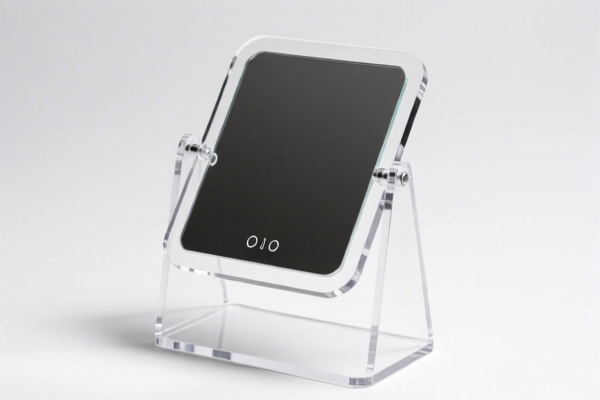
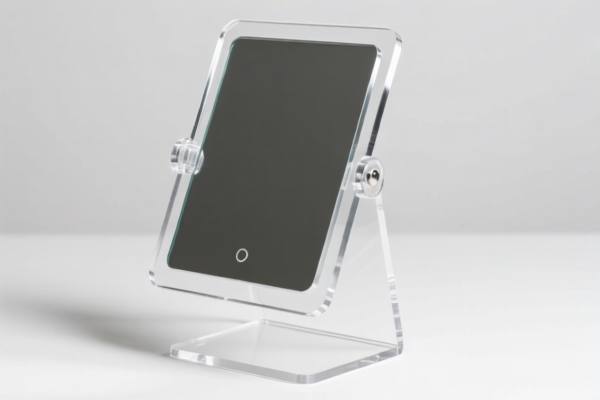
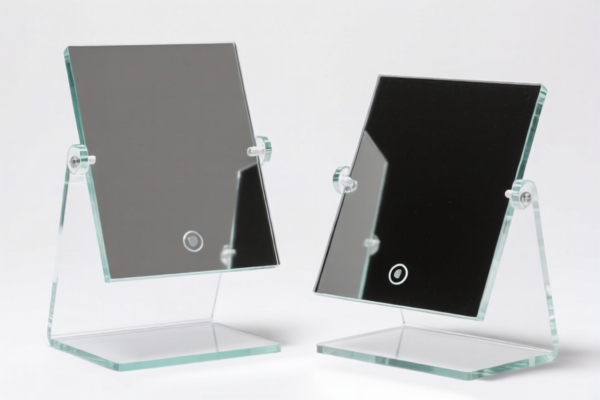
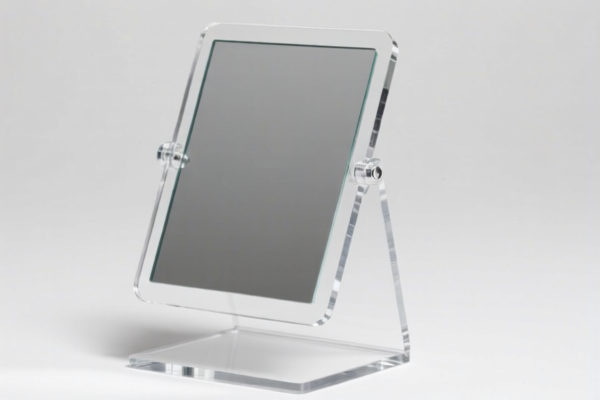
AI分析
🪞 Acrylic Mirror (Polished Acrylic Sheet with Reflective Coating)
🌐 HS Code Reference & Customs Clearance Guide | 2026 Latest Tariff Analysis | Professional通关 Strategy
📌 Part 1: Product Definition & Classification: Do You Really Understand "Acrylic Mirrors"?
An Acrylic Mirror, often referred to as a "polished acrylic sheet," is a plastic-based reflective product. It consists of a Polymethyl Methacrylate (PMMA) substrate with a reflective coating (usually aluminum or silver) applied to one side.
In international trade, classification depends heavily on whether you view it as a plastic sheet or a finished mirror product. This distinction dramatically affects the tariff rate.
⚠️ Key Classification Logic:
- If classified as a Plastic Sheet/Panel → It falls under Chapter 39 (Plastics and Articles Thereof).
- If classified as a Glass-type Mirror → It falls under Chapter 70 (Glass and Glassware).
- If classified as a General Plastic Article → It falls under Chapter 39, Heading 3926 (Other Plastic Articles).
📦 Part 2: HS Code Classification Details (2026 Latest Tariff Authority Cross-Reference)
| HS Code | Product Description | Application Scenario | Basis for Classification |
|---|---|---|---|
3920.59.80.00 |
Other plates, sheets, film, foil, and strip of plastics (Acrylic/PMMA) | Acrylic mirror sheets, polished plastic panels, non-foamed plastic boards | Based on Material Form: It is a plastic sheet/board. |
7009.91.10.90 |
Mirrors of glass, whether or not framed, other than rear-view mirrors | Glass-like mirrors, reflective surfaces with functional attributes | Based on Function/Utility: Mimics the function of a glass mirror. |
3920.51.50.90 |
Plates, sheets, film, foil and strip of polymethyl methacrylate (PMMA), unworked or merely worked, but not further manufactured | Acrylic sheets made of PMMA, non-foamed, non-reinforced | Based on Material Specificity: Specifically identified as PMMA/Acrylic plastic boards. |
3926.90.99.89 |
Other articles of plastics and articles of other materials of heading 3901 to 3914 | Other plastic articles, general plastic products | Based on Generic Category: Treated as a generic plastic item if specific sheet codes don't apply. |
3926.90.48.00 |
Other articles of plastics: Other: Other | Plastic articles, general consumer plastic goods | Based on Lowest Tariff Option: General plastic article with lowest base duty. |
🔍 Critical Reminder:
- Customs View: Customs officers often debate between Chapter 39 (Plastic Sheet) and Chapter 70 (Mirror).
- Risk: If classified under 7009, it is treated as a "glass-type mirror," often attracting higher duties due to anti-dumping or specific trade remedies.
- Strategy: Proving it is a PMMA plastic sheet (Chapter 39) is usually safer for cost control, provided it meets the definition of a "sheet/plate" rather than a "finished article."
💰 Part 3: 2026 Latest Tariff Rate Breakdown (Including Surcharges & Policy Add-ons)
✅ Applicable Country: United States (US)
✅ Country of Origin: China (CN)
✅ Effective Time: 2025 November 10 onwards (including subsequent imports)
🎯 1. 3920.59.80.00 & 3920.51.50.90 —— Acrylic/PMMA Plastic Sheets/Boards
These codes classify the product as a plastic material product.
| Item | Content |
|---|---|
| Base Tariff | 6.5% (ad valorem) |
| Section 301 Surcharge (25%) | +25.0% (Due to USITC Footnote 9903.88.01 / Trade War Tariffs) |
| Section 122 Surcharge (IEEPA) | +10.0% (针对中国/香港产品,自2025年11月10日起) |
| Total Tariff Rate | 41.5% |
| Tax Calculation | CIF Value × 41.5% |
| De Minimis Exemption | ❌ Not Available (deny_de_minimis) |
| Legal Basis Path | IEEPA:9903.01.25 → IEEPA:9903.01.24 → USITC:3920.59.80.00 → FOOTNOTE:9903.88.01 |
📌 Explanation:
- Despite being "plastic," it is subject to Section 301 tariffs because it is a manufactured plastic good from China.
- The 10% IEEPA tariff is added on top of the 25%, leading to a massive 41.5% total duty.
🎯 2. 7009.91.10.90 —— Glass-like Mirrors
This code classifies the product based on its reflective function, treating it similarly to a glass mirror.
| Item | Content |
|---|---|
| Base Tariff | 7.8% (ad valorem) |
| Section 301 Surcharge (25%) | +25.0% (Due to USITC Footnote 9903.88.01) |
| Section 122 Surcharge (IEEPA) | +10.0% (针对中国/香港产品,自2025年11月10日起) |
| Total Tariff Rate | 42.8% |
| Tax Calculation | CIF Value × 42.8% |
| De Minimis Exemption | ❌ Not Available (deny_de_minimis) |
| Legal Basis Path | IEEPA:9901.25 → IEEPA:9903.01.24 → USITC:7009.91.10.90 → FOOTNOTE:9903.88.01 |
📌 Warning:
- This is the most expensive classification (42.8%).
- Customs may prefer this if the reflective coating is considered the "essential character" of the good, making it a "mirror" rather than a "sheet."
- Avoid this classification if possible to save 1.3% compared to the best plastic sheet option, and potentially more if base rates fluctuate.
🎯 3. 3926.90.99.89 —— Other Plastic Articles
This code treats the acrylic mirror as a generic plastic article.
| Item | Content |
|---|---|
| Base Tariff | 5.3% (ad valorem) |
| Section 301 Surcharge (7.5%) | +7.5% (Reduced rate for certain plastic articles under specific trade adjustments) |
| Section 122 Surcharge (IEEPA) | +10.0% |
| Total Tariff Rate | 22.8% |
| Tax Calculation | CIF Value × 22.8% |
| De Minimis Exemption | ❌ Not Available (deny_de_minimis) |
| Legal Basis Path | IEEPA:9903.01.24 → USITC:3926.90.99.89 |
📌 Opportunity:
- If customs accepts the classification as a "general plastic article" (Heading 3926) rather than a "sheet" (Heading 3920), the Section 301 rate drops from 25% to 7.5%.
- This results in a significant savings: 22.8% vs. 41.5%.
🎯 4. 3926.90.48.00 —— Lowest Tariff Option (Best Case Scenario)
This code represents the lowest possible duty for acrylic mirrors, classifying them under a specific sub-category of plastic articles with zero Section 301 surcharge.
| Item | Content |
|---|---|
| Base Tariff | 3.4% (ad valorem) |
| Section 301 Surcharge (0%) | +0.0% (Exempt or excluded from Section 301 list) |
| Section 122 Surcharge (IEEPA) | +10.0% |
| Total Tariff Rate | 13.4% |
| Tax Calculation | CIF Value × 13.4% |
| De Minimis Exemption | ❌ Not Available (deny_de_minimis) |
| Legal Basis Path | IEEPA:9903.01.24 → USITC:3926.90.48.00 |
📌 Strategic Gold Mine:
- This is the optimal classification if accepted by CBP (Customs and Border Protection).
- Savings: Compared to the 41.5% rate, this saves 28.1% in duties.
- Risk: It requires strong evidence that the product is a "general plastic article" and not a "sheet" or "mirror."
🛠️ Part 4: Customs Clearance Practical Advice (Combat Pitfall Guide)
✅ 1. Preparation Checklist (Non-negotiable)
| Document | Required | Description |
|---|---|---|
| ✅ Product Specification Sheet | ✔️ | Must specify "PMMA/Acrylic," thickness, reflectivity, and coating type. |
| ✅ Material Safety Data Sheet (MSDS) | ✔️ | Proves the substrate is plastic (PMMA), not glass. |
| ✅ Product Photos | ✔️ | Clear shots of the back (uncoated side) to show plastic texture. |
| ✅ Commercial Invoice | ✔️ | Description: "Acrylic Mirror Sheet, PMMA Material, for Home Decor." Avoid "Glass Mirror." |
| ✅ Origin Certificate | ✔️ | Essential for determining US-China trade duty applicability. |
| ✅ Packing List | ✔️ | Detail net/gross weight, dimensions. |
✅ 2. Declaration Tips (Key Mantras)
🔥 "Material First, Function Second, Name Precise, Duty Minimized!"
| Situation | Correct Declaration Strategy | Incorrect Action |
|---|---|---|
| Generic Plastic Sheet | 3926.90.48.00 (13.4%) |
Declaring as "Mirror" → 42.8% |
| High-Quality PMMA Board | 3920.59.80.00 (41.5%) |
Declaring as "Plastic Toy" → Potential fraud flag |
| Glass-like Mirror | 7009.91.10.90 (42.8%) |
Only if customs forces this classification |
| General Plastic Item | 3926.90.99.89 (22.8%) |
If 3926.90.48.00 is rejected |
📌 Pro Tip:
- Use the term "Acrylic Reflector" or "PMMA Mirror Sheet" rather than just "Mirror."
- Emphasize "Plastic Substrate" in the description.
- If possible, argue that the product is a "semi-finished plastic article" to qualify for Heading 3926 instead of 3920.
✅ 3. Special Handling
| Scenario | Recommendation |
|---|---|
| OEM Custom Sizes | Provide custom cut lists to prove it's a "manufactured article" (3926) rather than a standard "sheet" (3920). |
| Framed Acrylic Mirrors | If framed, consider declaring as "Furniture" or "Decor," but be cautious of different HS codes. |
| Small Samples | Even small samples are subject to duties; do not assume de minimis applies. |
| Disputes | If CBP insists on 7009, request a Pre-Ruling with technical data sheets proving PMMA composition. |
🌍 Part 5: Global Market Comparison (2026 Latest)
| Country/Region | Recommended HS Code | Tariff (China Origin) | Certification | Note |
|---|---|---|---|---|
| 🇺🇸 USA | 3926.90.48.00 |
13.4% | FCC/ROHS (if electronics) | Best case scenario; high risk of audit |
| 🇺🇸 USA | 3920.59.80.00 |
41.5% | FCC/ROHS | Standard plastic sheet classification |
| 🇺🇸 USA | 7009.91.10.90 |
42.8% | N/A | Worst-case scenario; mirror classification |
| 🇨🇳 China | 3926.90.99.89 |
5-9% | CCC (if applicable) | Import duty much lower; no Section 301 |
| 🇪🇺 EU | 3926.90.99 |
4-6% | CE/RoHS | No major surcharges like US IEEPA |
| 🇦🇺 Australia | 3926.90.99 |
5% | RCM | Standard plastic article rate |
📌 Conclusion:
- The US market is the most challenging due to the layered tariffs (Base + 301 + 122).
- Classification is critical: A shift from 3920 to 3926 can save ~28% in duty.
- Pre-clearance is highly recommended for large volumes to lock in the 13.4% rate.
📌 Part 6: Common Mistakes & Pitfalls (Lessons Learned)
❌ Mistake 1: Declaring as "Glass Mirror" to avoid plastic documentation
👉 Consequence: CBP inspects and finds PMMA plastic → Re-classifies to 7009 or 3920 → 41-42% duty + penalties.
❌ Mistake 2: Using "Mirror" without specifying material
👉 Consequence: CBP assumes glass (Chapter 70) → Higher duty 42.8% vs. plastic 13.4%.
❌ Mistake 3: Assuming small shipments are tax-free
👉 Consequence: Acrylic mirrors are not de minimis exempt (deny_de_minimis) → Duties still apply.
❌ Mistake 4: Ignoring the Section 122 (10%) IEEPA tariff
👉 Consequence: Underestimating total cost by 10% → Profit margin erosion.
✅ Correct Approach:
"Acrylic Mirror Sheet, PMMA Material, 3mm Thick, Reflective Coating, for Bathroom Decor, Model XYZ, Certified Plastic"
🎯 Part 7: Conclusion: Professional Declaration, Cost Savings!
🎯 Remember the Mantras:
🔹 "Plastic Sheet vs. Mirror: Know the Difference!"
🔹 "3926 is King: 13.4% vs 41.5% is a Game Changer!"
🔹 "IEEPA 10% is Always There: Don't Forget It!"
📌 Pro Tip:
- If your acrylic mirrors are imported from Vietnam, Mexico, or Thailand, you may qualify for IEEPA exemptions (0% base, 0% Section 301, 0% 122).
- Strongly Recommended: Apply for a CBP Pre-Ruling before shipping. Document the PMMA composition clearly.
- Consider shifting supply chains to non-China origins if volumes are high, to avoid the 41.5% - 42.8% burden.
📣 Immediate Action:
📞 Contact a licensed customs broker + Provide Material Test Reports + Request HS Code Pre-Ruling
🚀 Ensure your Acrylic Mirrors clear customs smoothly, efficiently, and profitably!
✨ Professional Clearance Starts with Precise Classification!
💼 Every Cent of Duty Matters in the Age of Trade Wars!
用户评价
关于 HS 编码归类
协调制度(HS)是由世界海关组织(WCO)制定的国际贸易商品分类标准。全球 200 多个国家采用 HS 系统作为海关关税、贸易统计和进出口监管的基础。
每个 HS 编码遵循以下层级结构:
- 章(2 位)——商品大类(例如:第 84 章:机器和机械设备)
- 品目(4 位)——章内的更具体分类
- 子目(6 位)——国际通用细分,所有 WCO 成员国统一使用
- 本国细分(8-10 位)——各国自行扩展的细分编码,如美国 HTSUS 10 位编码
正确的 HS 编码归类对于顺利通关、准确缴纳关税和遵守贸易法规至关重要。错误归类可能导致海关延误、多缴关税或罚款。
从CN进口到US时,适用的关税税率可能包括:
- 最惠国(MFN)税率——适用于 WTO 成员国的标准关税税率
- 普通税率——适用于无贸易协定国家
- 贸易救济关税——附加关税,如 301 条款(反倾销)、232 条款(国家安全)或反补贴税
本页内容仅供参考。如需正式归类,请咨询当地海关或持牌报关代理。