Acrylic Mirror
CN → US| HS Code | Tariff Rate | Origin | Destination | Doc |
|---|---|---|---|---|
| 3920598000 | 41.5% | CN | US | Official Doc |
| 7009911090 | 42.8% | CN | US | Official Doc |
| 3920515090 | 41.5% | CN | US | Official Doc |
| 3926909989 | 22.8% | CN | US | Official Doc |
| 3926904800 | 13.4% | CN | US | Official Doc |
Product Images
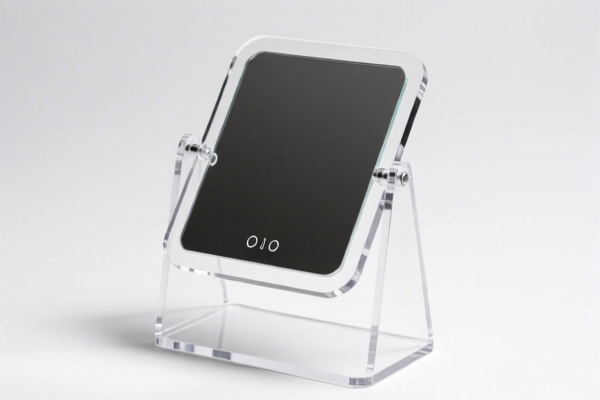
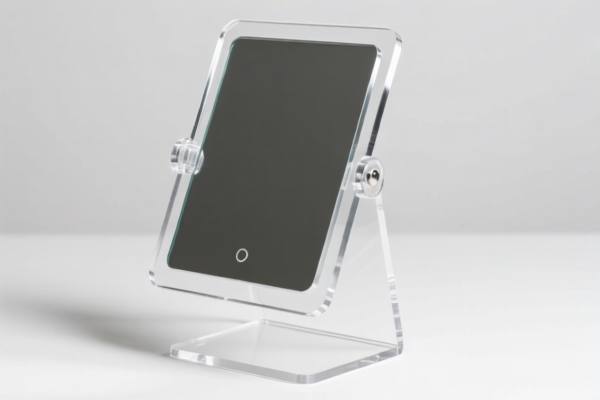
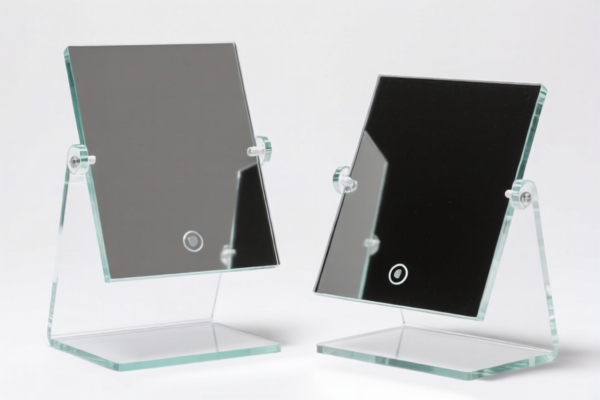
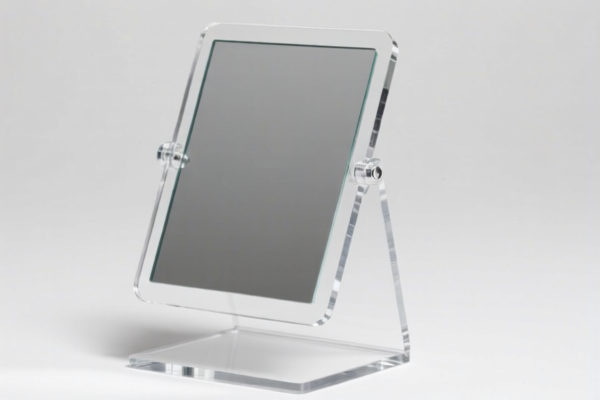
AI Analysis
🪞 Acrylic Mirror (Polished Acrylic Sheet with Reflective Coating)
🌐 HS Code Reference & Customs Clearance Guide | 2026 Latest Tariff Analysis | Professional通关 Strategy
📌 Part 1: Product Definition & Classification: Do You Really Understand "Acrylic Mirrors"?
An Acrylic Mirror, often referred to as a "polished acrylic sheet," is a plastic-based reflective product. It consists of a Polymethyl Methacrylate (PMMA) substrate with a reflective coating (usually aluminum or silver) applied to one side.
In international trade, classification depends heavily on whether you view it as a plastic sheet or a finished mirror product. This distinction dramatically affects the tariff rate.
⚠️ Key Classification Logic:
- If classified as a Plastic Sheet/Panel → It falls under Chapter 39 (Plastics and Articles Thereof).
- If classified as a Glass-type Mirror → It falls under Chapter 70 (Glass and Glassware).
- If classified as a General Plastic Article → It falls under Chapter 39, Heading 3926 (Other Plastic Articles).
📦 Part 2: HS Code Classification Details (2026 Latest Tariff Authority Cross-Reference)
| HS Code | Product Description | Application Scenario | Basis for Classification |
|---|---|---|---|
3920.59.80.00 |
Other plates, sheets, film, foil, and strip of plastics (Acrylic/PMMA) | Acrylic mirror sheets, polished plastic panels, non-foamed plastic boards | Based on Material Form: It is a plastic sheet/board. |
7009.91.10.90 |
Mirrors of glass, whether or not framed, other than rear-view mirrors | Glass-like mirrors, reflective surfaces with functional attributes | Based on Function/Utility: Mimics the function of a glass mirror. |
3920.51.50.90 |
Plates, sheets, film, foil and strip of polymethyl methacrylate (PMMA), unworked or merely worked, but not further manufactured | Acrylic sheets made of PMMA, non-foamed, non-reinforced | Based on Material Specificity: Specifically identified as PMMA/Acrylic plastic boards. |
3926.90.99.89 |
Other articles of plastics and articles of other materials of heading 3901 to 3914 | Other plastic articles, general plastic products | Based on Generic Category: Treated as a generic plastic item if specific sheet codes don't apply. |
3926.90.48.00 |
Other articles of plastics: Other: Other | Plastic articles, general consumer plastic goods | Based on Lowest Tariff Option: General plastic article with lowest base duty. |
🔍 Critical Reminder:
- Customs View: Customs officers often debate between Chapter 39 (Plastic Sheet) and Chapter 70 (Mirror).
- Risk: If classified under 7009, it is treated as a "glass-type mirror," often attracting higher duties due to anti-dumping or specific trade remedies.
- Strategy: Proving it is a PMMA plastic sheet (Chapter 39) is usually safer for cost control, provided it meets the definition of a "sheet/plate" rather than a "finished article."
💰 Part 3: 2026 Latest Tariff Rate Breakdown (Including Surcharges & Policy Add-ons)
✅ Applicable Country: United States (US)
✅ Country of Origin: China (CN)
✅ Effective Time: 2025 November 10 onwards (including subsequent imports)
🎯 1. 3920.59.80.00 & 3920.51.50.90 —— Acrylic/PMMA Plastic Sheets/Boards
These codes classify the product as a plastic material product.
| Item | Content |
|---|---|
| Base Tariff | 6.5% (ad valorem) |
| Section 301 Surcharge (25%) | +25.0% (Due to USITC Footnote 9903.88.01 / Trade War Tariffs) |
| Section 122 Surcharge (IEEPA) | +10.0% (针对中国/香港产品,自2025年11月10日起) |
| Total Tariff Rate | 41.5% |
| Tax Calculation | CIF Value × 41.5% |
| De Minimis Exemption | ❌ Not Available (deny_de_minimis) |
| Legal Basis Path | IEEPA:9903.01.25 → IEEPA:9903.01.24 → USITC:3920.59.80.00 → FOOTNOTE:9903.88.01 |
📌 Explanation:
- Despite being "plastic," it is subject to Section 301 tariffs because it is a manufactured plastic good from China.
- The 10% IEEPA tariff is added on top of the 25%, leading to a massive 41.5% total duty.
🎯 2. 7009.91.10.90 —— Glass-like Mirrors
This code classifies the product based on its reflective function, treating it similarly to a glass mirror.
| Item | Content |
|---|---|
| Base Tariff | 7.8% (ad valorem) |
| Section 301 Surcharge (25%) | +25.0% (Due to USITC Footnote 9903.88.01) |
| Section 122 Surcharge (IEEPA) | +10.0% (针对中国/香港产品,自2025年11月10日起) |
| Total Tariff Rate | 42.8% |
| Tax Calculation | CIF Value × 42.8% |
| De Minimis Exemption | ❌ Not Available (deny_de_minimis) |
| Legal Basis Path | IEEPA:9901.25 → IEEPA:9903.01.24 → USITC:7009.91.10.90 → FOOTNOTE:9903.88.01 |
📌 Warning:
- This is the most expensive classification (42.8%).
- Customs may prefer this if the reflective coating is considered the "essential character" of the good, making it a "mirror" rather than a "sheet."
- Avoid this classification if possible to save 1.3% compared to the best plastic sheet option, and potentially more if base rates fluctuate.
🎯 3. 3926.90.99.89 —— Other Plastic Articles
This code treats the acrylic mirror as a generic plastic article.
| Item | Content |
|---|---|
| Base Tariff | 5.3% (ad valorem) |
| Section 301 Surcharge (7.5%) | +7.5% (Reduced rate for certain plastic articles under specific trade adjustments) |
| Section 122 Surcharge (IEEPA) | +10.0% |
| Total Tariff Rate | 22.8% |
| Tax Calculation | CIF Value × 22.8% |
| De Minimis Exemption | ❌ Not Available (deny_de_minimis) |
| Legal Basis Path | IEEPA:9903.01.24 → USITC:3926.90.99.89 |
📌 Opportunity:
- If customs accepts the classification as a "general plastic article" (Heading 3926) rather than a "sheet" (Heading 3920), the Section 301 rate drops from 25% to 7.5%.
- This results in a significant savings: 22.8% vs. 41.5%.
🎯 4. 3926.90.48.00 —— Lowest Tariff Option (Best Case Scenario)
This code represents the lowest possible duty for acrylic mirrors, classifying them under a specific sub-category of plastic articles with zero Section 301 surcharge.
| Item | Content |
|---|---|
| Base Tariff | 3.4% (ad valorem) |
| Section 301 Surcharge (0%) | +0.0% (Exempt or excluded from Section 301 list) |
| Section 122 Surcharge (IEEPA) | +10.0% |
| Total Tariff Rate | 13.4% |
| Tax Calculation | CIF Value × 13.4% |
| De Minimis Exemption | ❌ Not Available (deny_de_minimis) |
| Legal Basis Path | IEEPA:9903.01.24 → USITC:3926.90.48.00 |
📌 Strategic Gold Mine:
- This is the optimal classification if accepted by CBP (Customs and Border Protection).
- Savings: Compared to the 41.5% rate, this saves 28.1% in duties.
- Risk: It requires strong evidence that the product is a "general plastic article" and not a "sheet" or "mirror."
🛠️ Part 4: Customs Clearance Practical Advice (Combat Pitfall Guide)
✅ 1. Preparation Checklist (Non-negotiable)
| Document | Required | Description |
|---|---|---|
| ✅ Product Specification Sheet | ✔️ | Must specify "PMMA/Acrylic," thickness, reflectivity, and coating type. |
| ✅ Material Safety Data Sheet (MSDS) | ✔️ | Proves the substrate is plastic (PMMA), not glass. |
| ✅ Product Photos | ✔️ | Clear shots of the back (uncoated side) to show plastic texture. |
| ✅ Commercial Invoice | ✔️ | Description: "Acrylic Mirror Sheet, PMMA Material, for Home Decor." Avoid "Glass Mirror." |
| ✅ Origin Certificate | ✔️ | Essential for determining US-China trade duty applicability. |
| ✅ Packing List | ✔️ | Detail net/gross weight, dimensions. |
✅ 2. Declaration Tips (Key Mantras)
🔥 "Material First, Function Second, Name Precise, Duty Minimized!"
| Situation | Correct Declaration Strategy | Incorrect Action |
|---|---|---|
| Generic Plastic Sheet | 3926.90.48.00 (13.4%) |
Declaring as "Mirror" → 42.8% |
| High-Quality PMMA Board | 3920.59.80.00 (41.5%) |
Declaring as "Plastic Toy" → Potential fraud flag |
| Glass-like Mirror | 7009.91.10.90 (42.8%) |
Only if customs forces this classification |
| General Plastic Item | 3926.90.99.89 (22.8%) |
If 3926.90.48.00 is rejected |
📌 Pro Tip:
- Use the term "Acrylic Reflector" or "PMMA Mirror Sheet" rather than just "Mirror."
- Emphasize "Plastic Substrate" in the description.
- If possible, argue that the product is a "semi-finished plastic article" to qualify for Heading 3926 instead of 3920.
✅ 3. Special Handling
| Scenario | Recommendation |
|---|---|
| OEM Custom Sizes | Provide custom cut lists to prove it's a "manufactured article" (3926) rather than a standard "sheet" (3920). |
| Framed Acrylic Mirrors | If framed, consider declaring as "Furniture" or "Decor," but be cautious of different HS codes. |
| Small Samples | Even small samples are subject to duties; do not assume de minimis applies. |
| Disputes | If CBP insists on 7009, request a Pre-Ruling with technical data sheets proving PMMA composition. |
🌍 Part 5: Global Market Comparison (2026 Latest)
| Country/Region | Recommended HS Code | Tariff (China Origin) | Certification | Note |
|---|---|---|---|---|
| 🇺🇸 USA | 3926.90.48.00 |
13.4% | FCC/ROHS (if electronics) | Best case scenario; high risk of audit |
| 🇺🇸 USA | 3920.59.80.00 |
41.5% | FCC/ROHS | Standard plastic sheet classification |
| 🇺🇸 USA | 7009.91.10.90 |
42.8% | N/A | Worst-case scenario; mirror classification |
| 🇨🇳 China | 3926.90.99.89 |
5-9% | CCC (if applicable) | Import duty much lower; no Section 301 |
| 🇪🇺 EU | 3926.90.99 |
4-6% | CE/RoHS | No major surcharges like US IEEPA |
| 🇦🇺 Australia | 3926.90.99 |
5% | RCM | Standard plastic article rate |
📌 Conclusion:
- The US market is the most challenging due to the layered tariffs (Base + 301 + 122).
- Classification is critical: A shift from 3920 to 3926 can save ~28% in duty.
- Pre-clearance is highly recommended for large volumes to lock in the 13.4% rate.
📌 Part 6: Common Mistakes & Pitfalls (Lessons Learned)
❌ Mistake 1: Declaring as "Glass Mirror" to avoid plastic documentation
👉 Consequence: CBP inspects and finds PMMA plastic → Re-classifies to 7009 or 3920 → 41-42% duty + penalties.
❌ Mistake 2: Using "Mirror" without specifying material
👉 Consequence: CBP assumes glass (Chapter 70) → Higher duty 42.8% vs. plastic 13.4%.
❌ Mistake 3: Assuming small shipments are tax-free
👉 Consequence: Acrylic mirrors are not de minimis exempt (deny_de_minimis) → Duties still apply.
❌ Mistake 4: Ignoring the Section 122 (10%) IEEPA tariff
👉 Consequence: Underestimating total cost by 10% → Profit margin erosion.
✅ Correct Approach:
"Acrylic Mirror Sheet, PMMA Material, 3mm Thick, Reflective Coating, for Bathroom Decor, Model XYZ, Certified Plastic"
🎯 Part 7: Conclusion: Professional Declaration, Cost Savings!
🎯 Remember the Mantras:
🔹 "Plastic Sheet vs. Mirror: Know the Difference!"
🔹 "3926 is King: 13.4% vs 41.5% is a Game Changer!"
🔹 "IEEPA 10% is Always There: Don't Forget It!"
📌 Pro Tip:
- If your acrylic mirrors are imported from Vietnam, Mexico, or Thailand, you may qualify for IEEPA exemptions (0% base, 0% Section 301, 0% 122).
- Strongly Recommended: Apply for a CBP Pre-Ruling before shipping. Document the PMMA composition clearly.
- Consider shifting supply chains to non-China origins if volumes are high, to avoid the 41.5% - 42.8% burden.
📣 Immediate Action:
📞 Contact a licensed customs broker + Provide Material Test Reports + Request HS Code Pre-Ruling
🚀 Ensure your Acrylic Mirrors clear customs smoothly, efficiently, and profitably!
✨ Professional Clearance Starts with Precise Classification!
💼 Every Cent of Duty Matters in the Age of Trade Wars!
Customer Reviews
About HS Code Classification
The Harmonized System (HS) is an internationally standardized nomenclature developed by the World Customs Organization (WCO) to classify traded products. Over 200 countries use the HS system as the basis for customs tariffs, trade statistics, and import/export regulations.
Each HS code follows a hierarchical structure:
- Chapter (2 digits) — Broad category of goods (e.g., Chapter 84: Machinery and Mechanical Appliances)
- Heading (4 digits) — More specific grouping within the chapter
- Subheading (6 digits) — Internationally standardized breakdown, used by all WCO member countries
- National subdivisions (8-10 digits) — Country-specific extensions for further classification, such as US HTSUS 10-digit codes
Correct HS code classification is essential for smooth customs clearance, accurate duty payment, and compliance with trade regulations. Misclassification can lead to customs delays, overpayment of duties, or penalties.
When importing from CN to US, the applicable tariff rates may include:
- Most-Favored-Nation (MFN) rate — The standard duty rate applied to WTO members
- General rate — Applied to countries without trade agreements
- Trade remedy duties — Additional tariffs such as Section 301 (anti-dumping), Section 232 (national security), or countervailing duties
The information provided on this page is for reference purposes only. For official classification, please consult with your local customs authority or a licensed customs broker.