Acrylic Short Fiber Yarn
CN → US| HS编码 | 关税税率 | 原产国 | 目的国 | 文档 |
|---|---|---|---|---|
| 5505200000 | 35.0% | CN | US | 官方文档 |
| 5505100040 | 35.0% | CN | US | 官方文档 |
商品图片
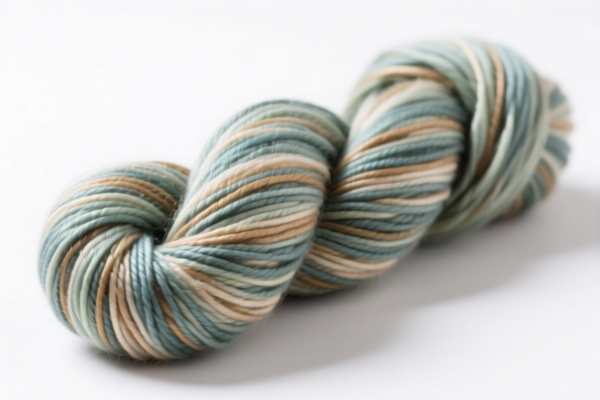
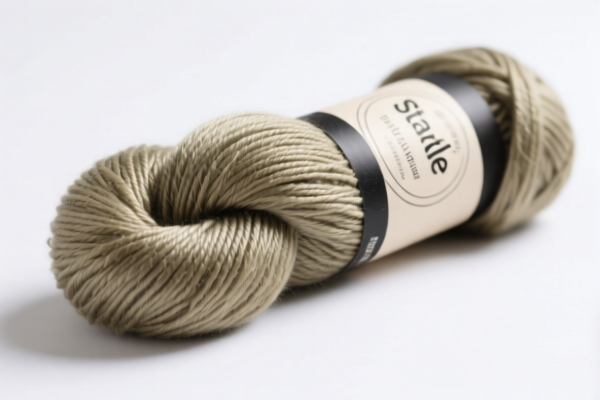
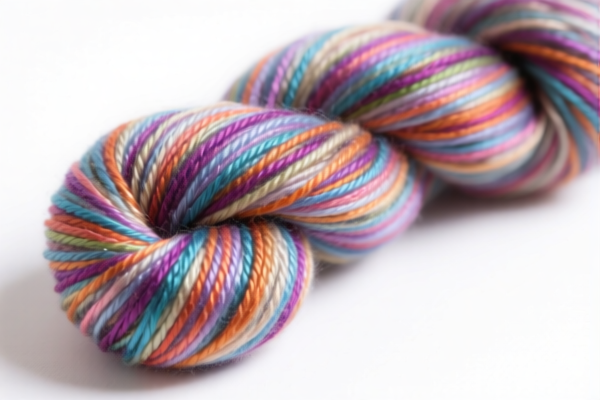
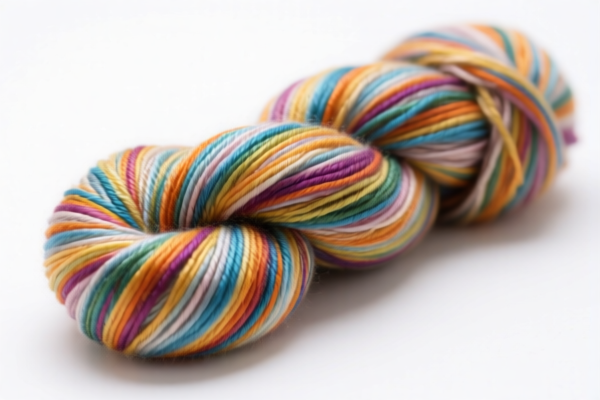
AI分析
🧶 Acrylic Short Fiber Yarn (Waste of Man-Made Fibers)
🌐 HS Code Reference & Customs Clearance Guide | 2026 Latest Tariff Analysis | Professional Entry Strategy
📌 I. Product Definition & Classification: What is "Acrylic Short Fiber Yarn" really?
Acrylic Short Fiber Yarn in international trade context (specifically for waste/recycled streams) refers to waste materials derived from acrylic (artificial) fibers. This includes: * Noils: The short fibers combed out during spinning. * Yarn Waste: Broken yarns, stoppages, or off-cuts from manufacturing. * Garnetted Stock: Recycled fiber obtained by tearing apart old knitted or woven goods.
⚠️ Key Distinction:
- If the material is Acrylic (Artificial Polymer) → It falls under HS 5505.20
- If the material is Polyester (Synthetic Polymer) → It falls under HS 5505.10
- Crucial Note: "Acrylic" is technically classified as an Artificial Fiber in HS Code terms, not "Synthetic" (which usually refers to Polyesters, Nylons, etc.). Misclassifying Acrylic as Polyester can lead to significant errors.
📦 II. HS Code Classification Details (2026 Authoritative对照)
| HS Code | Product Description | Origin of Fiber Type | Customs Category |
|---|---|---|---|
5505.20.00.00 |
Waste of Artificial Fibers | Acrylic, Rayon, Cupro, etc. | ✅ Correct for Acrylic |
5505.10.00.40 |
Waste of Synthetic Fibers: Of Polyesters | Polyester, PET, etc. | ❌ Incorrect for Acrylic |
🔍 Important Clarification:
- Acrylic fibers are chemically distinct from polyesters. While both are man-made, HS codes distinguish between Artificial (5505.20) and Synthetic (5505.10).
- Acrylic belongs to 5505.20.00.00.
- Only if the waste is specifically Polyester-based should you use 5505.10.00.40.
💰 III. 2026 Latest Tariff Rate Breakdown (Including Additional Taxes)
✅ Applicable Country: United States (US)
✅ Country of Origin: China (CN)
✅ Effective Date: November 10, 2025 (and subsequent imports)
🎯 1. 5505.20.00.00 — Waste of Artificial Fibers (e.g., Acrylic)
| Item | Content |
|---|---|
| Base Tariff Rate | 0.0% (ad valorem) |
| Section 301 Additional Tariff | +25.0% (USITC Footnote 9903.88.01) |
| Total Tariff Rate | 25.0% |
| Tax Calculation | CIF Value × 25.0% |
| De Minimis Exemption | ❌ Not Eligible (deny_de_minimis) |
| Legal Basis Path | USITC:5505.20.00.00 → FOOTNOTE:9903.88.01 → Section 301: 25% |
📌 Explanation:
- Although the base tariff is 0%, the 25% Section 301 additional duty applies to all Chinese-origin waste of artificial fibers.
- This is a high-cost entry for recycled acrylic materials into the US market.
- No de minimis exemption (below $800) applies due to trade restrictions on textile waste.
🎯 2. 5505.10.00.40 — Waste of Synthetic Fibers: Polyesters (For Comparison)
| Item | Content |
|---|---|
| Base Tariff Rate | 0.0% |
| Section 301 Additional Tariff | +25.0% |
| Total Tariff Rate | 25.0% |
| Tax Calculation | CIF Value × 25.0% |
| De Minimis Exemption | ❌ Not Eligible |
| Legal Basis Path | USITC:5505.10.00.40 → FOOTNOTE:9903.88.01 → Section 301: 25% |
📌 Note:
- If your "Acrylic Short Fiber" is misclassified as Polyester, the tax rate is also 25%.
- However, correct classification is critical for regulatory compliance, even if the tax rate is identical. Incorrect HS codes can lead to audits, fines, or shipment delays.
🛠️ IV. Customs Clearance Practical Advice (Avoiding Pitfalls)
✅ 1. Required Documentation Checklist
| Document | Mandatory? | Description |
|---|---|---|
| ✅ Product Specification Sheet | ✔️ | Must specify fiber type: 100% Acrylic (not generic "man-made"). |
| ✅ Photos of Material | ✔️ | Show texture, color, form (noils, waste, stock). |
| ✅ Commercial Invoice | ✔️ | Clearly state: "Waste of Acrylic (Artificial) Fibers" and HS Code 5505.20.00.00. |
| ✅ Packing List | ✔️ | Detail weight and quantity. |
| ✅ Proof of Origin | ✔️ | Critical for determining if 25% tariff applies. |
✅ 2. Declaration Tips (Key Mantra)
🔥 "Declare Fiber Type, Not Just 'Waste'; Acrylic is Artificial, Not Synthetic!"
| Scenario | Correct Declaration | Common Error |
|---|---|---|
| Pure Acrylic Waste | 5505.20.00.00 - "Waste of Artificial Fibers" |
Using 5505.10 (Polyester) → Misclassification Risk |
| Mixed Fiber Waste | Separate by fiber type if possible; otherwise, use highest duty rate | Lump-sum declaration without breakdown → Seizure Risk |
| Small Shipment (<$800) | Still subject to 25% tariff | Assuming de minimis exemption → Detention & Penalty |
✅ 3. Special Cases
| Case | Handling Advice |
|---|---|
| Mixed Acrylic/Polyester Waste | Do NOT combine. Split into two shipments or declare separately. If mixed, customs may assess the higher rate or demand full analysis. |
| Recycled Yarn vs. Waste | If it's processed into new yarn, it's not "waste" (5505) but potentially a different HTS. Ensure it meets the definition of "waste/noils" (not ready for spinning). |
| Contamination | Waste must be free of non-fiber contaminants (plastic, metal, dirt). Otherwise, it may be classified as "other textile waste" with different duties. |
🌍 V. Global Customs Comparison (2026)
| Country/Region | Recommended HS Code | Duty Rate (China Origin) | Remarks |
|---|---|---|---|
| 🇺🇸 USA | 5505.20.00.00 |
25% (Section 301) | No de minimis. High compliance risk. |
| 🇨🇳 China | 5505.20.00.00 |
0% | Import of waste may have environmental restrictions. |
| 🇪🇺 EU | 5505.20.00 |
~0-5% | Check EU waste shipment regulations (Waste Shipment Regulation). |
| 🇬🇧 UK | 5505.20.00 |
~0-5% | Post-Brexit rules apply. |
📌 Conclusion:
- The US market imposes a 25% tariff on Chinese-origin acrylic waste, regardless of base rate.
- Correct classification as5505.20.00.00is essential to prove it's acrylic (artificial) and not polyester (synthetic), even though the tax rate is the same in this case.
- No de minimis exemption means even small samples pay tax.
📌 VI. Common Mistakes & Pitfalls (Lessons Learned)
❌ Mistake 1: Calling it "Polyester Waste" when it's Acrylic
👉 Consequence: Wrong HS Code (5505.10 vs 5505.20). While tax is same, it shows poor documentation and may trigger audits.
❌ Mistake 2: Assuming small shipments (<$800) are tax-free
👉 Consequence: Section 301 goods are NOT eligible for de minimis. Shipment will be held, and back-taxes + penalties applied.
❌ Mistake 3: Using generic "Textile Waste" description
👉 Consequence: Customs may assign a higher general duty rate if specific HS code cannot be verified.
✅ Correct Practice:
"Waste of Acrylic (Artificial) Fibers, Noils, 100% Acrylic, HS 5505.20.00.00, Origin: China"
🎯 VII. Conclusion: Precise Declaration Saves Money & Time
🎯 Remember the Mantra:
🔹 "Acrylic = Artificial (5505.20)"
🔹 "Polyester = Synthetic (5505.10)"
🔹 "China Origin = 25% Additional Duty"
🔹 "No De Minimis for Section 301 Goods"
📌 Pro Tip:
If you are importing small quantities for testing, consider pre-paying the 25% duty or exploring bonded warehouses to defer payment. For large volumes, consider supply chain diversification (e.g., sourcing from Vietnam or Turkey) to avoid US tariffs entirely.
📣 Immediate Action:
📞 Consult a licensed customs broker.
📄 Ensure your invoice explicitly states "Acrylic (Artificial)" and HS 5505.20.00.00.
🚀 Avoid misclassification to prevent delays and penalties.
✨ Precision in Classification is Key to Smooth Customs Clearance!
💼 Every percent of duty matters — get it right the first time!
用户评价
关于 HS 编码归类
协调制度(HS)是由世界海关组织(WCO)制定的国际贸易商品分类标准。全球 200 多个国家采用 HS 系统作为海关关税、贸易统计和进出口监管的基础。
每个 HS 编码遵循以下层级结构:
- 章(2 位)——商品大类(例如:第 84 章:机器和机械设备)
- 品目(4 位)——章内的更具体分类
- 子目(6 位)——国际通用细分,所有 WCO 成员国统一使用
- 本国细分(8-10 位)——各国自行扩展的细分编码,如美国 HTSUS 10 位编码
正确的 HS 编码归类对于顺利通关、准确缴纳关税和遵守贸易法规至关重要。错误归类可能导致海关延误、多缴关税或罚款。
从CN进口到US时,适用的关税税率可能包括:
- 最惠国(MFN)税率——适用于 WTO 成员国的标准关税税率
- 普通税率——适用于无贸易协定国家
- 贸易救济关税——附加关税,如 301 条款(反倾销)、232 条款(国家安全)或反补贴税
本页内容仅供参考。如需正式归类,请咨询当地海关或持牌报关代理。