Acrylic Short Fiber Yarn
CN → US| HS Code | Tariff Rate | Origin | Destination | Doc |
|---|---|---|---|---|
| 5505200000 | 35.0% | CN | US | Official Doc |
| 5505100040 | 35.0% | CN | US | Official Doc |
Product Images
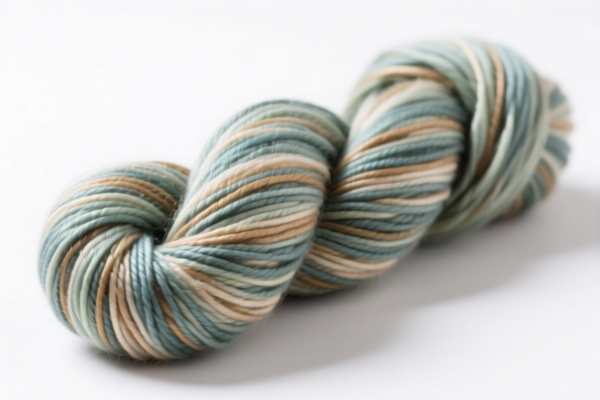
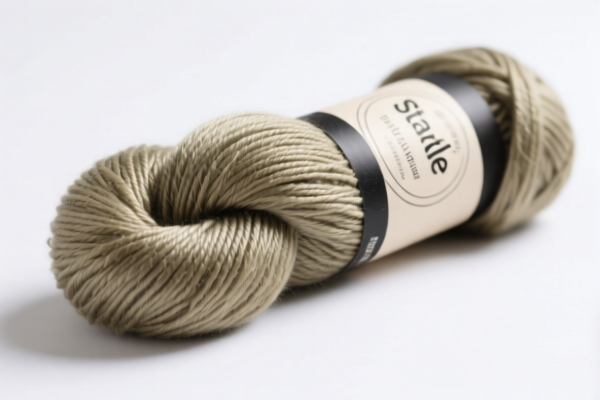
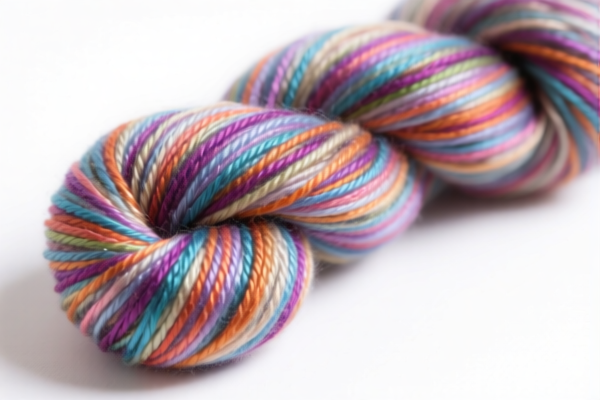
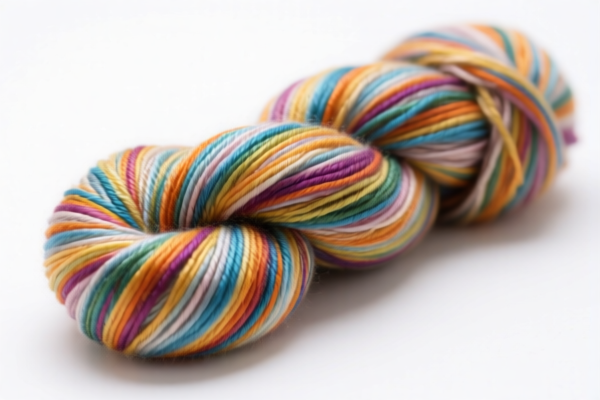
AI Analysis
🧶 Acrylic Short Fiber Yarn (Waste of Man-Made Fibers)
🌐 HS Code Reference & Customs Clearance Guide | 2026 Latest Tariff Analysis | Professional Entry Strategy
📌 I. Product Definition & Classification: What is "Acrylic Short Fiber Yarn" really?
Acrylic Short Fiber Yarn in international trade context (specifically for waste/recycled streams) refers to waste materials derived from acrylic (artificial) fibers. This includes: * Noils: The short fibers combed out during spinning. * Yarn Waste: Broken yarns, stoppages, or off-cuts from manufacturing. * Garnetted Stock: Recycled fiber obtained by tearing apart old knitted or woven goods.
⚠️ Key Distinction:
- If the material is Acrylic (Artificial Polymer) → It falls under HS 5505.20
- If the material is Polyester (Synthetic Polymer) → It falls under HS 5505.10
- Crucial Note: "Acrylic" is technically classified as an Artificial Fiber in HS Code terms, not "Synthetic" (which usually refers to Polyesters, Nylons, etc.). Misclassifying Acrylic as Polyester can lead to significant errors.
📦 II. HS Code Classification Details (2026 Authoritative对照)
| HS Code | Product Description | Origin of Fiber Type | Customs Category |
|---|---|---|---|
5505.20.00.00 |
Waste of Artificial Fibers | Acrylic, Rayon, Cupro, etc. | ✅ Correct for Acrylic |
5505.10.00.40 |
Waste of Synthetic Fibers: Of Polyesters | Polyester, PET, etc. | ❌ Incorrect for Acrylic |
🔍 Important Clarification:
- Acrylic fibers are chemically distinct from polyesters. While both are man-made, HS codes distinguish between Artificial (5505.20) and Synthetic (5505.10).
- Acrylic belongs to 5505.20.00.00.
- Only if the waste is specifically Polyester-based should you use 5505.10.00.40.
💰 III. 2026 Latest Tariff Rate Breakdown (Including Additional Taxes)
✅ Applicable Country: United States (US)
✅ Country of Origin: China (CN)
✅ Effective Date: November 10, 2025 (and subsequent imports)
🎯 1. 5505.20.00.00 — Waste of Artificial Fibers (e.g., Acrylic)
| Item | Content |
|---|---|
| Base Tariff Rate | 0.0% (ad valorem) |
| Section 301 Additional Tariff | +25.0% (USITC Footnote 9903.88.01) |
| Total Tariff Rate | 25.0% |
| Tax Calculation | CIF Value × 25.0% |
| De Minimis Exemption | ❌ Not Eligible (deny_de_minimis) |
| Legal Basis Path | USITC:5505.20.00.00 → FOOTNOTE:9903.88.01 → Section 301: 25% |
📌 Explanation:
- Although the base tariff is 0%, the 25% Section 301 additional duty applies to all Chinese-origin waste of artificial fibers.
- This is a high-cost entry for recycled acrylic materials into the US market.
- No de minimis exemption (below $800) applies due to trade restrictions on textile waste.
🎯 2. 5505.10.00.40 — Waste of Synthetic Fibers: Polyesters (For Comparison)
| Item | Content |
|---|---|
| Base Tariff Rate | 0.0% |
| Section 301 Additional Tariff | +25.0% |
| Total Tariff Rate | 25.0% |
| Tax Calculation | CIF Value × 25.0% |
| De Minimis Exemption | ❌ Not Eligible |
| Legal Basis Path | USITC:5505.10.00.40 → FOOTNOTE:9903.88.01 → Section 301: 25% |
📌 Note:
- If your "Acrylic Short Fiber" is misclassified as Polyester, the tax rate is also 25%.
- However, correct classification is critical for regulatory compliance, even if the tax rate is identical. Incorrect HS codes can lead to audits, fines, or shipment delays.
🛠️ IV. Customs Clearance Practical Advice (Avoiding Pitfalls)
✅ 1. Required Documentation Checklist
| Document | Mandatory? | Description |
|---|---|---|
| ✅ Product Specification Sheet | ✔️ | Must specify fiber type: 100% Acrylic (not generic "man-made"). |
| ✅ Photos of Material | ✔️ | Show texture, color, form (noils, waste, stock). |
| ✅ Commercial Invoice | ✔️ | Clearly state: "Waste of Acrylic (Artificial) Fibers" and HS Code 5505.20.00.00. |
| ✅ Packing List | ✔️ | Detail weight and quantity. |
| ✅ Proof of Origin | ✔️ | Critical for determining if 25% tariff applies. |
✅ 2. Declaration Tips (Key Mantra)
🔥 "Declare Fiber Type, Not Just 'Waste'; Acrylic is Artificial, Not Synthetic!"
| Scenario | Correct Declaration | Common Error |
|---|---|---|
| Pure Acrylic Waste | 5505.20.00.00 - "Waste of Artificial Fibers" |
Using 5505.10 (Polyester) → Misclassification Risk |
| Mixed Fiber Waste | Separate by fiber type if possible; otherwise, use highest duty rate | Lump-sum declaration without breakdown → Seizure Risk |
| Small Shipment (<$800) | Still subject to 25% tariff | Assuming de minimis exemption → Detention & Penalty |
✅ 3. Special Cases
| Case | Handling Advice |
|---|---|
| Mixed Acrylic/Polyester Waste | Do NOT combine. Split into two shipments or declare separately. If mixed, customs may assess the higher rate or demand full analysis. |
| Recycled Yarn vs. Waste | If it's processed into new yarn, it's not "waste" (5505) but potentially a different HTS. Ensure it meets the definition of "waste/noils" (not ready for spinning). |
| Contamination | Waste must be free of non-fiber contaminants (plastic, metal, dirt). Otherwise, it may be classified as "other textile waste" with different duties. |
🌍 V. Global Customs Comparison (2026)
| Country/Region | Recommended HS Code | Duty Rate (China Origin) | Remarks |
|---|---|---|---|
| 🇺🇸 USA | 5505.20.00.00 |
25% (Section 301) | No de minimis. High compliance risk. |
| 🇨🇳 China | 5505.20.00.00 |
0% | Import of waste may have environmental restrictions. |
| 🇪🇺 EU | 5505.20.00 |
~0-5% | Check EU waste shipment regulations (Waste Shipment Regulation). |
| 🇬🇧 UK | 5505.20.00 |
~0-5% | Post-Brexit rules apply. |
📌 Conclusion:
- The US market imposes a 25% tariff on Chinese-origin acrylic waste, regardless of base rate.
- Correct classification as5505.20.00.00is essential to prove it's acrylic (artificial) and not polyester (synthetic), even though the tax rate is the same in this case.
- No de minimis exemption means even small samples pay tax.
📌 VI. Common Mistakes & Pitfalls (Lessons Learned)
❌ Mistake 1: Calling it "Polyester Waste" when it's Acrylic
👉 Consequence: Wrong HS Code (5505.10 vs 5505.20). While tax is same, it shows poor documentation and may trigger audits.
❌ Mistake 2: Assuming small shipments (<$800) are tax-free
👉 Consequence: Section 301 goods are NOT eligible for de minimis. Shipment will be held, and back-taxes + penalties applied.
❌ Mistake 3: Using generic "Textile Waste" description
👉 Consequence: Customs may assign a higher general duty rate if specific HS code cannot be verified.
✅ Correct Practice:
"Waste of Acrylic (Artificial) Fibers, Noils, 100% Acrylic, HS 5505.20.00.00, Origin: China"
🎯 VII. Conclusion: Precise Declaration Saves Money & Time
🎯 Remember the Mantra:
🔹 "Acrylic = Artificial (5505.20)"
🔹 "Polyester = Synthetic (5505.10)"
🔹 "China Origin = 25% Additional Duty"
🔹 "No De Minimis for Section 301 Goods"
📌 Pro Tip:
If you are importing small quantities for testing, consider pre-paying the 25% duty or exploring bonded warehouses to defer payment. For large volumes, consider supply chain diversification (e.g., sourcing from Vietnam or Turkey) to avoid US tariffs entirely.
📣 Immediate Action:
📞 Consult a licensed customs broker.
📄 Ensure your invoice explicitly states "Acrylic (Artificial)" and HS 5505.20.00.00.
🚀 Avoid misclassification to prevent delays and penalties.
✨ Precision in Classification is Key to Smooth Customs Clearance!
💼 Every percent of duty matters — get it right the first time!
Customer Reviews
About HS Code Classification
The Harmonized System (HS) is an internationally standardized nomenclature developed by the World Customs Organization (WCO) to classify traded products. Over 200 countries use the HS system as the basis for customs tariffs, trade statistics, and import/export regulations.
Each HS code follows a hierarchical structure:
- Chapter (2 digits) — Broad category of goods (e.g., Chapter 84: Machinery and Mechanical Appliances)
- Heading (4 digits) — More specific grouping within the chapter
- Subheading (6 digits) — Internationally standardized breakdown, used by all WCO member countries
- National subdivisions (8-10 digits) — Country-specific extensions for further classification, such as US HTSUS 10-digit codes
Correct HS code classification is essential for smooth customs clearance, accurate duty payment, and compliance with trade regulations. Misclassification can lead to customs delays, overpayment of duties, or penalties.
When importing from CN to US, the applicable tariff rates may include:
- Most-Favored-Nation (MFN) rate — The standard duty rate applied to WTO members
- General rate — Applied to countries without trade agreements
- Trade remedy duties — Additional tariffs such as Section 301 (anti-dumping), Section 232 (national security), or countervailing duties
The information provided on this page is for reference purposes only. For official classification, please consult with your local customs authority or a licensed customs broker.