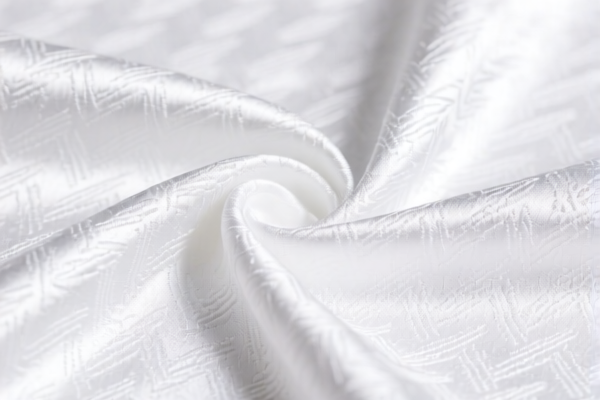
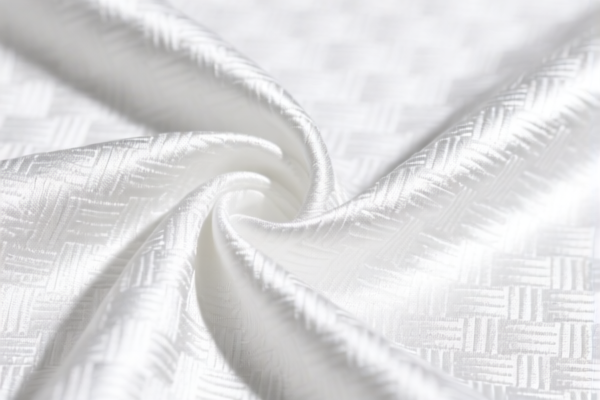
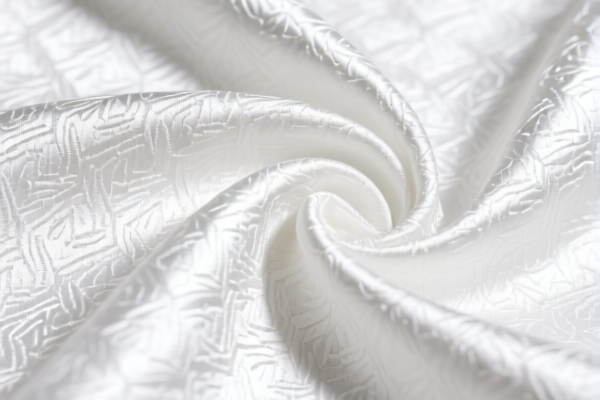
Active Print Satin Woven Fabric for Handcraft
CN → US| HS编码 | 关税税率 | 原产国 | 目的国 | 文档 |
|---|---|---|---|---|
| 5408349050 | 47.0% | CN | US | 官方文档 |
| 5407942050 | 49.9% | CN | US | 官方文档 |
| 5407840040 | 49.9% | CN | US | 官方文档 |
| 5407840040 | 49.9% | CN | US | 官方文档 |
| 5407942050 | 49.9% | CN | US | 官方文档 |
商品图片

AI分析
🧵 Active Print Satin Woven Fabric for Handcraft
🌐 HS Code Reference & Customs Clearance Guide | 2026 Latest Tariff Analysis | Professional Clearance Strategy
📌 Part 1: Product Definition and Classification: Do You Really Understand "Satin Fabric"?
Active Print Satin Woven Fabric, primarily used for handcrafts, is a textile product defined by its material composition, weave structure, and dyeing method. In international trade, it is classified based on three critical factors: 1. Material Composition: Is it 100% synthetic filament? Or a blend with cotton? 2. Weave Structure: It must be Satin Weave (characterized by a glossy surface and drape). 3. Dyeing Method: Specifically Reactive Dye Printing (Active Print).
⚠️ Key Classification Point:
- If the fabric is 100% Synthetic Filament Yarn → It falls under 5408.34.90.50.
- If the fabric is a Synthetic Fiber with Cotton Blend or other synthetic filaments not strictly "100% polyester/nylon filament" under specific subheadings → It often falls under 5407.94.20.50 or 5407.84.00.40.
- The term "Handcraft" indicates the end-use but does not change the fundamental textile classification, which is driven by material and weave.
📦 Part 2: HS Code Classification Details (2026 Latest Tariff Authority)
Based on the provided data, there are three distinct HS Codes depending on the specific material composition of the satin fabric.
| HS Code | Product Description | Material Composition | Weave Structure | Tax Rate (Total) |
|---|---|---|---|---|
5408.34.90.50 |
Satin printed fabric for handcraft (Reactive Print) | 100% Synthetic Filament (Man-made staple/filament woven fabric) | Satin | 47.0% |
5407.94.20.50 |
Satin printed fabric for handcraft (Reactive Print) | Synthetic Fiber Filament (Other synthetic filament woven fabrics) | Satin | 49.9% |
5407.84.00.40 |
Satin printed fabric for handcraft (Reactive Print) | Blend: Synthetic Filament + Cotton | Satin | 49.9% |
🔍 Important Note:
-5408.34.90.50is generally for 100% synthetic filament fabrics (e.g., polyester or nylon satin).
-5407.94.20.50and5407.84.00.40apply to other synthetic filament woven fabrics or blends.
- Crucial: Do not misclassify a 100% synthetic fabric as a blend (5407.84) or vice versa. The material composition must match the customs declaration exactly.
💰 Part 3: 2026 Latest Tariff Rate Details (Including Surtaxes and Policy Add-ons)
✅ Applicable Country: United States (US)
✅ Country of Origin: China (CN)
✅ Effective Time: Current rates apply (Post-2025 adjustments)
🎯 1. 5408.34.90.50 —— 100% Synthetic Filament Satin Fabric (Reactive Print)
| Item | Content |
|---|---|
| Base Tariff | 12.0% |
| Section 301 Surcharge | +25.0% (Additional tariffs under US Trade Law Section 301) |
| Section 122 Tariff | +10.0% (Specific provision tariffs) |
| Total Tariff Rate | 47.0% |
| Tax Calculation | CIF Value × 47.0% |
| De Minimis Eligibility | ❌ Not Eligible (High tariff rate excludes small package exemptions in most practical scenarios) |
| Legal Basis Path | USITC:5408.34.90.50 → Section 301: 25% → Section 122: 10% |
📌 Explanation:
- The 12% is the standard Most Favored Nation (MFN) base rate for this textile category.
- The 25% is the significant Section 301 tariff targeting Chinese textiles.
- The 10% is an additional surcharge under Section 122 (or similar trade remedy provisions depending on current enforcement).
- Total 47% is a high-cost entry point. Profit margins must account for this heavy tax burden.
🎯 2. 5407.94.20.50 & 5407.84.00.40 —— Other Synthetic Satin Fabrics / Blends (Reactive Print)
| Item | Content |
|---|---|
| Base Tariff | 14.9% |
| Section 301 Surcharge | +25.0% |
| Section 122 Tariff | +10.0% |
| Total Tariff Rate | 49.9% |
| Tax Calculation | CIF Value × 49.9% |
| De Minimis Eligibility | ❌ Not Eligible |
| Legal Basis Path | USITC:5407.94.20.50 / 5407.84.00.40 → Section 301: 25% → Section 122: 10% |
📌 Explanation:
- These codes have a slightly higher base rate (14.9%) compared to5408.34.90.50(12.0%).
- The Section 301 (25%) and Section 122 (10%) surcharges remain the same.
- Total 49.9% is the highest tariff bracket in this dataset.
- Warning:5407.84.00.40specifically applies to blends with cotton. If your fabric is 100% synthetic, declaring it as a blend to try a different code is risky and potentially fraudulent. Ensure material composition is accurate.
🛠️ Part 4: Customs Clearance Practical Advice (Avoiding Pitfalls)
✅ 1. Required Documentation Checklist (Essential)
| Document | Required | Notes |
|---|---|---|
| ✅ Product Specification Sheet | ✔️ | Must detail: Material (e.g., 100% Polyester), Weave (Satin), Dyeing (Reactive Print), Width, Weight (GSM). |
| ✅ Commercial Invoice | ✔️ | Clearly state "Active Print Satin Woven Fabric" and HS Code. |
| ✅ Packing List | ✔️ | Include net/gross weight, dimensions, and number of rolls. |
| ✅ Certificate of Origin (CO) | ✔️ | Proof of Chinese origin is critical for calculating 301/122 tariffs. |
| ✅ Fabric Content Test Report | ✔️ | Crucial: Third-party lab report (e.g., SGS, Intertek) confirming fiber composition (e.g., 100% Synthetic vs. Blend). This determines if you use 5408 or 5407. |
| ✅ Photos of Fabric & Labels | ✔️ | Show texture, print pattern, and any manufacturer labels. |
✅ 2. Declaration Tips (Key Strategies)
🔥 "Material First, Weave Second, Print Third!"
| Scenario | Correct Declaration | Incorrect Declaration | Consequence |
|---|---|---|---|
| 100% Polyester Satin | 5408.34.90.50 |
5407.94.20.50 |
Under-declaration Risk: If海关 (Customs) tests and finds 100% synthetic, they may penalize for misclassification or force re-declaration. |
| Polyester/Cotton Blend Satin | 5407.84.00.40 |
5408.34.90.50 |
Over-declaration Risk: If declared as 100% synthetic but is a blend, you may pay less base tax (12% vs 14.9%) but face penalties for false declaration. |
| Non-Satin Weave | Incorrect HS Code | 5408.34.90.50 (Satin) |
Rejection: If the fabric is plain weave or twill, it does not qualify for "Satin" classification. |
✅ 3. Special Considerations
| Issue | Handling Advice |
|---|---|
| Reactive Dye vs. Disperse Dye | The description specifies Active/Reactive Print. If it’s actually Disperse Printed, the classification might change. Ensure the dyeing method is accurate. |
| Handcraft Use | While "for handcraft" is the use, it doesn't create a separate HS Code. It helps justify the product type but doesn't lower tariffs. |
| Small Packages (De Minimis) | Due to the high total tariff (47-50%), these goods are unlikely to qualify for de minimis exemptions in practical customs operations, especially if valued above $800. Always check current thresholds. |
| Pre-Ruling (Advance Ruling) | Highly Recommended. Given the high stakes of 47-50% tariffs, apply for an Advance Ruling from US Customs and Border Protection (CBP) to get a binding classification decision. This avoids surprises at the port. |
🌍 Part 5: Global Market Comparison (2026 Update)
| Country/Region | Recommended HS Code | Total Tariff (China Origin) | Key Certification | Notes |
|---|---|---|---|---|
| 🇺🇸 USA | 5408.34.90.50 or 5407.94.20.50 |
47.0% - 49.9% | None (Textile specific) | Highest tariffs due to 301/122. Cost-sensitive. |
| 🇨🇳 China | 5408.34.90.50 |
12.0% | None | Base rate only. No 301/122. |
| 🇪🇺 EU | 5408.34.90.50 |
~8-10% | REACH, OEKO-TEX | No Section 301/122. Lower than US. |
| 🇬🇧 UK | 5408.34.90.50 |
~8-10% | UKCA, REACH | Similar to EU. |
| 🇯🇵 Japan | 5408.34.90.50 |
~7-8% | JIS | No major surcharges. |
📌 Conclusion:
- USA is the most expensive market for this product due to political tariffs.
- Cost Optimization: If feasible, consider sourcing from non-China origins (e.g., Vietnam, India) to avoid Section 301 and 122 tariffs, potentially reducing rates by 25-35%.
- Profitability Check: With nearly 50% tariff, your FOB price must be very competitive, or your end-product price must absorb the cost.
📌 Part 6: Common Mistakes & Pitfalls (Lessons Learned)
❌ Mistake 1: Misidentifying Material Composition
👉 Result: Declaring a Polyester/Cotton blend as 100% Polyester (5408.34.90.50) to save 2.9% base tax.
👉 Consequence: Customs audit reveals discrepancy → Fine, Delay, and Potential Seizure.
❌ Mistake 2: Ignoring "Satin" Weave Requirement
👉 Result: Declaring a plain weave satin-printed fabric as Satin.
👉 Consequence: Customs may reclassify to a different, potentially higher-tariff or restricted code.
❌ Mistake 3: Assuming "Handcraft" Lowers Tariff
👉 Result: Believing end-use reduces duty.
👉 Consequence: No tariff benefit. The classification is material-based, not use-based for this HS Code.
❌ Mistake 4: Not Testing Fabric Content
👉 Result: Shipping without a lab report.
👉 Consequence: Customs may hold the shipment for sampling and testing → Delays and Storage Fees.
✅ Correct Approach:
"100% Polyester Satin Weave Woven Fabric, Reactive Dye Printed, for Handcraft Use, Width: 150cm, Weight: 120 GSM, Model: ABC123"
🎯 Part 7: Conclusion: Professional Declaration Saves Money!
🎯 Remember the Rule:
🔹 "Material Determines Code, Weave Defines Structure, Tariff Defines Cost."
🔹 "47% to 50% Tax is Heavy. Get an Advance Ruling. Test Your Fabric. Avoid Penalties."
📌 Pro Tip:
- If you are importing large volumes, negotiate with your supplier to include the 47-50% tariff in the price breakdown.
- Consider DDP (Delivered Duty Paid) terms if you are unfamiliar with US customs, but verify the forwarder’s tariff accuracy.
- Pre-Ruling: Spend a few hundred dollars on an Advance Ruling to lock in the correct HS Code and avoid thousands in potential errors.
📣 Immediate Action:
📞 Consult a Customs Broker
📄 Provide Material Test Reports
📝 Apply for CBP Advance Ruling
🚀 Ensure Smooth Clearance, Control Costs, and Protect Margins!
✨ Precision in Classification, Profit in Clearance!
💼 Your Fabric’s Journey Starts with the Right HS Code!
用户评价
关于 HS 编码归类
协调制度(HS)是由世界海关组织(WCO)制定的国际贸易商品分类标准。全球 200 多个国家采用 HS 系统作为海关关税、贸易统计和进出口监管的基础。
每个 HS 编码遵循以下层级结构:
- 章(2 位)——商品大类(例如:第 84 章:机器和机械设备)
- 品目(4 位)——章内的更具体分类
- 子目(6 位)——国际通用细分,所有 WCO 成员国统一使用
- 本国细分(8-10 位)——各国自行扩展的细分编码,如美国 HTSUS 10 位编码
正确的 HS 编码归类对于顺利通关、准确缴纳关税和遵守贸易法规至关重要。错误归类可能导致海关延误、多缴关税或罚款。
从CN进口到US时,适用的关税税率可能包括:
- 最惠国(MFN)税率——适用于 WTO 成员国的标准关税税率
- 普通税率——适用于无贸易协定国家
- 贸易救济关税——附加关税,如 301 条款(反倾销)、232 条款(国家安全)或反补贴税
本页内容仅供参考。如需正式归类,请咨询当地海关或持牌报关代理。