Active Print Satin Woven Fabric for Handcraft
CN → US| HS Code | Tariff Rate | Origin | Destination | Doc |
|---|---|---|---|---|
| 5408349050 | 47.0% | CN | US | Official Doc |
| 5407942050 | 49.9% | CN | US | Official Doc |
| 5407840040 | 49.9% | CN | US | Official Doc |
| 5407840040 | 49.9% | CN | US | Official Doc |
| 5407942050 | 49.9% | CN | US | Official Doc |
Product Images
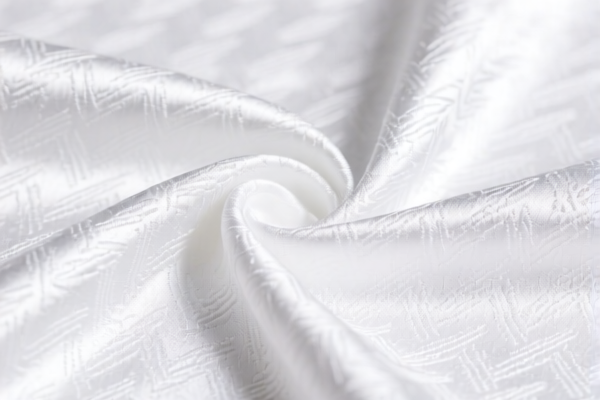
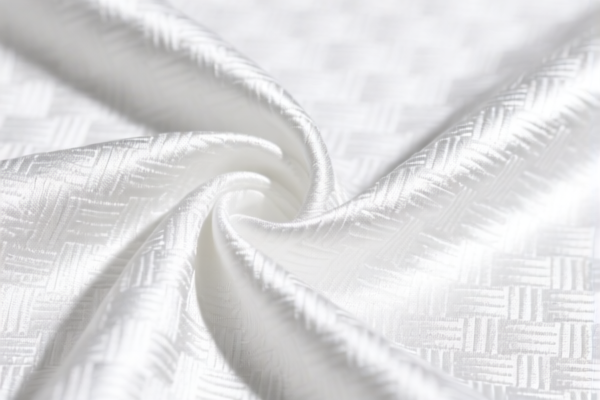
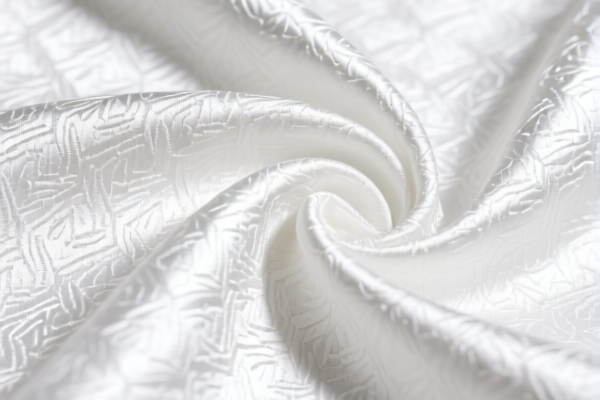

AI Analysis
🧵 Active Print Satin Woven Fabric for Handcraft
🌐 HS Code Reference & Customs Clearance Guide | 2026 Latest Tariff Analysis | Professional Clearance Strategy
📌 Part 1: Product Definition and Classification: Do You Really Understand "Satin Fabric"?
Active Print Satin Woven Fabric, primarily used for handcrafts, is a textile product defined by its material composition, weave structure, and dyeing method. In international trade, it is classified based on three critical factors: 1. Material Composition: Is it 100% synthetic filament? Or a blend with cotton? 2. Weave Structure: It must be Satin Weave (characterized by a glossy surface and drape). 3. Dyeing Method: Specifically Reactive Dye Printing (Active Print).
⚠️ Key Classification Point:
- If the fabric is 100% Synthetic Filament Yarn → It falls under 5408.34.90.50.
- If the fabric is a Synthetic Fiber with Cotton Blend or other synthetic filaments not strictly "100% polyester/nylon filament" under specific subheadings → It often falls under 5407.94.20.50 or 5407.84.00.40.
- The term "Handcraft" indicates the end-use but does not change the fundamental textile classification, which is driven by material and weave.
📦 Part 2: HS Code Classification Details (2026 Latest Tariff Authority)
Based on the provided data, there are three distinct HS Codes depending on the specific material composition of the satin fabric.
| HS Code | Product Description | Material Composition | Weave Structure | Tax Rate (Total) |
|---|---|---|---|---|
5408.34.90.50 |
Satin printed fabric for handcraft (Reactive Print) | 100% Synthetic Filament (Man-made staple/filament woven fabric) | Satin | 47.0% |
5407.94.20.50 |
Satin printed fabric for handcraft (Reactive Print) | Synthetic Fiber Filament (Other synthetic filament woven fabrics) | Satin | 49.9% |
5407.84.00.40 |
Satin printed fabric for handcraft (Reactive Print) | Blend: Synthetic Filament + Cotton | Satin | 49.9% |
🔍 Important Note:
-5408.34.90.50is generally for 100% synthetic filament fabrics (e.g., polyester or nylon satin).
-5407.94.20.50and5407.84.00.40apply to other synthetic filament woven fabrics or blends.
- Crucial: Do not misclassify a 100% synthetic fabric as a blend (5407.84) or vice versa. The material composition must match the customs declaration exactly.
💰 Part 3: 2026 Latest Tariff Rate Details (Including Surtaxes and Policy Add-ons)
✅ Applicable Country: United States (US)
✅ Country of Origin: China (CN)
✅ Effective Time: Current rates apply (Post-2025 adjustments)
🎯 1. 5408.34.90.50 —— 100% Synthetic Filament Satin Fabric (Reactive Print)
| Item | Content |
|---|---|
| Base Tariff | 12.0% |
| Section 301 Surcharge | +25.0% (Additional tariffs under US Trade Law Section 301) |
| Section 122 Tariff | +10.0% (Specific provision tariffs) |
| Total Tariff Rate | 47.0% |
| Tax Calculation | CIF Value × 47.0% |
| De Minimis Eligibility | ❌ Not Eligible (High tariff rate excludes small package exemptions in most practical scenarios) |
| Legal Basis Path | USITC:5408.34.90.50 → Section 301: 25% → Section 122: 10% |
📌 Explanation:
- The 12% is the standard Most Favored Nation (MFN) base rate for this textile category.
- The 25% is the significant Section 301 tariff targeting Chinese textiles.
- The 10% is an additional surcharge under Section 122 (or similar trade remedy provisions depending on current enforcement).
- Total 47% is a high-cost entry point. Profit margins must account for this heavy tax burden.
🎯 2. 5407.94.20.50 & 5407.84.00.40 —— Other Synthetic Satin Fabrics / Blends (Reactive Print)
| Item | Content |
|---|---|
| Base Tariff | 14.9% |
| Section 301 Surcharge | +25.0% |
| Section 122 Tariff | +10.0% |
| Total Tariff Rate | 49.9% |
| Tax Calculation | CIF Value × 49.9% |
| De Minimis Eligibility | ❌ Not Eligible |
| Legal Basis Path | USITC:5407.94.20.50 / 5407.84.00.40 → Section 301: 25% → Section 122: 10% |
📌 Explanation:
- These codes have a slightly higher base rate (14.9%) compared to5408.34.90.50(12.0%).
- The Section 301 (25%) and Section 122 (10%) surcharges remain the same.
- Total 49.9% is the highest tariff bracket in this dataset.
- Warning:5407.84.00.40specifically applies to blends with cotton. If your fabric is 100% synthetic, declaring it as a blend to try a different code is risky and potentially fraudulent. Ensure material composition is accurate.
🛠️ Part 4: Customs Clearance Practical Advice (Avoiding Pitfalls)
✅ 1. Required Documentation Checklist (Essential)
| Document | Required | Notes |
|---|---|---|
| ✅ Product Specification Sheet | ✔️ | Must detail: Material (e.g., 100% Polyester), Weave (Satin), Dyeing (Reactive Print), Width, Weight (GSM). |
| ✅ Commercial Invoice | ✔️ | Clearly state "Active Print Satin Woven Fabric" and HS Code. |
| ✅ Packing List | ✔️ | Include net/gross weight, dimensions, and number of rolls. |
| ✅ Certificate of Origin (CO) | ✔️ | Proof of Chinese origin is critical for calculating 301/122 tariffs. |
| ✅ Fabric Content Test Report | ✔️ | Crucial: Third-party lab report (e.g., SGS, Intertek) confirming fiber composition (e.g., 100% Synthetic vs. Blend). This determines if you use 5408 or 5407. |
| ✅ Photos of Fabric & Labels | ✔️ | Show texture, print pattern, and any manufacturer labels. |
✅ 2. Declaration Tips (Key Strategies)
🔥 "Material First, Weave Second, Print Third!"
| Scenario | Correct Declaration | Incorrect Declaration | Consequence |
|---|---|---|---|
| 100% Polyester Satin | 5408.34.90.50 |
5407.94.20.50 |
Under-declaration Risk: If海关 (Customs) tests and finds 100% synthetic, they may penalize for misclassification or force re-declaration. |
| Polyester/Cotton Blend Satin | 5407.84.00.40 |
5408.34.90.50 |
Over-declaration Risk: If declared as 100% synthetic but is a blend, you may pay less base tax (12% vs 14.9%) but face penalties for false declaration. |
| Non-Satin Weave | Incorrect HS Code | 5408.34.90.50 (Satin) |
Rejection: If the fabric is plain weave or twill, it does not qualify for "Satin" classification. |
✅ 3. Special Considerations
| Issue | Handling Advice |
|---|---|
| Reactive Dye vs. Disperse Dye | The description specifies Active/Reactive Print. If it’s actually Disperse Printed, the classification might change. Ensure the dyeing method is accurate. |
| Handcraft Use | While "for handcraft" is the use, it doesn't create a separate HS Code. It helps justify the product type but doesn't lower tariffs. |
| Small Packages (De Minimis) | Due to the high total tariff (47-50%), these goods are unlikely to qualify for de minimis exemptions in practical customs operations, especially if valued above $800. Always check current thresholds. |
| Pre-Ruling (Advance Ruling) | Highly Recommended. Given the high stakes of 47-50% tariffs, apply for an Advance Ruling from US Customs and Border Protection (CBP) to get a binding classification decision. This avoids surprises at the port. |
🌍 Part 5: Global Market Comparison (2026 Update)
| Country/Region | Recommended HS Code | Total Tariff (China Origin) | Key Certification | Notes |
|---|---|---|---|---|
| 🇺🇸 USA | 5408.34.90.50 or 5407.94.20.50 |
47.0% - 49.9% | None (Textile specific) | Highest tariffs due to 301/122. Cost-sensitive. |
| 🇨🇳 China | 5408.34.90.50 |
12.0% | None | Base rate only. No 301/122. |
| 🇪🇺 EU | 5408.34.90.50 |
~8-10% | REACH, OEKO-TEX | No Section 301/122. Lower than US. |
| 🇬🇧 UK | 5408.34.90.50 |
~8-10% | UKCA, REACH | Similar to EU. |
| 🇯🇵 Japan | 5408.34.90.50 |
~7-8% | JIS | No major surcharges. |
📌 Conclusion:
- USA is the most expensive market for this product due to political tariffs.
- Cost Optimization: If feasible, consider sourcing from non-China origins (e.g., Vietnam, India) to avoid Section 301 and 122 tariffs, potentially reducing rates by 25-35%.
- Profitability Check: With nearly 50% tariff, your FOB price must be very competitive, or your end-product price must absorb the cost.
📌 Part 6: Common Mistakes & Pitfalls (Lessons Learned)
❌ Mistake 1: Misidentifying Material Composition
👉 Result: Declaring a Polyester/Cotton blend as 100% Polyester (5408.34.90.50) to save 2.9% base tax.
👉 Consequence: Customs audit reveals discrepancy → Fine, Delay, and Potential Seizure.
❌ Mistake 2: Ignoring "Satin" Weave Requirement
👉 Result: Declaring a plain weave satin-printed fabric as Satin.
👉 Consequence: Customs may reclassify to a different, potentially higher-tariff or restricted code.
❌ Mistake 3: Assuming "Handcraft" Lowers Tariff
👉 Result: Believing end-use reduces duty.
👉 Consequence: No tariff benefit. The classification is material-based, not use-based for this HS Code.
❌ Mistake 4: Not Testing Fabric Content
👉 Result: Shipping without a lab report.
👉 Consequence: Customs may hold the shipment for sampling and testing → Delays and Storage Fees.
✅ Correct Approach:
"100% Polyester Satin Weave Woven Fabric, Reactive Dye Printed, for Handcraft Use, Width: 150cm, Weight: 120 GSM, Model: ABC123"
🎯 Part 7: Conclusion: Professional Declaration Saves Money!
🎯 Remember the Rule:
🔹 "Material Determines Code, Weave Defines Structure, Tariff Defines Cost."
🔹 "47% to 50% Tax is Heavy. Get an Advance Ruling. Test Your Fabric. Avoid Penalties."
📌 Pro Tip:
- If you are importing large volumes, negotiate with your supplier to include the 47-50% tariff in the price breakdown.
- Consider DDP (Delivered Duty Paid) terms if you are unfamiliar with US customs, but verify the forwarder’s tariff accuracy.
- Pre-Ruling: Spend a few hundred dollars on an Advance Ruling to lock in the correct HS Code and avoid thousands in potential errors.
📣 Immediate Action:
📞 Consult a Customs Broker
📄 Provide Material Test Reports
📝 Apply for CBP Advance Ruling
🚀 Ensure Smooth Clearance, Control Costs, and Protect Margins!
✨ Precision in Classification, Profit in Clearance!
💼 Your Fabric’s Journey Starts with the Right HS Code!
Customer Reviews
About HS Code Classification
The Harmonized System (HS) is an internationally standardized nomenclature developed by the World Customs Organization (WCO) to classify traded products. Over 200 countries use the HS system as the basis for customs tariffs, trade statistics, and import/export regulations.
Each HS code follows a hierarchical structure:
- Chapter (2 digits) — Broad category of goods (e.g., Chapter 84: Machinery and Mechanical Appliances)
- Heading (4 digits) — More specific grouping within the chapter
- Subheading (6 digits) — Internationally standardized breakdown, used by all WCO member countries
- National subdivisions (8-10 digits) — Country-specific extensions for further classification, such as US HTSUS 10-digit codes
Correct HS code classification is essential for smooth customs clearance, accurate duty payment, and compliance with trade regulations. Misclassification can lead to customs delays, overpayment of duties, or penalties.
When importing from CN to US, the applicable tariff rates may include:
- Most-Favored-Nation (MFN) rate — The standard duty rate applied to WTO members
- General rate — Applied to countries without trade agreements
- Trade remedy duties — Additional tariffs such as Section 301 (anti-dumping), Section 232 (national security), or countervailing duties
The information provided on this page is for reference purposes only. For official classification, please consult with your local customs authority or a licensed customs broker.