Adhesive Velvet Fabric
CN → US| HS编码 | 关税税率 | 原产国 | 目的国 | 文档 |
|---|---|---|---|---|
| 5903102010 | 35.0% | CN | US | 官方文档 |
| 5903102090 | 35.0% | CN | US | 官方文档 |
商品图片
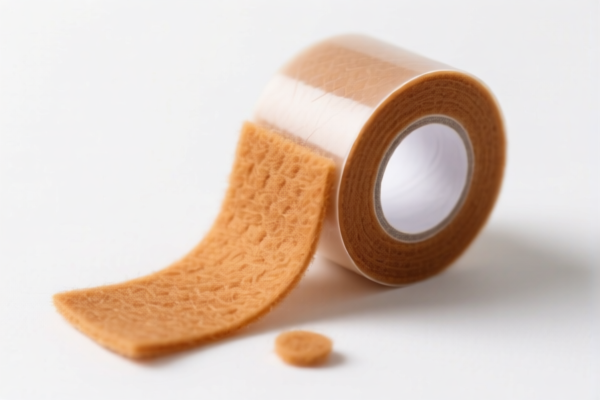
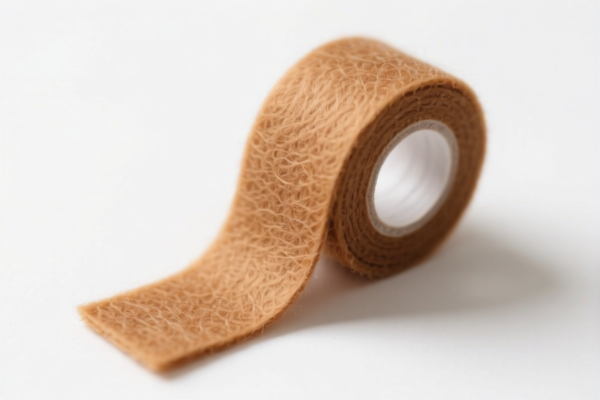
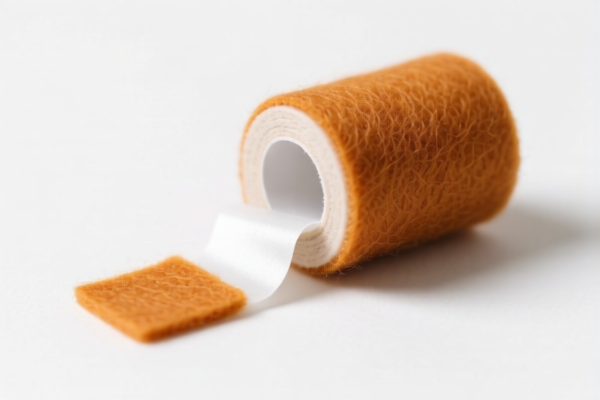
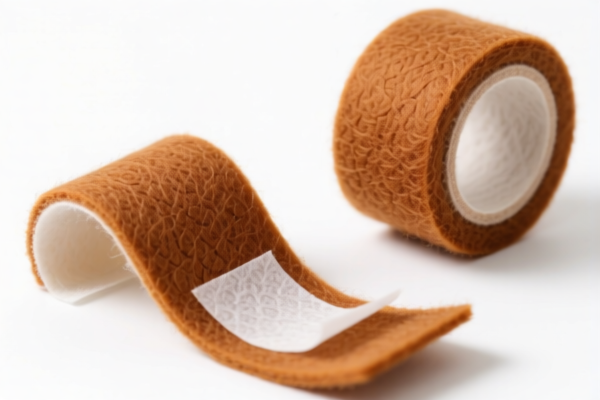
AI分析
🧵 Adhesive Velvet Fabric (Textile Fabrics Impregnated, Coated, Covered or Laminated with Plastics: With Poly(vinyl Chloride): Of Man-made Fibers)
🌐 HS Code Reference & Customs Clearance Guide | 2026 Latest Tariff Analysis | Professional Clearance Strategy
📌 I. Product Definition & Classification: What is "Adhesive Velvet Fabric"?
Adhesive Velvet Fabric refers to a textile fabric where the base material (typically man-made fibers such as polyester or nylon) is impregnated, coated, covered, or laminated with Poly(vinyl Chloride) (PVC). The term "adhesive" in this context implies a functional bonding layer or a PVC coating that provides stickiness, waterproofing, or structural integrity, distinguishing it from plain woven or knitted velvet.
In international trade, this product falls under Chapter 59: Textile Impregnated, Coated, Covered or Laminated Textile Fabrics; Industrial Textile Products. It is not classified as a standard textile (Chapter 50-55) nor as simple plastic sheets (Chapter 39), but as a composite material.
⚠️ Key Distinction:
- If the fabric contains >70% by weight of rubber or plastics (PVC), it is strictly classified under Heading 5903.
- If it is merely "sheathed" with PVC for yarn protection but not impregnated/coated/laminated as a fabric, it might fall under different sub-headings, but the provided DATA specifies impregnated/coated/laminated.
- Material Composition: The base must be man-made fibers (synthetic). If it were cotton, it would fall under a different heading (5903.20).
📦 II. HS Code Classification Details (2026 Latest Tariff Authority)
Based on the provided <DATA>, there are two specific HS Codes for this product, differentiated by the level of detail or sub-category within "Other".
| HS Code | Product Description | Key Characteristics | Tariff Rate (Total) |
|---|---|---|---|
| 5903.10.20.10 | Textile fabrics impregnated, coated, covered or laminated with plastics, other than those of heading 5902: With poly(vinyl chloride): Of man-made fibers: Other: Over 70 percent by weight of rubber or plastics Fabrics, of yarns sheathed with poly(vinyl chloride), not otherwise impregnated, coated, covered or laminated | • Base: Man-made fibers • Coating: PVC • Plastic Content: >70% by weight • Specific condition: Yarns sheathed with PVC |
25.0% |
| 5903.10.20.90 | Textile fabrics impregnated, coated, covered or laminated with plastics, other than those of heading 5902: With poly(vinyl chloride): Of man-made fibers: Other: Over 70 percent by weight of rubber or plastics Other | • Base: Man-made fibers • Coating: PVC • Plastic Content: >70% by weight • Category: "Other" (Generic/Residual category for PVC-coated velvet) |
25.0% |
🔍 Critical Analysis:
- Both codes carry a 25% Total Tax Rate.
- The primary differentiator is the specific description: 5903.10.20.10 is highly specific to fabrics where yarns are sheathed with PVC or meet the >70% weight criterion in a specific sub-case, while 5903.10.20.90 is the catch-all "Other" category for similar PVC-coated man-made fiber fabrics.
- Commonality: Both require >70% plastic/rubber content to fall under this specific sub-heading. If the plastic content is ≤70%, a different HS code (likely 5903.10.10 or similar depending on total weight) would apply, but that is outside the scope of the provided DATA.
💰 III. 2026 Latest Tariff Rate Details (Including Additional Taxes)
✅ Applicable Country: United States (US)
✅ Origin: China (CN) (Assumed based on standard 25% + 0% structure in data)
✅ Effective Time: As per current USITC rules
🎯 1. 5903.10.20.10 & 5903.10.20.90 — PVC-Coated Man-Made Fiber Velvet
| Item | Content |
|---|---|
| Base Tariff Rate | 0.0% (Ad Valorem) |
| Section 301 Additional Tariff | +25.0% |
| Total Tariff Rate | 25.0% |
| Tax Calculation Basis | CIF Value (Cost, Insurance, Freight) × 25% |
| De Minimis Exemption | ❌ Not Eligible (Section 301 tariffs generally apply to all imports regardless of value, though small parcels may be processed differently, the tariff liability remains). |
| Legal Authority Path | USITC:5903.10.20.10/90 → Section 301: HTS 5903.10.20 → Trade Representative: List 4A |
📌 Explanation:
- The 0% base rate reflects the general most-favored-nation (MFN) tariff for this specific composite fabric.
- The 25% additional tariff is the result of the Section 301 trade actions against Chinese goods. This is a mandatory surcharge and is not offset by any other trade agreement.
- Total Cost Impact: For every $10,000 CIF value, you must pay $2,500 in customs duties.
🛠️ IV. Customs Clearance Practical Advice (Combat Pitfalls Guide)
✅ 1. Required Documentation Checklist (No Exceptions)
| Document | Must Provide? | Purpose |
|---|---|---|
| ✅ Product Specification Sheet | ✔️ | Must explicitly state: Base Fiber Type (Man-made, e.g., Polyester), Coating Material (PVC), and Coating Weight/Percentage (Confirm >70% plastic weight to justify HS 5903.10). |
| ✅ Material Composition Breakdown | ✔️ | A laboratory test report proving the PVC content is >70% by weight. This is crucial for correct classification. |
| ✅ Commercial Invoice | ✔️ | Description must read: "PVC Coated Man-Made Fiber Velvet Fabric, Plastic Content >70%" |
| ✅ Bill of Lading / Air Waybill | ✔️ | Standard shipping documents. |
| ✅ Customs Ruling Letter (Optional but Recommended) | ✔️ | If this is a new product, obtain an Advance Ruling to lock in the HS code and avoid post-audit penalties. |
✅ 2. Classification Strategy (Key Tips)
🔥 “Weight Matters, PVC Defines, Man-Made is Key!”
| Scenario | Correct Classification | Incorrect Classification | Consequence of Error |
|---|---|---|---|
| PVC content >70% by weight | 5903.10.20.10 or .90 | 5903.10.10 (If <70% PVC) | Under-declaration: Risk of 25% back-tariff + penalties. |
| Base fabric is Cotton | 5903.20.xxxx | 5903.10.xxxx | Wrong Chapter: Different tariff rate, potential misclassification. |
| Base fabric is Natural Silk | 5903.10 or other (Check specific heading) | 5903.10.20 (Only for Man-made) | Incorrect Sub-heading: May lead to different duty rates or restrictions. |
| Uncoated Velvet | 5407/5514/etc. | 5903.10 | Wrong Chapter: Significant duty difference (often lower base rate but no 301 tax? Check specific HTS). |
✅ 3. Special Handling for "Adhesive" Claims
- Clarify "Adhesive": In customs terminology, "adhesive" is not a standard descriptive term for HS classification. It must be translated to PVC Coating/Lamination.
- Avoid "Glue" or "Sticky": Use technical terms: "Polymer-coated", "PVC-impregnated", "Plastic-laminated textile".
- Weight Verification: If the PVC content is exactly or barely above 70%, ensure your lab report is recent and from an accredited laboratory. Customs may challenge the weight percentage.
🌍 V. Global Market Clearance Comparison (2026 Latest)
| Country/Region | Recommended HS Code | Tariff Rate (China Origin) | Certification/Notes |
|---|---|---|---|
| 🇺🇸 USA | 5903.10.20.10 / .90 |
25.0% (Total) | Section 301 applies. No de minimis exemption. |
| 🇨🇳 China (Export) | 5903.10.20 |
0% (Export Duty) | Check for export license requirements if high-value. |
| 🇪🇺 EU | 5903.10.20 |
4% (Standard) | No Section 301 equivalent. VAT applies separately. |
| 🇬🇧 UK | 5903.10.20 |
4% (Standard) | Post-Brexit tariff. No US-style additional taxes. |
| 🇦🇺 Australia | 5903.10.20 |
5% | GSP may apply if originating from eligible countries (not China). |
📌 Conclusion:
- USA is the highest-cost market due to the 25% Section 301 tariff.
- EU and UK are more favorable with standard 4-5% rates.
- Supplier Strategy: If importing into the US, consider sourcing from non-China countries (e.g., Vietnam, India) to potentially avoid the 25% surcharge, provided the product rules of origin are met.
📌 VI. Common Errors & Pitfalls (Lessons Learned)
❌ Error 1: Classifying as "General PVC Sheet" (Heading 39)
👉 Consequence: Wrong chapter. Textiles impregnated with plastics stay in Chapter 59. Misclassification can lead to higher duties or rejection.
❌ Error 2: Ignoring the "Man-Made Fiber" requirement
👉 Consequence: If the velvet is cotton-based, it falls under 5903.20, not 5903.10. While the rate might be similar, the code is wrong, leading to compliance issues.
❌ Error 3: Not declaring Plastic Weight Percentage
👉 Consequence: Customs may assume a lower plastic content, leading to incorrect tariff application or requests for additional documentation, causing delays.
❌ Error 4: Using "Adhesive Fabric" as the Description
👉 Consequence: Customs officers may not understand the technical nature. Use "PVC-Coated Man-Made Fiber Textile" for clarity.
✅ Correct Practice:
"PVC-Coated Polyester Velvet Fabric, Plastic Content 75% by Weight, HS Code 5903.10.20.10, Subject to 25% Section 301 Tariff"
🎯 VII. Conclusion: Professional Declaration, Cost Control, Compliance
🎯 Remember the Golden Rules:
🔹 “PVC >70%? Code 5903.10.20.!”
🔹 “Man-Made Base? Don’t forget the 25% Section 301 Tax!”
🔹 “Adhesive = PVC Coating in Customs Speak!”
📌 Pro Tip:
If your velvet fabric is imported from Vietnam or Thailand and meets the Rule of Origin requirements, you may avoid the 25% Section 301 tariff, reducing your total duty to 0% (base rate).
Recommendation: Conduct a supply chain audit and consider pre-classification rulings if volume is high.
📣 Immediate Action:
📞 Consult a Customs Broker + Provide Lab Reports on Plastic Weight + Verify Origin
🚀 Ensure Smooth Clearance, Minimize Tariff Burden, and Maximize Profit Margins!
✨ Professional Clearance, Starting with Accurate Classification!
💼 Every Dollar of Duty Saved is a Dollar of Profit Gained!
用户评价
关于 HS 编码归类
协调制度(HS)是由世界海关组织(WCO)制定的国际贸易商品分类标准。全球 200 多个国家采用 HS 系统作为海关关税、贸易统计和进出口监管的基础。
每个 HS 编码遵循以下层级结构:
- 章(2 位)——商品大类(例如:第 84 章:机器和机械设备)
- 品目(4 位)——章内的更具体分类
- 子目(6 位)——国际通用细分,所有 WCO 成员国统一使用
- 本国细分(8-10 位)——各国自行扩展的细分编码,如美国 HTSUS 10 位编码
正确的 HS 编码归类对于顺利通关、准确缴纳关税和遵守贸易法规至关重要。错误归类可能导致海关延误、多缴关税或罚款。
从CN进口到US时,适用的关税税率可能包括:
- 最惠国(MFN)税率——适用于 WTO 成员国的标准关税税率
- 普通税率——适用于无贸易协定国家
- 贸易救济关税——附加关税,如 301 条款(反倾销)、232 条款(国家安全)或反补贴税
本页内容仅供参考。如需正式归类,请咨询当地海关或持牌报关代理。