Adhesive Velvet Fabric
CN → US| HS Code | Tariff Rate | Origin | Destination | Doc |
|---|---|---|---|---|
| 5903102010 | 35.0% | CN | US | Official Doc |
| 5903102090 | 35.0% | CN | US | Official Doc |
Product Images
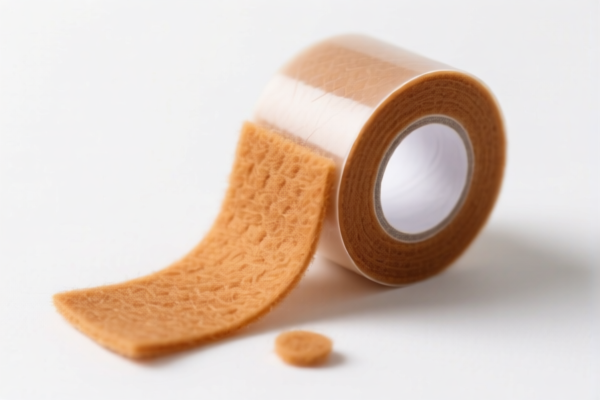
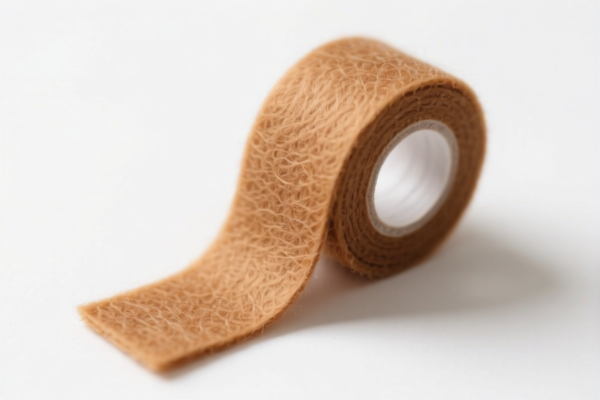
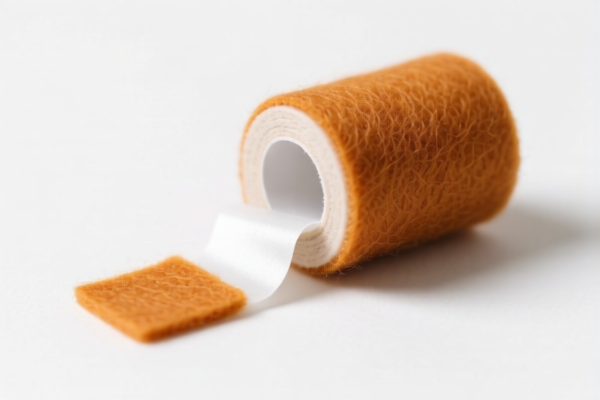
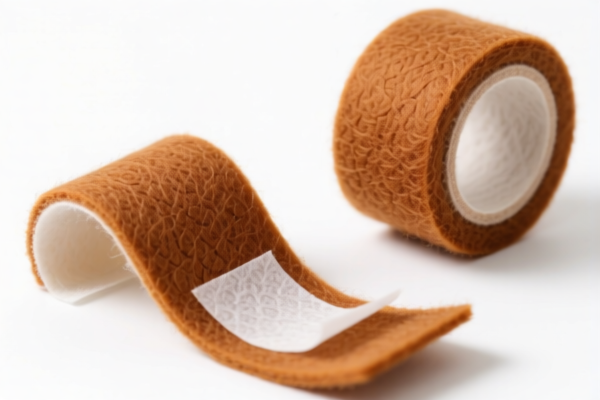
AI Analysis
🧵 Adhesive Velvet Fabric (Textile Fabrics Impregnated, Coated, Covered or Laminated with Plastics: With Poly(vinyl Chloride): Of Man-made Fibers)
🌐 HS Code Reference & Customs Clearance Guide | 2026 Latest Tariff Analysis | Professional Clearance Strategy
📌 I. Product Definition & Classification: What is "Adhesive Velvet Fabric"?
Adhesive Velvet Fabric refers to a textile fabric where the base material (typically man-made fibers such as polyester or nylon) is impregnated, coated, covered, or laminated with Poly(vinyl Chloride) (PVC). The term "adhesive" in this context implies a functional bonding layer or a PVC coating that provides stickiness, waterproofing, or structural integrity, distinguishing it from plain woven or knitted velvet.
In international trade, this product falls under Chapter 59: Textile Impregnated, Coated, Covered or Laminated Textile Fabrics; Industrial Textile Products. It is not classified as a standard textile (Chapter 50-55) nor as simple plastic sheets (Chapter 39), but as a composite material.
⚠️ Key Distinction:
- If the fabric contains >70% by weight of rubber or plastics (PVC), it is strictly classified under Heading 5903.
- If it is merely "sheathed" with PVC for yarn protection but not impregnated/coated/laminated as a fabric, it might fall under different sub-headings, but the provided DATA specifies impregnated/coated/laminated.
- Material Composition: The base must be man-made fibers (synthetic). If it were cotton, it would fall under a different heading (5903.20).
📦 II. HS Code Classification Details (2026 Latest Tariff Authority)
Based on the provided <DATA>, there are two specific HS Codes for this product, differentiated by the level of detail or sub-category within "Other".
| HS Code | Product Description | Key Characteristics | Tariff Rate (Total) |
|---|---|---|---|
| 5903.10.20.10 | Textile fabrics impregnated, coated, covered or laminated with plastics, other than those of heading 5902: With poly(vinyl chloride): Of man-made fibers: Other: Over 70 percent by weight of rubber or plastics Fabrics, of yarns sheathed with poly(vinyl chloride), not otherwise impregnated, coated, covered or laminated | • Base: Man-made fibers • Coating: PVC • Plastic Content: >70% by weight • Specific condition: Yarns sheathed with PVC |
25.0% |
| 5903.10.20.90 | Textile fabrics impregnated, coated, covered or laminated with plastics, other than those of heading 5902: With poly(vinyl chloride): Of man-made fibers: Other: Over 70 percent by weight of rubber or plastics Other | • Base: Man-made fibers • Coating: PVC • Plastic Content: >70% by weight • Category: "Other" (Generic/Residual category for PVC-coated velvet) |
25.0% |
🔍 Critical Analysis:
- Both codes carry a 25% Total Tax Rate.
- The primary differentiator is the specific description: 5903.10.20.10 is highly specific to fabrics where yarns are sheathed with PVC or meet the >70% weight criterion in a specific sub-case, while 5903.10.20.90 is the catch-all "Other" category for similar PVC-coated man-made fiber fabrics.
- Commonality: Both require >70% plastic/rubber content to fall under this specific sub-heading. If the plastic content is ≤70%, a different HS code (likely 5903.10.10 or similar depending on total weight) would apply, but that is outside the scope of the provided DATA.
💰 III. 2026 Latest Tariff Rate Details (Including Additional Taxes)
✅ Applicable Country: United States (US)
✅ Origin: China (CN) (Assumed based on standard 25% + 0% structure in data)
✅ Effective Time: As per current USITC rules
🎯 1. 5903.10.20.10 & 5903.10.20.90 — PVC-Coated Man-Made Fiber Velvet
| Item | Content |
|---|---|
| Base Tariff Rate | 0.0% (Ad Valorem) |
| Section 301 Additional Tariff | +25.0% |
| Total Tariff Rate | 25.0% |
| Tax Calculation Basis | CIF Value (Cost, Insurance, Freight) × 25% |
| De Minimis Exemption | ❌ Not Eligible (Section 301 tariffs generally apply to all imports regardless of value, though small parcels may be processed differently, the tariff liability remains). |
| Legal Authority Path | USITC:5903.10.20.10/90 → Section 301: HTS 5903.10.20 → Trade Representative: List 4A |
📌 Explanation:
- The 0% base rate reflects the general most-favored-nation (MFN) tariff for this specific composite fabric.
- The 25% additional tariff is the result of the Section 301 trade actions against Chinese goods. This is a mandatory surcharge and is not offset by any other trade agreement.
- Total Cost Impact: For every $10,000 CIF value, you must pay $2,500 in customs duties.
🛠️ IV. Customs Clearance Practical Advice (Combat Pitfalls Guide)
✅ 1. Required Documentation Checklist (No Exceptions)
| Document | Must Provide? | Purpose |
|---|---|---|
| ✅ Product Specification Sheet | ✔️ | Must explicitly state: Base Fiber Type (Man-made, e.g., Polyester), Coating Material (PVC), and Coating Weight/Percentage (Confirm >70% plastic weight to justify HS 5903.10). |
| ✅ Material Composition Breakdown | ✔️ | A laboratory test report proving the PVC content is >70% by weight. This is crucial for correct classification. |
| ✅ Commercial Invoice | ✔️ | Description must read: "PVC Coated Man-Made Fiber Velvet Fabric, Plastic Content >70%" |
| ✅ Bill of Lading / Air Waybill | ✔️ | Standard shipping documents. |
| ✅ Customs Ruling Letter (Optional but Recommended) | ✔️ | If this is a new product, obtain an Advance Ruling to lock in the HS code and avoid post-audit penalties. |
✅ 2. Classification Strategy (Key Tips)
🔥 “Weight Matters, PVC Defines, Man-Made is Key!”
| Scenario | Correct Classification | Incorrect Classification | Consequence of Error |
|---|---|---|---|
| PVC content >70% by weight | 5903.10.20.10 or .90 | 5903.10.10 (If <70% PVC) | Under-declaration: Risk of 25% back-tariff + penalties. |
| Base fabric is Cotton | 5903.20.xxxx | 5903.10.xxxx | Wrong Chapter: Different tariff rate, potential misclassification. |
| Base fabric is Natural Silk | 5903.10 or other (Check specific heading) | 5903.10.20 (Only for Man-made) | Incorrect Sub-heading: May lead to different duty rates or restrictions. |
| Uncoated Velvet | 5407/5514/etc. | 5903.10 | Wrong Chapter: Significant duty difference (often lower base rate but no 301 tax? Check specific HTS). |
✅ 3. Special Handling for "Adhesive" Claims
- Clarify "Adhesive": In customs terminology, "adhesive" is not a standard descriptive term for HS classification. It must be translated to PVC Coating/Lamination.
- Avoid "Glue" or "Sticky": Use technical terms: "Polymer-coated", "PVC-impregnated", "Plastic-laminated textile".
- Weight Verification: If the PVC content is exactly or barely above 70%, ensure your lab report is recent and from an accredited laboratory. Customs may challenge the weight percentage.
🌍 V. Global Market Clearance Comparison (2026 Latest)
| Country/Region | Recommended HS Code | Tariff Rate (China Origin) | Certification/Notes |
|---|---|---|---|
| 🇺🇸 USA | 5903.10.20.10 / .90 |
25.0% (Total) | Section 301 applies. No de minimis exemption. |
| 🇨🇳 China (Export) | 5903.10.20 |
0% (Export Duty) | Check for export license requirements if high-value. |
| 🇪🇺 EU | 5903.10.20 |
4% (Standard) | No Section 301 equivalent. VAT applies separately. |
| 🇬🇧 UK | 5903.10.20 |
4% (Standard) | Post-Brexit tariff. No US-style additional taxes. |
| 🇦🇺 Australia | 5903.10.20 |
5% | GSP may apply if originating from eligible countries (not China). |
📌 Conclusion:
- USA is the highest-cost market due to the 25% Section 301 tariff.
- EU and UK are more favorable with standard 4-5% rates.
- Supplier Strategy: If importing into the US, consider sourcing from non-China countries (e.g., Vietnam, India) to potentially avoid the 25% surcharge, provided the product rules of origin are met.
📌 VI. Common Errors & Pitfalls (Lessons Learned)
❌ Error 1: Classifying as "General PVC Sheet" (Heading 39)
👉 Consequence: Wrong chapter. Textiles impregnated with plastics stay in Chapter 59. Misclassification can lead to higher duties or rejection.
❌ Error 2: Ignoring the "Man-Made Fiber" requirement
👉 Consequence: If the velvet is cotton-based, it falls under 5903.20, not 5903.10. While the rate might be similar, the code is wrong, leading to compliance issues.
❌ Error 3: Not declaring Plastic Weight Percentage
👉 Consequence: Customs may assume a lower plastic content, leading to incorrect tariff application or requests for additional documentation, causing delays.
❌ Error 4: Using "Adhesive Fabric" as the Description
👉 Consequence: Customs officers may not understand the technical nature. Use "PVC-Coated Man-Made Fiber Textile" for clarity.
✅ Correct Practice:
"PVC-Coated Polyester Velvet Fabric, Plastic Content 75% by Weight, HS Code 5903.10.20.10, Subject to 25% Section 301 Tariff"
🎯 VII. Conclusion: Professional Declaration, Cost Control, Compliance
🎯 Remember the Golden Rules:
🔹 “PVC >70%? Code 5903.10.20.!”
🔹 “Man-Made Base? Don’t forget the 25% Section 301 Tax!”
🔹 “Adhesive = PVC Coating in Customs Speak!”
📌 Pro Tip:
If your velvet fabric is imported from Vietnam or Thailand and meets the Rule of Origin requirements, you may avoid the 25% Section 301 tariff, reducing your total duty to 0% (base rate).
Recommendation: Conduct a supply chain audit and consider pre-classification rulings if volume is high.
📣 Immediate Action:
📞 Consult a Customs Broker + Provide Lab Reports on Plastic Weight + Verify Origin
🚀 Ensure Smooth Clearance, Minimize Tariff Burden, and Maximize Profit Margins!
✨ Professional Clearance, Starting with Accurate Classification!
💼 Every Dollar of Duty Saved is a Dollar of Profit Gained!
Customer Reviews
About HS Code Classification
The Harmonized System (HS) is an internationally standardized nomenclature developed by the World Customs Organization (WCO) to classify traded products. Over 200 countries use the HS system as the basis for customs tariffs, trade statistics, and import/export regulations.
Each HS code follows a hierarchical structure:
- Chapter (2 digits) — Broad category of goods (e.g., Chapter 84: Machinery and Mechanical Appliances)
- Heading (4 digits) — More specific grouping within the chapter
- Subheading (6 digits) — Internationally standardized breakdown, used by all WCO member countries
- National subdivisions (8-10 digits) — Country-specific extensions for further classification, such as US HTSUS 10-digit codes
Correct HS code classification is essential for smooth customs clearance, accurate duty payment, and compliance with trade regulations. Misclassification can lead to customs delays, overpayment of duties, or penalties.
When importing from CN to US, the applicable tariff rates may include:
- Most-Favored-Nation (MFN) rate — The standard duty rate applied to WTO members
- General rate — Applied to countries without trade agreements
- Trade remedy duties — Additional tariffs such as Section 301 (anti-dumping), Section 232 (national security), or countervailing duties
The information provided on this page is for reference purposes only. For official classification, please consult with your local customs authority or a licensed customs broker.