Alginate Gel Material
CN → US| HS编码 | 关税税率 | 原产国 | 目的国 | 文档 |
|---|---|---|---|---|
| 1302390090 | 20.7% | CN | US | 官方文档 |
| 1302390010 | 20.7% | CN | US | 官方文档 |
| 2938900000 | 13.7% | CN | US | 官方文档 |
| 3824994190 | 39.6% | CN | US | 官方文档 |
| 3824992900 | 41.5% | CN | US | 官方文档 |
商品图片
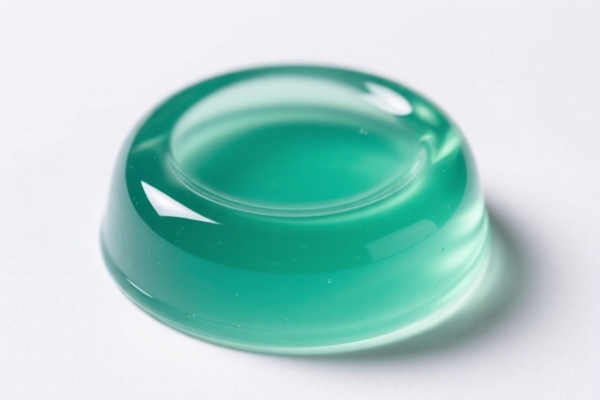
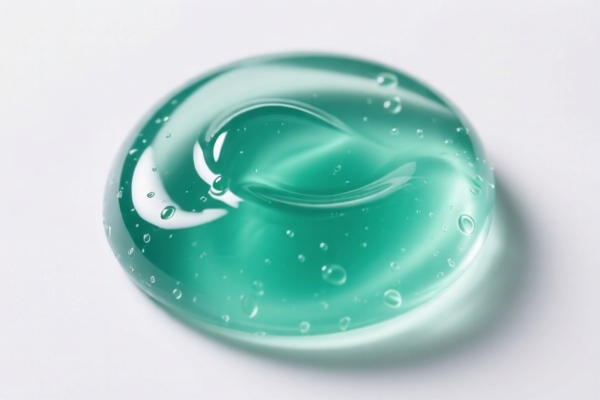
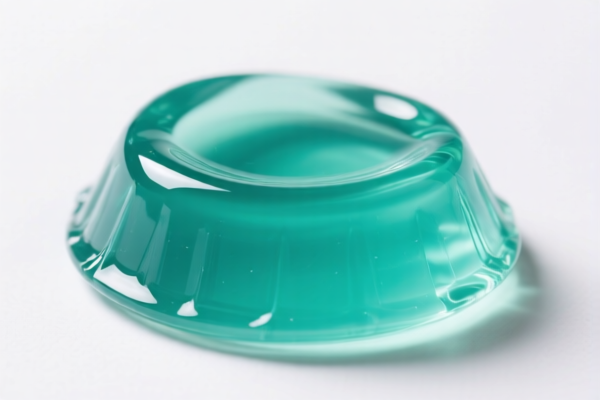
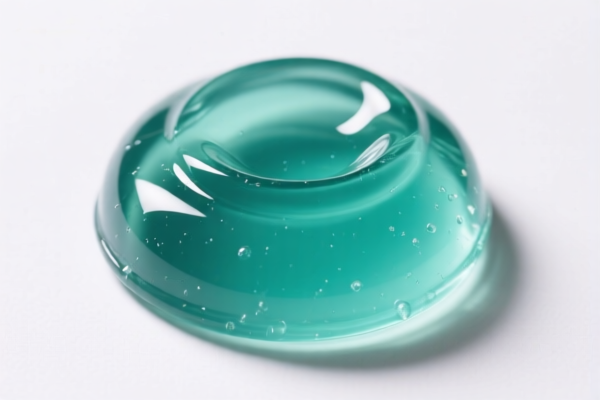
AI分析
🌿 Alginate Gel Material (海藻酸钠凝胶材料)
🌐 HS Code Reference & Customs Clearance Guide | 2026 Latest Tariff Breakdown | Professional Import Strategy for US Market
📌 Part I: Product Definition & Classification – What is "Alginate Gel Material"?
Alginate (specifically Sodium Alginate) is a natural polysaccharide derived from brown seaweed (Phaeophyceae). In industrial and commercial contexts, "Alginate Gel Material" usually refers to Sodium Alginate powder used as a thickener, gelling agent, stabilizer, or encapsulation material.
Key Distinction for Classification: 1. Pure Additive/Thickener: If it is a pure or nearly pure extract used as a food additive (thickener) or industrial thickener → Chapter 13. 2. Chemical Intermediate: If it is classified as a modified natural polymer/derivative without further formulation → Chapter 29. 3. Encapsulation/Preparation Mix: If it is mixed with other agents specifically for encapsulation or industrial preparation → Chapter 38.
⚠️ Critical Classification Point:
- If it is a pure powdered extract for thickening →1302.39
- If it is a chemically defined derivative →2938.90
- If it is a mixture/preparation (e.g., encapsulation mix) →3824.99
Misclassification here can lead to a tax difference of up to 26% (e.g., 13.7% vs. 39.6%).
📦 Part II: HS Code Classification Matrix (2026 Latest Data)
Based on the provided dataset, here are the four possible classifications for "Alginate Gel Material":
| HS Code | Product Description (Chinese Summary) | Category | Key Characteristic |
|---|---|---|---|
1302.39.00.90 |
海藻酸钠粉末,植物源黏液/增稠剂,形态为粉末 | Natural Extract / Thickener | Pure plant-derived mucilage/thickener |
1302.39.00.10 |
海藻酸钠粉末,植物源增稠剂,属于1302.39范畴 | Natural Extract / Thickener | Specific sub-category for plant thickeners |
2938.90.00.00 |
海藻酸钠,天然糖苷衍生物,粉末形态 | Chemical Derivative | Treated as a natural glycoside derivative |
3824.99.41.90 |
海藻酸钠包埋材料,植物来源物质,混合物或制剂 | Industrial Preparation | Mixed/prepared encapsulation material |
3824.99.29.00 |
海藻酸钠包埋材料,天然产物来源化学物质,工业制剂添加剂 | Industrial Preparation | Chemical additive for industrial encapsulation |
💰 Part III: 2026 Tariff Rate Breakdown (US Market)
✅ Applicable Country: United States (US)
✅ Origin: China (CN)
✅ Effective Date: Current 2026 Tariff Schedule
🎯 Group A: Chapter 13 (Natural Extracts/Thickeners)
Most common for Food Grade & Cosmetic Grade Sodium Alginate
| Item | Details |
|---|---|
| HS Codes | 1302.39.00.90 / 1302.39.00.10 |
| Base Tariff | 3.2% (General Duty) |
| Section 301 Tariff | +7.5% (Additional Duties) |
| Section 122 Tariff | +10% (Specific Additional Duty) |
| Total Tax Rate | 20.7% |
| Tax Calculation | CIF Value × 20.7% |
| De Minimis Exemption | ❌ No (Section 301 & 122 duties generally do not apply to de minimis) |
📌 Explanation:
- These codes treat Alginate as a natural product extract.
- The total burden is 20.7%, which is moderate but still significant due to the additive layers.
- Best for: Food-grade thickeners, pharmaceutical excipients, pure powder exports.
🎯 Group B: Chapter 29 (Chemical Organic Compounds)
For High-Purity or Chemically Defined Derivatives
| Item | Details |
|---|---|
| HS Code | 2938.90.00.00 |
| Base Tariff | 3.7% |
| Section 301 Tariff | 0.0% (Exempt or lower rate in this specific sub-heading) |
| Section 122 Tariff | +10% |
| Total Tax Rate | 13.7% |
| Tax Calculation | CIF Value × 13.7% |
| De Minimis Exemption | ❌ No |
📌 Explanation:
- This is the most tax-efficient option if the product qualifies as a "natural glycoside derivative" under Chapter 29.
- Why is it lower? The Section 301 duty is listed as 0% for this specific code in the data, saving 7.5% compared to Chapter 13.
- Risk: Customs may challenge this if the product is not a pure chemical derivative but a complex natural extract. Requires strong technical justification.
🎯 Group C: Chapter 38 (Mixed Preparations/Industrial Additives)
For Encapsulation Materials, Blends, or Pre-formed Gels
| Item | Details |
|---|---|
| HS Code | 3824.99.41.90 |
| Base Tariff | 4.6% |
| Section 301 Tariff | +25.0% (High Additional Duty) |
| Section 122 Tariff | +10% |
| Total Tax Rate | 39.6% |
| Tax Calculation | CIF Value × 39.6% |
| De Minimis Exemption | ❌ No |
| Item | Details |
|---|---|
| HS Code | 3824.99.29.00 |
| Base Tariff | 6.5% |
| Section 301 Tariff | +25.0% |
| Section 122 Tariff | +10% |
| Total Tax Rate | 41.5% |
| Tax Calculation | CIF Value × 41.5% |
| De Minimis Exemption | ❌ No |
📌 Explanation:
- These codes apply if the alginate is mixed with other chemicals or sold as a specific industrial preparation (e.g., pre-mixed encapsulation beads).
- Warning: The 25% Section 301 duty makes these the most expensive options.
- Best for: Specialized industrial encapsulation mixes where no other classification applies.
🛠️ Part IV: Customs Clearance Practical Advice
✅ 1. Documentation Checklist (Must-Have)
| Document | Requirement | Why? |
|---|---|---|
| Product Specification Sheet | ✔️ Must state: Purity %, Form (Powder/Gel), Source (Seaweed Type), Additives (if any) | Determines Chapter 13 vs 38 |
| Ingredient List | ✔️ If "Gel Material," list all components. Is it pure alginate or mixed with cross-linkers? | Mixed = Chapter 38 (Higher Tax) |
| Certificate of Analysis (COA) | ✔️ Confirm it is a "Natural Extract" or "Chemical Derivative" | Supports Chapter 29 or 13 classification |
| Commercial Invoice | ✔️ Clearly describe as "Sodium Alginate Powder for Thickening" OR "Alginate Encapsulation Material" | Description must match HS Code intent |
| Origin Certificate | ✔️ If from China, confirm CN origin to apply correct Section 122/301 rates | Avoids wrong country duty rates |
✅ 2. Strategic Classification Advice
🔥 Golden Rule: "Pure is Cheaper, Mixed is Costly!"
| Scenario | Recommended HS Code | Total Tax | Reason |
|---|---|---|---|
| Pure Alginate Powder (Food/Cosmetic Grade) | 1302.39.00.90 or 10 |
20.7% | Standard for natural plant extracts. |
| High-Purity Alginate (Chemical Grade) | 2938.90.00.00 |
13.7% | Lowest Tax! If it qualifies as a "glycoside derivative." Provide chemical structure proof. |
| Alginate Mix/Encapsulation Blend | 3824.99.41.90 or 29 |
39.6% / 41.5% | Avoid if possible. Only use if it cannot be classified elsewhere. |
📌 Key Tip:
- If you are importing pure Sodium Alginate, try to argue for2938.90.00.00(13.7%) if your supplier can provide a COA stating it is a "Sodium Alginate Derivative."
- If it is clearly a natural mucilage, stick to1302.39(20.7%).
- Never classify pure powder as3824unless it is physically mixed with other agents, as this leads to unnecessary tax payment.
✅ 3. Common Customs Pitfalls
❌ Error 1: Declaring "Alginate Gel" as 3824 when it is pure powder.
👉 Consequence: Paying 39.6% instead of 13.7% or 20.7%.
👉 Fix: Provide a formulation sheet showing 100% or near-100% alginate content.
❌ Error 2: Ignoring Section 122 Tariff.
👉 Consequence: Underpayment by 10%. CBP will assess back duties + penalties.
👉 Fix: All Chinese-origin alginate is subject to the 10% Section 122 duty. Factor this into your landed cost.
❌ Error 3: Confusing "Alginate" with "Alginic Acid."
👉 Consequence: Different HS Codes. Alginic Acid may fall under different subheadings.
👉 Fix: Ensure the chemical name matches the HS Code description exactly.
🌍 Part V: Global Market Comparison (2026)
| Market | Recommended HS Code | Est. Total Duty | Notes |
|---|---|---|---|
| 🇺🇸 USA | 2938.90.00.00 |
13.7% | Best option if qualifying as derivative. |
| 🇨🇳 China | 1302.39.00 |
Low/Exempt | Import duties may be low, check FTAs. |
| 🇪🇺 EU | 1302.39 |
0-6.5% | Generally lower tariffs than US. |
| 🇯🇵 Japan | 1302.39 |
3.2-4.8% | Stable, lower than US. |
📌 Conclusion:
The US market is the most complex due to Section 301 and Section 122 tariffs.
- Strategy: For US imports, prioritize2938.90.00.00if the product chemistry allows.
- If not,1302.39.00is the standard.
- Avoid3824unless it is a specialized industrial mix.
📌 Part VI: Final Recommendation
✅ For Pure Sodium Alginate Powder:
1. Check Purity & Form: If it's a pure chemical entity, aim for 2938.90.00.00 (13.7%).
2. Fallback: If it's a natural mucilage extract, use 1302.39.00.90 (20.7%).
3. Avoid: 3824 codes unless it's a pre-mixed encapsulation blend (Tax > 39%).
✅ Documentation: Always include a Certificate of Analysis and Formula Sheet to prove whether it is a "pure derivative" (Chapter 29) or a "natural extract" (Chapter 13).
🚀 Pro Tip:
"Classify for Value, Not Just Form!"
A small change in product description (e.g., "Derivative" vs. "Extract") can save ~7% in tariffs. Consult a customs broker for pre-classification ruling if the product is borderline.
✨ Accurate Classification Saves Money!
💼 Don't let tariff complexity sink your margins!
用户评价
关于 HS 编码归类
协调制度(HS)是由世界海关组织(WCO)制定的国际贸易商品分类标准。全球 200 多个国家采用 HS 系统作为海关关税、贸易统计和进出口监管的基础。
每个 HS 编码遵循以下层级结构:
- 章(2 位)——商品大类(例如:第 84 章:机器和机械设备)
- 品目(4 位)——章内的更具体分类
- 子目(6 位)——国际通用细分,所有 WCO 成员国统一使用
- 本国细分(8-10 位)——各国自行扩展的细分编码,如美国 HTSUS 10 位编码
正确的 HS 编码归类对于顺利通关、准确缴纳关税和遵守贸易法规至关重要。错误归类可能导致海关延误、多缴关税或罚款。
从CN进口到US时,适用的关税税率可能包括:
- 最惠国(MFN)税率——适用于 WTO 成员国的标准关税税率
- 普通税率——适用于无贸易协定国家
- 贸易救济关税——附加关税,如 301 条款(反倾销)、232 条款(国家安全)或反补贴税
本页内容仅供参考。如需正式归类,请咨询当地海关或持牌报关代理。