Alginate Gel Material
CN → US| HS Code | Tariff Rate | Origin | Destination | Doc |
|---|---|---|---|---|
| 1302390090 | 20.7% | CN | US | Official Doc |
| 1302390010 | 20.7% | CN | US | Official Doc |
| 2938900000 | 13.7% | CN | US | Official Doc |
| 3824994190 | 39.6% | CN | US | Official Doc |
| 3824992900 | 41.5% | CN | US | Official Doc |
Product Images
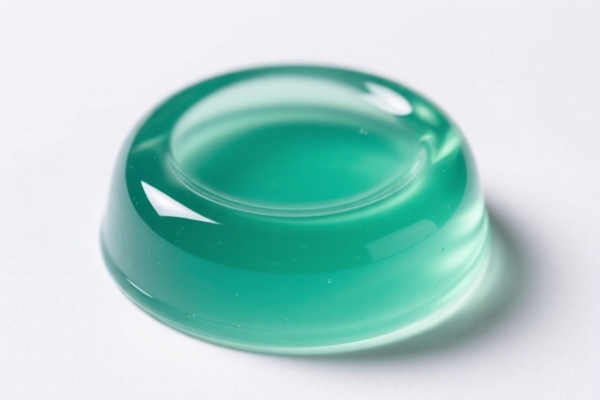

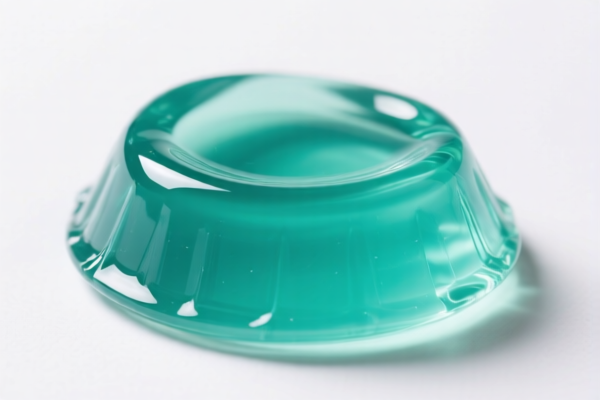
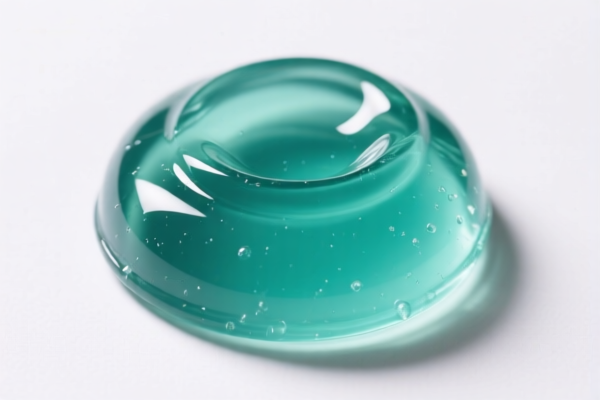
AI Analysis
🌿 Alginate Gel Material (海藻酸钠凝胶材料)
🌐 HS Code Reference & Customs Clearance Guide | 2026 Latest Tariff Breakdown | Professional Import Strategy for US Market
📌 Part I: Product Definition & Classification – What is "Alginate Gel Material"?
Alginate (specifically Sodium Alginate) is a natural polysaccharide derived from brown seaweed (Phaeophyceae). In industrial and commercial contexts, "Alginate Gel Material" usually refers to Sodium Alginate powder used as a thickener, gelling agent, stabilizer, or encapsulation material.
Key Distinction for Classification: 1. Pure Additive/Thickener: If it is a pure or nearly pure extract used as a food additive (thickener) or industrial thickener → Chapter 13. 2. Chemical Intermediate: If it is classified as a modified natural polymer/derivative without further formulation → Chapter 29. 3. Encapsulation/Preparation Mix: If it is mixed with other agents specifically for encapsulation or industrial preparation → Chapter 38.
⚠️ Critical Classification Point:
- If it is a pure powdered extract for thickening →1302.39
- If it is a chemically defined derivative →2938.90
- If it is a mixture/preparation (e.g., encapsulation mix) →3824.99
Misclassification here can lead to a tax difference of up to 26% (e.g., 13.7% vs. 39.6%).
📦 Part II: HS Code Classification Matrix (2026 Latest Data)
Based on the provided dataset, here are the four possible classifications for "Alginate Gel Material":
| HS Code | Product Description (Chinese Summary) | Category | Key Characteristic |
|---|---|---|---|
1302.39.00.90 |
海藻酸钠粉末,植物源黏液/增稠剂,形态为粉末 | Natural Extract / Thickener | Pure plant-derived mucilage/thickener |
1302.39.00.10 |
海藻酸钠粉末,植物源增稠剂,属于1302.39范畴 | Natural Extract / Thickener | Specific sub-category for plant thickeners |
2938.90.00.00 |
海藻酸钠,天然糖苷衍生物,粉末形态 | Chemical Derivative | Treated as a natural glycoside derivative |
3824.99.41.90 |
海藻酸钠包埋材料,植物来源物质,混合物或制剂 | Industrial Preparation | Mixed/prepared encapsulation material |
3824.99.29.00 |
海藻酸钠包埋材料,天然产物来源化学物质,工业制剂添加剂 | Industrial Preparation | Chemical additive for industrial encapsulation |
💰 Part III: 2026 Tariff Rate Breakdown (US Market)
✅ Applicable Country: United States (US)
✅ Origin: China (CN)
✅ Effective Date: Current 2026 Tariff Schedule
🎯 Group A: Chapter 13 (Natural Extracts/Thickeners)
Most common for Food Grade & Cosmetic Grade Sodium Alginate
| Item | Details |
|---|---|
| HS Codes | 1302.39.00.90 / 1302.39.00.10 |
| Base Tariff | 3.2% (General Duty) |
| Section 301 Tariff | +7.5% (Additional Duties) |
| Section 122 Tariff | +10% (Specific Additional Duty) |
| Total Tax Rate | 20.7% |
| Tax Calculation | CIF Value × 20.7% |
| De Minimis Exemption | ❌ No (Section 301 & 122 duties generally do not apply to de minimis) |
📌 Explanation:
- These codes treat Alginate as a natural product extract.
- The total burden is 20.7%, which is moderate but still significant due to the additive layers.
- Best for: Food-grade thickeners, pharmaceutical excipients, pure powder exports.
🎯 Group B: Chapter 29 (Chemical Organic Compounds)
For High-Purity or Chemically Defined Derivatives
| Item | Details |
|---|---|
| HS Code | 2938.90.00.00 |
| Base Tariff | 3.7% |
| Section 301 Tariff | 0.0% (Exempt or lower rate in this specific sub-heading) |
| Section 122 Tariff | +10% |
| Total Tax Rate | 13.7% |
| Tax Calculation | CIF Value × 13.7% |
| De Minimis Exemption | ❌ No |
📌 Explanation:
- This is the most tax-efficient option if the product qualifies as a "natural glycoside derivative" under Chapter 29.
- Why is it lower? The Section 301 duty is listed as 0% for this specific code in the data, saving 7.5% compared to Chapter 13.
- Risk: Customs may challenge this if the product is not a pure chemical derivative but a complex natural extract. Requires strong technical justification.
🎯 Group C: Chapter 38 (Mixed Preparations/Industrial Additives)
For Encapsulation Materials, Blends, or Pre-formed Gels
| Item | Details |
|---|---|
| HS Code | 3824.99.41.90 |
| Base Tariff | 4.6% |
| Section 301 Tariff | +25.0% (High Additional Duty) |
| Section 122 Tariff | +10% |
| Total Tax Rate | 39.6% |
| Tax Calculation | CIF Value × 39.6% |
| De Minimis Exemption | ❌ No |
| Item | Details |
|---|---|
| HS Code | 3824.99.29.00 |
| Base Tariff | 6.5% |
| Section 301 Tariff | +25.0% |
| Section 122 Tariff | +10% |
| Total Tax Rate | 41.5% |
| Tax Calculation | CIF Value × 41.5% |
| De Minimis Exemption | ❌ No |
📌 Explanation:
- These codes apply if the alginate is mixed with other chemicals or sold as a specific industrial preparation (e.g., pre-mixed encapsulation beads).
- Warning: The 25% Section 301 duty makes these the most expensive options.
- Best for: Specialized industrial encapsulation mixes where no other classification applies.
🛠️ Part IV: Customs Clearance Practical Advice
✅ 1. Documentation Checklist (Must-Have)
| Document | Requirement | Why? |
|---|---|---|
| Product Specification Sheet | ✔️ Must state: Purity %, Form (Powder/Gel), Source (Seaweed Type), Additives (if any) | Determines Chapter 13 vs 38 |
| Ingredient List | ✔️ If "Gel Material," list all components. Is it pure alginate or mixed with cross-linkers? | Mixed = Chapter 38 (Higher Tax) |
| Certificate of Analysis (COA) | ✔️ Confirm it is a "Natural Extract" or "Chemical Derivative" | Supports Chapter 29 or 13 classification |
| Commercial Invoice | ✔️ Clearly describe as "Sodium Alginate Powder for Thickening" OR "Alginate Encapsulation Material" | Description must match HS Code intent |
| Origin Certificate | ✔️ If from China, confirm CN origin to apply correct Section 122/301 rates | Avoids wrong country duty rates |
✅ 2. Strategic Classification Advice
🔥 Golden Rule: "Pure is Cheaper, Mixed is Costly!"
| Scenario | Recommended HS Code | Total Tax | Reason |
|---|---|---|---|
| Pure Alginate Powder (Food/Cosmetic Grade) | 1302.39.00.90 or 10 |
20.7% | Standard for natural plant extracts. |
| High-Purity Alginate (Chemical Grade) | 2938.90.00.00 |
13.7% | Lowest Tax! If it qualifies as a "glycoside derivative." Provide chemical structure proof. |
| Alginate Mix/Encapsulation Blend | 3824.99.41.90 or 29 |
39.6% / 41.5% | Avoid if possible. Only use if it cannot be classified elsewhere. |
📌 Key Tip:
- If you are importing pure Sodium Alginate, try to argue for2938.90.00.00(13.7%) if your supplier can provide a COA stating it is a "Sodium Alginate Derivative."
- If it is clearly a natural mucilage, stick to1302.39(20.7%).
- Never classify pure powder as3824unless it is physically mixed with other agents, as this leads to unnecessary tax payment.
✅ 3. Common Customs Pitfalls
❌ Error 1: Declaring "Alginate Gel" as 3824 when it is pure powder.
👉 Consequence: Paying 39.6% instead of 13.7% or 20.7%.
👉 Fix: Provide a formulation sheet showing 100% or near-100% alginate content.
❌ Error 2: Ignoring Section 122 Tariff.
👉 Consequence: Underpayment by 10%. CBP will assess back duties + penalties.
👉 Fix: All Chinese-origin alginate is subject to the 10% Section 122 duty. Factor this into your landed cost.
❌ Error 3: Confusing "Alginate" with "Alginic Acid."
👉 Consequence: Different HS Codes. Alginic Acid may fall under different subheadings.
👉 Fix: Ensure the chemical name matches the HS Code description exactly.
🌍 Part V: Global Market Comparison (2026)
| Market | Recommended HS Code | Est. Total Duty | Notes |
|---|---|---|---|
| 🇺🇸 USA | 2938.90.00.00 |
13.7% | Best option if qualifying as derivative. |
| 🇨🇳 China | 1302.39.00 |
Low/Exempt | Import duties may be low, check FTAs. |
| 🇪🇺 EU | 1302.39 |
0-6.5% | Generally lower tariffs than US. |
| 🇯🇵 Japan | 1302.39 |
3.2-4.8% | Stable, lower than US. |
📌 Conclusion:
The US market is the most complex due to Section 301 and Section 122 tariffs.
- Strategy: For US imports, prioritize2938.90.00.00if the product chemistry allows.
- If not,1302.39.00is the standard.
- Avoid3824unless it is a specialized industrial mix.
📌 Part VI: Final Recommendation
✅ For Pure Sodium Alginate Powder:
1. Check Purity & Form: If it's a pure chemical entity, aim for 2938.90.00.00 (13.7%).
2. Fallback: If it's a natural mucilage extract, use 1302.39.00.90 (20.7%).
3. Avoid: 3824 codes unless it's a pre-mixed encapsulation blend (Tax > 39%).
✅ Documentation: Always include a Certificate of Analysis and Formula Sheet to prove whether it is a "pure derivative" (Chapter 29) or a "natural extract" (Chapter 13).
🚀 Pro Tip:
"Classify for Value, Not Just Form!"
A small change in product description (e.g., "Derivative" vs. "Extract") can save ~7% in tariffs. Consult a customs broker for pre-classification ruling if the product is borderline.
✨ Accurate Classification Saves Money!
💼 Don't let tariff complexity sink your margins!
Customer Reviews
About HS Code Classification
The Harmonized System (HS) is an internationally standardized nomenclature developed by the World Customs Organization (WCO) to classify traded products. Over 200 countries use the HS system as the basis for customs tariffs, trade statistics, and import/export regulations.
Each HS code follows a hierarchical structure:
- Chapter (2 digits) — Broad category of goods (e.g., Chapter 84: Machinery and Mechanical Appliances)
- Heading (4 digits) — More specific grouping within the chapter
- Subheading (6 digits) — Internationally standardized breakdown, used by all WCO member countries
- National subdivisions (8-10 digits) — Country-specific extensions for further classification, such as US HTSUS 10-digit codes
Correct HS code classification is essential for smooth customs clearance, accurate duty payment, and compliance with trade regulations. Misclassification can lead to customs delays, overpayment of duties, or penalties.
When importing from CN to US, the applicable tariff rates may include:
- Most-Favored-Nation (MFN) rate — The standard duty rate applied to WTO members
- General rate — Applied to countries without trade agreements
- Trade remedy duties — Additional tariffs such as Section 301 (anti-dumping), Section 232 (national security), or countervailing duties
The information provided on this page is for reference purposes only. For official classification, please consult with your local customs authority or a licensed customs broker.