Aluminum
CN → US| HS编码 | 关税税率 | 原产国 | 目的国 | 文档 |
|---|---|---|---|---|
| 8708292130 | 35.0% | CN | US | 官方文档 |
| 7604291010 | 40.0% | CN | US | 官方文档 |
| 7616995170 | 37.5% | CN | US | 官方文档 |
| 7604101000 | 40.0% | CN | US | 官方文档 |
| 8708103030 | 37.5% | CN | US | 官方文档 |
| 7606123035 | 13.0% | CN | US | 官方文档 |
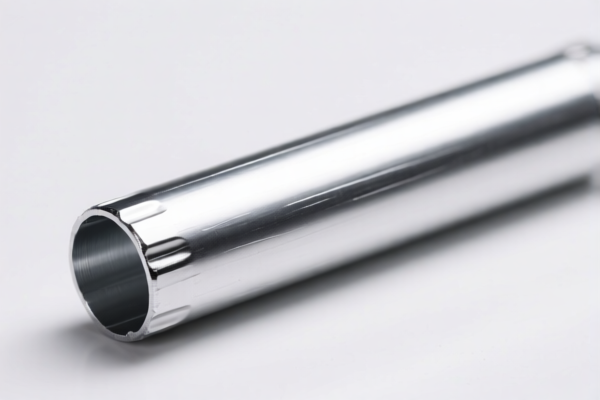
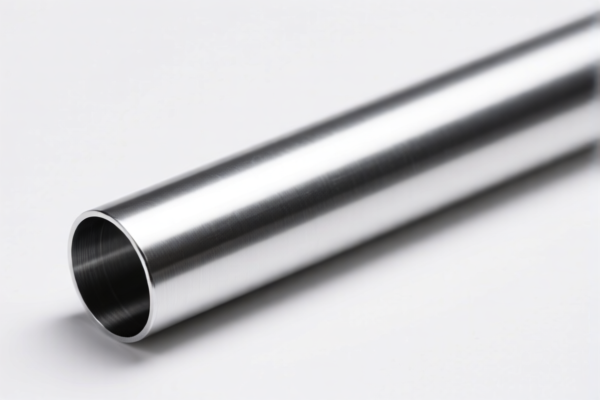
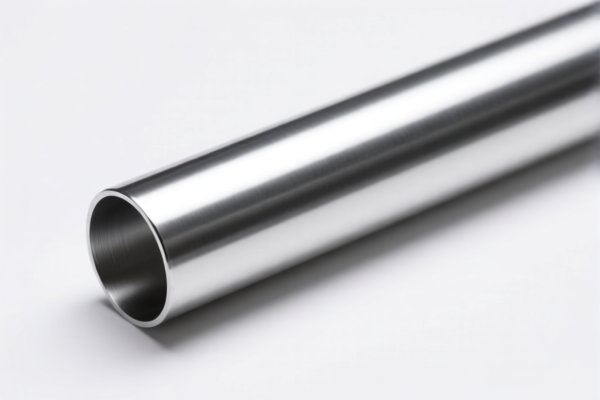
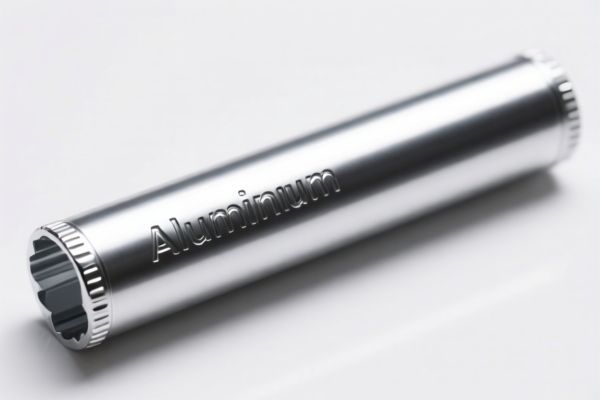
商品图片
AI分析
🏭 Aluminum Products: HS Code Classification & Customs Clearance Guide (2026)
🌐 HS Code Reference & Customs Strategy | 2026 Latest Tariff Analysis | Professional Clearance Guide
📌 I. Product Definition & Classification: What Exactly is "Aluminum" in Trade?
Aluminum is not a single commodity in international trade. Its classification depends entirely on its physical form (sheet, profile, part) and industrial application (raw material vs. automotive component). Misclassification is the #1 cause of tariff shocks, as raw aluminum and finished car parts face vastly different tax treatments under US trade policies (Section 301, Section 232, and Section 122).
Key Distinction Categories: 1. Raw/semi-finished forms: Sheets, plates, profiles, extrusions. 2. Finished components: Parts specifically designed for vehicles (e.g., bumpers, body panels). 3. General miscellaneous parts: Non-specific aluminum components.
⚠️ Critical Warning:
- "Aluminum Sheets" vs. "Aluminum Body Parts": Even if made of the same alloy, a sheet is raw material, while a stamped bumper is a finished auto part. They have different HS Codes and different tax rates. - "Profiles" vs. "Parts": Extruded shapes used in construction/machinery are "Profiles"; those machined for specific assembly are "Parts."
📦 II. HS Code Classification Matrix (2026 Data)
Based on the provided dataset, here is the precise mapping of aluminum product types to their HS Codes and corresponding tax liabilities.
| HS Code | Product Description | Physical Form / Application | Key Indicator |
|---|---|---|---|
8708.29.21.30 |
Aluminum Body Parts & Accessories | Stamped/pressed parts for vehicle bodies | Specific to automotive body structure |
7604.29.10.10 |
Other Aluminum Profiles & Components | Extruded bars, rods, angles, channels | Profile shape, not a final part |
7616.99.51.70 |
Other Aluminum Parts | General machined/fabricated parts | General purpose, not specific to auto/body |
7604.10.10.00 |
Aluminum Profiles & Components | Standard extruded profiles | Standard profiles (vs. "Other" profiles) |
8708.10.30.30 |
Aluminum Bumper Stamping Parts | Stamped bumpers for vehicles | Specific to bumper systems |
7606.12.30.35 |
Aluminum Alloy Sheets | Flat rolled products (sheets/plates) | Flat shape, rolled, not extruded |
🔍 Classification Logic:
- If it’s a sheet → Look to 7606.
- If it’s an extruded profile → Look to 7604.
- If it’s a finished car part (body/bumper) → Look to 8708.
- If it’s a miscellaneous part → Look to 7616.
💰 III. 2026 Tariff Rate Breakdown (Detailed Tax Analysis)
✅ Scope: All HS Codes listed below apply to goods originating from China (CN) imported into the USA (US).
✅ Tax Structure: Base Tariff + Section 301 Add-on + Section 122 Add-on.
✅ Total Tax: Sum of all applicable rates.
🎯 1. Automotive Body Parts: 8708.29.21.30
Product: Aluminum body parts & accessories
| Item | Rate | Source |
|---|---|---|
| Base Tariff | 0.0% | HTSUS General Rate |
| Section 301 Add-on | 25.0% | 122 Clause / Trade Remedy |
| Section 122 Add-on | 10.0% | New Section 122 Tariff |
| Total Tax Rate | 35.0% |
📌 Explanation:
- Despite being an auto part, the base tariff is low. However, the 25% Section 301 duty dominates. - Note: This code is specifically for body parts, not bumpers (see below).
🎯 2. General Aluminum Profiles: 7604.29.10.10
Product: Other aluminum profiles & components
| Item | Rate | Source |
|---|---|---|
| Base Tariff | 5.0% | HTSUS General Rate |
| Section 301 Add-on | 25.0% | 122 Clause / Trade Remedy |
| Section 122 Add-on | 10.0% | New Section 122 Tariff |
| Total Tax Rate | 40.0% |
📌 Explanation:
- Higher base tariff (5%) compared to body parts. - Critical: "Other profiles" implies non-standard shapes or specific industrial uses.
🎯 3. Miscellaneous Aluminum Parts: 7616.99.51.70
Product: Other aluminum parts
| Item | Rate | Source |
|---|---|---|
| Base Tariff | 2.5% | HTSUS General Rate |
| Section 301 Add-on | 25.0% | 122 Clause / Trade Remedy |
| Section 122 Add-on | 10.0% | New Section 122 Tariff |
| Total Tax Rate | 37.5% |
📌 Explanation:
- Middle-ground tax rate. - Use this only if the part cannot be classified as a profile (7604) or a specific auto part (8708).
🎯 4. Standard Aluminum Profiles: 7604.10.10.00
Product: Aluminum profiles & components
| Item | Rate | Source |
|---|---|---|
| Base Tariff | 5.0% | HTSUS General Rate |
| Section 301 Add-on | 25.0% | 122 Clause / Trade Remedy |
| Section 122 Add-on | 10.0% | New Section 122 Tariff |
| Total Tax Rate | 40.0% |
📌 Explanation:
- Same total rate as "Other Profiles" but lower description specificity. - Applies to standard extruded aluminum shapes (bars, rods, angles, channels, tubes).
🎯 5. Automotive Bumper Parts: 8708.10.30.30
Product: Aluminum bumper stamping parts
| Item | Rate | Source |
|---|---|---|
| Base Tariff | 2.5% | HTSUS General Rate |
| Section 301 Add-on | 25.0% | 122 Clause / Trade Remedy |
| Section 122 Add-on | 10.0% | New Section 122 Tariff |
| Total Tax Rate | 37.5% |
📌 Explanation:
- Stamping parts (formed metal) have a lower base tariff (2.5%) than extruded profiles (5%). - Specific to bumpers, not general body panels.
🎯 6. Aluminum Alloy Sheets: 7606.12.30.35
Product: Aluminum alloy sheets
| Item | Rate | Source |
|---|---|---|
| Base Tariff | 3.0% | HTSUS General Rate |
| Section 301 Add-on | 0.0% | Exempt / Different Policy |
| Section 122 Add-on | 10.0% | New Section 122 Tariff |
| Total Tax Rate | 13.0% | LOWEST RATE |
📌 Explanation:
- Significantly lower total tax (13%) compared to parts and profiles. - Reason: Sheets are considered upstream raw materials with different trade policy treatment (0% Section 301). - Strategic Importance: If your product can be classified as a "sheet" rather than a "part," you save 22-27% in taxes.
🛠️ IV. Customs Clearance Recommendations (Best Practices)
✅ 1. Documentation Checklist (Mandatory)
| Document | Requirement | Purpose |
|---|---|---|
| Product Specification Sheet | Must include: Alloy number, temper, dimensions, shape (sheet/profile/part) | To prove HS Code eligibility (e.g., Sheet vs. Part) |
| Photos (Clear & Detailed) | Show flat surface (for sheets) or cross-section (for profiles) | Visual proof of physical form |
| Commercial Invoice | Must explicitly state "Aluminum Alloy Sheet" or "Aluminum Body Part" | Prevents ambiguous classification by CBP |
| Packing List | Itemize by HS Code if mixed shipments | Avoids cross-contamination of tax rates |
| Certificate of Origin | Proof of Chinese origin | Triggers applicable Section 301/122 duties |
✅ 2. Classification Strategy (How to Save Money)
| Scenario | Recommended Action | Tax Impact |
|---|---|---|
| You sell stamped car parts | Classify as 8708.10.30.30 (Bumper) or 8708.29.21.30 (Body) |
35-37.5% |
| You sell extruded bars/tubes | Classify as 7604.10.10.00 or 7604.29.10.10 |
40% |
| You sell general aluminum fittings | Classify as 7616.99.51.70 |
37.5% |
| You sell flat sheets/plates | Strongly prefer 7606.12.30.35 |
13% 🟢 |
🔥 Golden Rule:
"If it’s flat, call it a sheet. If it’s shaped, call it a part."
Classifying a flat sheet as a "profile" or "part" can lead to 27% extra tax and potential penalties for misclassification.
✅ 3. Risk Mitigation
| Risk | Mitigation Strategy |
|---|---|
| CBP Audits | Provide engineering drawings showing the product is a "flat-rolled product" if claiming 7606. |
| Section 122 Uncertainty | Monitor updates to Section 122 policy; it currently applies to all listed codes. |
| Origin Challenges | Ensure aluminum alloy is produced in China, not merely "transformed" there. |
| Hybrid Shipments | Do NOT mix 7606 (13%) and 8708 (35%) in one line item. Declare separately. |
🌍 V. Global Market Comparison (2026)
| Market | Aluminum Sheets (7606) |
Auto Parts (8708) |
Profiles (7604) |
Notes |
|---|---|---|---|---|
| 🇺🇸 USA | 13% (0% Sec 301) | 35-37.5% | 40% | Highest tax disparity; sheets are strategic. |
| 🇨🇳 China | ~3-5% | ~0-2% | ~2-3% | No Section 301/122; much lower costs. |
| 🇪🇺 EU | 0-4% | 0-4% | 0-4% | Generally low tariffs; focus on CE/REACH. |
| 🇯🇵 Japan | 0-5% | 0-5% | 0-5% | FTA benefits may apply. |
📌 Conclusion:
- The US market is highly sensitive to the physical form of aluminum.
- Sheets (7606) are the most tax-efficient entry point for aluminum goods.
- Finished auto parts (8708) and Profiles (7604) carry heavy tax burdens due to combined Section 301 and 122 tariffs.
📌 VI. Common Errors & Pitfalls (Learn from Others' Mistakes)
❌ Error 1: Declaring an aluminum bumper as an "Aluminum Part" (7616).
👉 Result: Wrong HS code. CBP may reclassify it to 8708 or 7616 with penalties. If reclassified to 8708, tax is 37.5%. If kept as 7616, it might be deemed false declaration.
❌ Error 2: Declaring stamped body panels as "Aluminum Sheets" (7606).
👉 Result: CBP will reject this because the product is no longer a "flat-rolled product" in the form of a sheet; it’s a finished part. Penalty + Back Taxes (22% difference).
❌ Error 3: Ignoring Section 122 Tariff.
👉 Result: Many importers forget the 10% Section 122 add-on, leading to underpayment and interest charges.
❌ Error 4: Mixing Raw Extrusions with Machined Parts in one description.
👉 Result: Confusion in valuation. Clear separation required.
✅ Correct Approach:
"Aluminum Alloy Sheet, 6061-T6, 4x8ft, Mill Finish, For Structural Use" →
7606.12.30.35
"Aluminum Bumper Cover, Stamped, Primed, OEM Replacement" →8708.10.30.30
🎯 VII. Conclusion: Strategic Sourcing & Classification
🎯 Key Takeaways:
🔹 Sheets are King:
7606codes offer the lowest tax burden (13%) in the US.
🔹 Parts are Expensive:8708and7604codes incur 35-40% total tariffs.
🔹 Precision is Profit: A single digit difference in HS Code can change tax liability by 27%.
🔹 Documentation is Key: Provide clear photos and specs to support your classification.
📌 Pro Tip:
If you are exporting finished aluminum parts, consider if the product can be shipped in a semi-finished state (e.g., sheets or profiles) and finished locally in the US or a third country with lower tariffs (e.g., Mexico under USMCA). This strategy can eliminate Section 301/122 duties.
📣 Immediate Action:
📞 Consult a Customs Broker: Before shipping, submit a Tariff Engineering Request or Binding Ruling if unsure.
📄 Review Invoices: Ensure descriptions match HS Code definitions exactly.
🚀 Optimize Supply Chain: Choose the right HS Code to maximize profit margins.
✨ Smart Classification, Smarter Profits!
💼 Your Aluminum, Your Advantage!
用户评价
关于 HS 编码归类
协调制度(HS)是由世界海关组织(WCO)制定的国际贸易商品分类标准。全球 200 多个国家采用 HS 系统作为海关关税、贸易统计和进出口监管的基础。
每个 HS 编码遵循以下层级结构:
- 章(2 位)——商品大类(例如:第 84 章:机器和机械设备)
- 品目(4 位)——章内的更具体分类
- 子目(6 位)——国际通用细分,所有 WCO 成员国统一使用
- 本国细分(8-10 位)——各国自行扩展的细分编码,如美国 HTSUS 10 位编码
正确的 HS 编码归类对于顺利通关、准确缴纳关税和遵守贸易法规至关重要。错误归类可能导致海关延误、多缴关税或罚款。
从CN进口到US时,适用的关税税率可能包括:
- 最惠国(MFN)税率——适用于 WTO 成员国的标准关税税率
- 普通税率——适用于无贸易协定国家
- 贸易救济关税——附加关税,如 301 条款(反倾销)、232 条款(国家安全)或反补贴税
本页内容仅供参考。如需正式归类,请咨询当地海关或持牌报关代理。