Amino Resin Anti corrosion Boards
CN → US| HS编码 | 关税税率 | 原产国 | 目的国 | 文档 |
|---|---|---|---|---|
| 4410190060 | 35.0% | CN | US | 官方文档 |
| 4410190030 | 35.0% | CN | US | 官方文档 |
| 3921905050 | 39.8% | CN | US | 官方文档 |
| 3921190090 | 41.5% | CN | US | 官方文档 |
| 4410190060 | 35.0% | CN | US | 官方文档 |
商品图片
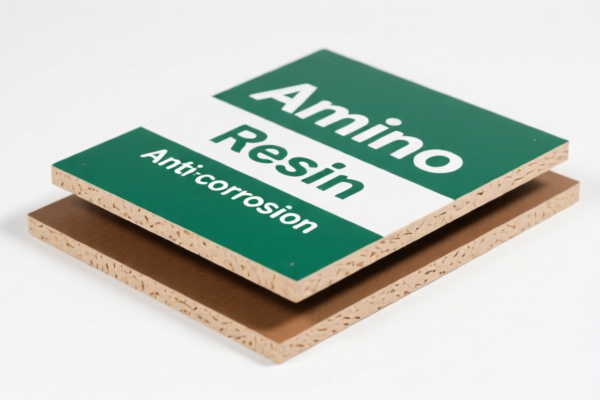
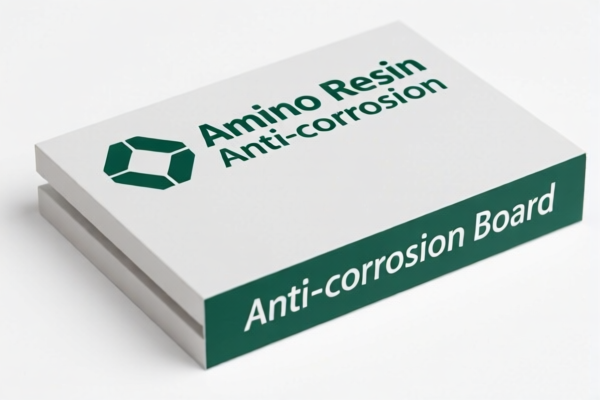
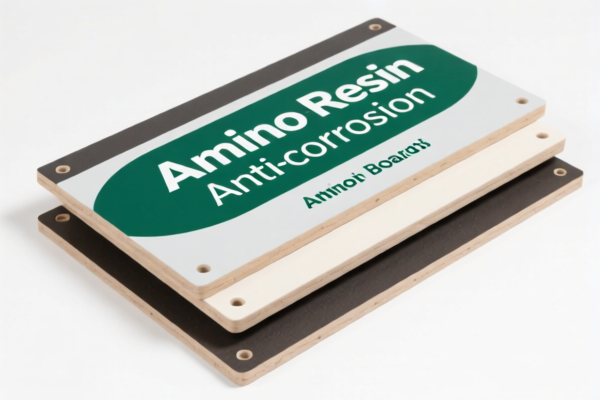
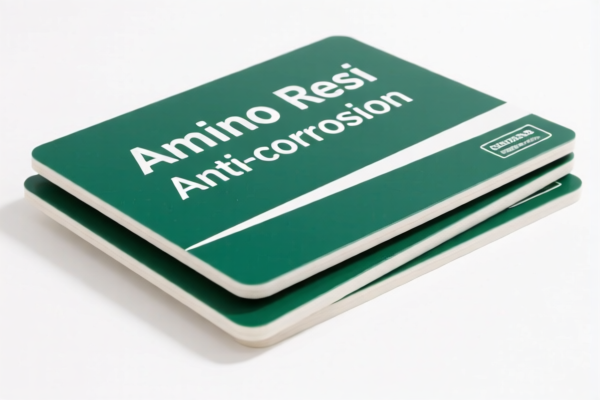
AI分析
🛡️ Amino Resin Anti-Corrosion Boards: The Ultimate HS Code & Customs Clearance Guide (2026 Update)
🌐 HS Code Classification & Customs Clearance Guide | 2026 Latest Tariff Analysis | Professional Strategy for Amino Resin Boards
📌 I. Product Definition: What Exactly Are "Amino Resin Anti-Corrosion Boards"?
Amino resin anti-corrosion boards are engineered materials formed by treating wood-based substrates (such as particle board, fiberboard, or similar lignocellulosic materials) with chemical impregnations of amino resins (e.g., urea-formaldehyde, melamine-formaldehyde). They are designed to resist chemical degradation, moisture, and environmental wear.
⚠️ Critical Classification Distinction: The classification depends entirely on the primary material composition and physical structure: 1. Wood-Based (Impregnated): If the core is wood/fiber and the amino resin is a coating/impregnant → Chapter 44 (Wood & Wood Products). 2. Plastic/Synthetic-Based: If the board is primarily made of molded amino resin (phenolic/melamine plastic) without a wood core → Chapter 39 (Plastics and Articles Thereof).
📦 II. HS Code Classification Details (2026 Authoritative Reference)
Based on the specific product attributes, here are the precise HS codes and their corresponding tax structures.
| HS Code | Product Description | Material Basis | Key Classification Logic |
|---|---|---|---|
| 4410.19.00.30 | Amino Resin Anti-Corrosion Board (Wood-Based Type A) | Wood-based substrate + Chemical Treatment | Matches wood-based boards treated with chemicals. Classified under "Particle boards, OSB, etc., of wood." |
| 4410.19.00.60 | Amino Resin Anti-Corrosion Board (Wood-Based Type B) | Resin + Wood Fiber Composite | Matches characteristics of wood particle boards or similar lignocellulosic composites impregnated with resin. |
| 3921.90.50.50 | Amino Resin Flame Retardant Board (Plastic Type) | Pure Amino Resin (Plastic) | Board shape, plastic/synthetic resin material. Classified under "Other plates, sheets, film, foil, and strip of plastics." |
| 3921.19.00.90 | Amino Resin Flame Retardant Board (Plastic Type B) | Pure Amino Resin (Plastic) | Fits characteristics of other plastic plates/sheets. Specifically for boards where the plastic content is dominant. |
🔍 Key Insight:
- 4410 series applies when the board is essentially wood that has been chemically enhanced.
- 3921 series applies when the board is essentially plastic (resin) that may have wood fibers or is purely synthetic.
- Note: The term "Anti-Corrosion" often overlaps with "Flame Retardant" in customs descriptions if the resin provides both properties. The HS code difference hinges on the primary material (Wood vs. Plastic).
💰 III. 2026 Latest Tariff Rate Breakdown (Detailed Tax Analysis)
✅ Applicable Market: United States (US)
✅ Origin: China (CN)
✅ Effective Date: Rates include base tariffs, Section 301 Additional Duties, and Section 122 Duties.
🎯 1. Wood-Based Classification: 4410.19.00.30 & 4410.19.00.60
These codes share the same tariff structure as they fall under similar wood-based subheadings for anti-corrosion treatments.
| Item | Details |
|---|---|
| Base Tariff | 0.0% (Ad Valorem) |
| Section 301 Additional Duty | +25.0% (USITC Footnote 9903.88.01) |
| Section 122 Duty | +10.0% (Specific to certain wood/plastic composites from China) |
| Total Effective Rate | 35.0% |
| Calculation Basis | CIF Value × 35% |
| De Minimis Exemption | ❌ Not Eligible (Deny De Minimis) |
| Legal Reference Path | USITC:4410.19.00 → Section 301: Footnote 9903.88.01 → Section 122: 10% surcharge |
📌 Explanation:
- The 0% base rate reflects the low duty on raw wood products.
- The 35% total rate is driven by the 25% Section 301 tariff (trade war related) and 10% Section 122 tariff (specifically targeting certain Chinese wood/plastic composite imports).
- Warning: This is a high-cost entry. Importers must factor in 35% additional cost.
🎯 2. Plastic-Based Classification: 3921.90.50.50
This code applies to boards made primarily of amino resin (plastic).
| Item | Details |
|---|---|
| Base Tariff | 4.8% (Ad Valorem) |
| Section 301 Additional Duty | +25.0% (USITC Footnote 9903.88.01) |
| Section 122 Duty | +10.0% |
| Total Effective Rate | 39.8% |
| Calculation Basis | CIF Value × 39.8% |
| De Minimis Exemption | ❌ Not Eligible |
| Legal Reference Path | USITC:3921.90.50 → Section 301 → Section 122 |
📌 Explanation:
- Unlike wood-based boards, plastic-based resin boards have a non-zero base rate (4.8%).
- Adding the 25% and 10% surcharges results in a 39.8% total duty.
- Implication: This is more expensive than the wood-based classification due to the higher base tariff.
🎯 3. Plastic-Based Classification: 3921.19.00.90
Another plastic-based option, often for different thicknesses or specific plastic sheeting types.
| Item | Details |
|---|---|
| Base Tariff | 6.5% (Ad Valorem) |
| Section 301 Additional Duty | +25.0% (USITC Footnote 9903.88.01) |
| Section 122 Duty | +10.0% |
| Total Effective Rate | 41.5% |
| Calculation Basis | CIF Value × 41.5% |
| De Minimis Exemption | ❌ Not Eligible |
| Legal Reference Path | USITC:3921.19.00 → Section 301 → Section 122 |
📌 Explanation:
- This is the most expensive classification in the dataset.
- The higher base rate (6.5%) combined with surcharges pushes the total to 41.5%.
- Strategy: Avoid this code if possible unless the product strictly fits this specific plastic sheeting definition.
🛠️ IV. Customs Clearance Practical Advice (Risk Mitigation)
✅ 1. Documentation Checklist (Mandatory)
| Document | Requirement | Purpose |
|---|---|---|
| Product Spec Sheet | ✔️ Mandatory | Must specify: Base material (Wood vs. Resin), Resin type (Urea/Melamine), Thickness, Dimensions. |
| Material Composition Report | ✔️ Mandatory | Third-party lab test proving % of Wood Fiber vs. Resin. Critical for 4410 vs. 3921 decision. |
| Commercial Invoice | ✔️ Mandatory | Must clearly state "Amino Resin Impregnated Wood Board" OR "Amino Resin Plastic Board." Avoid vague terms like "Decorative Panel." |
| Country of Origin Certificate | ✔️ Mandatory | To confirm CN origin and apply correct surcharges. |
| Photos | ✔️ Recommended | Show cross-section to prove wood core presence (for 4410) or homogeneous plastic structure (for 3921). |
✅ 2. Classification Strategy & Pitfalls
🔥 Golden Rule:
"If it smells like wood and is held together by resin, it’s likely 4410. If it’s molded plastic, it’s 3921."
| Scenario | Recommended HS Code | Risk if Incorrect |
|---|---|---|
| Wood Core + Resin Coating | 4410.19.00.30 or .60 |
Misclassifying as plastic (3921) may lead to underpayment (35% vs 39.8%/41.5%). Customs may assess back duties + penalties. |
| Pure Resin/Plastic Board | 3921.90.50.50 or .19.00.90 |
Misclassifying as wood (4410) leads to overpayment (35% vs 41.5%). While less penalized, it affects cost efficiency. |
| Mixed Composition | Must Provide Lab Test | Without a material breakdown, Customs may default to the highest duty rate (41.5%) for risk mitigation. |
✅ 3. Special Notes on Section 122 & 301
- Section 301 (25%): Applies to all Chinese-origin products in Chapters 44 and 39. No exemption unless specific HTS exclusions apply (which are rare for engineered wood/plastics).
- Section 122 (10%): Specifically targets certain wood and plastic composite imports. Always assume this 10% applies unless you have a specific legal ruling otherwise.
- De Minimis (Section 321): ❌ NOT APPLICABLE. These goods exceed the $800 threshold for duty-free entry under Section 321. Full formal entry is required.
🌍 V. Global Market Comparison (2026)
| Market | Recommended HS Code | Estimated Duty (China Origin) | Key Requirements |
|---|---|---|---|
| 🇺🇸 USA | 4410.19.00.30 / 3921... |
35.0% - 41.5% | FCC (if electronic), CARB/TSCA Title VI (if wood-based formaldehyde emissions). |
| 🇨🇳 China | 4410.19.00 / 3921... |
5% - 8% (Base) | CCC (if applicable), ISO standards. |
| 🇪🇺 EU | 4410 / 3921 |
0% - 5% (Base) | REACH Compliance (Chemicals), EUTR (Wood legality). |
| 🇬🇧 UK | 4410 / 3921 |
0% - 6% | UKCA Marking, REUK Compliance. |
📌 Conclusion:
The US market is the most challenging due to the 35%-41.5% duty burden. Importers must carefully select the correct HS code to avoid overpaying (if plastic is misclassified as wood) or underpaying (if wood is misclassified as plastic, leading to penalties).
📌 VI. Common Mistakes & Best Practices
❌ Mistake 1: Calling the product "Decorative Laminates" without specifying the base material.
👉 Consequence: Customs may classify under generic plastic codes (3921) with higher duties.
❌ Mistake 2: Assuming "Anti-Corrosion" implies a chemical product (Chapter 38).
👉 Consequence: Incorrect Chapter 38 classification (e.g., 3824) may carry different duties and is often rejected for board-shaped goods.
❌ Mistake 3: Ignoring the Section 122 duty.
👉 Consequence: Underpayment by 10% on every shipment. Always add 10% to the 301 duty calculation.
✅ Best Practice:
Provide a Material Safety Data Sheet (MSDS) and a Formal Composition Report stating:
"70% Wood Fiber, 30% Urea-Formaldehyde Resin" → Supports HS 4410.
"100% Melamine-Formaldehyde Plastic" → Supports HS 3921.
🎯 VII. Final Recommendation
🎯 For Importers:
1. Audit your product: Is there a wood core? If yes, aim for HS 4410.19.00.30 (35% total duty).
2. If pure plastic: Compare HS 3921.90.50.50 (39.8%) vs. HS 3921.19.00.90 (41.5%). Choose the former if possible.
3. Budget for 35%+ duties: Do not plan margins based on base tariffs alone.
4. Pre-classification Ruling: Consider filing an Advance Ruling Request with CBP to secure the correct HS code before shipment.
📣 Immediate Action:
📞 Contact your customs broker with the product's cross-section photo and chemical composition report.
🚀 Verify HS Code before booking freight to avoid port delays and unexpected 35%-41.5% duty surprises.
✨ Professional Clearance, Precise Classification, Maximized Profit!
💼 Your board's value depends on its code. Choose wisely.
用户评价
关于 HS 编码归类
协调制度(HS)是由世界海关组织(WCO)制定的国际贸易商品分类标准。全球 200 多个国家采用 HS 系统作为海关关税、贸易统计和进出口监管的基础。
每个 HS 编码遵循以下层级结构:
- 章(2 位)——商品大类(例如:第 84 章:机器和机械设备)
- 品目(4 位)——章内的更具体分类
- 子目(6 位)——国际通用细分,所有 WCO 成员国统一使用
- 本国细分(8-10 位)——各国自行扩展的细分编码,如美国 HTSUS 10 位编码
正确的 HS 编码归类对于顺利通关、准确缴纳关税和遵守贸易法规至关重要。错误归类可能导致海关延误、多缴关税或罚款。
从CN进口到US时,适用的关税税率可能包括:
- 最惠国(MFN)税率——适用于 WTO 成员国的标准关税税率
- 普通税率——适用于无贸易协定国家
- 贸易救济关税——附加关税,如 301 条款(反倾销)、232 条款(国家安全)或反补贴税
本页内容仅供参考。如需正式归类,请咨询当地海关或持牌报关代理。