Ammonium Tungstate Reagent Grade
CN → US| HS编码 | 关税税率 | 原产国 | 目的国 | 文档 |
|---|---|---|---|---|
| 2849905000 | 38.7% | CN | US | 官方文档 |
| 3822900000 | 10.0% | CN | US | 官方文档 |
| 3822190080 | 10.0% | CN | US | 官方文档 |
| 2841800010 | 40.5% | CN | US | 官方文档 |
| 3822190080 | 10.0% | CN | US | 官方文档 |
商品图片
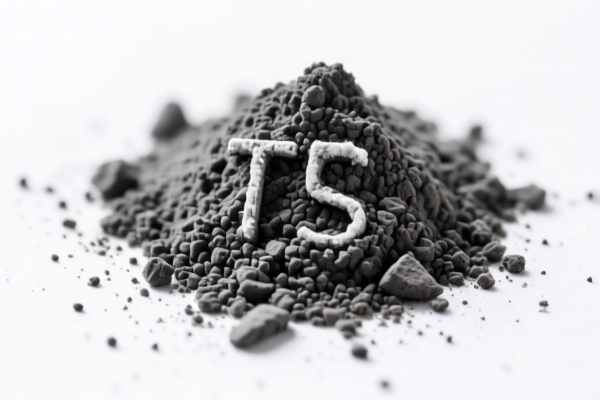
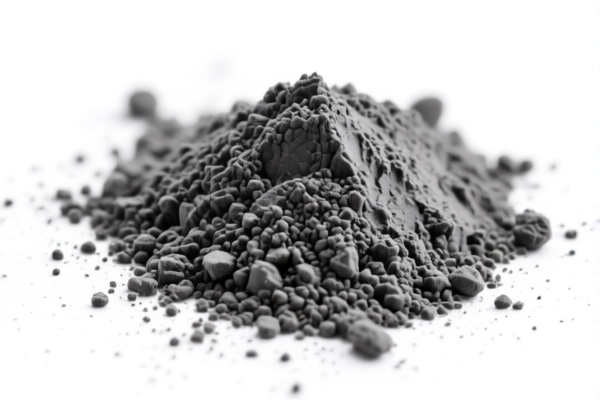
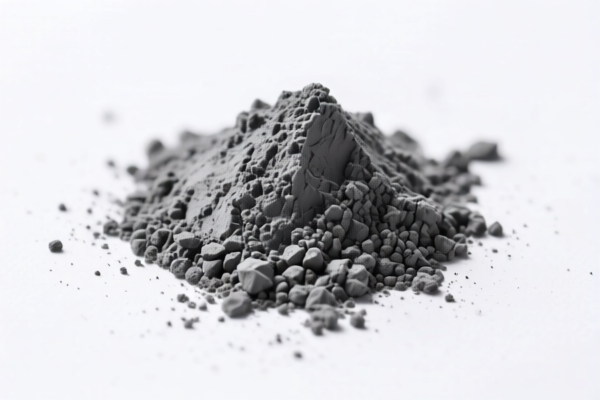
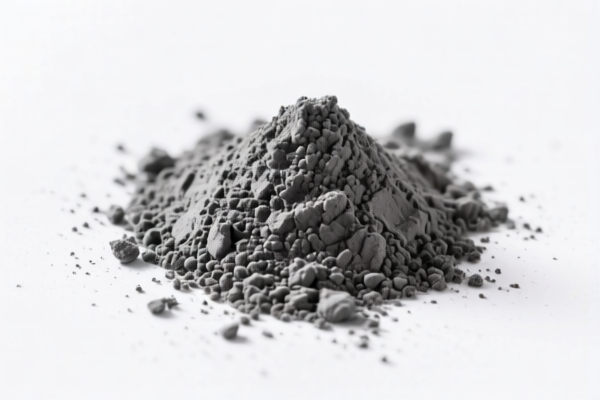
AI分析
🧪 Ammonium Tungstate Reagent Grade (钨酸铵试剂级)
🌐 HS Code Reference & Clearance Guide | 2026 Latest Tariff Analysis | Professional Compliance Strategy
📌 I. Product Definition & Classification: What Exactly Is "Ammonium Tungstate"?
Ammonium Tungstate is an inorganic chemical compound with the formula $(NH_4)_2WO_4$. In international trade, it serves two primary functions, leading to distinct customs classifications based on purity and intended use:
- Industrial/Chemical Intermediate: Used as a precursor for tungsten production, metallurgy, or general industrial chemical applications. It falls under Chapter 28 (Inorganic Chemicals).
- Laboratory/Diagnostic Reagent: High-purity grade used specifically for analytical testing, laboratory research, or diagnostic purposes. It falls under Chapter 38 (Pharmaceutical/Chemical Products for Analytical Use).
⚠️ Key Distinction Point:
- If used as a raw material for industrial synthesis or general chemistry → Classify under Chapter 28 (Higher tariffs due to trade measures).
- If labeled explicitly as "Reagent Grade" for labs/diagnostics → Classify under Chapter 38 (Lower tariffs, but stricter documentation required).
📦 II. HS Code Classification Details (2026 Latest Tariff Authoritative Comparison)
Based on the provided data, here are the specific HS Codes and their corresponding rationales:
| HS Code | Product Description | Application Scenario | Basis for Classification |
|---|---|---|---|
2849.90.50.00 |
Other Carbides, whether or not chemically defined (Includes Tungsten compounds in this specific dataset logic) | Industrial raw materials, tungsten extraction precursors | Classified as an "Inorganic Compound" under Carbides/Other Inorganics in this specific context. |
3822.90.00.00 |
Chemical Reagents & Preparations for Lab/Diagnostic Use | High-purity reagent for analytical testing | Explicitly classified as a "Chemical Reagent" for laboratory/diagnostic purposes. |
3822.19.00.80 |
Other Reagents for Lab/Diagnostic Use | Diagnostic chemicals, research-grade compounds | Classified as "Reagent-grade Chemical" specifically for diagnostic/lab use. |
2841.80.00.10 |
Other Salts of Tungstic Acid | Industrial salts, ammonium salts of tungsten | Fits the definition of "Tungstates and their Ammonium Salts." |
3822.19.00.80 |
(Duplicate Entry in Data) Reagent Grade | Diagnostic/Lab Reagent | Note: Appears twice in source data with same summary. |
🔍 Critical Note on Data Consistency:
- The dataset provides two main pathways:
1. Chapter 28 (2849/2841): For industrial/chemical salt classification.
2. Chapter 38 (3822): For high-purity reagent classification.
- Do not mix these: Using Chapter 38 for industrial-grade bulk material may lead to customs fraud allegations. Using Chapter 28 for high-purity lab reagents may result in overpayment of duties (40.5% vs 10.0%).
💰 III. 2026 Latest Tariff Rate Details (Including Surcharges & Policy Add-ons)
✅ Applicable Country: United States (US)
✅ Origin: China (CN)
✅ Effective Date: As per current trade policies (Section 301 & IEEPA)
🎯 1. Industrial/Chemical Classification (High Tariff Path)
A. 2849.90.50.00 – Other Carbides/Inorganic Compounds
| Item | Detail |
|---|---|
| Base Duty | 3.7% |
| Section 301 Surcharge | +25.0% |
| IEEPA Surcharge (Section 122) | +10.0% |
| Total Effective Rate | 38.7% |
| Calculation Basis | CIF Value × 38.7% |
| De Minimis Exemption | ❌ Not Eligible |
📌 Explanation:
- This classification treats Ammonium Tungstate as a generic inorganic chemical/carbide category.
- Total 38.7% is significant for bulk industrial imports.
B. 2841.80.00.10 – Other Tungstate Salts
| Item | Detail |
|---|---|
| Base Duty | 5.5% |
| Section 301 Surcharge | +25.0% |
| IEEPA Surcharge (Section 122) | +10.0% |
| Total Effective Rate | 40.5% |
| Calculation Basis | CIF Value × 40.5% |
| De Minimis Exemption | ❌ Not Eligible |
📌 Explanation:
- Specifically covers "Tungstates and Ammonium Salts."
- Highest tariff among all options (40.5%). Avoid this unless specifically required by chemical definition.
🎯 2. Laboratory/Diagnostic Reagent Classification (Low Tariff Path)
C. 3822.90.00.00 – Chemical Reagents for Lab/Diagnostic Use
| Item | Detail |
|---|---|
| Base Duty | 0.0% |
| Section 301 Surcharge | 0.0% |
| IEEPA Surcharge (Section 122) | +10.0% |
| Total Effective Rate | 10.0% |
| Calculation Basis | CIF Value × 10.0% |
| De Minimis Exemption | ❌ Not Eligible |
📌 Explanation:
- Significant Savings: Only 10% vs 38.7%+ for industrial grades.
- Condition: Must be documented as "Reagent Grade" for laboratory or diagnostic use.
- Legal Basis:IEEPA:9903.01.24applies the 10% surcharge even to reagents.
D. 3822.19.00.80 – Other Diagnostic/Reagent Chemicals
| Item | Detail |
|---|---|
| Base Duty | 0.0% |
| Section 301 Surcharge | 0.0% |
| IEEPA Surcharge (Section 122) | +10.0% |
| Total Effective Rate | 10.0% |
| Calculation Basis | CIF Value × 10.0% |
| De Minimis Exemption | ❌ Not Eligible |
📌 Explanation:
- Same tariff as3822.90.00.00.
- Use this if the product is specifically listed under "Other Reagents" in the diagnostic category.
- Recommendation: Use3822.90.00.00or3822.19.00.80for "Reagent Grade" to save ~28-30% in duties.
🛠️ IV. Clearance Practical Advice (Actionable Pitfall Avoidance Guide)
✅ 1. Documentation Checklist (Non-Negotiable)
| Document | Required? | Purpose |
|---|---|---|
| ✅ Certificate of Analysis (COA) | ✔️ | Proves "Reagent Grade" purity (>99%). Essential for Chapter 38 classification. |
| ✅ Product Specification Sheet | ✔️ | Details chemical composition, CAS number (13477-97-9), and intended use. |
| ✅ Commercial Invoice | ✔️ | Must clearly state "Ammonium Tungstate, Reagent Grade, For Laboratory Use Only." |
| ✅ Statement of Use | ✔️ | Confirm it is not for industrial tungsten production if claiming Chapter 38. |
| ✅ Safety Data Sheet (SDS) | ✔️ | Required for customs and safety compliance. |
✅ 2. Classification Strategy (Key Rules)
🔥 “Reagent vs. Industrial: The 30% Difference!”
| Scenario | Correct HS Code | Tax Rate | Risk if Misclassified |
|---|---|---|---|
| Industrial Grade (Bulk, for chemical synthesis) | 2849.90.50.00 or 2841.80.00.10 |
38.7% - 40.5% | Underpayment if labeled as reagent. |
| Reagent Grade (Lab/Diagnostic, High Purity) | 3822.90.00.00 or 3822.19.00.80 |
10.0% | Overpayment if labeled as industrial. |
| Mixed/Unknown Grade | ❌ Avoid | Uncertain | Customs will default to highest duty + penalties. |
📌 Crucial Tip:
- If your product is "Ammonium Tungstate Reagent Grade," ALWAYS use Chapter 38 (3822.xx.xx).
- Do NOT use Chapter 28 unless the product is explicitly for industrial salt production.
✅ 3. Special Handling Cases
| Case | Recommendation |
|---|---|
| OEM Private Label | Provide manufacturer’s COA showing purity. Use “Reagent Grade” in description. |
| Bulk Industrial Shipments | If >99% purity but used industrially, still consider 2849 if not for diagnostic use. |
| Mixed Packaging (Lab + Industrial) | Split shipments. Do not mix. Mixed consignments may be denied Chapter 38 benefits. |
| Origin: Non-China | If from Vietnam/Malaysia, IEEPA 10% surcharge may not apply (verify current exemptions). |
🌍 V. Global Clearance Comparison (2026 Outlook)
| Market | Recommended HS Code | Est. Duty (China Origin) | Key Requirement |
|---|---|---|---|
| 🇺🇸 USA | 3822.90.00.00 |
10.0% (with IEEPA) | COA, "Lab Use" declaration |
| 🇨🇳 China | 2841.80.00.10 |
~5-10% | Standard chemical import |
| 🇪🇺 EU | 2841.80 |
~4-6% | REACH Registration |
| 🇬🇧 UK | 2841.80 |
~5% | UK REACH |
📌 Conclusion:
- USA imposes the highest effective duty on reagents (10%) due to IEEPA, but it is far lower than industrial rates (38.7%+).
- Always classify Reagent Grade under Chapter 38 to maximize savings.
📌 VI. Common Mistakes & Pitfalls (Lessons Learned)
❌ Mistake 1: Using HS Code 2841.80.00.10 for Reagent Grade
👉 Result: Paying 40.5% instead of 10%. Loss of ~30% in duty costs.
❌ Mistake 2: Declaring Industrial Grade as "Reagent" without COA
👉 Result: Customs audit, penalty, and forced retroactive payment at 38.7%.
❌ Mistake 3: Vague Description "Chemical Compound"
👉 Result: Customs default to highest duty category + delay.
✅ Correct Declaration Example:
"AMMONIUM TUNGSTATE, REAGENT GRADE, PURE ≥99%, FOR LABORATORY/DIAGNOSTIC USE ONLY, CAS 13477-97-9, HS 3822.90.00.00"
🎯 VII. Conclusion: Smart Classification, Lower Costs
🎯 Key Takeaway:
🔹 "Reagent Grade" = Chapter 38 = 10% Duty
🔹 "Industrial Grade" = Chapter 28 = 38.7-40.5% Duty
🔹 Save 30% by classifying correctly!
📌 Pro Tip:
- If your Ammonium Tungstate is 100% Reagent Grade, ensure your Commercial Invoice and Packing List explicitly state:
"For Laboratory and Diagnostic Use Only. Not for Industrial Production."
- This simple wording can save you thousands of dollars per shipment.
📣 Immediate Action:
📞 Verify Purity: Check COA for Reagent Grade certification.
📦 Label Correctly: Use "Reagent Grade" on packaging and docs.
📝 Apply HS 3822.90.00.00: To benefit from the 10% tariff structure.
✨ Precision Classification = Maximum Profit!
💼 Don’t let a 3-digit HS Code code cost you 30% in duties!
用户评价
关于 HS 编码归类
协调制度(HS)是由世界海关组织(WCO)制定的国际贸易商品分类标准。全球 200 多个国家采用 HS 系统作为海关关税、贸易统计和进出口监管的基础。
每个 HS 编码遵循以下层级结构:
- 章(2 位)——商品大类(例如:第 84 章:机器和机械设备)
- 品目(4 位)——章内的更具体分类
- 子目(6 位)——国际通用细分,所有 WCO 成员国统一使用
- 本国细分(8-10 位)——各国自行扩展的细分编码,如美国 HTSUS 10 位编码
正确的 HS 编码归类对于顺利通关、准确缴纳关税和遵守贸易法规至关重要。错误归类可能导致海关延误、多缴关税或罚款。
从CN进口到US时,适用的关税税率可能包括:
- 最惠国(MFN)税率——适用于 WTO 成员国的标准关税税率
- 普通税率——适用于无贸易协定国家
- 贸易救济关税——附加关税,如 301 条款(反倾销)、232 条款(国家安全)或反补贴税
本页内容仅供参考。如需正式归类,请咨询当地海关或持牌报关代理。