Ammonium Tungstate Reagent Grade
CN → US| HS Code | Tariff Rate | Origin | Destination | Doc |
|---|---|---|---|---|
| 2849905000 | 38.7% | CN | US | Official Doc |
| 3822900000 | 10.0% | CN | US | Official Doc |
| 3822190080 | 10.0% | CN | US | Official Doc |
| 2841800010 | 40.5% | CN | US | Official Doc |
| 3822190080 | 10.0% | CN | US | Official Doc |
Product Images
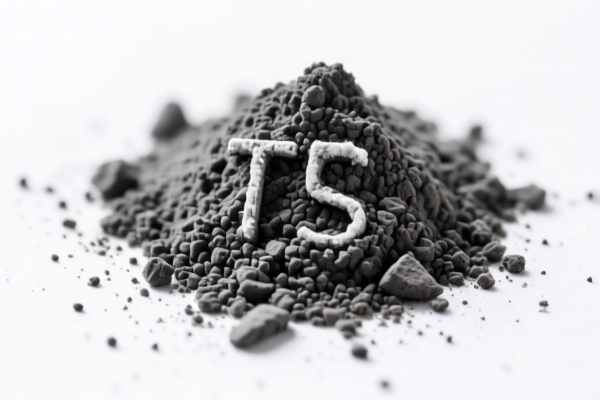
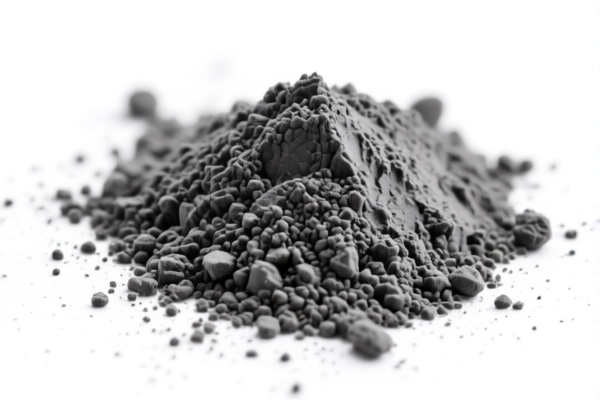
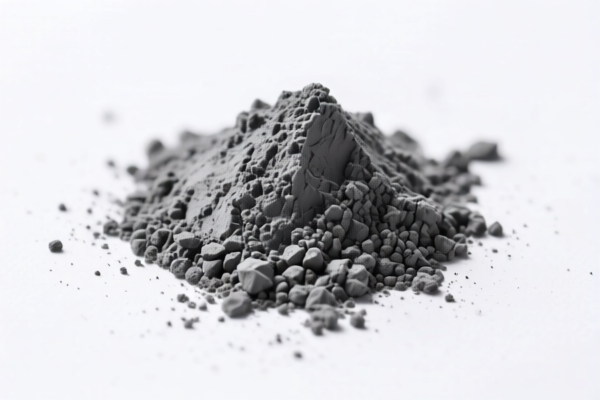
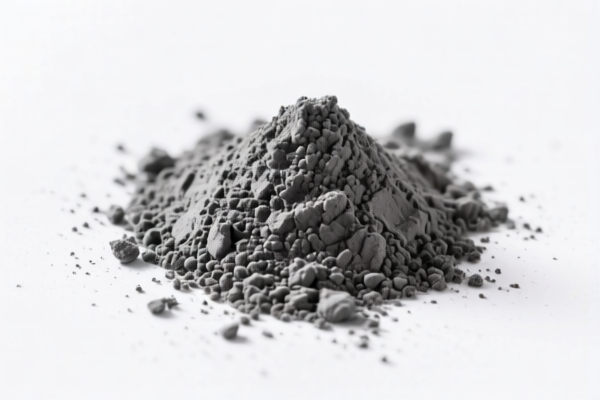
AI Analysis
🧪 Ammonium Tungstate Reagent Grade (钨酸铵试剂级)
🌐 HS Code Reference & Clearance Guide | 2026 Latest Tariff Analysis | Professional Compliance Strategy
📌 I. Product Definition & Classification: What Exactly Is "Ammonium Tungstate"?
Ammonium Tungstate is an inorganic chemical compound with the formula $(NH_4)_2WO_4$. In international trade, it serves two primary functions, leading to distinct customs classifications based on purity and intended use:
- Industrial/Chemical Intermediate: Used as a precursor for tungsten production, metallurgy, or general industrial chemical applications. It falls under Chapter 28 (Inorganic Chemicals).
- Laboratory/Diagnostic Reagent: High-purity grade used specifically for analytical testing, laboratory research, or diagnostic purposes. It falls under Chapter 38 (Pharmaceutical/Chemical Products for Analytical Use).
⚠️ Key Distinction Point:
- If used as a raw material for industrial synthesis or general chemistry → Classify under Chapter 28 (Higher tariffs due to trade measures).
- If labeled explicitly as "Reagent Grade" for labs/diagnostics → Classify under Chapter 38 (Lower tariffs, but stricter documentation required).
📦 II. HS Code Classification Details (2026 Latest Tariff Authoritative Comparison)
Based on the provided data, here are the specific HS Codes and their corresponding rationales:
| HS Code | Product Description | Application Scenario | Basis for Classification |
|---|---|---|---|
2849.90.50.00 |
Other Carbides, whether or not chemically defined (Includes Tungsten compounds in this specific dataset logic) | Industrial raw materials, tungsten extraction precursors | Classified as an "Inorganic Compound" under Carbides/Other Inorganics in this specific context. |
3822.90.00.00 |
Chemical Reagents & Preparations for Lab/Diagnostic Use | High-purity reagent for analytical testing | Explicitly classified as a "Chemical Reagent" for laboratory/diagnostic purposes. |
3822.19.00.80 |
Other Reagents for Lab/Diagnostic Use | Diagnostic chemicals, research-grade compounds | Classified as "Reagent-grade Chemical" specifically for diagnostic/lab use. |
2841.80.00.10 |
Other Salts of Tungstic Acid | Industrial salts, ammonium salts of tungsten | Fits the definition of "Tungstates and their Ammonium Salts." |
3822.19.00.80 |
(Duplicate Entry in Data) Reagent Grade | Diagnostic/Lab Reagent | Note: Appears twice in source data with same summary. |
🔍 Critical Note on Data Consistency:
- The dataset provides two main pathways:
1. Chapter 28 (2849/2841): For industrial/chemical salt classification.
2. Chapter 38 (3822): For high-purity reagent classification.
- Do not mix these: Using Chapter 38 for industrial-grade bulk material may lead to customs fraud allegations. Using Chapter 28 for high-purity lab reagents may result in overpayment of duties (40.5% vs 10.0%).
💰 III. 2026 Latest Tariff Rate Details (Including Surcharges & Policy Add-ons)
✅ Applicable Country: United States (US)
✅ Origin: China (CN)
✅ Effective Date: As per current trade policies (Section 301 & IEEPA)
🎯 1. Industrial/Chemical Classification (High Tariff Path)
A. 2849.90.50.00 – Other Carbides/Inorganic Compounds
| Item | Detail |
|---|---|
| Base Duty | 3.7% |
| Section 301 Surcharge | +25.0% |
| IEEPA Surcharge (Section 122) | +10.0% |
| Total Effective Rate | 38.7% |
| Calculation Basis | CIF Value × 38.7% |
| De Minimis Exemption | ❌ Not Eligible |
📌 Explanation:
- This classification treats Ammonium Tungstate as a generic inorganic chemical/carbide category.
- Total 38.7% is significant for bulk industrial imports.
B. 2841.80.00.10 – Other Tungstate Salts
| Item | Detail |
|---|---|
| Base Duty | 5.5% |
| Section 301 Surcharge | +25.0% |
| IEEPA Surcharge (Section 122) | +10.0% |
| Total Effective Rate | 40.5% |
| Calculation Basis | CIF Value × 40.5% |
| De Minimis Exemption | ❌ Not Eligible |
📌 Explanation:
- Specifically covers "Tungstates and Ammonium Salts."
- Highest tariff among all options (40.5%). Avoid this unless specifically required by chemical definition.
🎯 2. Laboratory/Diagnostic Reagent Classification (Low Tariff Path)
C. 3822.90.00.00 – Chemical Reagents for Lab/Diagnostic Use
| Item | Detail |
|---|---|
| Base Duty | 0.0% |
| Section 301 Surcharge | 0.0% |
| IEEPA Surcharge (Section 122) | +10.0% |
| Total Effective Rate | 10.0% |
| Calculation Basis | CIF Value × 10.0% |
| De Minimis Exemption | ❌ Not Eligible |
📌 Explanation:
- Significant Savings: Only 10% vs 38.7%+ for industrial grades.
- Condition: Must be documented as "Reagent Grade" for laboratory or diagnostic use.
- Legal Basis:IEEPA:9903.01.24applies the 10% surcharge even to reagents.
D. 3822.19.00.80 – Other Diagnostic/Reagent Chemicals
| Item | Detail |
|---|---|
| Base Duty | 0.0% |
| Section 301 Surcharge | 0.0% |
| IEEPA Surcharge (Section 122) | +10.0% |
| Total Effective Rate | 10.0% |
| Calculation Basis | CIF Value × 10.0% |
| De Minimis Exemption | ❌ Not Eligible |
📌 Explanation:
- Same tariff as3822.90.00.00.
- Use this if the product is specifically listed under "Other Reagents" in the diagnostic category.
- Recommendation: Use3822.90.00.00or3822.19.00.80for "Reagent Grade" to save ~28-30% in duties.
🛠️ IV. Clearance Practical Advice (Actionable Pitfall Avoidance Guide)
✅ 1. Documentation Checklist (Non-Negotiable)
| Document | Required? | Purpose |
|---|---|---|
| ✅ Certificate of Analysis (COA) | ✔️ | Proves "Reagent Grade" purity (>99%). Essential for Chapter 38 classification. |
| ✅ Product Specification Sheet | ✔️ | Details chemical composition, CAS number (13477-97-9), and intended use. |
| ✅ Commercial Invoice | ✔️ | Must clearly state "Ammonium Tungstate, Reagent Grade, For Laboratory Use Only." |
| ✅ Statement of Use | ✔️ | Confirm it is not for industrial tungsten production if claiming Chapter 38. |
| ✅ Safety Data Sheet (SDS) | ✔️ | Required for customs and safety compliance. |
✅ 2. Classification Strategy (Key Rules)
🔥 “Reagent vs. Industrial: The 30% Difference!”
| Scenario | Correct HS Code | Tax Rate | Risk if Misclassified |
|---|---|---|---|
| Industrial Grade (Bulk, for chemical synthesis) | 2849.90.50.00 or 2841.80.00.10 |
38.7% - 40.5% | Underpayment if labeled as reagent. |
| Reagent Grade (Lab/Diagnostic, High Purity) | 3822.90.00.00 or 3822.19.00.80 |
10.0% | Overpayment if labeled as industrial. |
| Mixed/Unknown Grade | ❌ Avoid | Uncertain | Customs will default to highest duty + penalties. |
📌 Crucial Tip:
- If your product is "Ammonium Tungstate Reagent Grade," ALWAYS use Chapter 38 (3822.xx.xx).
- Do NOT use Chapter 28 unless the product is explicitly for industrial salt production.
✅ 3. Special Handling Cases
| Case | Recommendation |
|---|---|
| OEM Private Label | Provide manufacturer’s COA showing purity. Use “Reagent Grade” in description. |
| Bulk Industrial Shipments | If >99% purity but used industrially, still consider 2849 if not for diagnostic use. |
| Mixed Packaging (Lab + Industrial) | Split shipments. Do not mix. Mixed consignments may be denied Chapter 38 benefits. |
| Origin: Non-China | If from Vietnam/Malaysia, IEEPA 10% surcharge may not apply (verify current exemptions). |
🌍 V. Global Clearance Comparison (2026 Outlook)
| Market | Recommended HS Code | Est. Duty (China Origin) | Key Requirement |
|---|---|---|---|
| 🇺🇸 USA | 3822.90.00.00 |
10.0% (with IEEPA) | COA, "Lab Use" declaration |
| 🇨🇳 China | 2841.80.00.10 |
~5-10% | Standard chemical import |
| 🇪🇺 EU | 2841.80 |
~4-6% | REACH Registration |
| 🇬🇧 UK | 2841.80 |
~5% | UK REACH |
📌 Conclusion:
- USA imposes the highest effective duty on reagents (10%) due to IEEPA, but it is far lower than industrial rates (38.7%+).
- Always classify Reagent Grade under Chapter 38 to maximize savings.
📌 VI. Common Mistakes & Pitfalls (Lessons Learned)
❌ Mistake 1: Using HS Code 2841.80.00.10 for Reagent Grade
👉 Result: Paying 40.5% instead of 10%. Loss of ~30% in duty costs.
❌ Mistake 2: Declaring Industrial Grade as "Reagent" without COA
👉 Result: Customs audit, penalty, and forced retroactive payment at 38.7%.
❌ Mistake 3: Vague Description "Chemical Compound"
👉 Result: Customs default to highest duty category + delay.
✅ Correct Declaration Example:
"AMMONIUM TUNGSTATE, REAGENT GRADE, PURE ≥99%, FOR LABORATORY/DIAGNOSTIC USE ONLY, CAS 13477-97-9, HS 3822.90.00.00"
🎯 VII. Conclusion: Smart Classification, Lower Costs
🎯 Key Takeaway:
🔹 "Reagent Grade" = Chapter 38 = 10% Duty
🔹 "Industrial Grade" = Chapter 28 = 38.7-40.5% Duty
🔹 Save 30% by classifying correctly!
📌 Pro Tip:
- If your Ammonium Tungstate is 100% Reagent Grade, ensure your Commercial Invoice and Packing List explicitly state:
"For Laboratory and Diagnostic Use Only. Not for Industrial Production."
- This simple wording can save you thousands of dollars per shipment.
📣 Immediate Action:
📞 Verify Purity: Check COA for Reagent Grade certification.
📦 Label Correctly: Use "Reagent Grade" on packaging and docs.
📝 Apply HS 3822.90.00.00: To benefit from the 10% tariff structure.
✨ Precision Classification = Maximum Profit!
💼 Don’t let a 3-digit HS Code code cost you 30% in duties!
Customer Reviews
About HS Code Classification
The Harmonized System (HS) is an internationally standardized nomenclature developed by the World Customs Organization (WCO) to classify traded products. Over 200 countries use the HS system as the basis for customs tariffs, trade statistics, and import/export regulations.
Each HS code follows a hierarchical structure:
- Chapter (2 digits) — Broad category of goods (e.g., Chapter 84: Machinery and Mechanical Appliances)
- Heading (4 digits) — More specific grouping within the chapter
- Subheading (6 digits) — Internationally standardized breakdown, used by all WCO member countries
- National subdivisions (8-10 digits) — Country-specific extensions for further classification, such as US HTSUS 10-digit codes
Correct HS code classification is essential for smooth customs clearance, accurate duty payment, and compliance with trade regulations. Misclassification can lead to customs delays, overpayment of duties, or penalties.
When importing from CN to US, the applicable tariff rates may include:
- Most-Favored-Nation (MFN) rate — The standard duty rate applied to WTO members
- General rate — Applied to countries without trade agreements
- Trade remedy duties — Additional tariffs such as Section 301 (anti-dumping), Section 232 (national security), or countervailing duties
The information provided on this page is for reference purposes only. For official classification, please consult with your local customs authority or a licensed customs broker.