Animal Fur
CN → US| HS编码 | 关税税率 | 原产国 | 目的国 | 文档 |
|---|---|---|---|---|
| 4301100010 | 17.5% | CN | US | 官方文档 |
| 4302110010 | 37.1% | CN | US | 官方文档 |
| 4302194570 | 37.2% | CN | US | 官方文档 |
| 4303100030 | 39.0% | CN | US | 官方文档 |
| 4303100060 | 39.0% | CN | US | 官方文档 |
商品图片
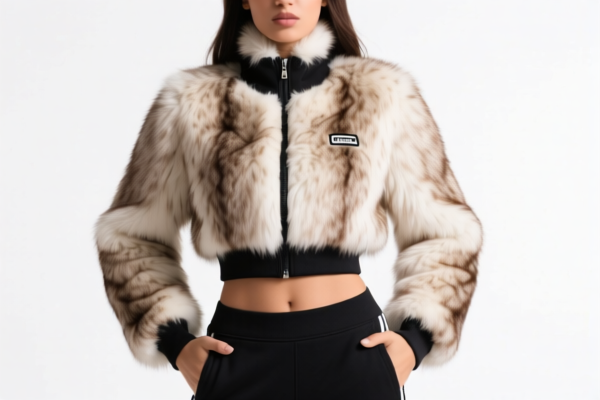
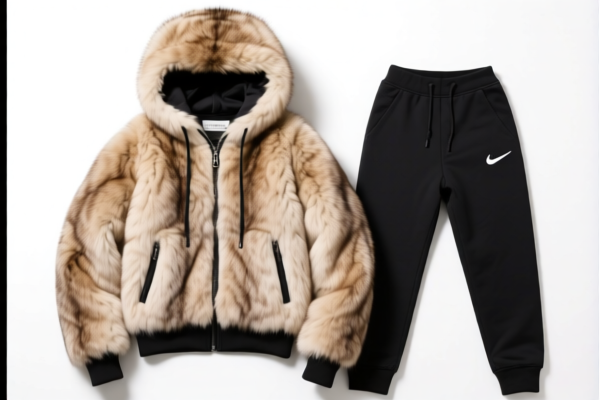
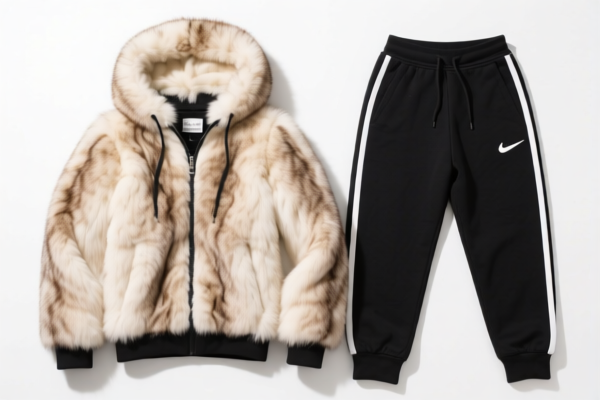
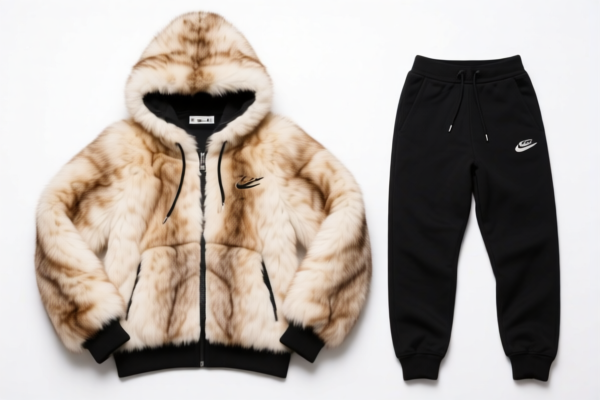
AI分析
🐾 Animal Fur (Raw, Tanned, and Finished Products)
🌐 HS Code Reference & Customs Clearance Guide | 2026 Latest Tariff Analysis | Professional Clearance Strategy
📌 I. Product Definition & Classification: What Exactly is "Animal Fur"?
In international trade, "Animal Fur" is not a single homogeneous commodity. It is strictly categorized based on its state of processing. The customs duty burden varies drastically depending on whether the fur is raw (unsalted/dried), tanned/processed, or manufactured into articles.
1. Raw Fur Skins (毛皮动物原皮):
Unprocessed, salted, dried, or frozen skins from animals like mink, fox, etc.
→ Core Attribute: Raw material, minimal processing.
2. Tanned/Processed Fur (鞣制或加工过的皮毛):
Fur that has undergone tanning, curing, or sorting but is not yet sewn into a finished article.
→ Core Attribute: Preserved, ready for garment manufacturing.
3. Fur Articles (皮毛制品):
Finished products such as coats, vests, collars, or stuffed items.
→ Core Attribute: Sewn/constructed, ready for retail use.
⚠️ Key Distinction Point:
- If it is raw/unprocessed → Likely 4301 (Lower Duty)
- If it is tanned/sorted → Likely 4302 (Medium Duty)
- If it is a finished garment/item → Likely 4303 (Highest Duty)
- Special Note: Mink skins have specific sub-headings within 4301 and 4302.
📦 II. HS Code Classification Details (Based on Provided Data)
| HS Code | Product Description | Processing State | Material Consistency |
|---|---|---|---|
4301.10.00.10 |
Mink Skins (Raw) - 貂皮(原皮) | Raw / Unprocessed | ✅ High Consistency: "Mink" is a specific type of "Animal Fur". |
4302.11.00.10 |
Tanned Mink Skins - 鞣制或加工过的皮毛 | Tanned/Processed | ✅ Consistent: "Fur" matches "Tanned/Processed Fur". |
4302.19.45.70 |
Other Tanned Fur - 鞣制或经过整理的毛皮 | Tanned/Processed | ✅ Consistent: "Fur" matches "Tanned/Sorted Fur". |
4303.10.00.30 |
Fur Articles - 皮毛制品 | Finished Article | ✅ Consistent: "Fur" matches "Fur Products". |
4303.10.00.60 |
Fur Articles (Non-Mink) - 非貂皮皮毛制品 | Finished Article | ✅ Consistent: "Fur" matches "Fur Products (Non-Mink)". |
🔍 Critical Insight:
- Raw vs. Tanned: The jump from4301to4302represents a processing value add, but also a significant tariff increase due to trade restrictions. - Mink Specifics: Mink skins are treated distinctly in sub-headings4301.10and4302.11. Misclassifying Mink as "other fur" (4302.19) can lead to audits.
💰 III. 2026 Latest Tariff Rate Breakdown (Detailed Tax Clauses)
✅ Applicable Market: United States (US)
✅ Origin: China (CN)
✅ Effective Time: Post-2025 (Current Trade Environment)
🎯 1. 4301.10.00.10 — Raw Mink Skins (貂皮原皮)
| Item | Content |
|---|---|
| Base Duty Rate | 0.0% |
| Section 301 Additional Duty | 7.5% |
| 122 Clause Tariff | 10.0% |
| Total Duty Rate | 17.5% |
| Tax Calculation | CIF Value × 17.5% |
| De Minimis Eligibility | ❌ No (High value raw materials usually excluded or scrutinized) |
| Legal Basis Path | HTSUS:4301.10.00.10 → Section 301: 7.5% → Trade Policy: 122 Clause 10% |
📌 Interpretation:
- This is the lowest tax bracket for fur products. - "122 Clause Tariff": Refers to specific trade action measures under Section 301/122 targeting Chinese imports. - Strategy: If possible, importing raw skins for processing in a third country (e.g., Turkey, Italy) before finishing may avoid US duties, but transshipment fraud is illegal. Legitimate origin rules apply.
🎯 2. 4302.11.00.10 — Tanned Mink Skins (鞣制貂皮)
| Item | Content |
|---|---|
| Base Duty Rate | 2.1% |
| Section 301 Additional Duty | 25.0% |
| 122 Clause Tariff | 10.0% |
| Total Duty Rate | 37.1% |
| Tax Calculation | CIF Value × 37.1% |
| De Minimis Eligibility | ❌ No |
| Legal Basis Path | HTSUS:4302.11.00.10 → Section 301: 25% → Trade Policy: 122 Clause 10% |
📌 Interpretation:
- Massive Jump: From 17.5% to 37.1%. - Why? Tanned fur is considered a semi-finished industrial good, heavily targeted by US trade policies. - Warning: Ensure the tanning process did not involve prohibited chemicals (e.g., chromium VI) which triggers additional regulatory barriers (EPA/TSCA).
🎯 3. 4302.19.45.70 — Other Tanned Fur (其他鞣制毛皮)
| Item | Content |
|---|---|
| Base Duty Rate | 2.2% |
| Section 301 Additional Duty | 25.0% |
| 122 Clause Tariff | 10.0% |
| Total Duty Rate | 37.2% |
| Tax Calculation | CIF Value × 37.2% |
| De Minimis Eligibility | ❌ No |
| Legal Basis Path | HTSUS:4302.19.45.70 → Section 301: 25% → Trade Policy: 122 Clause 10% |
📌 Interpretation:
- Applies to non-mink tanned furs (e.g., Fox, Rabbit, Sheep). - Slightly higher than mink due to base rate difference (2.2% vs 2.1%), but effectively the same tariff burden.
🎯 4. 4303.10.00.30 — Fur Articles (皮毛制品)
| Item | Content |
|---|---|
| Base Duty Rate | 4.0% |
| Section 301 Additional Duty | 25.0% |
| 122 Clause Tariff | 10.0% |
| Total Duty Rate | 39.0% |
| Tax Calculation | CIF Value × 39.0% |
| De Minimis Eligibility | ❌ No |
| Legal Basis Path | HTSUS:4303.10.00.30 → Section 301: 25% → Trade Policy: 122 Clause 10% |
📌 Interpretation:
- Finished Goods face the highest base duty among the raw/tanned options. - Common items: Mink coats, fur-lined jackets, stoles. - Risk: High scrutiny on "Substantial Transformation." If a coat is assembled in China using Chinese fur, it’s clearly Chinese origin. If assembled in Mexico with US fabric but Chinese fur, origin rules are complex.
🎯 5. 4303.10.00.60 — Fur Articles (Non-Mink) (非貂皮皮毛制品)
| Item | Content |
|---|---|
| Base Duty Rate | 4.0% |
| Section 301 Additional Duty | 25.0% |
| 122 Clause Tariff | 10.0% |
| Total Duty Rate | 39.0% |
| Tax Calculation | CIF Value × 39.0% |
| De Minimis Eligibility | ❌ No |
| Legal Basis Path | HTSUS:4303.10.00.60 → Section 301: 25% → Trade Policy: 122 Clause 10% |
📌 Interpretation:
- Same rate as Mink Articles. The distinction is purely for statistical and regulatory tracking (e.g., CITES permits for endangered species).
🛠️ IV. Customs Clearance Practical Advice (Avoid Pitfalls)
✅ 1. Documentation Checklist (Non-Negotiable)
| Document | Required? | Purpose |
|---|---|---|
| ✅ Commercial Invoice | ✔️ | Must clearly state: "Raw Mink Skins" or "Tanned Fur Coats". Ambiguous terms like "Animal Products" lead to delays. |
| ✅ Packing List | ✔️ | Detail weight, number of skins/pieces. |
| ✅ CITES Permit | ⚠️ Critical | If the fur is from protected species (e.g., certain foxes, wild rabbits), CITES Export/Import Permits are mandatory. Failure = Confiscation. |
| ✅ Treatment Certificate | ✔️ | For raw skins: Proof of salting/drying process. For tanned fur: Proof of chrome-free tanning (if required by buyer/regulations). |
| ✅ Origin Certificate | ✔️ | To prove CN origin. Avoids misdeclaration of origin to evade tariffs (illegal). |
| ✅ Product Photos | ✔️ | Show grain, backing, and any labels. |
✅ 2. Declaration Tips (Key Mantra)
🔥 "State the State: Raw, Tanned, or Sewn? Get it wrong, pay more!"
| Scenario | Correct HS Code | Mistake Consequence |
|---|---|---|
| Raw Mink Skins | 4301.10.00.10 (17.5%) |
Misdeclare as "Fur Garment" → 39.0% Penalty + Fine |
| Tanned Mink Skins | 4302.11.00.10 (37.1%) |
Misdeclare as "Raw Skin" → Underpayment Audit |
| Finished Mink Coat | 4303.10.00.30 (39.0%) |
Misdeclare as "Fur Accessories" (e.g., collar only) → Wrong Duty Class |
✅ 3. Special Handling & Compliance
| Issue | Handling Suggestion |
|---|---|
| CITES Protection | Verify species. Common farmed Mink are CITES Appendix II (or exempt if farmed properly), but wild-sourced fur needs strict permits. |
| Chemical Compliance | Ensure tanned fur meets REACH (if transiting EU) or California Prop 65 standards for heavy metals/formaldehyde. |
| Hygiene & Sanitation | Raw skins must be properly salted/dried to prevent pest inspection issues (APHIS). |
| Valuation | Customs will check if the declared value reflects the transaction value of similar tanned/finished fur. Under-invoicing is high-risk. |
🌍 V. Global Market Comparison (2026)
| Country/Region | Recommended HS Code | Tariff (CN Origin) | Key Requirement | Note |
|---|---|---|---|---|
| 🇺🇸 USA | 4302 / 4303 |
37.1% - 39.0% | CITES + Section 301 | Highest tariff barrier. |
| 🇪🇺 EU | 4302 / 4303 |
~10-12% | CITES + REACH | No Section 301, but strict chemical laws. |
| 🇨🇳 China | 4301 / 4302 |
0-15% | N/A | Major exporter, low entry tariff. |
| 🇹🇷 Turkey | 4302 |
~5-8% | N/A | Major fur processing hub (avoid US duties via re-export, check rules of origin). |
📌 Conclusion:
- The US market is extremely expensive for Chinese fur due to the 35% total tariff (25% + 10%) on processed/finished goods. - Raw skins (4301) are cheaper (17.5%) but require further processing elsewhere to be valuable.
📌 VI. Common Errors & Pitfalls (Blood Lessons)
❌ Error 1: Declaring "Tanned Fur" as "Raw Skins" to save tax.
👉 Result: Customs inspection reveals tanning chemicals → Seizure + 200% Penalty.
❌ Error 2: Ignoring CITES Permits for exotic fur.
👉 Result: Package held at port, fines up to $25,000 per species, criminal charges possible.
❌ Error 3: Not distinguishing between "Mink" and "Other Fur" in 4303.
👉 Result: If it’s Mink, use 4303.10.00.30. Using the generic code may trigger a manual review for misclassification.
✅ Correct Approach:
"Tanned Mink Skins, 100 PCS, Grade A, Chrome Tanned, No CITES Issue"
"Mink Fur Coat, Women’s, Lined, Fully Manufactured in China"
🎯 VII. Conclusion: Professional Clearance, Cost Control!
🎯 Remember the Mantra:
🔹 "Raw is 17.5%, Tanned is 37%, Finished is 39%. Process locally or face the tariff!"
🔹 "Check CITES first, declare the state accurately, avoid the 25% Section 301 trap!"
📌 Pro Tip:
If you are importing finished fur garments for the US market, consider:
1. Duty Drawback: If the goods are re-exported.
2. Third-Country Processing: Sourcing fur skins, processing them in a duty-free zone (e.g., Dubai, Turkey), and then shipping to the US only if the "Substantial Transformation" rule is met to change the country of origin (consult a customs attorney).
3. Pre-Ruling: Apply for a Binding Ruling from US CBP if you are unsure if a product is "Raw," "Tanned," or "Finished."
📣 Immediate Action:
📞 Contact a licensed customs broker.
📄 Prepare CITES documentation.
🚀 Clear your fur products smoothly, legally, and profitably!
✨ Professional Customs Clearance Starts with Accurate Classification!
💼 Your Cost Matters. Protect Your Margin.
用户评价
关于 HS 编码归类
协调制度(HS)是由世界海关组织(WCO)制定的国际贸易商品分类标准。全球 200 多个国家采用 HS 系统作为海关关税、贸易统计和进出口监管的基础。
每个 HS 编码遵循以下层级结构:
- 章(2 位)——商品大类(例如:第 84 章:机器和机械设备)
- 品目(4 位)——章内的更具体分类
- 子目(6 位)——国际通用细分,所有 WCO 成员国统一使用
- 本国细分(8-10 位)——各国自行扩展的细分编码,如美国 HTSUS 10 位编码
正确的 HS 编码归类对于顺利通关、准确缴纳关税和遵守贸易法规至关重要。错误归类可能导致海关延误、多缴关税或罚款。
从CN进口到US时,适用的关税税率可能包括:
- 最惠国(MFN)税率——适用于 WTO 成员国的标准关税税率
- 普通税率——适用于无贸易协定国家
- 贸易救济关税——附加关税,如 301 条款(反倾销)、232 条款(国家安全)或反补贴税
本页内容仅供参考。如需正式归类,请咨询当地海关或持牌报关代理。