Animal Fur
CN → US| HS Code | Tariff Rate | Origin | Destination | Doc |
|---|---|---|---|---|
| 4301100010 | 17.5% | CN | US | Official Doc |
| 4302110010 | 37.1% | CN | US | Official Doc |
| 4302194570 | 37.2% | CN | US | Official Doc |
| 4303100030 | 39.0% | CN | US | Official Doc |
| 4303100060 | 39.0% | CN | US | Official Doc |
Product Images
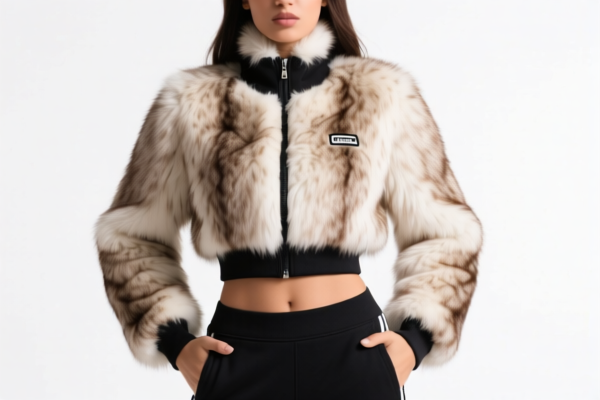
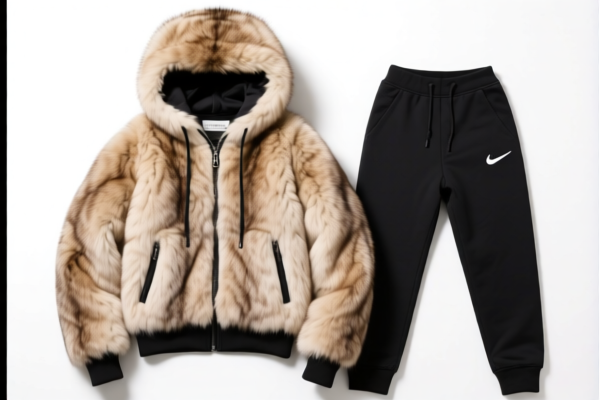
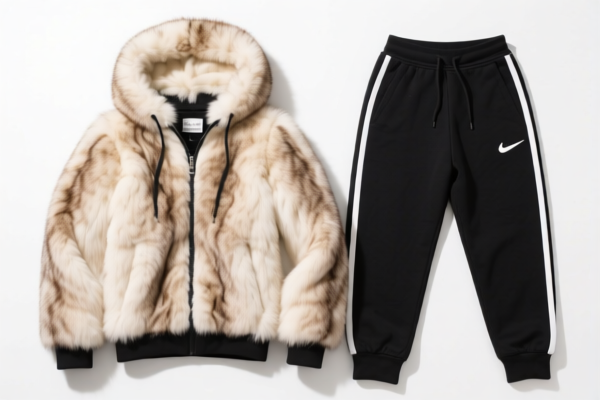
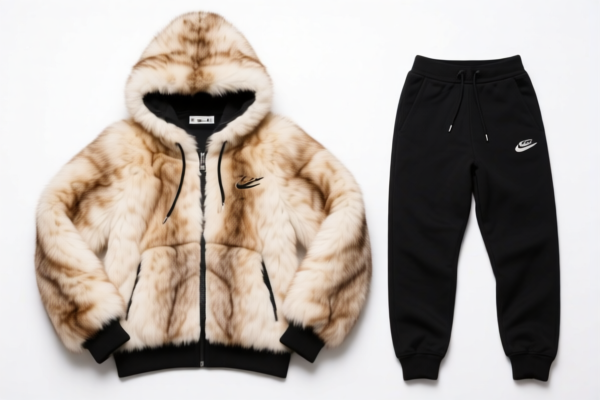
AI Analysis
🐾 Animal Fur (Raw, Tanned, and Finished Products)
🌐 HS Code Reference & Customs Clearance Guide | 2026 Latest Tariff Analysis | Professional Clearance Strategy
📌 I. Product Definition & Classification: What Exactly is "Animal Fur"?
In international trade, "Animal Fur" is not a single homogeneous commodity. It is strictly categorized based on its state of processing. The customs duty burden varies drastically depending on whether the fur is raw (unsalted/dried), tanned/processed, or manufactured into articles.
1. Raw Fur Skins (毛皮动物原皮):
Unprocessed, salted, dried, or frozen skins from animals like mink, fox, etc.
→ Core Attribute: Raw material, minimal processing.
2. Tanned/Processed Fur (鞣制或加工过的皮毛):
Fur that has undergone tanning, curing, or sorting but is not yet sewn into a finished article.
→ Core Attribute: Preserved, ready for garment manufacturing.
3. Fur Articles (皮毛制品):
Finished products such as coats, vests, collars, or stuffed items.
→ Core Attribute: Sewn/constructed, ready for retail use.
⚠️ Key Distinction Point:
- If it is raw/unprocessed → Likely 4301 (Lower Duty)
- If it is tanned/sorted → Likely 4302 (Medium Duty)
- If it is a finished garment/item → Likely 4303 (Highest Duty)
- Special Note: Mink skins have specific sub-headings within 4301 and 4302.
📦 II. HS Code Classification Details (Based on Provided Data)
| HS Code | Product Description | Processing State | Material Consistency |
|---|---|---|---|
4301.10.00.10 |
Mink Skins (Raw) - 貂皮(原皮) | Raw / Unprocessed | ✅ High Consistency: "Mink" is a specific type of "Animal Fur". |
4302.11.00.10 |
Tanned Mink Skins - 鞣制或加工过的皮毛 | Tanned/Processed | ✅ Consistent: "Fur" matches "Tanned/Processed Fur". |
4302.19.45.70 |
Other Tanned Fur - 鞣制或经过整理的毛皮 | Tanned/Processed | ✅ Consistent: "Fur" matches "Tanned/Sorted Fur". |
4303.10.00.30 |
Fur Articles - 皮毛制品 | Finished Article | ✅ Consistent: "Fur" matches "Fur Products". |
4303.10.00.60 |
Fur Articles (Non-Mink) - 非貂皮皮毛制品 | Finished Article | ✅ Consistent: "Fur" matches "Fur Products (Non-Mink)". |
🔍 Critical Insight:
- Raw vs. Tanned: The jump from4301to4302represents a processing value add, but also a significant tariff increase due to trade restrictions. - Mink Specifics: Mink skins are treated distinctly in sub-headings4301.10and4302.11. Misclassifying Mink as "other fur" (4302.19) can lead to audits.
💰 III. 2026 Latest Tariff Rate Breakdown (Detailed Tax Clauses)
✅ Applicable Market: United States (US)
✅ Origin: China (CN)
✅ Effective Time: Post-2025 (Current Trade Environment)
🎯 1. 4301.10.00.10 — Raw Mink Skins (貂皮原皮)
| Item | Content |
|---|---|
| Base Duty Rate | 0.0% |
| Section 301 Additional Duty | 7.5% |
| 122 Clause Tariff | 10.0% |
| Total Duty Rate | 17.5% |
| Tax Calculation | CIF Value × 17.5% |
| De Minimis Eligibility | ❌ No (High value raw materials usually excluded or scrutinized) |
| Legal Basis Path | HTSUS:4301.10.00.10 → Section 301: 7.5% → Trade Policy: 122 Clause 10% |
📌 Interpretation:
- This is the lowest tax bracket for fur products. - "122 Clause Tariff": Refers to specific trade action measures under Section 301/122 targeting Chinese imports. - Strategy: If possible, importing raw skins for processing in a third country (e.g., Turkey, Italy) before finishing may avoid US duties, but transshipment fraud is illegal. Legitimate origin rules apply.
🎯 2. 4302.11.00.10 — Tanned Mink Skins (鞣制貂皮)
| Item | Content |
|---|---|
| Base Duty Rate | 2.1% |
| Section 301 Additional Duty | 25.0% |
| 122 Clause Tariff | 10.0% |
| Total Duty Rate | 37.1% |
| Tax Calculation | CIF Value × 37.1% |
| De Minimis Eligibility | ❌ No |
| Legal Basis Path | HTSUS:4302.11.00.10 → Section 301: 25% → Trade Policy: 122 Clause 10% |
📌 Interpretation:
- Massive Jump: From 17.5% to 37.1%. - Why? Tanned fur is considered a semi-finished industrial good, heavily targeted by US trade policies. - Warning: Ensure the tanning process did not involve prohibited chemicals (e.g., chromium VI) which triggers additional regulatory barriers (EPA/TSCA).
🎯 3. 4302.19.45.70 — Other Tanned Fur (其他鞣制毛皮)
| Item | Content |
|---|---|
| Base Duty Rate | 2.2% |
| Section 301 Additional Duty | 25.0% |
| 122 Clause Tariff | 10.0% |
| Total Duty Rate | 37.2% |
| Tax Calculation | CIF Value × 37.2% |
| De Minimis Eligibility | ❌ No |
| Legal Basis Path | HTSUS:4302.19.45.70 → Section 301: 25% → Trade Policy: 122 Clause 10% |
📌 Interpretation:
- Applies to non-mink tanned furs (e.g., Fox, Rabbit, Sheep). - Slightly higher than mink due to base rate difference (2.2% vs 2.1%), but effectively the same tariff burden.
🎯 4. 4303.10.00.30 — Fur Articles (皮毛制品)
| Item | Content |
|---|---|
| Base Duty Rate | 4.0% |
| Section 301 Additional Duty | 25.0% |
| 122 Clause Tariff | 10.0% |
| Total Duty Rate | 39.0% |
| Tax Calculation | CIF Value × 39.0% |
| De Minimis Eligibility | ❌ No |
| Legal Basis Path | HTSUS:4303.10.00.30 → Section 301: 25% → Trade Policy: 122 Clause 10% |
📌 Interpretation:
- Finished Goods face the highest base duty among the raw/tanned options. - Common items: Mink coats, fur-lined jackets, stoles. - Risk: High scrutiny on "Substantial Transformation." If a coat is assembled in China using Chinese fur, it’s clearly Chinese origin. If assembled in Mexico with US fabric but Chinese fur, origin rules are complex.
🎯 5. 4303.10.00.60 — Fur Articles (Non-Mink) (非貂皮皮毛制品)
| Item | Content |
|---|---|
| Base Duty Rate | 4.0% |
| Section 301 Additional Duty | 25.0% |
| 122 Clause Tariff | 10.0% |
| Total Duty Rate | 39.0% |
| Tax Calculation | CIF Value × 39.0% |
| De Minimis Eligibility | ❌ No |
| Legal Basis Path | HTSUS:4303.10.00.60 → Section 301: 25% → Trade Policy: 122 Clause 10% |
📌 Interpretation:
- Same rate as Mink Articles. The distinction is purely for statistical and regulatory tracking (e.g., CITES permits for endangered species).
🛠️ IV. Customs Clearance Practical Advice (Avoid Pitfalls)
✅ 1. Documentation Checklist (Non-Negotiable)
| Document | Required? | Purpose |
|---|---|---|
| ✅ Commercial Invoice | ✔️ | Must clearly state: "Raw Mink Skins" or "Tanned Fur Coats". Ambiguous terms like "Animal Products" lead to delays. |
| ✅ Packing List | ✔️ | Detail weight, number of skins/pieces. |
| ✅ CITES Permit | ⚠️ Critical | If the fur is from protected species (e.g., certain foxes, wild rabbits), CITES Export/Import Permits are mandatory. Failure = Confiscation. |
| ✅ Treatment Certificate | ✔️ | For raw skins: Proof of salting/drying process. For tanned fur: Proof of chrome-free tanning (if required by buyer/regulations). |
| ✅ Origin Certificate | ✔️ | To prove CN origin. Avoids misdeclaration of origin to evade tariffs (illegal). |
| ✅ Product Photos | ✔️ | Show grain, backing, and any labels. |
✅ 2. Declaration Tips (Key Mantra)
🔥 "State the State: Raw, Tanned, or Sewn? Get it wrong, pay more!"
| Scenario | Correct HS Code | Mistake Consequence |
|---|---|---|
| Raw Mink Skins | 4301.10.00.10 (17.5%) |
Misdeclare as "Fur Garment" → 39.0% Penalty + Fine |
| Tanned Mink Skins | 4302.11.00.10 (37.1%) |
Misdeclare as "Raw Skin" → Underpayment Audit |
| Finished Mink Coat | 4303.10.00.30 (39.0%) |
Misdeclare as "Fur Accessories" (e.g., collar only) → Wrong Duty Class |
✅ 3. Special Handling & Compliance
| Issue | Handling Suggestion |
|---|---|
| CITES Protection | Verify species. Common farmed Mink are CITES Appendix II (or exempt if farmed properly), but wild-sourced fur needs strict permits. |
| Chemical Compliance | Ensure tanned fur meets REACH (if transiting EU) or California Prop 65 standards for heavy metals/formaldehyde. |
| Hygiene & Sanitation | Raw skins must be properly salted/dried to prevent pest inspection issues (APHIS). |
| Valuation | Customs will check if the declared value reflects the transaction value of similar tanned/finished fur. Under-invoicing is high-risk. |
🌍 V. Global Market Comparison (2026)
| Country/Region | Recommended HS Code | Tariff (CN Origin) | Key Requirement | Note |
|---|---|---|---|---|
| 🇺🇸 USA | 4302 / 4303 |
37.1% - 39.0% | CITES + Section 301 | Highest tariff barrier. |
| 🇪🇺 EU | 4302 / 4303 |
~10-12% | CITES + REACH | No Section 301, but strict chemical laws. |
| 🇨🇳 China | 4301 / 4302 |
0-15% | N/A | Major exporter, low entry tariff. |
| 🇹🇷 Turkey | 4302 |
~5-8% | N/A | Major fur processing hub (avoid US duties via re-export, check rules of origin). |
📌 Conclusion:
- The US market is extremely expensive for Chinese fur due to the 35% total tariff (25% + 10%) on processed/finished goods. - Raw skins (4301) are cheaper (17.5%) but require further processing elsewhere to be valuable.
📌 VI. Common Errors & Pitfalls (Blood Lessons)
❌ Error 1: Declaring "Tanned Fur" as "Raw Skins" to save tax.
👉 Result: Customs inspection reveals tanning chemicals → Seizure + 200% Penalty.
❌ Error 2: Ignoring CITES Permits for exotic fur.
👉 Result: Package held at port, fines up to $25,000 per species, criminal charges possible.
❌ Error 3: Not distinguishing between "Mink" and "Other Fur" in 4303.
👉 Result: If it’s Mink, use 4303.10.00.30. Using the generic code may trigger a manual review for misclassification.
✅ Correct Approach:
"Tanned Mink Skins, 100 PCS, Grade A, Chrome Tanned, No CITES Issue"
"Mink Fur Coat, Women’s, Lined, Fully Manufactured in China"
🎯 VII. Conclusion: Professional Clearance, Cost Control!
🎯 Remember the Mantra:
🔹 "Raw is 17.5%, Tanned is 37%, Finished is 39%. Process locally or face the tariff!"
🔹 "Check CITES first, declare the state accurately, avoid the 25% Section 301 trap!"
📌 Pro Tip:
If you are importing finished fur garments for the US market, consider:
1. Duty Drawback: If the goods are re-exported.
2. Third-Country Processing: Sourcing fur skins, processing them in a duty-free zone (e.g., Dubai, Turkey), and then shipping to the US only if the "Substantial Transformation" rule is met to change the country of origin (consult a customs attorney).
3. Pre-Ruling: Apply for a Binding Ruling from US CBP if you are unsure if a product is "Raw," "Tanned," or "Finished."
📣 Immediate Action:
📞 Contact a licensed customs broker.
📄 Prepare CITES documentation.
🚀 Clear your fur products smoothly, legally, and profitably!
✨ Professional Customs Clearance Starts with Accurate Classification!
💼 Your Cost Matters. Protect Your Margin.
Customer Reviews
About HS Code Classification
The Harmonized System (HS) is an internationally standardized nomenclature developed by the World Customs Organization (WCO) to classify traded products. Over 200 countries use the HS system as the basis for customs tariffs, trade statistics, and import/export regulations.
Each HS code follows a hierarchical structure:
- Chapter (2 digits) — Broad category of goods (e.g., Chapter 84: Machinery and Mechanical Appliances)
- Heading (4 digits) — More specific grouping within the chapter
- Subheading (6 digits) — Internationally standardized breakdown, used by all WCO member countries
- National subdivisions (8-10 digits) — Country-specific extensions for further classification, such as US HTSUS 10-digit codes
Correct HS code classification is essential for smooth customs clearance, accurate duty payment, and compliance with trade regulations. Misclassification can lead to customs delays, overpayment of duties, or penalties.
When importing from CN to US, the applicable tariff rates may include:
- Most-Favored-Nation (MFN) rate — The standard duty rate applied to WTO members
- General rate — Applied to countries without trade agreements
- Trade remedy duties — Additional tariffs such as Section 301 (anti-dumping), Section 232 (national security), or countervailing duties
The information provided on this page is for reference purposes only. For official classification, please consult with your local customs authority or a licensed customs broker.