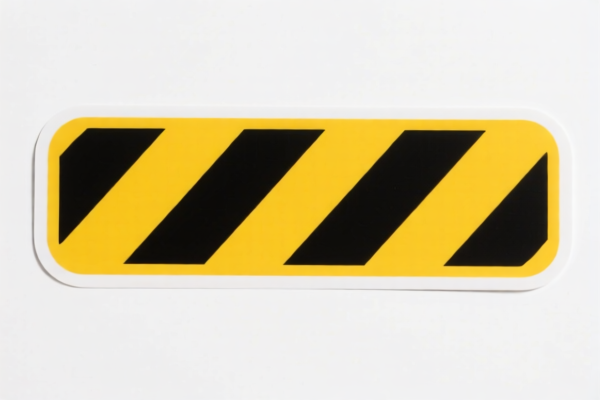
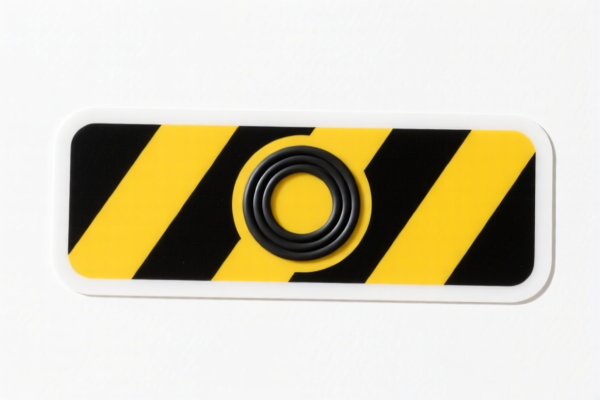
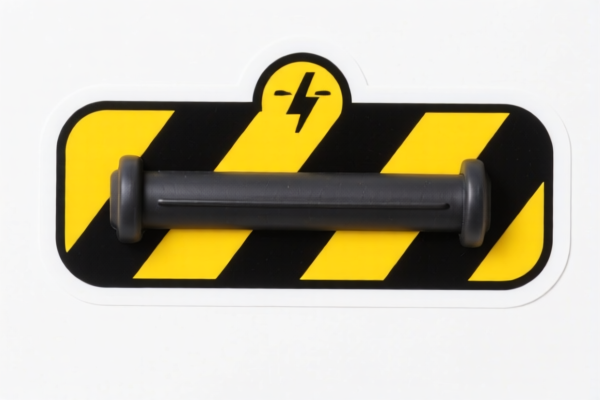
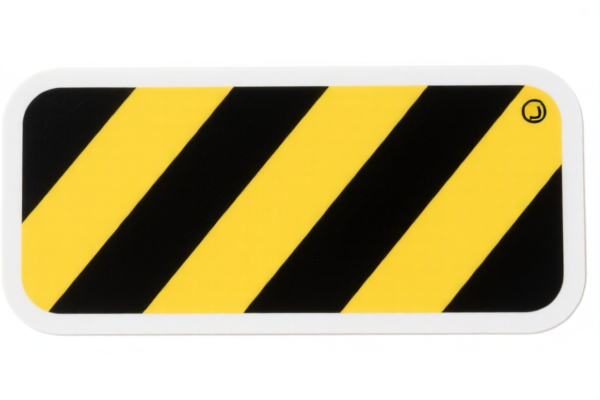
Anti collision Sticker
CN → US| HS编码 | 关税税率 | 原产国 | 目的国 | 文档 |
|---|---|---|---|---|
| 5907001500 | 43.0% | CN | US | 官方文档 |
| 4016910000 | 37.7% | CN | US | 官方文档 |
| 3919905060 | 40.8% | CN | US | 官方文档 |
| 4016996050 | 37.5% | CN | US | 官方文档 |
| 3919102055 | 40.8% | CN | US | 官方文档 |
商品图片
AI分析
🛡️ Anti-Collision Stickers: The Ultimate Guide to HS Codes, Tariffs, and Clearance Strategies (2026 Edition)
🌐 HS Code Reference & Clearance Guide | Latest 2026 Tariff Analysis | Professional Clearance Strategy for Anti-Collision Stickers
📌 I. Product Definition & Classification: What Exactly Are "Anti-Collision Stickers"?
Anti-collision stickers are adhesive protective items designed to prevent damage from impacts, typically used on furniture, walls, doors, and industrial equipment. In international trade, their classification strictly depends on material composition and form. Misclassification leads to significant tariff risks due to the heavy "Section 301" and "122 Clause" surcharges on Chinese goods entering the US market.
Key Distinctions: * Textile/Fiber-Based: Fabric or synthetic fiber sheets with coating → Chapter 59 * Rubber/Elastomer-Based: Soft, elastic mats or pads → Chapter 40 * Plastic/Film-Based: Rigid or semi-rigid self-adhesive films (PVC/PE) → Chapter 39
⚠️ Critical Distinction Point:
- If the product is elastic, rubber-like, and acts as a cushion/mat → Classify under Chapter 40 (Rubber).
- If the product is a flat, self-adhesive plastic film (even if slightly soft) → Classify under Chapter 39 (Plastics).
- If the product is fabric-based with a treated surface → Classify under Chapter 59 (Textiles).
📦 II. Detailed HS Code Classification (2026 Latest Tariff Schedule)
Based on the provided data, here are the four primary HS Codes for Anti-Collision Stickers, along with their specific tax breakdowns.
| HS Code | Product Description | Material/Form | Total Tax Rate* | Tax Breakdown |
|---|---|---|---|---|
| 5907.00.15.00 | Anti-Collision Sticker, Textile/Fiber based | Textile/Synthetic Fiber, coated/laminated patch | 43.0% | Base: 8.0% + Section 301: 25.0% + Section 122: 10.0% |
| 4016.91.00.00 | Anti-Collision Sticker, Rubber/Plastic mat | Rubber, vulcanized rubber product (mats/floor coverings) | 37.7% | Base: 2.7% + Section 301: 25.0% + Section 122: 10.0% |
| 3919.90.50.60 | Anti-Collision Sticker, Plastic Self-Adhesive | Plastic (PVC/PE), flat self-adhesive shape | 40.8% | Base: 5.8% + Section 301: 25.0% + Section 122: 10.0% |
| 4016.99.60.50 | Anti-Collision Sticker, Rubber/Elastomer Pad | Rubber/Elastomer, other vulcanized rubber products | 37.5% | Base: 2.5% + Section 301: 25.0% + Section 122: 10.0% |
| 3919.10.20.55 | Anti-Collision Sticker, Plastic Flat Patch | Plastic, flat self-adhesive patch, anti-slip purpose | 40.8% | Base: 5.8% + Section 301: 25.0% + Section 122: 10.0% |
Note: All rates above apply to Chinese-origin (CN) goods entering the US Market*, including base tariffs, Section 301 additional duties (25%), and Section 122 duties (10%).
💰 III. 2026 Tariff Rate Details Explained
🎯 1. 5907.00.15.00 – Textile-Based Anti-Collision Stickers
- Base Tariff: 8.0%
- Section 301 Surcharge: +25.0%
- Section 122 Surcharge: +10.0%
- Total Effective Rate: 43.0%
- Why this code?: The product is fundamentally a textile or synthetic fiber material that has been coated or covered to provide anti-slip or protective properties. It is not primarily rubber or rigid plastic.
- Risk: High base tariff (8%) makes this the most expensive option among the listed codes.
🎯 2. 4016.91.00.00 – Rubber Mats/Pads
- Base Tariff: 2.7%
- Section 301 Surcharge: +25.0%
- Section 122 Surcharge: +10.0%
- Total Effective Rate: 37.7%
- Why this code?: Used for products made of vulcanized rubber, specifically categorized as "mats" or "floor coverings." If the anti-collision sticker is thick, rubbery, and functions like a small mat, this code is appropriate.
- Advantage: Lower base tariff (2.7%) compared to plastic or textile options.
🎯 3. 3919.90.50.60 – Plastic Self-Adhesive Films
- Base Tariff: 5.8%
- Section 301 Surcharge: +25.0%
- Section 122 Surcharge: +10.0%
- Total Effective Rate: 40.8%
- Why this code?: For flat, self-adhesive products made of plastic (like PVC or PE). This is the most common classification for thin, adhesive "bumpers" or "pads" used on furniture.
- Note: This code carries a higher base tariff than rubber codes but is often more accurate for thin adhesive films.
🎯 4. 4016.99.60.50 – Other Vulcanized Rubber Products
- Base Tariff: 2.5%
- Section 301 Surcharge: +25.0%
- Section 122 Surcharge: +10.0%
- Total Effective Rate: 37.5%
- Why this code?: The lowest total tax rate (37.5%). Use this if the product is made of rubber/elastomer but does not fit the "mat" definition of 4016.91. It is a catch-all for other rubber articles.
- Strategy: If your product is clearly rubber-based, this is the most cost-effective classification.
🎯 5. 3919.10.20.55 – Plastic Self-Adhesive Patches
- Base Tariff: 5.8%
- Section 301 Surcharge: +25.0%
- Section 122 Surcharge: +10.0%
- Total Effective Rate: 40.8%
- Why this code?: Similar to 3919.90.50.60 but specifically for flat, self-adhesive patches. The distinction between 3919.10 and 3919.90 often depends on the specific sub-classification of plastic articles in the HTSUS. Both carry the same total tax.
🛠️ IV. Clearance Operational Advice (Practical Pitfall Avoidance)
✅ 1. Documentation Checklist (Must-Haves)
| Document | Required | Purpose |
|---|---|---|
| Product Specification Sheet | ✔️ | Detail material composition (e.g., "90% Rubber, 10% Adhesive") to justify HS Code. |
| Product Photos (Close-up) | ✔️ | Show texture: Is it rubbery (Chapter 40) or plastic film (Chapter 39)? |
| Composition Statement | ✔️ | Explicitly state: "Material: Natural Rubber/Synthetic Rubber/Plastic" |
| Commercial Invoice | ✔️ | Clearly describe as "Anti-Collision Pad/Sticker" and not "Decorative Sticker" (which may have different rules). |
| Origin Certificate | ✔️ | Confirm China origin to apply the correct 301/122 surcharges. |
✅ 2. Classification Strategy (Key Rules)
🔥 "Material Determines Code, Adhesive Does Not"
| Scenario | Recommended HS Code | Reasoning |
|---|---|---|
| Thick, soft, bouncy pads | 4016.99.60.50 or 4016.91.00.00 |
Clearly rubber/elastomer. Lowest tax (37.5%-37.7%). |
| Thin, transparent/yellow PVC film | 3919.90.50.60 or 3919.10.20.55 |
Clearly plastic. Tax is higher (40.8%). |
| Fabric-backed, non-woven material | 5907.00.15.00 |
Textile-based. Highest tax (43.0%). Avoid if possible. |
| Mixed Material (e.g., Rubber + Plastic) | Consult Customs Broker | If rubber is the essential character, use Chapter 40. |
✅ 3. Special Considerations
- Section 122 Impact: All listed codes include a 10% Section 122 duty. This is a significant cost driver and cannot be avoided for Chinese goods.
- De Minimis Exemption: ❌ Not Applicable. All these codes are subject to full duties and surcharges. Do not rely on $800 de minimis rules if the shipment value exceeds thresholds or if specific restrictions apply.
- Material Misclassification Risk:
- ❌ Mistake: Classifying a rubber pad as a plastic sticker (
3919...). - ❌ Consequence: Customs may reclassify it, leading to penalties, back-tariffs, and shipment delays.
- ✅ Solution: Provide a material safety data sheet (MSDS) or composition analysis from the manufacturer.
- ❌ Mistake: Classifying a rubber pad as a plastic sticker (
🌍 V. Global Market Comparison (2026)
| Country/Region | Recommended HS Code | Total Tariff (China Origin) | Notes |
|---|---|---|---|
| 🇺🇸 USA | 4016.99.60.50 |
37.5% | Best option for Rubber. Use 3919 for Plastic (40.8%). |
| 🇨🇳 China | Varies | ~2.5% - 5.0% | Import duties into China are lower, but export from China faces US tariffs. |
| 🇪🇺 EU | Varies | ~2.5% - 6.5% | No Section 301/122 surcharges. Much lower duty burden. |
| 🇬🇧 UK | Varies | ~2.5% - 6.5% | Post-Brexit tariffs similar to EU. |
📌 Conclusion:
- The US market is the most expensive for anti-collision stickers due to 301/122 duties.
- Rubber-based products (4016.99.60.50) offer the lowest total tax (37.5%) among the listed options.
- If your product is plastic-based, you must accept the 40.8% rate.
- Textile-based products (5907.00.15.00) are the most expensive (43.0%) and should be avoided if alternative materials are feasible.
📌 VI. Common Errors & Pitfalls
❌ Error 1: Classifying all stickers as 3919.90.50.60 regardless of material.
👉 Result: If the product is actually rubber, Customs may reject the entry or assess penalties for misdeclaration.
✅ Fix: Test material hardness and composition. If it stretches like a rubber band, use Chapter 40.
❌ Error 2: Ignoring the "122 Clause" in cost calculations.
👉 Result: Underestimating landed cost by 10%.
✅ Fix: Always add 10% to your duty calculation for Chinese goods into the US.
❌ Error 3: Describing the product as "Decal" or "Decal Sticker" instead of "Anti-Collision Pad".
👉 Result: Confusion with decorative decals (which may have different rules).
✅ Fix: Use clear terms like "Protective Pad," "Bumper Pad," or "Anti-Collision Sticker."
🎯 VII. Conclusion: Optimize Classification, Minimize Costs!
🎯 Key Takeaway:
🔹 Material is King: Rubber (
4016) > Plastic (3919) > Textile (5907).
🔹 Best Rate:4016.99.60.50at 37.5% total tax.
🔹 Avoid:5907.00.15.00at 43.0% unless no other option exists.
🔹 Always Include: Base Tariff + 25% (301) + 10% (122) = Total Effective Rate.
📌 Pro Tip:
If you have flexibility in material sourcing, choose rubber-based materials for anti-collision stickers destined for the US market to save 3.3% - 5.5% in total duties compared to plastic or textile options.
📣 Immediate Action:
📞 Verify your product's material composition.
📦 If rubber, declare under 4016.99.60.50.
📦 If plastic, declare under 3919.90.50.60.
🚀 Pre-clearance documentation is essential to avoid 301/122 disputes!
✨ Professional Classification, Smarter Clearance!
💼 Every Percent Saved is Pure Profit!
用户评价
关于 HS 编码归类
协调制度(HS)是由世界海关组织(WCO)制定的国际贸易商品分类标准。全球 200 多个国家采用 HS 系统作为海关关税、贸易统计和进出口监管的基础。
每个 HS 编码遵循以下层级结构:
- 章(2 位)——商品大类(例如:第 84 章:机器和机械设备)
- 品目(4 位)——章内的更具体分类
- 子目(6 位)——国际通用细分,所有 WCO 成员国统一使用
- 本国细分(8-10 位)——各国自行扩展的细分编码,如美国 HTSUS 10 位编码
正确的 HS 编码归类对于顺利通关、准确缴纳关税和遵守贸易法规至关重要。错误归类可能导致海关延误、多缴关税或罚款。
从CN进口到US时,适用的关税税率可能包括:
- 最惠国(MFN)税率——适用于 WTO 成员国的标准关税税率
- 普通税率——适用于无贸易协定国家
- 贸易救济关税——附加关税,如 301 条款(反倾销)、232 条款(国家安全)或反补贴税
本页内容仅供参考。如需正式归类,请咨询当地海关或持牌报关代理。