Anti collision Sticker
CN → US| HS Code | Tariff Rate | Origin | Destination | Doc |
|---|---|---|---|---|
| 5907001500 | 43.0% | CN | US | Official Doc |
| 4016910000 | 37.7% | CN | US | Official Doc |
| 3919905060 | 40.8% | CN | US | Official Doc |
| 4016996050 | 37.5% | CN | US | Official Doc |
| 3919102055 | 40.8% | CN | US | Official Doc |
Product Images
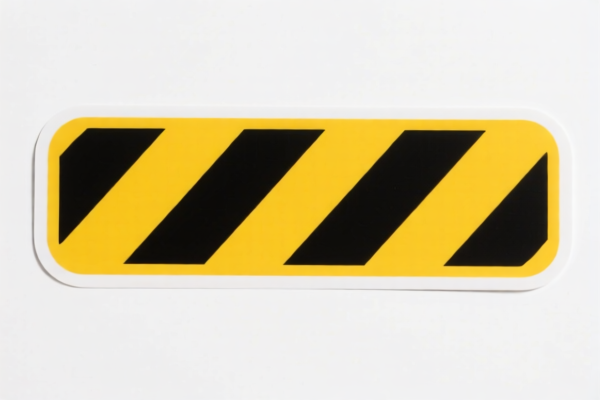
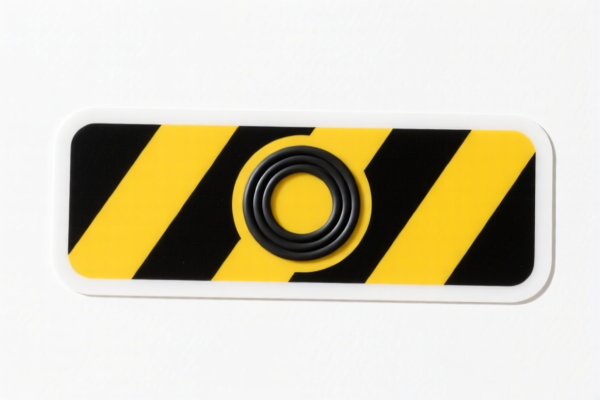
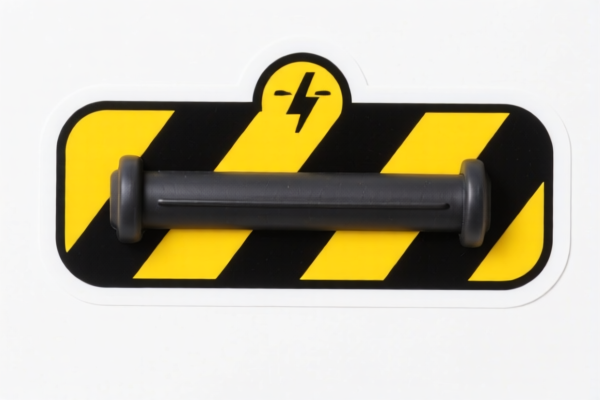
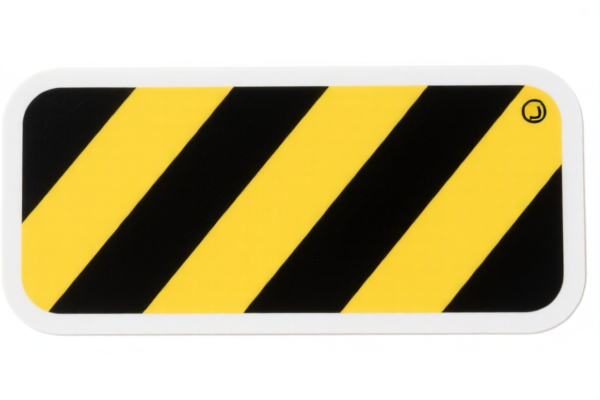
AI Analysis
🛡️ Anti-Collision Stickers: The Ultimate Guide to HS Codes, Tariffs, and Clearance Strategies (2026 Edition)
🌐 HS Code Reference & Clearance Guide | Latest 2026 Tariff Analysis | Professional Clearance Strategy for Anti-Collision Stickers
📌 I. Product Definition & Classification: What Exactly Are "Anti-Collision Stickers"?
Anti-collision stickers are adhesive protective items designed to prevent damage from impacts, typically used on furniture, walls, doors, and industrial equipment. In international trade, their classification strictly depends on material composition and form. Misclassification leads to significant tariff risks due to the heavy "Section 301" and "122 Clause" surcharges on Chinese goods entering the US market.
Key Distinctions: * Textile/Fiber-Based: Fabric or synthetic fiber sheets with coating → Chapter 59 * Rubber/Elastomer-Based: Soft, elastic mats or pads → Chapter 40 * Plastic/Film-Based: Rigid or semi-rigid self-adhesive films (PVC/PE) → Chapter 39
⚠️ Critical Distinction Point:
- If the product is elastic, rubber-like, and acts as a cushion/mat → Classify under Chapter 40 (Rubber).
- If the product is a flat, self-adhesive plastic film (even if slightly soft) → Classify under Chapter 39 (Plastics).
- If the product is fabric-based with a treated surface → Classify under Chapter 59 (Textiles).
📦 II. Detailed HS Code Classification (2026 Latest Tariff Schedule)
Based on the provided data, here are the four primary HS Codes for Anti-Collision Stickers, along with their specific tax breakdowns.
| HS Code | Product Description | Material/Form | Total Tax Rate* | Tax Breakdown |
|---|---|---|---|---|
| 5907.00.15.00 | Anti-Collision Sticker, Textile/Fiber based | Textile/Synthetic Fiber, coated/laminated patch | 43.0% | Base: 8.0% + Section 301: 25.0% + Section 122: 10.0% |
| 4016.91.00.00 | Anti-Collision Sticker, Rubber/Plastic mat | Rubber, vulcanized rubber product (mats/floor coverings) | 37.7% | Base: 2.7% + Section 301: 25.0% + Section 122: 10.0% |
| 3919.90.50.60 | Anti-Collision Sticker, Plastic Self-Adhesive | Plastic (PVC/PE), flat self-adhesive shape | 40.8% | Base: 5.8% + Section 301: 25.0% + Section 122: 10.0% |
| 4016.99.60.50 | Anti-Collision Sticker, Rubber/Elastomer Pad | Rubber/Elastomer, other vulcanized rubber products | 37.5% | Base: 2.5% + Section 301: 25.0% + Section 122: 10.0% |
| 3919.10.20.55 | Anti-Collision Sticker, Plastic Flat Patch | Plastic, flat self-adhesive patch, anti-slip purpose | 40.8% | Base: 5.8% + Section 301: 25.0% + Section 122: 10.0% |
Note: All rates above apply to Chinese-origin (CN) goods entering the US Market*, including base tariffs, Section 301 additional duties (25%), and Section 122 duties (10%).
💰 III. 2026 Tariff Rate Details Explained
🎯 1. 5907.00.15.00 – Textile-Based Anti-Collision Stickers
- Base Tariff: 8.0%
- Section 301 Surcharge: +25.0%
- Section 122 Surcharge: +10.0%
- Total Effective Rate: 43.0%
- Why this code?: The product is fundamentally a textile or synthetic fiber material that has been coated or covered to provide anti-slip or protective properties. It is not primarily rubber or rigid plastic.
- Risk: High base tariff (8%) makes this the most expensive option among the listed codes.
🎯 2. 4016.91.00.00 – Rubber Mats/Pads
- Base Tariff: 2.7%
- Section 301 Surcharge: +25.0%
- Section 122 Surcharge: +10.0%
- Total Effective Rate: 37.7%
- Why this code?: Used for products made of vulcanized rubber, specifically categorized as "mats" or "floor coverings." If the anti-collision sticker is thick, rubbery, and functions like a small mat, this code is appropriate.
- Advantage: Lower base tariff (2.7%) compared to plastic or textile options.
🎯 3. 3919.90.50.60 – Plastic Self-Adhesive Films
- Base Tariff: 5.8%
- Section 301 Surcharge: +25.0%
- Section 122 Surcharge: +10.0%
- Total Effective Rate: 40.8%
- Why this code?: For flat, self-adhesive products made of plastic (like PVC or PE). This is the most common classification for thin, adhesive "bumpers" or "pads" used on furniture.
- Note: This code carries a higher base tariff than rubber codes but is often more accurate for thin adhesive films.
🎯 4. 4016.99.60.50 – Other Vulcanized Rubber Products
- Base Tariff: 2.5%
- Section 301 Surcharge: +25.0%
- Section 122 Surcharge: +10.0%
- Total Effective Rate: 37.5%
- Why this code?: The lowest total tax rate (37.5%). Use this if the product is made of rubber/elastomer but does not fit the "mat" definition of 4016.91. It is a catch-all for other rubber articles.
- Strategy: If your product is clearly rubber-based, this is the most cost-effective classification.
🎯 5. 3919.10.20.55 – Plastic Self-Adhesive Patches
- Base Tariff: 5.8%
- Section 301 Surcharge: +25.0%
- Section 122 Surcharge: +10.0%
- Total Effective Rate: 40.8%
- Why this code?: Similar to 3919.90.50.60 but specifically for flat, self-adhesive patches. The distinction between 3919.10 and 3919.90 often depends on the specific sub-classification of plastic articles in the HTSUS. Both carry the same total tax.
🛠️ IV. Clearance Operational Advice (Practical Pitfall Avoidance)
✅ 1. Documentation Checklist (Must-Haves)
| Document | Required | Purpose |
|---|---|---|
| Product Specification Sheet | ✔️ | Detail material composition (e.g., "90% Rubber, 10% Adhesive") to justify HS Code. |
| Product Photos (Close-up) | ✔️ | Show texture: Is it rubbery (Chapter 40) or plastic film (Chapter 39)? |
| Composition Statement | ✔️ | Explicitly state: "Material: Natural Rubber/Synthetic Rubber/Plastic" |
| Commercial Invoice | ✔️ | Clearly describe as "Anti-Collision Pad/Sticker" and not "Decorative Sticker" (which may have different rules). |
| Origin Certificate | ✔️ | Confirm China origin to apply the correct 301/122 surcharges. |
✅ 2. Classification Strategy (Key Rules)
🔥 "Material Determines Code, Adhesive Does Not"
| Scenario | Recommended HS Code | Reasoning |
|---|---|---|
| Thick, soft, bouncy pads | 4016.99.60.50 or 4016.91.00.00 |
Clearly rubber/elastomer. Lowest tax (37.5%-37.7%). |
| Thin, transparent/yellow PVC film | 3919.90.50.60 or 3919.10.20.55 |
Clearly plastic. Tax is higher (40.8%). |
| Fabric-backed, non-woven material | 5907.00.15.00 |
Textile-based. Highest tax (43.0%). Avoid if possible. |
| Mixed Material (e.g., Rubber + Plastic) | Consult Customs Broker | If rubber is the essential character, use Chapter 40. |
✅ 3. Special Considerations
- Section 122 Impact: All listed codes include a 10% Section 122 duty. This is a significant cost driver and cannot be avoided for Chinese goods.
- De Minimis Exemption: ❌ Not Applicable. All these codes are subject to full duties and surcharges. Do not rely on $800 de minimis rules if the shipment value exceeds thresholds or if specific restrictions apply.
- Material Misclassification Risk:
- ❌ Mistake: Classifying a rubber pad as a plastic sticker (
3919...). - ❌ Consequence: Customs may reclassify it, leading to penalties, back-tariffs, and shipment delays.
- ✅ Solution: Provide a material safety data sheet (MSDS) or composition analysis from the manufacturer.
- ❌ Mistake: Classifying a rubber pad as a plastic sticker (
🌍 V. Global Market Comparison (2026)
| Country/Region | Recommended HS Code | Total Tariff (China Origin) | Notes |
|---|---|---|---|
| 🇺🇸 USA | 4016.99.60.50 |
37.5% | Best option for Rubber. Use 3919 for Plastic (40.8%). |
| 🇨🇳 China | Varies | ~2.5% - 5.0% | Import duties into China are lower, but export from China faces US tariffs. |
| 🇪🇺 EU | Varies | ~2.5% - 6.5% | No Section 301/122 surcharges. Much lower duty burden. |
| 🇬🇧 UK | Varies | ~2.5% - 6.5% | Post-Brexit tariffs similar to EU. |
📌 Conclusion:
- The US market is the most expensive for anti-collision stickers due to 301/122 duties.
- Rubber-based products (4016.99.60.50) offer the lowest total tax (37.5%) among the listed options.
- If your product is plastic-based, you must accept the 40.8% rate.
- Textile-based products (5907.00.15.00) are the most expensive (43.0%) and should be avoided if alternative materials are feasible.
📌 VI. Common Errors & Pitfalls
❌ Error 1: Classifying all stickers as 3919.90.50.60 regardless of material.
👉 Result: If the product is actually rubber, Customs may reject the entry or assess penalties for misdeclaration.
✅ Fix: Test material hardness and composition. If it stretches like a rubber band, use Chapter 40.
❌ Error 2: Ignoring the "122 Clause" in cost calculations.
👉 Result: Underestimating landed cost by 10%.
✅ Fix: Always add 10% to your duty calculation for Chinese goods into the US.
❌ Error 3: Describing the product as "Decal" or "Decal Sticker" instead of "Anti-Collision Pad".
👉 Result: Confusion with decorative decals (which may have different rules).
✅ Fix: Use clear terms like "Protective Pad," "Bumper Pad," or "Anti-Collision Sticker."
🎯 VII. Conclusion: Optimize Classification, Minimize Costs!
🎯 Key Takeaway:
🔹 Material is King: Rubber (
4016) > Plastic (3919) > Textile (5907).
🔹 Best Rate:4016.99.60.50at 37.5% total tax.
🔹 Avoid:5907.00.15.00at 43.0% unless no other option exists.
🔹 Always Include: Base Tariff + 25% (301) + 10% (122) = Total Effective Rate.
📌 Pro Tip:
If you have flexibility in material sourcing, choose rubber-based materials for anti-collision stickers destined for the US market to save 3.3% - 5.5% in total duties compared to plastic or textile options.
📣 Immediate Action:
📞 Verify your product's material composition.
📦 If rubber, declare under 4016.99.60.50.
📦 If plastic, declare under 3919.90.50.60.
🚀 Pre-clearance documentation is essential to avoid 301/122 disputes!
✨ Professional Classification, Smarter Clearance!
💼 Every Percent Saved is Pure Profit!
Customer Reviews
About HS Code Classification
The Harmonized System (HS) is an internationally standardized nomenclature developed by the World Customs Organization (WCO) to classify traded products. Over 200 countries use the HS system as the basis for customs tariffs, trade statistics, and import/export regulations.
Each HS code follows a hierarchical structure:
- Chapter (2 digits) — Broad category of goods (e.g., Chapter 84: Machinery and Mechanical Appliances)
- Heading (4 digits) — More specific grouping within the chapter
- Subheading (6 digits) — Internationally standardized breakdown, used by all WCO member countries
- National subdivisions (8-10 digits) — Country-specific extensions for further classification, such as US HTSUS 10-digit codes
Correct HS code classification is essential for smooth customs clearance, accurate duty payment, and compliance with trade regulations. Misclassification can lead to customs delays, overpayment of duties, or penalties.
When importing from CN to US, the applicable tariff rates may include:
- Most-Favored-Nation (MFN) rate — The standard duty rate applied to WTO members
- General rate — Applied to countries without trade agreements
- Trade remedy duties — Additional tariffs such as Section 301 (anti-dumping), Section 232 (national security), or countervailing duties
The information provided on this page is for reference purposes only. For official classification, please consult with your local customs authority or a licensed customs broker.