Anti static Base Paper Sheet
CN → US| HS编码 | 关税税率 | 原产国 | 目的国 | 文档 |
|---|---|---|---|---|
| 3919905060 | 40.8% | CN | US | 官方文档 |
| 3919102055 | 40.8% | CN | US | 官方文档 |
| 3921905050 | 39.8% | CN | US | 官方文档 |
| 3921190090 | 41.5% | CN | US | 官方文档 |
| 4819600000 | 35.0% | CN | US | 官方文档 |
商品图片

AI分析
🛡️ Anti-Static Base Paper Sheet (防静电基材片/防静电纸支撑件)
🌐 HS Code Reference & Customs Clearance Guide | 2026 Latest Tariff Analysis | Professional Compliance Strategy
📌 I. Product Definition & Classification: What Exactly is an "Anti-Static Base Paper Sheet"?
In the electronics manufacturing and packaging industry, "Anti-Static Base Paper Sheet" usually refers to one of two distinct product types based on material composition and function:
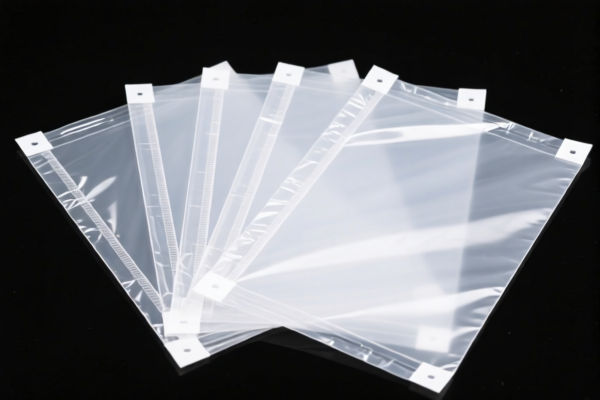
- Plastic Film/Tape Backing (The "Support"): A plastic film (PET, PI, PVC) used as a carrier for anti-static adhesive tape or coating. It is self-adhesive in form.
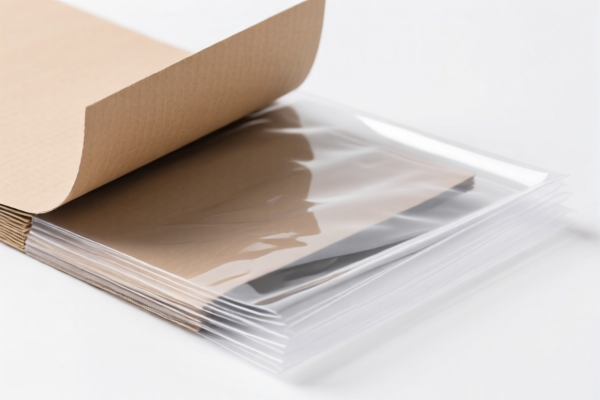
- Paper/Cardboard Support (The "Pad"): A paper or cardboard component designed to protect electronic parts from static discharge during storage or shipping.
⚠️ Key Distinction Point:
- If the product is primarily plastic/polymer with an adhesive layer or used as a flexible sheet/film →归入 Chapter 39 (Plastics).
- If the product is primarily paper/cardboard used for storage/organizing static-sensitive parts →归入 Chapter 48 (Paper).
- Critical Warning: Do not confuse "anti-static function" with the material. Customs classifies based on material composition first, then function.
📦 II. HS Code Classification Details (Based on Provided Data)
The following 5 HS Codes are the potential classifications for "Anti-Static Base Paper Sheet," depending on the specific material and form.
| HS Code | Product Description (Summary) | Material Form | Key Classification Basis |
|---|---|---|---|
3919.90.50.60 |
Anti-static sticker, classified based on plastic film material and self-adhesive form | Plastic Film + Adhesive | Self-adhesive plastic sheets/films |
3919.10.20.55 |
Anti-static sticker, classified based on plastic/polymer material and flat shape | Plastic/Polymer + Flat | Self-adhesive plastic in rolls/sheets |
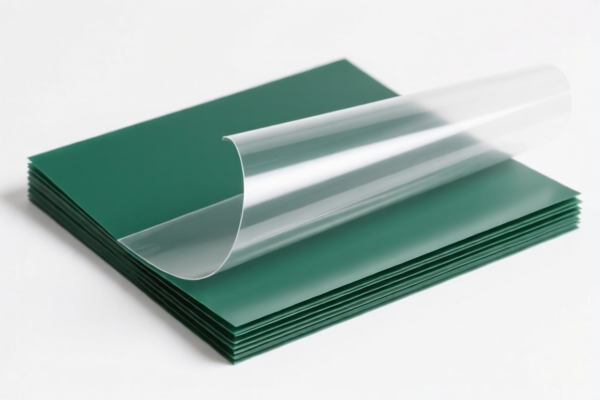
3921.90.50.50 |
Anti-static sheet, classified based on plastic (e.g., PET, PI) and sheet/film form | Plastic Sheet/Film | Other plastic plates, sheets, etc. |
3921.19.00.90 |
Anti-static sheet, classified based on polymer material (e.g., PET, EVA) and sheet/film/strip form | Polymer Sheet/Film | Plastic plates, sheets, etc. |
4819.60.00.00 |
Cardboard support (anti-static), classified based on paper/cardboard material and storage/organizing form | Paper/Cardboard | Paper cardboard boxes/containers for storage |
🔍 Analysis of Classifications:
- Codes3919.xx&3921.xx: Apply if the "Base Sheet" is actually a plastic carrier (like PET backing for ESD tape). These are considered "Plastic products."
- Code4819.60.00.00: Applies if the "Base Sheet" is literally a cardboard/paper insert used to store parts. This is considered a "Paper product."
- Tax Rate Variance: The plastic categories (39xx) have significantly higher base tariffs (4.8%–6.5%) compared to the paper category (4819, 0.0%), leading to different total effective rates due to US trade restrictions.
💰 III. 2026 Latest Tariff Rate Breakdown (Including Additional Taxes)
✅ Applicable Country: United States (US)
✅ Country of Origin: China (CN)
✅ Effective Time: 2025/2026 (Subject to ongoing trade policy)
🎯 1. Plastic-Based Classifications (3919 & 3921)
These codes incur high tariffs due to the high base rate + Section 301 + Section 122 tariffs.
A. 3919.90.50.60 & 3919.10.20.55 (Self-Adhesive Plastic Sheets)
| Item | Content |
|---|---|
| Base Tariff | 5.8% |
| Section 301 Tariff | +25.0% |
| Section 122 Tariff | +10.0% |
| Total Effective Rate | 40.8% |
| Tax Calculation | CIF Value × 40.8% |
| De Minimis Exemption | ❌ Not Eligible (High risk of detention) |
📌 Interpretation:
- The 5.8% is the standard US MFN rate for these plastic adhesive films.
- The 25% is the punitive "Section 301" tariff targeting Chinese goods.
- The 10% is the "Section 122" tariff (a specific levy often applied to imports affecting national security or critical supply chains).
- Total Cost Impact: For every $1,000 of goods, you pay $408 in duties alone.
B. 3921.90.50.50 (Plastic Sheets/Films)
| Item | Content |
|---|---|
| Base Tariff | 4.8% |
| Section 301 Tariff | +25.0% |
| Section 122 Tariff | +10.0% |
| Total Effective Rate | 39.8% |
| Tax Calculation | CIF Value × 39.8% |
| De Minimis Exemption | ❌ Not Eligible |
C. 3921.19.00.90 (Polymer Sheets)
| Item | Content |
|---|---|
| Base Tariff | 6.5% |
| Section 301 Tariff | +25.0% |
| Section 122 Tariff | +10.0% |
| Total Effective Rate | 41.5% |
| Tax Calculation | CIF Value × 41.5% |
| De Minimis Exemption | ❌ Not Eligible |
📌 Note:
3921.19.00.90has the highest total tax (41.5%) due to a higher base tariff (6.5%). Avoid this code if3919or3921.90is more accurate for your specific product.
🎯 2. Paper-Based Classification (4819)
D. 4819.60.00.00 (Cardboard/Paper Support)
| Item | Content |
|---|---|
| Base Tariff | 0.0% |
| Section 301 Tariff | +25.0% |
| Section 122 Tariff | +10.0% |
| Total Effective Rate | 35.0% |
| Tax Calculation | CIF Value × 35.0% |
| De Minimis Exemption | ❌ Not Eligible |
📌 Interpretation:
- Even though the base tariff is 0%, the additional trade tariffs (35% total) still apply.
- This is the lowest cost option among the provided choices, BUT ONLY IF the product is genuinely paper/cardboard. Misclassifying plastic as paper is illegal and can lead to penalties.
🛠️ IV. Customs Clearance Practical Advice (Avoiding Pitfalls)
✅ 1. Documentation Checklist (Non-Negotiable)
| Document | Must Provide | Explanation |
|---|---|---|
| ✅ Product Specification Sheet | ✔️ | Must clearly state Material Composition (e.g., "100% PET Plastic" vs. "Corrugated Cardboard"). |
| ✅ Product Photos | ✔️ | Clear shots showing texture, thickness, and any adhesive backing. |
| ✅ Composition Declaration | ✔️ | Written statement from manufacturer: "This product is made of [Material]." |
| ✅ Anti-Static Certification | ✔️ | Test reports showing surface resistivity (e.g., $10^6 - 10^9$ ohms) to prove "Anti-Static" claim. |
| ✅ Commercial Invoice | ✔️ | Describe accurately: e.g., "PET Anti-Static Carrier Film" or "Paper ESD Storage Pads." Avoid vague terms like "Base Sheet." |
| ✅ Packing List | ✔️ | Weight and dimensions for duty calculation. |
✅ 2. Declaration Strategy (Critical Keywords)
🔥 "Material First, Function Second! Define the Core Substance!"
| Scenario | Correct Declaration Term | Wrong Declaration Term | Risk |
|---|---|---|---|
| Plastic Backing for Tape | "Self-Adhesive Plastic Film (PET)" | "Anti-Static Tape" | Misclassification → Penalty |
| Plastic Sheet | "Polymer Sheet (PET/PI)" | "Electronic Component" | Higher Tariff / Detention |
| Paper Insert | "Cardboard Storage Support" | "Plastic Anti-Static Pad" | Severe Penalty for Fraud |
📌 Key Tip:
- If it’s plastic, use keywords: PET, PI, Polymer, Self-Adhesive, Film, Sheet.
- If it’s paper, use keywords: Cardboard, Paper, Card, Storage, Box Insert.
✅ 3. Special Handling & Risk Mitigation
| Situation | Actionable Advice |
|---|---|
| Mixed Materials | If the sheet has a plastic backing and a paper top layer, it is likely classified under Chapter 39 (Plastic) because the plastic provides the structural/functional base. Declare as Plastic (39xx) to be safe. |
| "Anti-Static" Claim | Ensure you have test reports. If customs doubts the "anti-static" nature, they may re-classify it as a standard plastic/paper sheet, which might have different duty rates (though 301/122 tariffs likely still apply). |
| Small Samples (De Minimis) | ❌ Do Not Use. All provided codes result in >35% tax. Packages under $800 will NOT be exempt from Section 301/122 tariffs for Chinese-origin goods. Expect full taxation. |
| Value Declaration | Ensure the declared value includes the cost of the "base sheet" if sold separately. Do not artificially lower the price to reduce duties; this triggers audits. |
🌍 V. Global Market Comparison (2026 Context)
| Market | Recommended HS Code | Est. Total Tax (CN Origin) | Key Requirement |
|---|---|---|---|
| 🇺🇸 USA | 3919/3921/4819 |
35.0% – 41.5% | Section 301 + 122 Tariffs apply. Strict material proof needed. |
| 🇨🇳 China | 3919/3921/4819 |
Low (0-6%) | No anti-dumping/retaliatory tariffs. CCC certification may be needed if used in electrical appliances. |
| 🇪🇺 EU | 3919/3921/4819 |
0-6% | CE Marking for ESD safety compliance. No Section 301/122. |
| 🇯🇵 Japan | 3919/3921/4819 |
Low (0-4.6%) | No significant additional tariffs. PSE certification if electrical. |
📌 Conclusion:
- The USA market is the most expensive due to the stacked tariffs (Base + 301 + 122).
- Cost Saving Tip: If the product is truly Paper (4819), you save 0.5% - 6.5% compared to Plastic categories. However, you cannot mislabel plastic as paper.
- For plastic substrates,3921.90.50.50(39.8%) is the most cost-effective accurate code, avoiding the higher 41.5% of3921.19.
📌 VI. Common Errors & Pitfalls (Lessons Learned)
❌ Error 1: Calling it "ESD Tape" when it’s just a carrier film.
👉 Consequence: May be misclassified under tape codes (often higher tax or restricted) instead of sheet codes.
❌ Error 2: Claiming "Paper" for a Plastic PET Film.
👉 Consequence: Customs Fraud. Seizure of goods, heavy fines, and loss of import privileges.
❌ Error 3: Ignoring the "122 Tariff".
👉 Consequence: Many importers forget the extra 10% Section 122 tariff, leading to unexpected bills upon entry.
❌ Error 4: Using "De Minimis" ($800 threshold) to avoid taxes.
👉 Consequence: As shown, total tax is 35-41%. The $800 exemption does not apply to goods subject to Section 301/122 tariffs from China. You will be taxed regardless of value.
✅ Correct Action:
"Self-Adhesive Anti-Static Carrier Film, Made of 100% PET Plastic, Width 50mm, Roll Form. ESD Safe ($10^8$ Ohm)."
🎯 VII. Conclusion: Precision Saves Money!
🎯 Remember the Golden Rules:
🔹 "Plastic vs. Paper: Define Material, Not Function."
🔹 "Total Tax = Base + 25% (301) + 10% (122)."
🔹 "No De Minimis for China Origin."
🔹 "Code4819(Paper) is cheapest, but only if it’s actually paper!"
📌 Pro Tip:
If you are importing plastic anti-static sheets, consider:
1. Pre-Ruling: Request an official HS Code pre-determination from US Customs (CBP) to lock in the 39.8% rate (3921.90.50.50) rather than risking the 41.5% rate.
2. Supply Chain: If possible, source these plastic films from non-Chinese origins (e.g., Malaysia, Thailand) to potentially bypass Section 301 tariffs, though 122 might still apply depending on the specific policy window.
📣 Immediate Action:
📞 Verify Material Composition with your supplier immediately.
📄 Prepare Test Reports for "Anti-Static" performance.
🚀 Calculate Landed Cost using the 39.8% - 41.5% rate to ensure profitability.
✨ Accurate Classification is the First Step to Efficient Customs Clearance!
💼 Every percentage point matters in global trade.
用户评价
关于 HS 编码归类
协调制度(HS)是由世界海关组织(WCO)制定的国际贸易商品分类标准。全球 200 多个国家采用 HS 系统作为海关关税、贸易统计和进出口监管的基础。
每个 HS 编码遵循以下层级结构:
- 章(2 位)——商品大类(例如:第 84 章:机器和机械设备)
- 品目(4 位)——章内的更具体分类
- 子目(6 位)——国际通用细分,所有 WCO 成员国统一使用
- 本国细分(8-10 位)——各国自行扩展的细分编码,如美国 HTSUS 10 位编码
正确的 HS 编码归类对于顺利通关、准确缴纳关税和遵守贸易法规至关重要。错误归类可能导致海关延误、多缴关税或罚款。
从CN进口到US时,适用的关税税率可能包括:
- 最惠国(MFN)税率——适用于 WTO 成员国的标准关税税率
- 普通税率——适用于无贸易协定国家
- 贸易救济关税——附加关税,如 301 条款(反倾销)、232 条款(国家安全)或反补贴税
本页内容仅供参考。如需正式归类,请咨询当地海关或持牌报关代理。