Anti static Base Paper Sheet
CN → US| HS Code | Tariff Rate | Origin | Destination | Doc |
|---|---|---|---|---|
| 3919905060 | 40.8% | CN | US | Official Doc |
| 3919102055 | 40.8% | CN | US | Official Doc |
| 3921905050 | 39.8% | CN | US | Official Doc |
| 3921190090 | 41.5% | CN | US | Official Doc |
| 4819600000 | 35.0% | CN | US | Official Doc |
Product Images
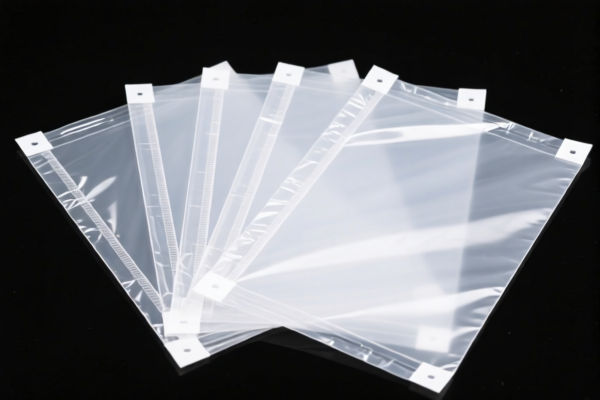

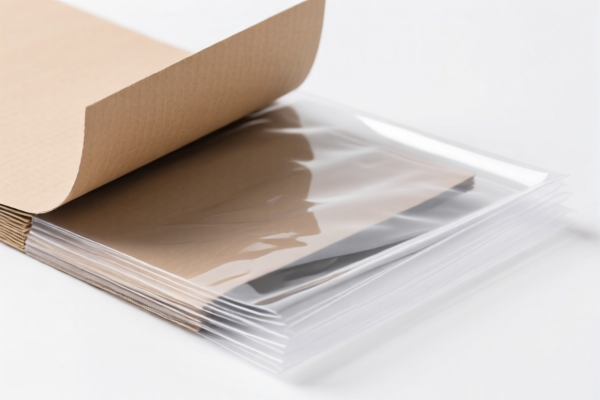
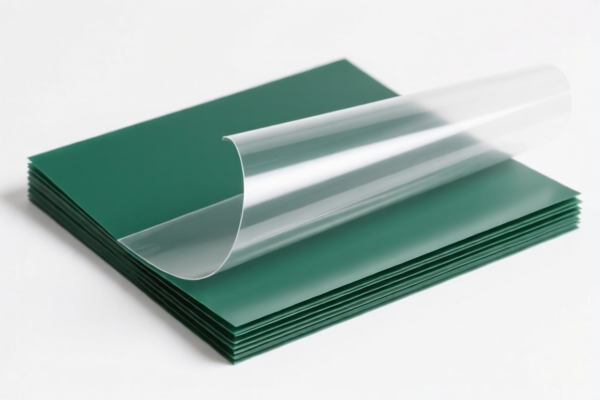
AI Analysis
🛡️ Anti-Static Base Paper Sheet (防静电基材片/防静电纸支撑件)
🌐 HS Code Reference & Customs Clearance Guide | 2026 Latest Tariff Analysis | Professional Compliance Strategy
📌 I. Product Definition & Classification: What Exactly is an "Anti-Static Base Paper Sheet"?
In the electronics manufacturing and packaging industry, "Anti-Static Base Paper Sheet" usually refers to one of two distinct product types based on material composition and function:
- Plastic Film/Tape Backing (The "Support"): A plastic film (PET, PI, PVC) used as a carrier for anti-static adhesive tape or coating. It is self-adhesive in form.
- Paper/Cardboard Support (The "Pad"): A paper or cardboard component designed to protect electronic parts from static discharge during storage or shipping.
⚠️ Key Distinction Point:
- If the product is primarily plastic/polymer with an adhesive layer or used as a flexible sheet/film →归入 Chapter 39 (Plastics).
- If the product is primarily paper/cardboard used for storage/organizing static-sensitive parts →归入 Chapter 48 (Paper).
- Critical Warning: Do not confuse "anti-static function" with the material. Customs classifies based on material composition first, then function.
📦 II. HS Code Classification Details (Based on Provided Data)
The following 5 HS Codes are the potential classifications for "Anti-Static Base Paper Sheet," depending on the specific material and form.
| HS Code | Product Description (Summary) | Material Form | Key Classification Basis |
|---|---|---|---|
3919.90.50.60 |
Anti-static sticker, classified based on plastic film material and self-adhesive form | Plastic Film + Adhesive | Self-adhesive plastic sheets/films |
3919.10.20.55 |
Anti-static sticker, classified based on plastic/polymer material and flat shape | Plastic/Polymer + Flat | Self-adhesive plastic in rolls/sheets |
3921.90.50.50 |
Anti-static sheet, classified based on plastic (e.g., PET, PI) and sheet/film form | Plastic Sheet/Film | Other plastic plates, sheets, etc. |
3921.19.00.90 |
Anti-static sheet, classified based on polymer material (e.g., PET, EVA) and sheet/film/strip form | Polymer Sheet/Film | Plastic plates, sheets, etc. |
4819.60.00.00 |
Cardboard support (anti-static), classified based on paper/cardboard material and storage/organizing form | Paper/Cardboard | Paper cardboard boxes/containers for storage |
🔍 Analysis of Classifications:
- Codes3919.xx&3921.xx: Apply if the "Base Sheet" is actually a plastic carrier (like PET backing for ESD tape). These are considered "Plastic products."
- Code4819.60.00.00: Applies if the "Base Sheet" is literally a cardboard/paper insert used to store parts. This is considered a "Paper product."
- Tax Rate Variance: The plastic categories (39xx) have significantly higher base tariffs (4.8%–6.5%) compared to the paper category (4819, 0.0%), leading to different total effective rates due to US trade restrictions.
💰 III. 2026 Latest Tariff Rate Breakdown (Including Additional Taxes)
✅ Applicable Country: United States (US)
✅ Country of Origin: China (CN)
✅ Effective Time: 2025/2026 (Subject to ongoing trade policy)
🎯 1. Plastic-Based Classifications (3919 & 3921)
These codes incur high tariffs due to the high base rate + Section 301 + Section 122 tariffs.
A. 3919.90.50.60 & 3919.10.20.55 (Self-Adhesive Plastic Sheets)
| Item | Content |
|---|---|
| Base Tariff | 5.8% |
| Section 301 Tariff | +25.0% |
| Section 122 Tariff | +10.0% |
| Total Effective Rate | 40.8% |
| Tax Calculation | CIF Value × 40.8% |
| De Minimis Exemption | ❌ Not Eligible (High risk of detention) |
📌 Interpretation:
- The 5.8% is the standard US MFN rate for these plastic adhesive films.
- The 25% is the punitive "Section 301" tariff targeting Chinese goods.
- The 10% is the "Section 122" tariff (a specific levy often applied to imports affecting national security or critical supply chains).
- Total Cost Impact: For every $1,000 of goods, you pay $408 in duties alone.
B. 3921.90.50.50 (Plastic Sheets/Films)
| Item | Content |
|---|---|
| Base Tariff | 4.8% |
| Section 301 Tariff | +25.0% |
| Section 122 Tariff | +10.0% |
| Total Effective Rate | 39.8% |
| Tax Calculation | CIF Value × 39.8% |
| De Minimis Exemption | ❌ Not Eligible |
C. 3921.19.00.90 (Polymer Sheets)
| Item | Content |
|---|---|
| Base Tariff | 6.5% |
| Section 301 Tariff | +25.0% |
| Section 122 Tariff | +10.0% |
| Total Effective Rate | 41.5% |
| Tax Calculation | CIF Value × 41.5% |
| De Minimis Exemption | ❌ Not Eligible |
📌 Note:
3921.19.00.90has the highest total tax (41.5%) due to a higher base tariff (6.5%). Avoid this code if3919or3921.90is more accurate for your specific product.
🎯 2. Paper-Based Classification (4819)
D. 4819.60.00.00 (Cardboard/Paper Support)
| Item | Content |
|---|---|
| Base Tariff | 0.0% |
| Section 301 Tariff | +25.0% |
| Section 122 Tariff | +10.0% |
| Total Effective Rate | 35.0% |
| Tax Calculation | CIF Value × 35.0% |
| De Minimis Exemption | ❌ Not Eligible |
📌 Interpretation:
- Even though the base tariff is 0%, the additional trade tariffs (35% total) still apply.
- This is the lowest cost option among the provided choices, BUT ONLY IF the product is genuinely paper/cardboard. Misclassifying plastic as paper is illegal and can lead to penalties.
🛠️ IV. Customs Clearance Practical Advice (Avoiding Pitfalls)
✅ 1. Documentation Checklist (Non-Negotiable)
| Document | Must Provide | Explanation |
|---|---|---|
| ✅ Product Specification Sheet | ✔️ | Must clearly state Material Composition (e.g., "100% PET Plastic" vs. "Corrugated Cardboard"). |
| ✅ Product Photos | ✔️ | Clear shots showing texture, thickness, and any adhesive backing. |
| ✅ Composition Declaration | ✔️ | Written statement from manufacturer: "This product is made of [Material]." |
| ✅ Anti-Static Certification | ✔️ | Test reports showing surface resistivity (e.g., $10^6 - 10^9$ ohms) to prove "Anti-Static" claim. |
| ✅ Commercial Invoice | ✔️ | Describe accurately: e.g., "PET Anti-Static Carrier Film" or "Paper ESD Storage Pads." Avoid vague terms like "Base Sheet." |
| ✅ Packing List | ✔️ | Weight and dimensions for duty calculation. |
✅ 2. Declaration Strategy (Critical Keywords)
🔥 "Material First, Function Second! Define the Core Substance!"
| Scenario | Correct Declaration Term | Wrong Declaration Term | Risk |
|---|---|---|---|
| Plastic Backing for Tape | "Self-Adhesive Plastic Film (PET)" | "Anti-Static Tape" | Misclassification → Penalty |
| Plastic Sheet | "Polymer Sheet (PET/PI)" | "Electronic Component" | Higher Tariff / Detention |
| Paper Insert | "Cardboard Storage Support" | "Plastic Anti-Static Pad" | Severe Penalty for Fraud |
📌 Key Tip:
- If it’s plastic, use keywords: PET, PI, Polymer, Self-Adhesive, Film, Sheet.
- If it’s paper, use keywords: Cardboard, Paper, Card, Storage, Box Insert.
✅ 3. Special Handling & Risk Mitigation
| Situation | Actionable Advice |
|---|---|
| Mixed Materials | If the sheet has a plastic backing and a paper top layer, it is likely classified under Chapter 39 (Plastic) because the plastic provides the structural/functional base. Declare as Plastic (39xx) to be safe. |
| "Anti-Static" Claim | Ensure you have test reports. If customs doubts the "anti-static" nature, they may re-classify it as a standard plastic/paper sheet, which might have different duty rates (though 301/122 tariffs likely still apply). |
| Small Samples (De Minimis) | ❌ Do Not Use. All provided codes result in >35% tax. Packages under $800 will NOT be exempt from Section 301/122 tariffs for Chinese-origin goods. Expect full taxation. |
| Value Declaration | Ensure the declared value includes the cost of the "base sheet" if sold separately. Do not artificially lower the price to reduce duties; this triggers audits. |
🌍 V. Global Market Comparison (2026 Context)
| Market | Recommended HS Code | Est. Total Tax (CN Origin) | Key Requirement |
|---|---|---|---|
| 🇺🇸 USA | 3919/3921/4819 |
35.0% – 41.5% | Section 301 + 122 Tariffs apply. Strict material proof needed. |
| 🇨🇳 China | 3919/3921/4819 |
Low (0-6%) | No anti-dumping/retaliatory tariffs. CCC certification may be needed if used in electrical appliances. |
| 🇪🇺 EU | 3919/3921/4819 |
0-6% | CE Marking for ESD safety compliance. No Section 301/122. |
| 🇯🇵 Japan | 3919/3921/4819 |
Low (0-4.6%) | No significant additional tariffs. PSE certification if electrical. |
📌 Conclusion:
- The USA market is the most expensive due to the stacked tariffs (Base + 301 + 122).
- Cost Saving Tip: If the product is truly Paper (4819), you save 0.5% - 6.5% compared to Plastic categories. However, you cannot mislabel plastic as paper.
- For plastic substrates,3921.90.50.50(39.8%) is the most cost-effective accurate code, avoiding the higher 41.5% of3921.19.
📌 VI. Common Errors & Pitfalls (Lessons Learned)
❌ Error 1: Calling it "ESD Tape" when it’s just a carrier film.
👉 Consequence: May be misclassified under tape codes (often higher tax or restricted) instead of sheet codes.
❌ Error 2: Claiming "Paper" for a Plastic PET Film.
👉 Consequence: Customs Fraud. Seizure of goods, heavy fines, and loss of import privileges.
❌ Error 3: Ignoring the "122 Tariff".
👉 Consequence: Many importers forget the extra 10% Section 122 tariff, leading to unexpected bills upon entry.
❌ Error 4: Using "De Minimis" ($800 threshold) to avoid taxes.
👉 Consequence: As shown, total tax is 35-41%. The $800 exemption does not apply to goods subject to Section 301/122 tariffs from China. You will be taxed regardless of value.
✅ Correct Action:
"Self-Adhesive Anti-Static Carrier Film, Made of 100% PET Plastic, Width 50mm, Roll Form. ESD Safe ($10^8$ Ohm)."
🎯 VII. Conclusion: Precision Saves Money!
🎯 Remember the Golden Rules:
🔹 "Plastic vs. Paper: Define Material, Not Function."
🔹 "Total Tax = Base + 25% (301) + 10% (122)."
🔹 "No De Minimis for China Origin."
🔹 "Code4819(Paper) is cheapest, but only if it’s actually paper!"
📌 Pro Tip:
If you are importing plastic anti-static sheets, consider:
1. Pre-Ruling: Request an official HS Code pre-determination from US Customs (CBP) to lock in the 39.8% rate (3921.90.50.50) rather than risking the 41.5% rate.
2. Supply Chain: If possible, source these plastic films from non-Chinese origins (e.g., Malaysia, Thailand) to potentially bypass Section 301 tariffs, though 122 might still apply depending on the specific policy window.
📣 Immediate Action:
📞 Verify Material Composition with your supplier immediately.
📄 Prepare Test Reports for "Anti-Static" performance.
🚀 Calculate Landed Cost using the 39.8% - 41.5% rate to ensure profitability.
✨ Accurate Classification is the First Step to Efficient Customs Clearance!
💼 Every percentage point matters in global trade.
Customer Reviews
About HS Code Classification
The Harmonized System (HS) is an internationally standardized nomenclature developed by the World Customs Organization (WCO) to classify traded products. Over 200 countries use the HS system as the basis for customs tariffs, trade statistics, and import/export regulations.
Each HS code follows a hierarchical structure:
- Chapter (2 digits) — Broad category of goods (e.g., Chapter 84: Machinery and Mechanical Appliances)
- Heading (4 digits) — More specific grouping within the chapter
- Subheading (6 digits) — Internationally standardized breakdown, used by all WCO member countries
- National subdivisions (8-10 digits) — Country-specific extensions for further classification, such as US HTSUS 10-digit codes
Correct HS code classification is essential for smooth customs clearance, accurate duty payment, and compliance with trade regulations. Misclassification can lead to customs delays, overpayment of duties, or penalties.
When importing from CN to US, the applicable tariff rates may include:
- Most-Favored-Nation (MFN) rate — The standard duty rate applied to WTO members
- General rate — Applied to countries without trade agreements
- Trade remedy duties — Additional tariffs such as Section 301 (anti-dumping), Section 232 (national security), or countervailing duties
The information provided on this page is for reference purposes only. For official classification, please consult with your local customs authority or a licensed customs broker.