Anti theft Alarm
CN → US| HS编码 | 关税税率 | 原产国 | 目的国 | 文档 |
|---|---|---|---|---|
| 8531100035 | 36.3% | CN | US | 官方文档 |
| 8531100045 | 11.3% | CN | US | 官方文档 |
| 8543709860 | 37.6% | CN | US | 官方文档 |
| 8543706000 | 35.0% | CN | US | 官方文档 |
| 8531200040 | 35.0% | CN | US | 官方文档 |
商品图片
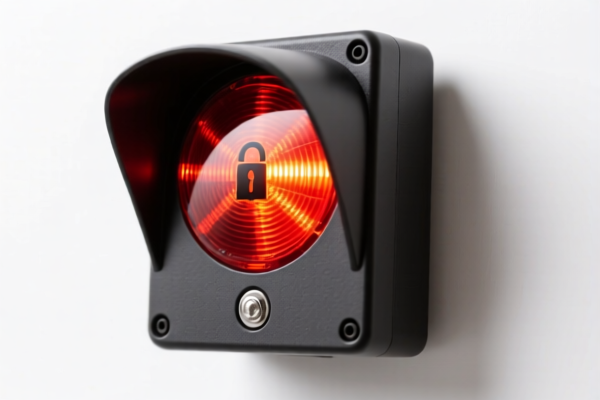
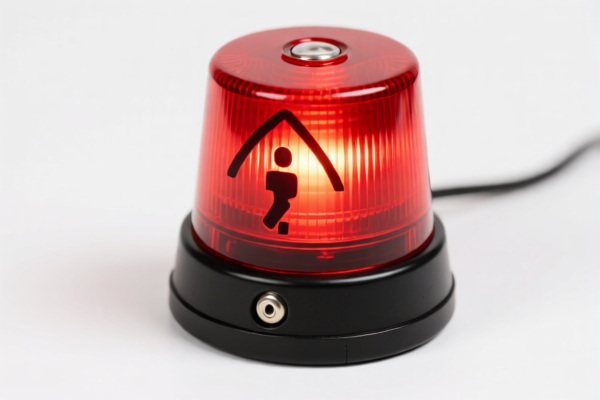
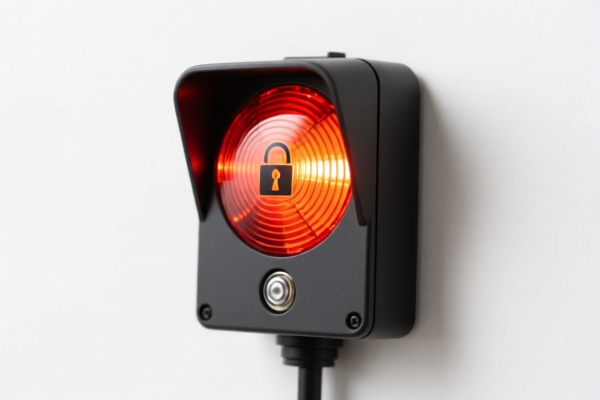
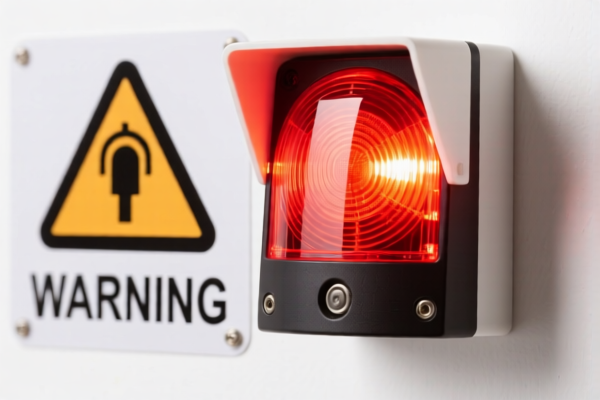
AI分析
🔔 Anti-Theft Alarm Systems (Security Alarms)
🌐 HS Code Reference & Customs Clearance Guide | 2026 Latest Tariff Breakdown | Professional Entry Strategy for US Imports
📌 I. Product Definition: What is an "Anti-Theft Alarm"?
An Anti-Theft Alarm is a security device designed to detect unauthorized entry, intrusion, or potential threats (such as fire or theft) and trigger an audible/visual alert. In international trade, the classification depends heavily on functionality and technical architecture:
- Simple Signaling Devices: Standalone horns, sirens, or visual indicators without complex logic processing.
- Complex Electronic Systems: Devices with independent functions, network connectivity, or specific logic circuits for detection and communication.
⚠️ Key Distinction Point: * If it is a standalone audible/visual signal (e.g., a siren connected to an existing system) → Usually 8531.10 or 8531.20. * If it is a complete, independent unit with its own processing logic (e.g., a smart hub, IoT sensor, or specialized electronic appliance) → Often 8543.70.
📦 II. HS Code Classification Matrix (2026 Data Analysis)
Based on the provided data, here is the precise breakdown for Anti-Theft Alarms entering the US market. Note that while some HS codes share a prefix, their tariff structures differ significantly due to specific "Section 301" and "122 Clause" additions.
| HS Code | Product Description | Key Characteristics | Total Tax Rate* |
|---|---|---|---|
8531.10.00.35 |
Anti-theft Alarm (Theft-specific) | Deducted as "Theft Alarm Device"; No material conflict. | 36.3% |
8531.10.00.45 |
Anti-theft Alarm (Fire/Theft Hybrid / Catch-all) | Used for theft OR fire alarms; Considered "Other" catch-all category. | 11.3% |
8543.70.98.60 |
Independent Electrical Appliance | Classified as "Other Machines/Apparatus" with independent function. | 37.6% |
8543.70.60.00 |
Network-Connected Electronic Device | Designed to connect to networks or instruments. | 35.0% |
8531.20.00.40 |
Anti-Theft Warning Light | Classified as "Electro-acoustic or Visual Signaling Equipment." | 35.0% |
*Rates include Base Tariff + Additional Duties (Section 301/122). See Section III for detailed calculation.
💰 III. Detailed Tariff Structure & Legal Basis
✅ Applicable Country: United States (US)
✅ Origin: China (CN)
✅ Effective Time: Current applicable rates as per 2026 data.
🎯 1. The "Gold Standard" for Simple Alarms: 8531.10.00.45
⭐ RECOMMENDED FOR LOWEST COST
| Item | Details |
|---|---|
| Base Tariff | 1.3% |
| Section 301 Additional | 0.0% (Crucial Advantage!) |
| Clause 122 Additional | 10.0% |
| Total Rate | 11.3% |
| Legal Basis | Base: 1.3% + 122 Clause: 10% |
📌 Why this matters:
This is the most cost-effective classification for standard anti-theft alarms, provided the product can be justified as a "Theft or Fire Alarm" falling under the "Other" catch-all definition. It avoids the heavy 25% Section 301 tariff applied to other sub-categories.
🎯 2. Specific Theft Alarm: 8531.10.00.35
| Item | Details |
|---|---|
| Base Tariff | 1.3% |
| Section 301 Additional | 25.0% |
| Clause 122 Additional | 10.0% |
| Total Rate | 36.3% |
| Legal Basis | Base: 1.3% + 301: 25.0% + 122: 10% |
📌 Risk Alert:
If Customs determines the device is specifically for theft and not a "fire/theft hybrid" or "other," they may apply the 25% additional tariff. This is a 25% higher cost than code.45.
🎯 3. Complex/Smart Devices: 8543.70.98.60 & 8543.70.60.00
| HS Code | Base | 301 Add. | 122 Add. | Total | Note |
|---|---|---|---|---|---|
8543.70.98.60 |
2.6% | 25.0% | 10.0% | 37.6% | Independent Function |
8543.70.60.00 |
0.0% | 25.0% | 10.0% | 35.0% | Network/Instrument Connection |
📌 Analysis:
Devices with independent processing functions or network capabilities are treated as "Machines/Apparatus." They incur the full 25% Section 301 tariff. While8543.70.60.00has 0% base duty, the 25% add-on makes it more expensive than the simple alarm category (.45).
🎯 4. Warning Lights: 8531.20.00.40
| Item | Details |
|---|---|
| Base Tariff | 0.0% |
| Section 301 Additional | 25.0% |
| Clause 122 Additional | 10.0% |
| Total Rate | 35.0% |
📌 Clarification:
If your product is primarily a visual warning device (e.g., flashing LED strobe for security) rather than an electronic alarm controller, it falls here. Same tax burden as smart networked devices.
🛠️ IV. Customs Clearance Practical Advice
✅ 1. Critical Documentation Checklist
| Document | Requirement | Purpose |
|---|---|---|
| Product Specification Sheet | Must clearly state "Anti-Theft Alarm" or "Fire/Security Alarm." | Determines if it fits 8531.10 (Signaling) or 8543.70 (Machine). |
| Technical Diagrams | Show if it has independent logic boards or is just a sensor/siren. | Proves whether it is a "component" or a "finished article." |
| Commercial Invoice | Clearly list HS Code and Product Name. Avoid vague terms like "Gadget." | Prevents valuation disputes and delays. |
| Certifications | FCC ID, UL, CE, RoHS. | Mandatory for electronic security devices in the US. |
| Origin Certificate | Proof of manufacture in China. | Triggers the correct 25%/10% additional duties. |
✅ 2. Strategic Classification Tips (How to Save Money)
🔥 Strategy: Aim for
8531.10.00.45(11.3%)
- Emphasize "Fire/Theft" Dual Purpose: If your alarm has any capability related to fire detection or general security, describe it as a "Multi-Function Security and Fire Alarm". This supports the "Other" catch-all classification under
.45, avoiding the 25% Section 301 tariff. - Avoid "Smart/IoT" Labels in Primary Description: If you classify as
8543.70, you pay 35%+. Try to describe the device as a "Signaling Device" or "Audible/Visual Alarm" rather than a "Networked Intelligent System" in the technical summary, if technically accurate. - Distinguish Sirens from Controllers:
- If selling a standalone Siren/Horn, argue for 8531.10/8531.20.
- If selling a Control Panel/Hub with network features, it will likely fall under 8543.70.
✅ 3. Common Pitfalls & Avoidance
| Pitfall | Consequence | Solution |
|---|---|---|
| Misclassifying as "Other Electrical Parts" (8538) | Incorrect classification, potential penalties. | Alarms are complete articles, not parts. Use 8531 or 8543. |
| Ignoring Clause 122 | Underpayment of taxes (10% penalty). | Ensure all Chinese-origin electronics are accounted for the 122 clause. |
| Confusing "Theft" vs. "Fire/Theft" | Audit risk. | Provide clear marketing material showing fire-related features if claiming .45. |
| Assuming 0% Base = 0% Tax | Shock at checkout. | Even with 0% base (e.g., 8543.70.60.00), the 35% total tax is high. Compare vs. 11.3% for .45. |
🌍 V. Summary & Recommendation
| Scenario | Recommended HS Code | Total Tax | Action |
|---|---|---|---|
| Standard Burglar Alarm / Siren | 8531.10.00.45 |
11.3% | BEST OPTION. Describe as "Security/Fire Alarm System." |
| Dedicated Theft Detector | 8531.10.00.35 |
36.3% | Only if it cannot be classified as fire-related or general signaling. |
| Smart/IoT Alarm Hub | 8543.70.60.00 |
35.0% | Inevitable if network-dependent. Budget accordingly. |
| Visual Warning Light | 8531.20.00.40 |
35.0% | Use only for pure visual strobe/siren units. |
🚀 Final Pro Tip:
For maximum tax efficiency, structure your product line to include multi-sensor capabilities (e.g., smoke + intrusion) or market the device broadly as a "General Security Signaling Device" to leverage the 11.3% rate under8531.10.00.45. Always consult a licensed customs broker to validate the "Fire/Security" dual-purpose claim before shipment.
✨ Accurate Classification Saves Thousands!
💼 Don't let a 25% difference destroy your margin. Classify Smart!
用户评价
关于 HS 编码归类
协调制度(HS)是由世界海关组织(WCO)制定的国际贸易商品分类标准。全球 200 多个国家采用 HS 系统作为海关关税、贸易统计和进出口监管的基础。
每个 HS 编码遵循以下层级结构:
- 章(2 位)——商品大类(例如:第 84 章:机器和机械设备)
- 品目(4 位)——章内的更具体分类
- 子目(6 位)——国际通用细分,所有 WCO 成员国统一使用
- 本国细分(8-10 位)——各国自行扩展的细分编码,如美国 HTSUS 10 位编码
正确的 HS 编码归类对于顺利通关、准确缴纳关税和遵守贸易法规至关重要。错误归类可能导致海关延误、多缴关税或罚款。
从CN进口到US时,适用的关税税率可能包括:
- 最惠国(MFN)税率——适用于 WTO 成员国的标准关税税率
- 普通税率——适用于无贸易协定国家
- 贸易救济关税——附加关税,如 301 条款(反倾销)、232 条款(国家安全)或反补贴税
本页内容仅供参考。如需正式归类,请咨询当地海关或持牌报关代理。