Antifreeze Agent
CN → US| HS编码 | 关税税率 | 原产国 | 目的国 | 文档 |
|---|---|---|---|---|
| 3820000000 | 24.0% | CN | US | 官方文档 |
| 2903441010 | 13.7% | CN | US | 官方文档 |
| 2903451000 | 13.7% | CN | US | 官方文档 |
| 2814200000 | 35.0% | CN | US | 官方文档 |
| 2814100000 | 35.0% | CN | US | 官方文档 |
商品图片
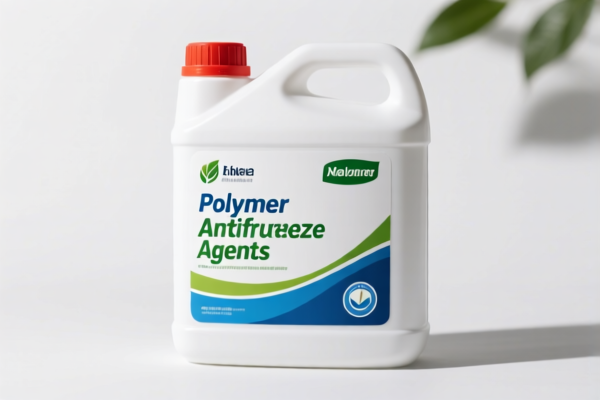
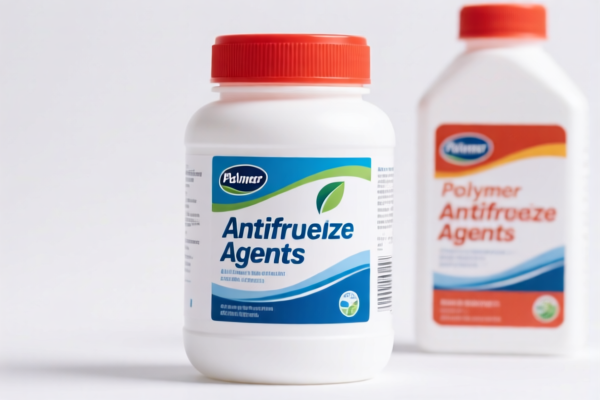


AI分析
🧊 Antifreeze Agent (Freezing Point Reducing Agents & De-icing Liquids)
🌐 HS Code Reference & Customs Clearance Guide | 2026 Latest Tariff Analysis | Professional Clearance Strategy
📌 I. Product Definition & Classification: What is "Antifreeze Agent"?
In international trade, "Antifreeze Agent" is a broad term that typically refers to chemical mixtures designed to lower the freezing point of liquids. Its application scenarios are primarily divided into two categories: 1. Automotive/Industrial Coolant: Used in engines to prevent freezing in winter and overheating in summer. 2. De-icing Fluids: Used for aircraft, roads, or equipment to remove ice.
⚠️ Critical Distinction:
- If the product is a prepared mixture specifically for anti-freezing or de-icing purposes (often containing ethylene glycol, propylene glycol, or water additives) → It may fall under 3820.00.00.00.
- If the product is a pure chemical substance (e.g., specific fluorinated hydrocarbons used as refrigerants which also act as antifreeze) → It falls under Chapter 29 (Organic Chemicals).
- If the product is an inorganic chemical (e.g., ammonia-based) → It falls under Chapter 28 (Inorganic Chemicals).
📦 II. HS Code Classification Details (Based on Provided Data)
| HS Code | Product Description | Matching Logic / Summary |
|---|---|---|
3820.00.00.00 |
Prepared Anti-freezing Agents & Prepared De-icing Liquids | Usage-Based: Inferred from the name "Antifreeze Agent" that its purpose belongs to anti-freezing/de-icing fields, matching the definition of "Anti-freezing agents and prepared de-icing liquids." |
2903.44.10.10 |
Halogenated Derivatives of Acyclic Hydrocarbons (HFCs) | Chemical Structure: Inferring from common knowledge that "Antifreeze" belongs to chemical substances, its usage is highly consistent with fluorinated acyclic hydrocarbon derivatives (HFCs) in 2903.44.10.10, with no material or form conflict. |
2903.45.10.00 |
Saturated Fluorinated Acyclic Hydrocarbons (e.g., HFC-134a) | Material Attribute: Infer that the main material of "Antifreeze" is fluorinated hydrocarbons, conforming to the chemical attribute characteristics of saturated fluorinated acyclic hydrocarbons (like HFC-134a) in category 2903.45, with no material or form conflict. |
2814.20.00.00 |
Ammonia, Anhydrous | General Chemical: Based on common sense, antifreeze (refrigerant) is usually a chemical substance, belonging to the category of inorganic chemicals/chemicals, not conflicting with the material attributes of this code, and belonging to the primary/intermediate form of chemical substances. |
2814.10.00.00 |
Ammonia, Aqueous Solution | Chemical Category: Based on common sense, antifreeze (refrigerant) belongs to the chemical category, conforming to the material attribute range of chemicals such as anhydrous ammonia, with no obvious material or form conflict. |
🔍 Key Reminder:
- 3820.00.00.00 is the most direct match if the product is a commercial mixture labeled for anti-freezing/de-icing.
- 2903.xxxx codes apply if the product is a pure chemical refrigerant (HFCs) used as an antifreeze medium.
- 2814.xxxx codes apply only if the antifreeze is ammonia-based (common in industrial cooling, less common in consumer automotive antifreeze).
💰 III. 2026 Latest Tariff Rate Details (Including Surtaxes, Policy Add-ons)
✅ Applicable Country: USA (US)
✅ Origin: China (CN)
✅ Effective Time: Current 2025-2026 Trade Policies
🎯 1. 3820.00.00.00 —— Prepared Anti-freezing Agents
| Item | Content |
|---|---|
| Base Tariff | 6.5% (ad valorem) |
| Section 301 Surtax | +7.5% (USITC Footnote 9903.88.01) |
| Section 122 Surtax | +10% (Specific to certain chemical categories/China origin) |
| Total Tariff | 24.0% |
| Tax Calculation | CIF Value × 24.0% |
| De Minimis Exemption? | ❌ No (Not eligible) |
| Legal Basis Path | USITC:3820.00.00.00 → SECTION_301:7.5% → SECTION_122:10% |
📌 Explanation:
- This code attracts a significant total tariff of 24%.
- The 7.5% is the standard Section 301 surcharge for List 4B items.
- The 10% is the additional Section 122 tariff.
- Cost Impact: High. Importers must budget for nearly 1/4 of the product value in duties.
🎯 2. 2903.44.10.10 & 2903.45.10.00 —— Fluorinated Hydrocarbons (HFCs)
| Item | Content |
|---|---|
| Base Tariff | 3.7% (ad valorem) |
| Section 301 Surtax | +0.0% (Many HFCs are exempt from or have lower Section 301 rates depending on specific sub-lists, or zero-rated in this dataset) |
| Section 122 Surtax | +10% (Applied to fluorinated chemicals under Section 122) |
| Total Tariff | 13.7% |
| Tax Calculation | CIF Value × 13.7% |
| De Minimis Exemption? | ❌ No |
| Legal Basis Path | USITC:2903.44/45 → SECTION_122:10% |
📌 Explanation:
- 13.7% is significantly lower than the 24% for prepared mixtures.
- Why? Pure chemical substances (Chapter 29) often face lower base tariffs than prepared mixtures (Chapter 38).
- Strategy: If the product is a pure HFC refrigerant (like R-134a) sold as an industrial chemical rather than a "prepared antifreeze," this classification saves 10.3% in duties.
🎯 3. 2814.20.00.00 & 2814.10.00.00 —— Ammonia (Inorganic)
| Item | Content |
|---|---|
| Base Tariff | 0.0% |
| Section 301 Surtax | +25.0% (High Section 301 rate for certain inorganic chemicals) |
| Section 122 Surtax | +10% |
| Total Tariff | 35.0% |
| Tax Calculation | CIF Value × 35.0% |
| De Minimis Exemption? | ❌ No |
| Legal Basis Path | USITC:2814 → SECTION_301:25% → SECTION_122:10% |
📌 Explanation:
- Highest Tariff at 35%.
- Even though the base tariff is 0%, the 25% Section 301 surcharge makes this the most expensive option.
- Warning: Do not classify ammonia-based industrial coolants under this code unless absolutely necessary, as it is cost-prohibitive compared to HFCs or prepared mixtures.
🛠️ IV. Customs Clearance Practical Advice (Battle-Tested Pitfall Guide)
✅ 1. Documentation Checklist (Missing items cause delays)
| Document | Mandatory? | Notes |
|---|---|---|
| ✅ MSDS (Safety Data Sheet) | ✔️ Yes | Crucial for chemical classification. Must specify active ingredients (e.g., % of HFC vs. water/glycol). |
| ✅ Product Labeling | ✔️ Yes | Must clearly state: "Antifreeze," "De-icing Fluid," or "Refrigerant R-134a." Avoid vague terms like "Coolant Liquid." |
| ✅ Composition Statement | ✔️ Yes | Breakdown of chemical components (e.g., "Contains 50% Propylene Glycol, 50% Water, and additives"). |
| ✅ Certificate of Origin | ✔️ Yes | To claim any potential preferential treatment (though unlikely for China origin under current tariffs). |
| ✅ Commercial Invoice | ✔️ Yes | Clearly describe as "Chemical Antifreeze" or "Refrigerant Gas" to match HS Code. |
| ✅ Packaging Declaration | ✔️ Yes | Indicate if pressurized (for refrigerants) or liquid (for antifreeze). |
✅ 2. Classification Strategy (The Golden Rules)
🔥 "Know Your Composition: Pure Chemical = Chapter 29, Mixture = Chapter 38, Ammonia = Avoid!"
| Scenario | Recommended HS Code | Reason |
|---|---|---|
| Ready-to-use Anti-freeze (Car/Appliance) | 3820.00.00.00 |
It is a "prepared" mixture for a specific anti-freezing purpose. |
| Pure HFC Refrigerant (e.g., R-134a Cylinder) | 2903.45.10.00 |
It is a pure chemical substance, not a "prepared" mixture. Lower tax (13.7% vs 24%). |
| Ammonia-based Industrial Coolant | 2814.20.00.00 |
Only if it is pure anhydrous ammonia. High Tax Risk (35%). |
📌 Critical Note:
- If you sell R-134a (a common refrigerant used in HVAC), classify it as2903.45.10.00(13.7%) rather than as a "preparation" (24%).
- If you sell Ethylene Glycol Water Mixture for car radiators, classify as3820.00.00.00(24%).
✅ 3. Special Handling for Chemicals
| Issue | Solution |
|---|---|
| Pressure Vessels | If the antifreeze/refrigerant is in a pressurized cylinder, ensure DOT/UN labeling is compliant. |
| Hazmat Declaration | All chemicals require a Hazardous Material Declaration (DGD) if they meet IMDG/IATA criteria. |
| EPA Registration | For US import, certain chemical mixtures (especially those containing antimicrobials or specific glycols) may require EPA TSCA registration. |
🌍 V. Global Market Comparison (2026 Latest)
| Country/Region | Recommended HS Code | Estimated Duty (China Origin) | Key Requirements |
|---|---|---|---|
| 🇺🇸 USA | 3820.00.00.00 |
24.0% | TSCA Compliance, MSDS, Hazmat Docs |
| 🇺🇸 USA | 2903.45.10.00 |
13.7% | TSCA Compliance, MSDS |
| 🇨🇳 China | 3824.99.99 |
~6-10% | CCC (if applicable), Standard GB Labels |
| 🇪🇺 EU | 3820.00.00 |
0-6.5% | REACH Registration, CLP Labeling |
| 🇬🇧 UK | 3820.00.00 |
0-6.5% | UK REACH Registration |
📌 Conclusion:
- The USA is the most expensive market due to Section 301 and Section 122 surcharges.
- EU/UK generally have lower base tariffs but stricter chemical registration (REACH/UK REACH) requirements.
- Optimization Tip: If possible, export pure HFC chemicals (2903.45) instead of pre-mixed preparations (3820) to save 10.3% in US duties.
📌 VI. Common Mistakes & Pitfalls (Lessons Learned)
❌ Mistake 1: Labeling HFC Refrigerant as "Antifreeze Mixture"
👉 Result: Classified under 3820.00.00.00 → 24% Tax instead of 13.7%.
💡 Fix: Provide MSDS showing pure chemical composition.
❌ Mistake 2: Ignoring Section 122 Tariff
👉 Result: Budgeted for 6.5-7.5%, but hit with 10% Section 122.
💡 Fix: Always add 10% to chemical imports from China unless exempted.
❌ Mistake 3: Misclassifying Ammonia as Organic Chemical
👉 Result: Wrong HS Code → Seizure or heavy penalties.
💡 Fix: Ammonia is Inorganic (Chapter 28).
✅ Correct Approach:
"Ethylene Glycol Based Antifreeze, 50% Solution, Ready for Use, Non-Toxic Additives, for Automotive Cooling Systems" → HS 3820.00.00.00
"Hydrofluorocarbon R-134a, Pure Chemical, for Refrigeration Systems, Not Pre-mixed" → HS 2903.45.10.00
🎯 VII. Conclusion: Precision Saves Money!
🎯 Remember the Rules:
🔹 "Pure Chemical = Chapter 29 (13.7%), Mixture = Chapter 38 (24%), Ammonia = Chapter 28 (35%)."
🔹 "Section 122 is Non-Negotiable: Add 10% to all chemical duties from China."
🔹 "MSDS is King: Without it, Customs guesses—and they guess high."
📌 Pro Tip:
If you are importing HFC refrigerants (like R-134a, R-410A), consider importing them as pure chemicals (2903.45) rather than "preparations" to benefit from the 10.3% tax saving. Ensure your supplier provides a Certificate of Purity and MSDS.
📣 Immediate Action:
📞 Contact your freight forwarder with the MSDS and Commercial Invoice draft.
📝 Apply for an Advance Ruling from CBP if the product is new to your company.
🚀 Optimize your HS Code to save thousands in duties!
✨ Professional Clearance Starts with Accurate Classification!
💼 Every Percent of Duty Saved is Pure Profit!
用户评价
关于 HS 编码归类
协调制度(HS)是由世界海关组织(WCO)制定的国际贸易商品分类标准。全球 200 多个国家采用 HS 系统作为海关关税、贸易统计和进出口监管的基础。
每个 HS 编码遵循以下层级结构:
- 章(2 位)——商品大类(例如:第 84 章:机器和机械设备)
- 品目(4 位)——章内的更具体分类
- 子目(6 位)——国际通用细分,所有 WCO 成员国统一使用
- 本国细分(8-10 位)——各国自行扩展的细分编码,如美国 HTSUS 10 位编码
正确的 HS 编码归类对于顺利通关、准确缴纳关税和遵守贸易法规至关重要。错误归类可能导致海关延误、多缴关税或罚款。
从CN进口到US时,适用的关税税率可能包括:
- 最惠国(MFN)税率——适用于 WTO 成员国的标准关税税率
- 普通税率——适用于无贸易协定国家
- 贸易救济关税——附加关税,如 301 条款(反倾销)、232 条款(国家安全)或反补贴税
本页内容仅供参考。如需正式归类,请咨询当地海关或持牌报关代理。