Antifreeze Agent
CN → US| HS Code | Tariff Rate | Origin | Destination | Doc |
|---|---|---|---|---|
| 3820000000 | 24.0% | CN | US | Official Doc |
| 2903441010 | 13.7% | CN | US | Official Doc |
| 2903451000 | 13.7% | CN | US | Official Doc |
| 2814200000 | 35.0% | CN | US | Official Doc |
| 2814100000 | 35.0% | CN | US | Official Doc |
Product Images
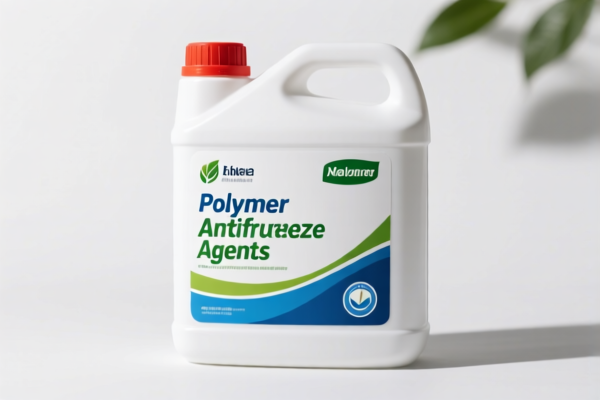
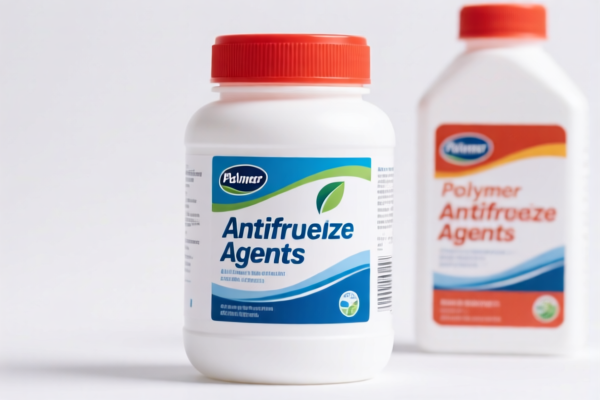


AI Analysis
🧊 Antifreeze Agent (Freezing Point Reducing Agents & De-icing Liquids)
🌐 HS Code Reference & Customs Clearance Guide | 2026 Latest Tariff Analysis | Professional Clearance Strategy
📌 I. Product Definition & Classification: What is "Antifreeze Agent"?
In international trade, "Antifreeze Agent" is a broad term that typically refers to chemical mixtures designed to lower the freezing point of liquids. Its application scenarios are primarily divided into two categories: 1. Automotive/Industrial Coolant: Used in engines to prevent freezing in winter and overheating in summer. 2. De-icing Fluids: Used for aircraft, roads, or equipment to remove ice.
⚠️ Critical Distinction:
- If the product is a prepared mixture specifically for anti-freezing or de-icing purposes (often containing ethylene glycol, propylene glycol, or water additives) → It may fall under 3820.00.00.00.
- If the product is a pure chemical substance (e.g., specific fluorinated hydrocarbons used as refrigerants which also act as antifreeze) → It falls under Chapter 29 (Organic Chemicals).
- If the product is an inorganic chemical (e.g., ammonia-based) → It falls under Chapter 28 (Inorganic Chemicals).
📦 II. HS Code Classification Details (Based on Provided Data)
| HS Code | Product Description | Matching Logic / Summary |
|---|---|---|
3820.00.00.00 |
Prepared Anti-freezing Agents & Prepared De-icing Liquids | Usage-Based: Inferred from the name "Antifreeze Agent" that its purpose belongs to anti-freezing/de-icing fields, matching the definition of "Anti-freezing agents and prepared de-icing liquids." |
2903.44.10.10 |
Halogenated Derivatives of Acyclic Hydrocarbons (HFCs) | Chemical Structure: Inferring from common knowledge that "Antifreeze" belongs to chemical substances, its usage is highly consistent with fluorinated acyclic hydrocarbon derivatives (HFCs) in 2903.44.10.10, with no material or form conflict. |
2903.45.10.00 |
Saturated Fluorinated Acyclic Hydrocarbons (e.g., HFC-134a) | Material Attribute: Infer that the main material of "Antifreeze" is fluorinated hydrocarbons, conforming to the chemical attribute characteristics of saturated fluorinated acyclic hydrocarbons (like HFC-134a) in category 2903.45, with no material or form conflict. |
2814.20.00.00 |
Ammonia, Anhydrous | General Chemical: Based on common sense, antifreeze (refrigerant) is usually a chemical substance, belonging to the category of inorganic chemicals/chemicals, not conflicting with the material attributes of this code, and belonging to the primary/intermediate form of chemical substances. |
2814.10.00.00 |
Ammonia, Aqueous Solution | Chemical Category: Based on common sense, antifreeze (refrigerant) belongs to the chemical category, conforming to the material attribute range of chemicals such as anhydrous ammonia, with no obvious material or form conflict. |
🔍 Key Reminder:
- 3820.00.00.00 is the most direct match if the product is a commercial mixture labeled for anti-freezing/de-icing.
- 2903.xxxx codes apply if the product is a pure chemical refrigerant (HFCs) used as an antifreeze medium.
- 2814.xxxx codes apply only if the antifreeze is ammonia-based (common in industrial cooling, less common in consumer automotive antifreeze).
💰 III. 2026 Latest Tariff Rate Details (Including Surtaxes, Policy Add-ons)
✅ Applicable Country: USA (US)
✅ Origin: China (CN)
✅ Effective Time: Current 2025-2026 Trade Policies
🎯 1. 3820.00.00.00 —— Prepared Anti-freezing Agents
| Item | Content |
|---|---|
| Base Tariff | 6.5% (ad valorem) |
| Section 301 Surtax | +7.5% (USITC Footnote 9903.88.01) |
| Section 122 Surtax | +10% (Specific to certain chemical categories/China origin) |
| Total Tariff | 24.0% |
| Tax Calculation | CIF Value × 24.0% |
| De Minimis Exemption? | ❌ No (Not eligible) |
| Legal Basis Path | USITC:3820.00.00.00 → SECTION_301:7.5% → SECTION_122:10% |
📌 Explanation:
- This code attracts a significant total tariff of 24%.
- The 7.5% is the standard Section 301 surcharge for List 4B items.
- The 10% is the additional Section 122 tariff.
- Cost Impact: High. Importers must budget for nearly 1/4 of the product value in duties.
🎯 2. 2903.44.10.10 & 2903.45.10.00 —— Fluorinated Hydrocarbons (HFCs)
| Item | Content |
|---|---|
| Base Tariff | 3.7% (ad valorem) |
| Section 301 Surtax | +0.0% (Many HFCs are exempt from or have lower Section 301 rates depending on specific sub-lists, or zero-rated in this dataset) |
| Section 122 Surtax | +10% (Applied to fluorinated chemicals under Section 122) |
| Total Tariff | 13.7% |
| Tax Calculation | CIF Value × 13.7% |
| De Minimis Exemption? | ❌ No |
| Legal Basis Path | USITC:2903.44/45 → SECTION_122:10% |
📌 Explanation:
- 13.7% is significantly lower than the 24% for prepared mixtures.
- Why? Pure chemical substances (Chapter 29) often face lower base tariffs than prepared mixtures (Chapter 38).
- Strategy: If the product is a pure HFC refrigerant (like R-134a) sold as an industrial chemical rather than a "prepared antifreeze," this classification saves 10.3% in duties.
🎯 3. 2814.20.00.00 & 2814.10.00.00 —— Ammonia (Inorganic)
| Item | Content |
|---|---|
| Base Tariff | 0.0% |
| Section 301 Surtax | +25.0% (High Section 301 rate for certain inorganic chemicals) |
| Section 122 Surtax | +10% |
| Total Tariff | 35.0% |
| Tax Calculation | CIF Value × 35.0% |
| De Minimis Exemption? | ❌ No |
| Legal Basis Path | USITC:2814 → SECTION_301:25% → SECTION_122:10% |
📌 Explanation:
- Highest Tariff at 35%.
- Even though the base tariff is 0%, the 25% Section 301 surcharge makes this the most expensive option.
- Warning: Do not classify ammonia-based industrial coolants under this code unless absolutely necessary, as it is cost-prohibitive compared to HFCs or prepared mixtures.
🛠️ IV. Customs Clearance Practical Advice (Battle-Tested Pitfall Guide)
✅ 1. Documentation Checklist (Missing items cause delays)
| Document | Mandatory? | Notes |
|---|---|---|
| ✅ MSDS (Safety Data Sheet) | ✔️ Yes | Crucial for chemical classification. Must specify active ingredients (e.g., % of HFC vs. water/glycol). |
| ✅ Product Labeling | ✔️ Yes | Must clearly state: "Antifreeze," "De-icing Fluid," or "Refrigerant R-134a." Avoid vague terms like "Coolant Liquid." |
| ✅ Composition Statement | ✔️ Yes | Breakdown of chemical components (e.g., "Contains 50% Propylene Glycol, 50% Water, and additives"). |
| ✅ Certificate of Origin | ✔️ Yes | To claim any potential preferential treatment (though unlikely for China origin under current tariffs). |
| ✅ Commercial Invoice | ✔️ Yes | Clearly describe as "Chemical Antifreeze" or "Refrigerant Gas" to match HS Code. |
| ✅ Packaging Declaration | ✔️ Yes | Indicate if pressurized (for refrigerants) or liquid (for antifreeze). |
✅ 2. Classification Strategy (The Golden Rules)
🔥 "Know Your Composition: Pure Chemical = Chapter 29, Mixture = Chapter 38, Ammonia = Avoid!"
| Scenario | Recommended HS Code | Reason |
|---|---|---|
| Ready-to-use Anti-freeze (Car/Appliance) | 3820.00.00.00 |
It is a "prepared" mixture for a specific anti-freezing purpose. |
| Pure HFC Refrigerant (e.g., R-134a Cylinder) | 2903.45.10.00 |
It is a pure chemical substance, not a "prepared" mixture. Lower tax (13.7% vs 24%). |
| Ammonia-based Industrial Coolant | 2814.20.00.00 |
Only if it is pure anhydrous ammonia. High Tax Risk (35%). |
📌 Critical Note:
- If you sell R-134a (a common refrigerant used in HVAC), classify it as2903.45.10.00(13.7%) rather than as a "preparation" (24%).
- If you sell Ethylene Glycol Water Mixture for car radiators, classify as3820.00.00.00(24%).
✅ 3. Special Handling for Chemicals
| Issue | Solution |
|---|---|
| Pressure Vessels | If the antifreeze/refrigerant is in a pressurized cylinder, ensure DOT/UN labeling is compliant. |
| Hazmat Declaration | All chemicals require a Hazardous Material Declaration (DGD) if they meet IMDG/IATA criteria. |
| EPA Registration | For US import, certain chemical mixtures (especially those containing antimicrobials or specific glycols) may require EPA TSCA registration. |
🌍 V. Global Market Comparison (2026 Latest)
| Country/Region | Recommended HS Code | Estimated Duty (China Origin) | Key Requirements |
|---|---|---|---|
| 🇺🇸 USA | 3820.00.00.00 |
24.0% | TSCA Compliance, MSDS, Hazmat Docs |
| 🇺🇸 USA | 2903.45.10.00 |
13.7% | TSCA Compliance, MSDS |
| 🇨🇳 China | 3824.99.99 |
~6-10% | CCC (if applicable), Standard GB Labels |
| 🇪🇺 EU | 3820.00.00 |
0-6.5% | REACH Registration, CLP Labeling |
| 🇬🇧 UK | 3820.00.00 |
0-6.5% | UK REACH Registration |
📌 Conclusion:
- The USA is the most expensive market due to Section 301 and Section 122 surcharges.
- EU/UK generally have lower base tariffs but stricter chemical registration (REACH/UK REACH) requirements.
- Optimization Tip: If possible, export pure HFC chemicals (2903.45) instead of pre-mixed preparations (3820) to save 10.3% in US duties.
📌 VI. Common Mistakes & Pitfalls (Lessons Learned)
❌ Mistake 1: Labeling HFC Refrigerant as "Antifreeze Mixture"
👉 Result: Classified under 3820.00.00.00 → 24% Tax instead of 13.7%.
💡 Fix: Provide MSDS showing pure chemical composition.
❌ Mistake 2: Ignoring Section 122 Tariff
👉 Result: Budgeted for 6.5-7.5%, but hit with 10% Section 122.
💡 Fix: Always add 10% to chemical imports from China unless exempted.
❌ Mistake 3: Misclassifying Ammonia as Organic Chemical
👉 Result: Wrong HS Code → Seizure or heavy penalties.
💡 Fix: Ammonia is Inorganic (Chapter 28).
✅ Correct Approach:
"Ethylene Glycol Based Antifreeze, 50% Solution, Ready for Use, Non-Toxic Additives, for Automotive Cooling Systems" → HS 3820.00.00.00
"Hydrofluorocarbon R-134a, Pure Chemical, for Refrigeration Systems, Not Pre-mixed" → HS 2903.45.10.00
🎯 VII. Conclusion: Precision Saves Money!
🎯 Remember the Rules:
🔹 "Pure Chemical = Chapter 29 (13.7%), Mixture = Chapter 38 (24%), Ammonia = Chapter 28 (35%)."
🔹 "Section 122 is Non-Negotiable: Add 10% to all chemical duties from China."
🔹 "MSDS is King: Without it, Customs guesses—and they guess high."
📌 Pro Tip:
If you are importing HFC refrigerants (like R-134a, R-410A), consider importing them as pure chemicals (2903.45) rather than "preparations" to benefit from the 10.3% tax saving. Ensure your supplier provides a Certificate of Purity and MSDS.
📣 Immediate Action:
📞 Contact your freight forwarder with the MSDS and Commercial Invoice draft.
📝 Apply for an Advance Ruling from CBP if the product is new to your company.
🚀 Optimize your HS Code to save thousands in duties!
✨ Professional Clearance Starts with Accurate Classification!
💼 Every Percent of Duty Saved is Pure Profit!
Customer Reviews
About HS Code Classification
The Harmonized System (HS) is an internationally standardized nomenclature developed by the World Customs Organization (WCO) to classify traded products. Over 200 countries use the HS system as the basis for customs tariffs, trade statistics, and import/export regulations.
Each HS code follows a hierarchical structure:
- Chapter (2 digits) — Broad category of goods (e.g., Chapter 84: Machinery and Mechanical Appliances)
- Heading (4 digits) — More specific grouping within the chapter
- Subheading (6 digits) — Internationally standardized breakdown, used by all WCO member countries
- National subdivisions (8-10 digits) — Country-specific extensions for further classification, such as US HTSUS 10-digit codes
Correct HS code classification is essential for smooth customs clearance, accurate duty payment, and compliance with trade regulations. Misclassification can lead to customs delays, overpayment of duties, or penalties.
When importing from CN to US, the applicable tariff rates may include:
- Most-Favored-Nation (MFN) rate — The standard duty rate applied to WTO members
- General rate — Applied to countries without trade agreements
- Trade remedy duties — Additional tariffs such as Section 301 (anti-dumping), Section 232 (national security), or countervailing duties
The information provided on this page is for reference purposes only. For official classification, please consult with your local customs authority or a licensed customs broker.