Aquarium Tubing
CN → US| HS编码 | 关税税率 | 原产国 | 目的国 | 文档 |
|---|---|---|---|---|
| 3917290090 | 38.1% | CN | US | 官方文档 |
| 4009120050 | 20.0% | CN | US | 官方文档 |
| 3917230000 | 38.1% | CN | US | 官方文档 |
| 4009110000 | 37.5% | CN | US | 官方文档 |
商品图片
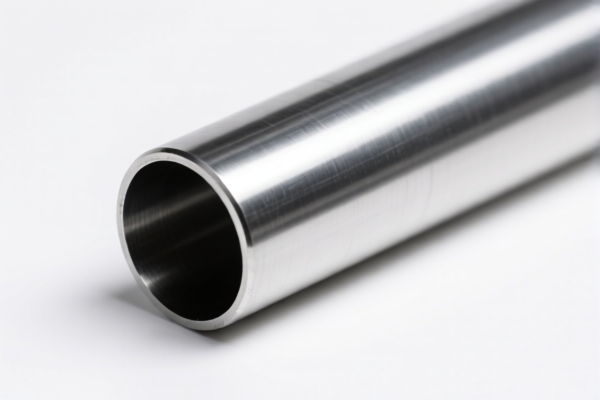
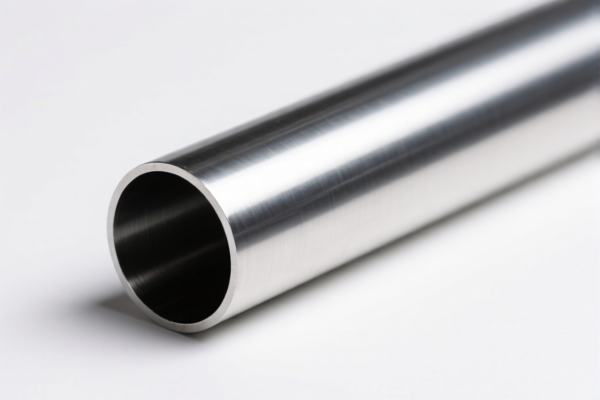
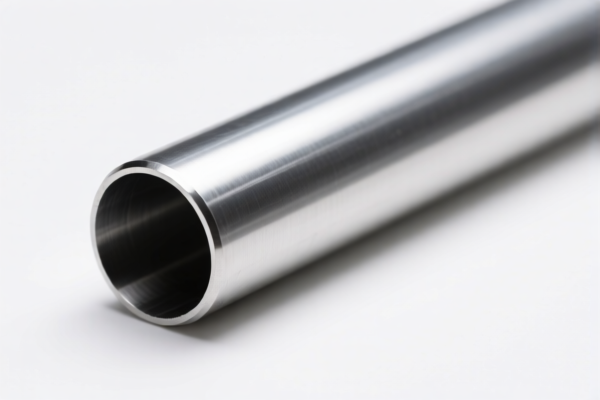
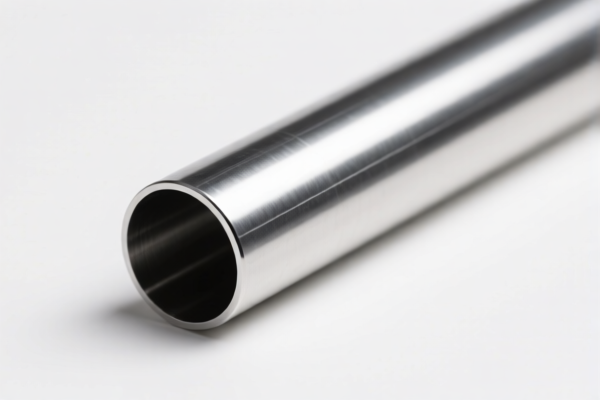
AI分析
🐠 Aquarium Tubing: HS Code Classification & U.S. Customs Clearance Guide
🌐 HS Code Reference & Clearance Strategy | 2026 Latest Tariff Analysis | Professional Level Compliance
📌 I. Product Definition & Classification: Do You Really Understand "Aquarium Tubing"?
Aquarium tubing (often referred to as "tubing," "hose," or "flexible pipe") is a critical component in aquatic systems, used for water circulation, filtration intake/exhaust, and air supply. In international trade, classification depends heavily on the material and structure.
There are two primary categories based on HS Nomenclature:
1. Plastic Tubing (Plastics and articles thereof)
- Material: Polyethylene (PE), Polyvinyl Chloride (PVC), Silicone, or other polymers.
- Key Feature: Synthetic polymer-based. If reinforced, it must still be predominantly plastic.
- Common HS Codes: 3917.23.00.00 (PVC), 3917.29.00.90 (Other plastics).
2. Rubber Tubing (Rubber and articles thereof)
- Material: Natural rubber, synthetic rubber (e.g., EPDM, NBR), or vulcanized rubber.
- Key Feature: Elastic, often used for high-pressure or temperature-resist applications.
- Common HS Codes: 4009.11.00.00, 4009.12.00.50.
⚠️ Critical Distinction Point:
- If the tube is primarily plastic (even if colored or flexible) → Chapter 39
- If the tube is primarily rubber (vulcanized) → Chapter 40
- Reinforced Tubes: If reinforced with textile, metal, or other materials, but the rubber/plastic remains the essential character, it still falls under Chapter 39 or 40, not Chapter 39/40 "reinforced" subcategories unless specified otherwise.
📦 II. HS Code Classification Details (2026 Latest Tariff Authority)
Below is the detailed breakdown of the HS Codes found in your reference data, tailored for Aquarium Tubing.
| HS Code | Product Description | Material Basis | Relevance to Aquarium Tubing |
|---|---|---|---|
3917.29.00.90 |
Tubes, pipes, and hoses, of plastics (other than hard plastics) | Plastic (e.g., PE, PP, Silicone, non-PVC plastics) | ✅ Most Common for standard flexible aquarium hoses (non-PVC). |
4009.12.00.50 |
Tubes, pipes, and hoses, of vulcanized rubber, without fittings | Rubber (Vulcanized) | ✅ For high-end or commercial aquariums using rubber hoses. |
3917.23.00.00 |
Tubes, pipes, and hoses, of polymers of vinyl chloride (PVC) | PVC | ✅ For rigid or semi-rigid PVC aquarium tubing (often for pumps). |
4009.11.00.00 |
Tubes, pipes, and hoses, of rubber or plastics, without fittings | Rubber/Plastic (Generic/Sub-class) | ⚠️ Note: This code is ambiguous in some tariff schedules; however, in the provided data, it is linked to "Rubber or Plastic" tubular hoses. Often used for mixed or specific rubber/plastic hybrids. |
🔍 Important Reminder:
- Material is King: You must declare the exact polymer or rubber type. Misdeclaring "Plastic" when it is "Rubber" can lead to misclassification penalties.
- "Without Fittings": All these codes specify hoses/tubes without assembled fittings (like barbed connectors). If sold with pre-attached nozzles or ends, classification may shift.
💰 III. 2026 Latest Tariff Rate Breakdown (Including Additional Duties)
✅ Applicable Country: United States (US)
✅ Country of Origin: China (CN)
✅ Effective Date: From November 10, 2025 (and subsequent imports)
🎯 1. 3917.29.00.90 – Other Plastic Tubes/Pipes/Hoses
| Item | Detail |
|---|---|
| Base Tariff | 3.1% (Ad Valorem) |
| Section 301 Tariff | +25.0% (U.S. Trade Law Section 301) |
| Section 122 Tariff | +10.0% (Specific import restrictions/duties) |
| Total Tax Rate | 38.1% |
| Tax Calculation | CIF Value × 38.1% |
| De Minimis Eligibility | ❌ No (deny_de_minimis) |
| Legal Basis Path | Section 301: 9903.88.01 → Section 122 → USITC:3917.29.00.90 |
📌 Explanation:
- This is the most common code for aquarium tubing made of PE, PP, or Silicone.
- The total tax burden is high (38.1%).
- No de minimis exemption: Even small shipments for personal use or sample purposes are subject to full duty if declared as commercial goods.
🎯 2. 4009.12.00.50 – Vulcanized Rubber Tubes
| Item | Detail |
|---|---|
| Base Tariff | 2.5% |
| Section 301 Tariff | +7.5% |
| Section 122 Tariff | +10.0% |
| Total Tax Rate | 20.0% |
| Tax Calculation | CIF Value × 20.0% |
| De Minimis Eligibility | ❌ No |
| Legal Basis Path | Section 301: 9903.01.25 → Section 122 → USITC:4009.12.00.50 |
📌 Note:
- Rubber tubing benefits from a lower Section 301 rate (7.5%) compared to plastic (25.0%).
- Total tax is 20.0%, significantly cheaper than plastic alternatives.
- Ensure the product is indeed vulcanized rubber, not plastic-rubber blend (which may fall under plastic).
🎯 3. 3917.23.00.00 – PVC Plastic Tubes
| Item | Detail |
|---|---|
| Base Tariff | 3.1% |
| Section 301 Tariff | +25.0% |
| Section 122 Tariff | +10.0% |
| Total Tax Rate | 38.1% |
| Tax Calculation | CIF Value × 38.1% |
| De Minimis Eligibility | ❌ No |
| Legal Basis Path | Section 301: 9903.88.01 → Section 122 → USITC:3917.23.00.00 |
📌 Warning:
- PVC tubing is common for rigid aquarium filters but less so for flexible hoses due to stiffness.
- Same high tax rate as other plastics: 38.1%.
🎯 4. 4009.11.00.00 – Rubber or Plastic Tubular Hoses
| Item | Detail |
|---|---|
| Base Tariff | 2.5% |
| Section 301 Tariff | +25.0% |
| Section 122 Tariff | +10.0% |
| Total Tax Rate | 37.5% |
| Tax Calculation | CIF Value × 37.5% |
| De Minimis Eligibility | ❌ No |
| Legal Basis Path | Section 301: 9903.01.24 → Section 122 → USITC:4009.11.00.00 |
📌 Caution:
- This code is broader and may include hybrid materials.
- While base tariff is low (2.5%), the 25% Section 301 applies, making it nearly as expensive as standard plastic.
- Only use if the product’s composition is ambiguous or specifically classified here by USITC rulings.
🛠️ IV. Customs Clearance Practical Advice (Avoid Pitfalls)
✅ 1. Document Checklist (Mandatory)
| Document | Required? | Purpose |
|---|---|---|
| ✅ Product Specification Sheet | ✔️ | Must state material (e.g., "100% Silicone", "Vulcanized Rubber") and dimensions. |
| ✅ Material Composition Certificate | ✔️ | Crucial for distinguishing between Chapter 39 (Plastic) and Chapter 40 (Rubber). |
| ✅ Product Photos | ✔️ | Show cross-section, flexibility, and any printed markings (e.g., "PVC Free"). |
| ✅ Commercial Invoice | ✔️ | Clearly describe as "Aquarium Tubing" or "Flexible Hose for Aquatic Use," not generic "Pipe." |
| ✅ Packing List | ✔️ | Specify net/gross weight, dimensions, and quantity. |
| ✅ Origin Certificate (CO) | ✔️ | If claiming origin from non-China countries (e.g., Vietnam, Thailand), this may exempt Section 301 duties. |
✅ 2. Declaration Tips (Key Mnemonics)
🔥 "Material First, Chapter Clear; No Fittings, Code Clear!"
| Scenario | Correct Declaration | Incorrect Declaration | Consequence |
|---|---|---|---|
| Silicone/PE Hose | 3917.29.00.90 |
4009.11.00.00 |
Misclassification penalty; potential 17.5% difference in tax. |
| Vulcanized Rubber Hose | 4009.12.00.50 |
3917.29.00.90 |
Underpayment of duty; back taxes + interest. |
| PVC Rigid Tube | 3917.23.00.00 |
3917.29.00.90 |
Minor risk, but specificity is required for audit. |
| Hose with Attached Nozzle | Split Declaration | Single code 3917.29.00.90 |
Nozzle may be classified separately (e.g., as plastic article), triggering different rates. |
✅ 3. Special Cases
| Case | Handling Advice |
|---|---|
| OEM Custom Tubing | Provide design specs and material MSDS (Material Safety Data Sheet) to prove non-food grade if applicable. |
| Reinforced Tubing (Textile/Metal) | If rubber/plastic is essential character, still use Ch. 39/40. If metal dominant, may shift to Ch. 73. |
| Origin from Vietnam/Thailand | Apply for Form E or DSE to claim 0% Section 301 duty. Total tax could drop to ~3-5%. |
| Sample/Personal Use | Even for de minimis shipments, Section 301 and 122 duties apply if total value exceeds $800? No, de minimis is $800, but Section 301 applies to de minimis since Nov 2024. So, $800 exemption does NOT apply to Chinese goods with Section 301 duties. |
🌍 V. Global Market Comparison (2026)
| Country/Region | Recommended HS Code | Base Duty | Additional Duties (CN Origin) | Total Est. Duty | Notes |
|---|---|---|---|---|---|
| 🇺🇸 USA | 3917.29.00.90 |
3.1% | 35% (301 + 122) | 38.1% | High barrier. Consider non-CN origin. |
| 🇨🇳 China | 3917.29.00.90 |
3.1% | 0% | 3.1% | Low import duty. |
| 🇪🇺 EU | 3917.29.00 |
6.5% | 0% (no Section 301) | 6.5% | No retaliatory tariffs. |
| 🇬🇧 UK | 3917.29.00 |
6.5% | 0% | 6.5% | Post-Brexit tariff alignment with EU. |
| 🇦🇺 Australia | 3917.29.00 |
5.0% | 0% | 5.0% | No Section 301 impact. |
📌 Conclusion:
- USA is the most expensive market due to Section 301 and Section 122 tariffs.
- Diversify Supply Chain: Sourcing aquarium tubing from Vietnam, Thailand, or Malaysia can save 25–35% in duties.
📌 VI. Common Mistakes & Pitfalls (Lessons Learned)
❌ Mistake 1: Declaring "Aquarium Hoses" as "Plastic Pipes" under 3917.39.00.00 (Rigid Pipes)
👉 Result: If flexible, customs may reclassify to 3917.29.00.90. Delay + penalty.
❌ Mistake 2: Ignoring Section 122 Tariffs
👉 Result: Budget only for Section 301 (25%), but 10% extra hits unexpectedly. Total is 38.1%, not 28.1%.
❌ Mistake 3: Claiming "De Minimis" ($800) for Chinese-origin tubing
👉 Result: Illegal since Nov 2024. Section 301 and 122 duties apply even to small packages. Customs will seize or bill retroactively.
❌ Mistake 4: Not specifying "Without Fittings"
👉 Result: If sold with connectors, the code may change, or items may be split, increasing complexity and risk.
✅ Correct Approach:
"Flexible Aquarium Tubing, Material: 100% Silicone Rubber, Length: 10m, Without Fittings, Origin: China"
🎯 VII. Conclusion: Precise Classification Saves Money!
🎯 Remember the Key Rules:
🔹 "Plastic = 38.1% | Rubber = 20% | Non-CN Origin = 0–6.5%"
🔹 "Section 122 is the Silent Killer: Always add 10%."
🔹 "No De Minimis for China: Every dollar counts."
📌 Pro Tip:
If you are importing aquarium tubing into the US from China, consider:
1. Switching to Rubber (4009.12.00.50) to save ~18% in duties.
2. Sourcing from Vietnam/Thailand to eliminate Section 301 duties entirely.
3. Applying for an Advance Ruling from CBP to confirm HS Code before shipping.
📣 Immediate Action:
📞 Consult a licensed customs broker.
📄 Prepare Material Safety Data Sheets (MSDS).
🌍 Evaluate non-China supply chains.
🚀 Optimize your supply chain to maximize profit margins!
✨ Professional clearance starts with accurate classification.
💼 Every percentage point in duty is a percentage point in profit.
用户评价
关于 HS 编码归类
协调制度(HS)是由世界海关组织(WCO)制定的国际贸易商品分类标准。全球 200 多个国家采用 HS 系统作为海关关税、贸易统计和进出口监管的基础。
每个 HS 编码遵循以下层级结构:
- 章(2 位)——商品大类(例如:第 84 章:机器和机械设备)
- 品目(4 位)——章内的更具体分类
- 子目(6 位)——国际通用细分,所有 WCO 成员国统一使用
- 本国细分(8-10 位)——各国自行扩展的细分编码,如美国 HTSUS 10 位编码
正确的 HS 编码归类对于顺利通关、准确缴纳关税和遵守贸易法规至关重要。错误归类可能导致海关延误、多缴关税或罚款。
从CN进口到US时,适用的关税税率可能包括:
- 最惠国(MFN)税率——适用于 WTO 成员国的标准关税税率
- 普通税率——适用于无贸易协定国家
- 贸易救济关税——附加关税,如 301 条款(反倾销)、232 条款(国家安全)或反补贴税
本页内容仅供参考。如需正式归类,请咨询当地海关或持牌报关代理。