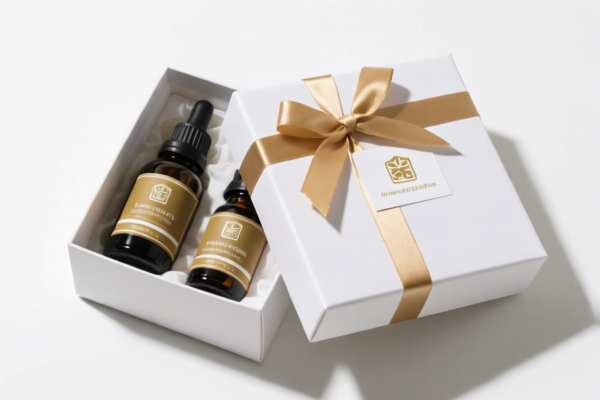
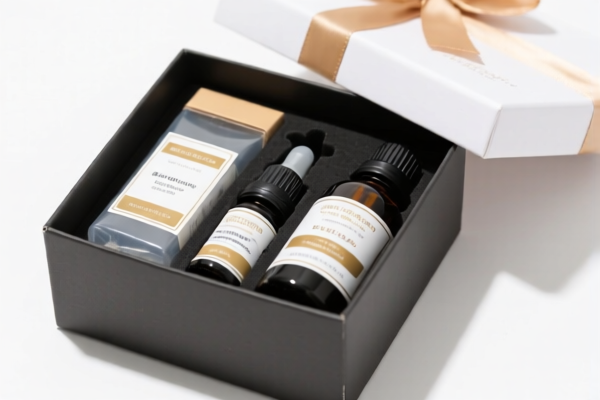
Aromatherapy Gift Set
CN → US| HS编码 | 关税税率 | 原产国 | 目的国 | 文档 |
|---|---|---|---|---|
| 3307490000 | 41.0% | CN | US | 官方文档 |
| 6307909875 | 24.5% | CN | US | 官方文档 |
| 6307909891 | 24.5% | CN | US | 官方文档 |
| 3307900000 | 40.4% | CN | US | 官方文档 |
| 3926909989 | 22.8% | CN | US | 官方文档 |
商品图片


AI分析
🎁 Aromatherapy Gift Set: The Ultimate HS Code & Duty Guide (2026 Edition)
🌐 HS Code Reference & Customs Clearance Guide | 2026 Latest Tariff Analysis | Professional Clearance Strategy
📌 I. Product Definition: What Exactly is an "Aromatherapy Gift Set"?
An Aromatherapy Gift Set is typically a composite good containing fragrance materials (like reed diffusers, sachets, or essential oil blends) packaged together for retail sale. The critical factor for HS classification is not the gift box itself, but the primary character of the contents.
In international trade, these sets are usually categorized based on whether they are viewed as: 1. Fragrance Preparations: The active scent component (sachets, oils, diffusers) defines the product. 2. Manufactured Articles: The packaging material (fabric pouches, paper bags, plastic holders) defines the product if the scent component is considered negligible or secondary.
⚠️ Key Distinction:
- If the set’s value and function are dominated by the fragrance/scenting agent →归入 Chapter 33 (Essential Oils, Perfumery).
- If the set is primarily a textile/paper/plastic container holding the scent → 归入 Chapter 63 (Other Made Up Articles) or Chapter 39 (Plastics).
📦 II. HS Code Classification Details (Based on Provided Data)
Based on the specific data provided for "Aromatherapy Sachets/Pouches" (a common core component of such sets), here are the potential classifications and their corresponding tax implications.
| HS Code | Product Description | Logical Basis for Classification | Total Tax Rate (China Origin to US) |
|---|---|---|---|
| 3307.49.00.00 | Fragrance Preparations (Sachets for Room Perfuming/Deodorizing) |
Classified under "Other perfumery products." The core function is releasing scent into the room. | 41.0% |
| 6307.90.98.75 | Other Made-Up Articles (Fabric/Paper Sachets) |
Classified as a finished product made of fabric or paper. Focuses on the container aspect rather than the chemical scent. | 24.5% |
| 6307.90.98.91 | Other Made-Up Articles (Textile/Fiber Based) |
Similar to above, but specifically categorized under textile/fiber-based finished goods. | 24.5% |
| 3307.90.00.00 | Other Perfumery/Toiletry Preparations (General Fragrance Items) |
Broad category for scenting agents not specified elsewhere. Core function is fragrance emission. | 40.4% |
| 3926.90.99.89 | Other Plastic Articles (Plastic/Synthetic Fiber Containers) |
Classified based on material if the item is viewed primarily as a plastic vessel or synthetic fiber product. | 22.8% |
🔍 Critical Note:
- Chapters 33 (Fragrance) generally attract higher tariffs due to Section 301/IEEPA additions.
- Chapters 63 & 39 (Textiles/Plastics) may offer lower overall duty rates (22.8% - 24.5%) if customs accepts the classification as a "manufactured article" rather than a "chemical/fragrance preparation."
💰 III. Detailed Tariff Breakdown (2026 Current Rates)
✅ Applicable Country: United States (US)
✅ Origin: China (CN)
✅ Effective Date: Post-November 2025 (Current Trade Environment)
🎯 1. High-Tariff Scenario: Fragrance Classification (Chapter 33)
Scenario A: HS Code 3307.49.00.00
(Used for sachets explicitly for room perfuming/deodorizing)
| Item | Details |
|---|---|
| Base Duty Rate | 6.0% |
| Section 301 / Additional Duty | 25.0% |
| Section 122 Duty | 10.0% |
| Total Effective Tax Rate | 41.0% |
| Calculation Basis | CIF Value × 41% |
| De Minimis Exemption? | ❌ NO (Strictly denied for these codes) |
| Legal Reference Path | Base Tariff: 3307.49 → Section 301: +25% → Section 122: +10% |
Scenario B: HS Code 3307.90.00.00
(General Fragrance/Toiletry Preparations)
| Item | Details |
|---|---|
| Base Duty Rate | 5.4% |
| Section 301 / Additional Duty | 25.0% |
| Section 122 Duty | 10.0% |
| Total Effective Tax Rate | 40.4% |
| Calculation Basis | CIF Value × 40.4% |
📌 Explanation:
- The 25% is the standard USITC additional duty for Chinese goods under Section 301.
- The 10% is a specific "Section 122" duty (often related to national security or specific trade remedies on textiles/apparel/fibers sometimes applied broadly or via specific rulings).
- Total ~40-41% is extremely high and eats significantly into margins.
🎯 2. Lower-Tariff Scenario: Manufactured Article Classification (Chapters 63 & 39)
Scenario C: HS Code 6307.90.98.75 or 6307.90.98.91
(Fabric/Paper Sachets - Treated as "Other Made-Up Articles")
| Item | Details |
|---|---|
| Base Duty Rate | 7.0% |
| Section 301 / Additional Duty | 7.5% |
| Section 122 Duty | 10.0% |
| Total Effective Tax Rate | 24.5% |
| Calculation Basis | CIF Value × 24.5% |
Scenario D: HS Code 3926.90.99.89
(Plastic/Synthetic Fiber Articles)
| Item | Details |
|---|---|
| Base Duty Rate | 5.3% |
| Section 301 / Additional Duty | 7.5% |
| Section 122 Duty | 10.0% |
| Total Effective Tax Rate | 22.8% |
| Calculation Basis | CIF Value × 22.8% |
📌 Explanation:
- Section 301 Duty drops significantly (from 25% to 7.5%) for these categories. This is the key to saving money.
- Section 122 Duty (10%) remains constant across many of these classifications.
- Total ~23-25% is much more manageable than 40%+.
🛠️ IV. Customs Clearance Practical Advice
✅ 1. Strategic Classification Recommendation
Goal: Minimize duty while remaining compliant.
Strategy: Argue for classification under Chapter 63 (Textiles/Paper) or Chapter 39 (Plastics) if the product structure allows.
| Condition | Recommended HS Code | Reason |
|---|---|---|
| Sachets are Fabric/Paper with scent inside | 6307.90.98.75 or 6307.90.98.91 |
Classify as "Made-up textile article." Avoids the 25% Section 301 fragrance tax. |
| Sachets are Plastic/Synthetic | 3926.90.99.89 |
Classify as "Plastic article." Lowest base and additional duty. |
| Product is Liquid Oils in bottles | 3301.29 or 3307.49 |
Harder to avoid Chapter 33. Expect ~40% duty. |
⚠️ Warning: If you classify a fabric sachet (which contains the primary value) as
6307, Customs may challenge it if the fragrance chemical is considered the essential character. However, pre-packaged sachets are often successfully declared as textiles because the function is "decorative/functional pouch" rather than "chemical dispenser."
✅ 2. Documentation Checklist
| Document | Requirement | Why It Matters |
|---|---|---|
| Commercial Invoice | Clearly describe item as "Decorative Fabric Sachet" or "Plastic Scented Pouch," NOT just "Essential Oil Set" | Keywords matter. "Fabric" supports Chapter 63. |
| Product Photos | Show material texture (weave, plastic type) | Proves material basis for Ch 63/39 vs. Ch 33. |
| Bill of Materials (BOM) | List fabric/plastic as primary material, scent as secondary/additive | Helps justify "Manufactured Article" over "Chemical Product." |
| Labeling | Ensure no misleading claims like "Contains 50ml Pure Oil" if it's actually a small scent pad | Mislabeling can force reclassification to Ch 33. |
✅ 3. Declaration Tips (The "Golden Rules")
🔥 Rule #1: Emphasize Material, Not Function.
- ❌ Bad Description: "Aromatherapy Diffuser Set with Lavender Oil"
- ✅ Good Description: "Cotton Fabric Scented Pouch, Decorative Home Accessory, Pre-Infused with Fragrance"🔥 Rule #2: Avoid "Chemical" Terminology.
- Do not list "Limonene," "Linalool," or "Essential Oil" as the primary ingredient in the description field. List them as "Perfumed Fabric."🔥 Rule #3: Check Section 122 Applicability.
- The 10% Section 122 duty applies to many of these codes. Ensure you are not eligible for any exemptions (though rare for China-origin goods in this context).
🌍 V. Global Market Comparison (Quick Reference)
| Market | Preferred HS Code | Est. Duty (China Origin) | Key Certifications |
|---|---|---|---|
| 🇺🇸 USA | 6307.90.98.75 (Textile) |
24.5% | None specific for sachets, but ensure safety. |
| 🇪🇺 EU | 6307.90 / 3307.49 |
0% - 4.7% | IFRA Compliance (Scent Safety), REACH. |
| 🇬🇧 UK | 6307.90 |
0% - 4.7% | UKCA, IFRA. |
| 🇨🇳 China | 3307.90 |
5% - 7% | None for import, but domestic labeling required. |
📌 Insight:
The USA is the most challenging market for aromatherapy products due to high Section 301 and Section 122 duties. The EU and other markets have significantly lower or zero tariffs for similar goods.
📌 VI. Common Mistakes & Pitfalls
❌ Mistake 1: Declaring "Gift Set" without specifying contents.
👉 Result: Customs may assign the highest duty code among the components (likely 3307 at 40%+).
👉 Fix: Break down the set in the invoice.
❌ Mistake 2: Using "Essential Oil" in the product name.
👉 Result: Triggers Chapter 33 classification automatically.
👉 Fix: Use terms like "Perfumed," "Scented," "Aromatic Pouch."
❌ Mistake 3: Ignoring Section 122.
👉 Result: Unexpected 10% tax hit.
👉 Fix: Always calculate the 10% Section 122 duty in your landed cost model.
🎯 VII. Conclusion: Optimize Your Landed Cost
🎯 Key Takeaway:
For Aromatherapy Gift Sets containing sachets, classification strategy is everything.
- If you classify as Fragrance (Ch 33): Expect ~41% duty.
- If you classify as Textile/Plastic Article (Ch 63/39): Expect ~23-25% duty.
💡 Pro Tip:
Consult with a customs broker to validate if your specific "sachet" product qualifies as a "made-up textile article" under6307.90. If the fabric/plastic is the primary form, you can legally save ~16-18% in duties.
📣 Action Plan:
1. Re-evaluate Product Description: Change "Oil Set" to "Scented Fabric Pouch."
2. Select HS Code 6307.90.98.75 (if fabric) or 3926.90.99.89 (if plastic).
3. Prepare Documentation: Highlight material composition in invoices.
4. Calculate Savings: Compare 41% vs. 24.5% on your CIF value.
✨ Smart Classification = Higher Profits.
💼 Don't let high duties destroy your margin.
用户评价
关于 HS 编码归类
协调制度(HS)是由世界海关组织(WCO)制定的国际贸易商品分类标准。全球 200 多个国家采用 HS 系统作为海关关税、贸易统计和进出口监管的基础。
每个 HS 编码遵循以下层级结构:
- 章(2 位)——商品大类(例如:第 84 章:机器和机械设备)
- 品目(4 位)——章内的更具体分类
- 子目(6 位)——国际通用细分,所有 WCO 成员国统一使用
- 本国细分(8-10 位)——各国自行扩展的细分编码,如美国 HTSUS 10 位编码
正确的 HS 编码归类对于顺利通关、准确缴纳关税和遵守贸易法规至关重要。错误归类可能导致海关延误、多缴关税或罚款。
从CN进口到US时,适用的关税税率可能包括:
- 最惠国(MFN)税率——适用于 WTO 成员国的标准关税税率
- 普通税率——适用于无贸易协定国家
- 贸易救济关税——附加关税,如 301 条款(反倾销)、232 条款(国家安全)或反补贴税
本页内容仅供参考。如需正式归类,请咨询当地海关或持牌报关代理。