Aromatherapy Gift Set
CN → US| HS Code | Tariff Rate | Origin | Destination | Doc |
|---|---|---|---|---|
| 3307490000 | 41.0% | CN | US | Official Doc |
| 6307909875 | 24.5% | CN | US | Official Doc |
| 6307909891 | 24.5% | CN | US | Official Doc |
| 3307900000 | 40.4% | CN | US | Official Doc |
| 3926909989 | 22.8% | CN | US | Official Doc |
Product Images
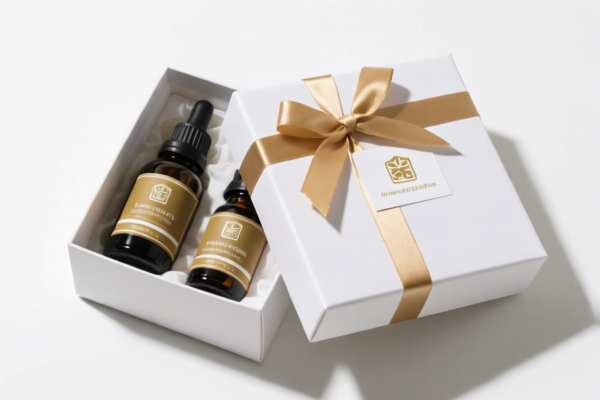


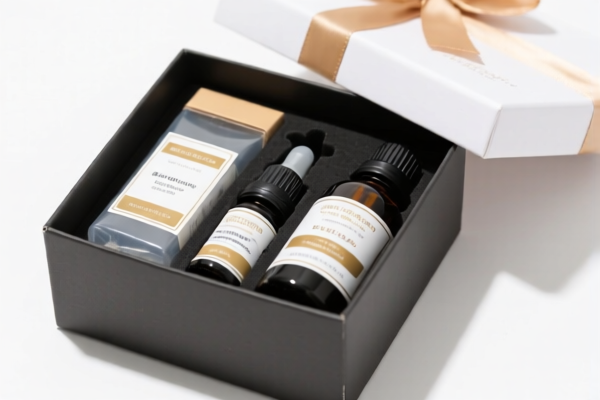
AI Analysis
🎁 Aromatherapy Gift Set: The Ultimate HS Code & Duty Guide (2026 Edition)
🌐 HS Code Reference & Customs Clearance Guide | 2026 Latest Tariff Analysis | Professional Clearance Strategy
📌 I. Product Definition: What Exactly is an "Aromatherapy Gift Set"?
An Aromatherapy Gift Set is typically a composite good containing fragrance materials (like reed diffusers, sachets, or essential oil blends) packaged together for retail sale. The critical factor for HS classification is not the gift box itself, but the primary character of the contents.
In international trade, these sets are usually categorized based on whether they are viewed as: 1. Fragrance Preparations: The active scent component (sachets, oils, diffusers) defines the product. 2. Manufactured Articles: The packaging material (fabric pouches, paper bags, plastic holders) defines the product if the scent component is considered negligible or secondary.
⚠️ Key Distinction:
- If the set’s value and function are dominated by the fragrance/scenting agent →归入 Chapter 33 (Essential Oils, Perfumery).
- If the set is primarily a textile/paper/plastic container holding the scent → 归入 Chapter 63 (Other Made Up Articles) or Chapter 39 (Plastics).
📦 II. HS Code Classification Details (Based on Provided Data)
Based on the specific data provided for "Aromatherapy Sachets/Pouches" (a common core component of such sets), here are the potential classifications and their corresponding tax implications.
| HS Code | Product Description | Logical Basis for Classification | Total Tax Rate (China Origin to US) |
|---|---|---|---|
| 3307.49.00.00 | Fragrance Preparations (Sachets for Room Perfuming/Deodorizing) |
Classified under "Other perfumery products." The core function is releasing scent into the room. | 41.0% |
| 6307.90.98.75 | Other Made-Up Articles (Fabric/Paper Sachets) |
Classified as a finished product made of fabric or paper. Focuses on the container aspect rather than the chemical scent. | 24.5% |
| 6307.90.98.91 | Other Made-Up Articles (Textile/Fiber Based) |
Similar to above, but specifically categorized under textile/fiber-based finished goods. | 24.5% |
| 3307.90.00.00 | Other Perfumery/Toiletry Preparations (General Fragrance Items) |
Broad category for scenting agents not specified elsewhere. Core function is fragrance emission. | 40.4% |
| 3926.90.99.89 | Other Plastic Articles (Plastic/Synthetic Fiber Containers) |
Classified based on material if the item is viewed primarily as a plastic vessel or synthetic fiber product. | 22.8% |
🔍 Critical Note:
- Chapters 33 (Fragrance) generally attract higher tariffs due to Section 301/IEEPA additions.
- Chapters 63 & 39 (Textiles/Plastics) may offer lower overall duty rates (22.8% - 24.5%) if customs accepts the classification as a "manufactured article" rather than a "chemical/fragrance preparation."
💰 III. Detailed Tariff Breakdown (2026 Current Rates)
✅ Applicable Country: United States (US)
✅ Origin: China (CN)
✅ Effective Date: Post-November 2025 (Current Trade Environment)
🎯 1. High-Tariff Scenario: Fragrance Classification (Chapter 33)
Scenario A: HS Code 3307.49.00.00
(Used for sachets explicitly for room perfuming/deodorizing)
| Item | Details |
|---|---|
| Base Duty Rate | 6.0% |
| Section 301 / Additional Duty | 25.0% |
| Section 122 Duty | 10.0% |
| Total Effective Tax Rate | 41.0% |
| Calculation Basis | CIF Value × 41% |
| De Minimis Exemption? | ❌ NO (Strictly denied for these codes) |
| Legal Reference Path | Base Tariff: 3307.49 → Section 301: +25% → Section 122: +10% |
Scenario B: HS Code 3307.90.00.00
(General Fragrance/Toiletry Preparations)
| Item | Details |
|---|---|
| Base Duty Rate | 5.4% |
| Section 301 / Additional Duty | 25.0% |
| Section 122 Duty | 10.0% |
| Total Effective Tax Rate | 40.4% |
| Calculation Basis | CIF Value × 40.4% |
📌 Explanation:
- The 25% is the standard USITC additional duty for Chinese goods under Section 301.
- The 10% is a specific "Section 122" duty (often related to national security or specific trade remedies on textiles/apparel/fibers sometimes applied broadly or via specific rulings).
- Total ~40-41% is extremely high and eats significantly into margins.
🎯 2. Lower-Tariff Scenario: Manufactured Article Classification (Chapters 63 & 39)
Scenario C: HS Code 6307.90.98.75 or 6307.90.98.91
(Fabric/Paper Sachets - Treated as "Other Made-Up Articles")
| Item | Details |
|---|---|
| Base Duty Rate | 7.0% |
| Section 301 / Additional Duty | 7.5% |
| Section 122 Duty | 10.0% |
| Total Effective Tax Rate | 24.5% |
| Calculation Basis | CIF Value × 24.5% |
Scenario D: HS Code 3926.90.99.89
(Plastic/Synthetic Fiber Articles)
| Item | Details |
|---|---|
| Base Duty Rate | 5.3% |
| Section 301 / Additional Duty | 7.5% |
| Section 122 Duty | 10.0% |
| Total Effective Tax Rate | 22.8% |
| Calculation Basis | CIF Value × 22.8% |
📌 Explanation:
- Section 301 Duty drops significantly (from 25% to 7.5%) for these categories. This is the key to saving money.
- Section 122 Duty (10%) remains constant across many of these classifications.
- Total ~23-25% is much more manageable than 40%+.
🛠️ IV. Customs Clearance Practical Advice
✅ 1. Strategic Classification Recommendation
Goal: Minimize duty while remaining compliant.
Strategy: Argue for classification under Chapter 63 (Textiles/Paper) or Chapter 39 (Plastics) if the product structure allows.
| Condition | Recommended HS Code | Reason |
|---|---|---|
| Sachets are Fabric/Paper with scent inside | 6307.90.98.75 or 6307.90.98.91 |
Classify as "Made-up textile article." Avoids the 25% Section 301 fragrance tax. |
| Sachets are Plastic/Synthetic | 3926.90.99.89 |
Classify as "Plastic article." Lowest base and additional duty. |
| Product is Liquid Oils in bottles | 3301.29 or 3307.49 |
Harder to avoid Chapter 33. Expect ~40% duty. |
⚠️ Warning: If you classify a fabric sachet (which contains the primary value) as
6307, Customs may challenge it if the fragrance chemical is considered the essential character. However, pre-packaged sachets are often successfully declared as textiles because the function is "decorative/functional pouch" rather than "chemical dispenser."
✅ 2. Documentation Checklist
| Document | Requirement | Why It Matters |
|---|---|---|
| Commercial Invoice | Clearly describe item as "Decorative Fabric Sachet" or "Plastic Scented Pouch," NOT just "Essential Oil Set" | Keywords matter. "Fabric" supports Chapter 63. |
| Product Photos | Show material texture (weave, plastic type) | Proves material basis for Ch 63/39 vs. Ch 33. |
| Bill of Materials (BOM) | List fabric/plastic as primary material, scent as secondary/additive | Helps justify "Manufactured Article" over "Chemical Product." |
| Labeling | Ensure no misleading claims like "Contains 50ml Pure Oil" if it's actually a small scent pad | Mislabeling can force reclassification to Ch 33. |
✅ 3. Declaration Tips (The "Golden Rules")
🔥 Rule #1: Emphasize Material, Not Function.
- ❌ Bad Description: "Aromatherapy Diffuser Set with Lavender Oil"
- ✅ Good Description: "Cotton Fabric Scented Pouch, Decorative Home Accessory, Pre-Infused with Fragrance"🔥 Rule #2: Avoid "Chemical" Terminology.
- Do not list "Limonene," "Linalool," or "Essential Oil" as the primary ingredient in the description field. List them as "Perfumed Fabric."🔥 Rule #3: Check Section 122 Applicability.
- The 10% Section 122 duty applies to many of these codes. Ensure you are not eligible for any exemptions (though rare for China-origin goods in this context).
🌍 V. Global Market Comparison (Quick Reference)
| Market | Preferred HS Code | Est. Duty (China Origin) | Key Certifications |
|---|---|---|---|
| 🇺🇸 USA | 6307.90.98.75 (Textile) |
24.5% | None specific for sachets, but ensure safety. |
| 🇪🇺 EU | 6307.90 / 3307.49 |
0% - 4.7% | IFRA Compliance (Scent Safety), REACH. |
| 🇬🇧 UK | 6307.90 |
0% - 4.7% | UKCA, IFRA. |
| 🇨🇳 China | 3307.90 |
5% - 7% | None for import, but domestic labeling required. |
📌 Insight:
The USA is the most challenging market for aromatherapy products due to high Section 301 and Section 122 duties. The EU and other markets have significantly lower or zero tariffs for similar goods.
📌 VI. Common Mistakes & Pitfalls
❌ Mistake 1: Declaring "Gift Set" without specifying contents.
👉 Result: Customs may assign the highest duty code among the components (likely 3307 at 40%+).
👉 Fix: Break down the set in the invoice.
❌ Mistake 2: Using "Essential Oil" in the product name.
👉 Result: Triggers Chapter 33 classification automatically.
👉 Fix: Use terms like "Perfumed," "Scented," "Aromatic Pouch."
❌ Mistake 3: Ignoring Section 122.
👉 Result: Unexpected 10% tax hit.
👉 Fix: Always calculate the 10% Section 122 duty in your landed cost model.
🎯 VII. Conclusion: Optimize Your Landed Cost
🎯 Key Takeaway:
For Aromatherapy Gift Sets containing sachets, classification strategy is everything.
- If you classify as Fragrance (Ch 33): Expect ~41% duty.
- If you classify as Textile/Plastic Article (Ch 63/39): Expect ~23-25% duty.
💡 Pro Tip:
Consult with a customs broker to validate if your specific "sachet" product qualifies as a "made-up textile article" under6307.90. If the fabric/plastic is the primary form, you can legally save ~16-18% in duties.
📣 Action Plan:
1. Re-evaluate Product Description: Change "Oil Set" to "Scented Fabric Pouch."
2. Select HS Code 6307.90.98.75 (if fabric) or 3926.90.99.89 (if plastic).
3. Prepare Documentation: Highlight material composition in invoices.
4. Calculate Savings: Compare 41% vs. 24.5% on your CIF value.
✨ Smart Classification = Higher Profits.
💼 Don't let high duties destroy your margin.
Customer Reviews
About HS Code Classification
The Harmonized System (HS) is an internationally standardized nomenclature developed by the World Customs Organization (WCO) to classify traded products. Over 200 countries use the HS system as the basis for customs tariffs, trade statistics, and import/export regulations.
Each HS code follows a hierarchical structure:
- Chapter (2 digits) — Broad category of goods (e.g., Chapter 84: Machinery and Mechanical Appliances)
- Heading (4 digits) — More specific grouping within the chapter
- Subheading (6 digits) — Internationally standardized breakdown, used by all WCO member countries
- National subdivisions (8-10 digits) — Country-specific extensions for further classification, such as US HTSUS 10-digit codes
Correct HS code classification is essential for smooth customs clearance, accurate duty payment, and compliance with trade regulations. Misclassification can lead to customs delays, overpayment of duties, or penalties.
When importing from CN to US, the applicable tariff rates may include:
- Most-Favored-Nation (MFN) rate — The standard duty rate applied to WTO members
- General rate — Applied to countries without trade agreements
- Trade remedy duties — Additional tariffs such as Section 301 (anti-dumping), Section 232 (national security), or countervailing duties
The information provided on this page is for reference purposes only. For official classification, please consult with your local customs authority or a licensed customs broker.