Assistive Belt
CN → US| HS编码 | 关税税率 | 原产国 | 目的国 | 文档 |
|---|---|---|---|---|
| 5609001000 | 37.9% | CN | US | 官方文档 |
| 3926905900 | 37.4% | CN | US | 官方文档 |
| 9021908100 | 10.0% | CN | US | 官方文档 |
| 5609003000 | 39.5% | CN | US | 官方文档 |
| 9021100090 | 10.0% | CN | US | 官方文档 |
商品图片
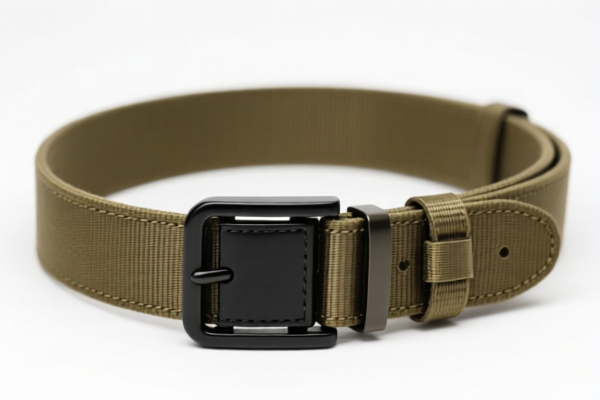
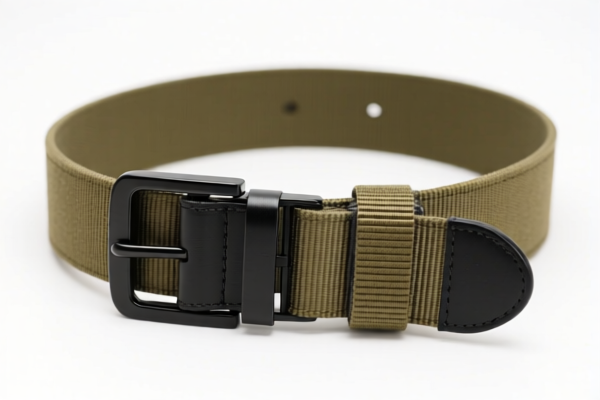
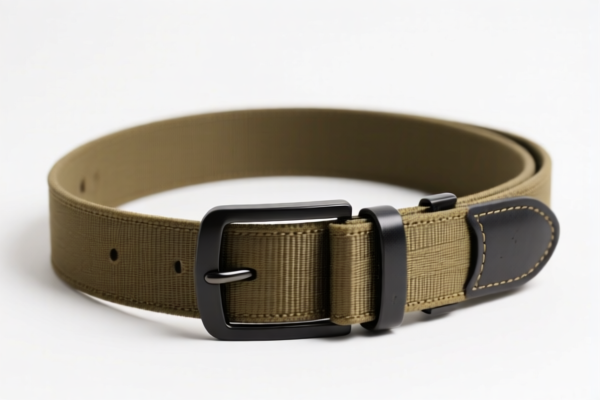
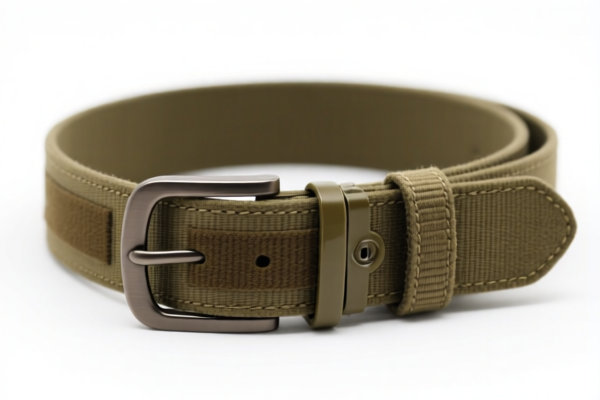
AI分析
🏥 Assistive Belt (Support Belt)
🌐 HS Code Reference & Customs Clearance Guide | 2026 Latest Tariff Analysis | Professional Strategy
📌 I. Product Definition: What Exactly is an "Assistive Belt"?
An Assistive Belt is a versatile product used in medical, industrial, or daily life scenarios. In international trade, its classification depends entirely on its material composition and primary function. It can range from a simple cloth strap for carrying tools to a sophisticated medical support device.
Key Distinction:
- If it functions primarily as a medical support (lumbar, knee, shoulder, post-surgery), it falls under Chapter 90.
- If it functions as a strap, cord, or textile article, it falls under Chapter 56.
- If it is a mechanical transmission belt (industrial), it might fall under Chapter 39 or Chapter 84.
- If it is a plastic composite with textile fibers used for machinery, it falls under Chapter 39.
⚠️ Critical Classification Point:
- Medical Use + Surgical/Support Function → 9021.90 / 9021.10 (Lowest Tax!)
- Textile/Cotton Material → 5609.00 (High Tax due to Section 301)
- Plastic/Textile Composite for Machinery → 3926.90 (High Tax due to Section 301)
- Synthetic Fiber Strap → 5609.00 (High Tax due to Section 301)
📦 II. HS Code Classification Matrix (2026 Latest Tariff Authority)
Based on the provided data, here are the 5 possible classifications for "Assistive Belt" with their respective tax implications.
| HS Code | Product Description | Primary Function/Material | Tax Rate (Total) | Key Reason for Classification |
|---|---|---|---|---|
| 9021.90.81.00 | Medical Support Belt (Surgical Appliance Accessory) | Medical use; similar to surgical belts or support belts. | 10.0% | Classified as an accessory to surgical/orthopedic appliances. |
| 9021.10.00.90 | Orthopedic/Surgical Accessory | For fractures or surgical support; classified as accessory to appliances. | 10.0% | Classified as an attachment for orthopedic/fracture appliances. |
| 5609.00.10.00 | Cotton Assistive Belt | Rope/strap-like article; made of Cotton. | 37.9% | Classified as a cotton textile strap/cord. |
| 3926.90.59.00 | Plastic-Textile Composite Belt | Mechanical transmission belt; material is plastic with textile fibers. | 37.4% | Classified as a plastic article containing textile fibers. |
| 5609.00.30.00 | Synthetic Fiber Assistive Belt | Strap-like article; made of Artificial/Synthetic Fibers. | 39.5% | Classified as a synthetic textile strap/cord. |
🔍 Important Note:
- HS Codes 9021.xx are significantly cheaper (10% total) but require proving medical/orthopedic purpose.
- HS Codes 5609.xx and 3926.xx are subject to heavy US tariffs (Section 301 + Section 122).
- Misclassification Risk: Declaring a medical belt as a "textile strap" to save on upfront duties is illegal and risky if audited. However, declaring a textile strap as "medical" without proof is also fraud. Match the physical product to the legal definition.
💰 III. 2026 Detailed Tariff Breakdown (Including Surcharges)
✅ Applicable Country: United States (US)
✅ Origin: China (CN)
✅ Effective Date: Current policies (Section 301, Section 122)
🎯 1. 9021.90.81.00 & 9021.10.00.90 — The Optimal Choice (If Eligible)
| Item | Content |
|---|---|
| Base Tariff | 0.0% |
| Section 301 Surcharge | 0.0% |
| Section 122 Surcharge | 10.0% |
| Total Tax Rate | 10.0% |
| Calculation | CIF Value × 10% |
| De Minimis Eligibility | ❌ Not Applicable (Subject to 122 terms) |
| Legal Basis | USITC:9021.90.81.00 / USITC:9021.10.00.90 → FOOTNOTE:122 |
📌 Explanation:
- These codes benefit from a 0% base tariff and 0% Section 301 tariff.
- Only a 10% Section 122 tariff applies.
- Condition: The product must be demonstrably used for medical, surgical, or orthopedic support. It cannot be a simple fashion belt or industrial strap.
- Strategy: If your product is a back brace, post-surgery abdominal binder, or knee support, THIS IS YOUR TARGET CODE.
🎯 2. 5609.00.10.00 — Cotton Strap
| Item | Content |
|---|---|
| Base Tariff | 2.9% |
| Section 301 Surcharge | +25.0% |
| Section 122 Surcharge | +10.0% |
| Total Tax Rate | 37.9% |
| Calculation | CIF Value × 37.9% |
| De Minimis Eligibility | ❌ No (Subject to Section 301 & 122) |
| Legal Basis | USITC:5609.00.10.00 → FOOTNOTE:301 & FOOTNOTE:122 |
📌 Explanation:
- Classified as a cotton rope, cable, or strap.
- High tariff burden due to Section 301 (25%) and Section 122 (10%).
🎯 3. 3926.90.59.00 — Plastic-Textile Composite
| Item | Content |
|---|---|
| Base Tariff | 2.4% |
| Section 301 Surcharge | +25.0% |
| Section 122 Surcharge | +10.0% |
| Total Tax Rate | 37.4% |
| Calculation | CIF Value × 37.4% |
| De Minimis Eligibility | ❌ No |
| Legal Basis | USITC:3926.90.59.00 → FOOTNOTE:301 & FOOTNOTE:122 |
📌 Explanation:
- Used if the belt is primarily plastic with textile fibers, often for mechanical transmission or heavy-duty holding.
- Slightly lower total tax (37.4%) than cotton (37.9%), but still very high.
🎯 4. 5609.00.30.00 — Synthetic Fiber Strap
| Item | Content |
|---|---|
| Base Tariff | 4.5% |
| Section 301 Surcharge | +25.0% |
| Section 122 Surcharge | +10.0% |
| Total Tax Rate | 39.5% |
| Calculation | CIF Value × 39.5% |
| De Minimis Eligibility | ❌ No |
| Legal Basis | USITC:5609.00.30.00 → FOOTNOTE:301 & FOOTNOTE:122 |
📌 Explanation:
- Classified as a strap made of artificial/synthetic fibers.
- This is the highest tax bracket among the options (39.5%). Avoid if possible.
🛠️ IV. Customs Clearance Practical Advice (Pitfall Avoidance)
✅ 1. Documentation Checklist (Must-Have)
| Document | Required? | Purpose |
|---|---|---|
| ✅ Product Specification Sheet | ✔️ | Detail material (Cotton/Plastic/Synthetic), dimensions, weight. |
| ✅ Usage Declaration | ✔️ | CRITICAL: Clearly state if it is for Medical/Orthopedic use to qualify for 9021. |
| ✅ Product Photos | ✔️ | Show the belt structure, labels, and any medical symbols. |
| ✅ Commercial Invoice | ✔️ | Use precise name: "Medical Lumbar Support Belt" vs. "Cotton Waist Strap". |
| ✅ Origin Certificate | ✔️ | Confirm CN origin to apply correct Section 301/122 rates. |
| ✅ Structure Diagram | ✔️ | If claiming medical use, show how it supports the body (e.g., rigid stays, ergonomic design). |
✅ 2. Declaration Strategy (Key Mnemonics)
🔥 “Medical Proof, Lower Rate; Textile Label, Higher Cost!”
| Scenario | Correct HS Code | Why? | Risk if Wrong |
|---|---|---|---|
| Lumbar Support, Post-Surgery Belt, Knee Brace | 9021.90.81.00 or 9021.10.00.90 |
Proven medical/orthopedic function. | Declaring as textile → Pay 37-39% instead of 10%. |
| Simple Cotton Waist Cincher (Fashion/Daily Use) | 5609.00.10.00 |
Made of cotton, no medical claim. | Claiming medical → Customs rejects, fines for fraud. |
| Industrial/Transmission Belt (Plastic+Textile) | 3926.90.59.00 |
Used for machinery/mechanical purpose. | Misclassified as medical → Seizure. |
| Elastic Nylon Strap (General Use) | 5609.00.30.00 |
Synthetic fiber, strap function. | N/A |
✅ 3. Special Handling & Cost-Saving Tips
| Situation | Recommendation |
|---|---|
| Can I claim it's Medical? | Only if it has therapeutic purpose (e.g., post-op support, pain relief, fracture immobilization). Include a doctor's note template or medical certificate with your shipment documentation if required. |
| Is Section 122 Avoidable? | No. Section 122 (10%) applies to all these categories if originating from China. However, Section 301 (25%) is waived for 9021 codes, making them much cheaper. |
| De Minimis (Section 321) | ❌ Not Applicable. These goods are subject to formal entry and tariffs. Do not try to ship as "gifts" under $800 if they are commercial assistive belts. |
| Product Name Matters | Use "Orthopedic Support Belt" or "Surgical Abdominal Binder" in your invoice if medically applicable. Avoid generic terms like "Cotton Belt" if it has medical features. |
🌍 V. Global Market Comparison (2026)
| Country/Region | Recommended HS Code | Total Tariff | Key Certification | Note |
|---|---|---|---|---|
| 🇺🇸 USA | 9021.90.81.00 |
10.0% | FDA (if Class I/II device) | Best option for medical belts. |
| 🇺🇸 USA | 5609.00.30.00 |
39.5% | N/A | Highest tax. Avoid for medical goods. |
| 🇨🇳 China | 9021.90.81.00 |
~10-15% | CCC (if applicable) | Lower import duty, no Section 301/122. |
| 🇪🇺 EU | 9021.90.81.00 |
~0-2.5% | CE Mark + MDR | Low duty, strict medical regulations. |
| 🇯🇵 Japan | 9021.90.81.00 |
~5-10% | PMDA/Min. Health | Low duty, requires medical device approval. |
📌 Conclusion:
- The USA is the most tariff-sensitive market for non-medical belts (37-39%).
- Medical classification (9021) is the key to saving 27-29% in duties in the US.
- Ensure your product is genuinely medical to justify the lower HS code.
📌 VI. Common Mistakes & Pitfalls (Lessons Learned)
❌ Mistake 1: Declaring a medical back brace as a "Cotton Waist Strap" (5609.00.10.00) to avoid Section 301.
👉 Consequence: Customs audit reveals medical use. You pay back taxes + penalties for misdeclaration.
👉 Better Approach: If it's medical, use 9021 and pay only 10%.
❌ Mistake 2: Declaring a simple fashion belt as a "Medical Orthopedic Belt" (9021.10.00.90).
👉 Consequence: Customs rejects the declaration due to lack of medical evidence. Goods detained or reclassified to 5609 (39.5%).
👉 Better Approach: Be honest. Use 5609 for non-medical items.
❌ Mistake 3: Ignoring Section 122.
👉 Consequence: All these HS codes have a 10% Section 122 tariff. Budget accordingly. It is not avoidable for CN-origin goods.
✅ Correct Action:
"Medical Lumbar Support Belt, Elastic with Steel Stays, for Post-Surgery Recovery, Model XYZ, CE/FDA Compliant"
→ Use HS Code9021.90.81.00
🎯 VII. Conclusion: Professional Declaration, Cost Optimization!
🎯 Key Takeaway:
🔹 "If it helps your body heal, use 9021. If it just holds your pants, use 5609."
🔹 "Medical = 10% Total. Textile/Plastic = 37-39% Total."
🔹 "Section 122 (10%) is always on the table for China-origin goods."
📌 Pro Tip:
- If your assistive belt is not medical, consider supply chain diversification (e.g., Vietnam, Mexico) to avoid Section 301/122 tariffs.
- If it is medical, invest in FDA/CE certification to confidently use HS Code 9021 and save ~27-29% in US duties.
📣 Immediate Action:
📞 Consult a Customs Broker to review your product's intended use and material composition.
🚀 Apply for Advance Ruling if unsure, to lock in the correct HS Code and avoid audit risks.
✨ Precision in Classification Saves Thousands!
💼 Your Assistive Belt, Optimized for Profit!
用户评价
关于 HS 编码归类
协调制度(HS)是由世界海关组织(WCO)制定的国际贸易商品分类标准。全球 200 多个国家采用 HS 系统作为海关关税、贸易统计和进出口监管的基础。
每个 HS 编码遵循以下层级结构:
- 章(2 位)——商品大类(例如:第 84 章:机器和机械设备)
- 品目(4 位)——章内的更具体分类
- 子目(6 位)——国际通用细分,所有 WCO 成员国统一使用
- 本国细分(8-10 位)——各国自行扩展的细分编码,如美国 HTSUS 10 位编码
正确的 HS 编码归类对于顺利通关、准确缴纳关税和遵守贸易法规至关重要。错误归类可能导致海关延误、多缴关税或罚款。
从CN进口到US时,适用的关税税率可能包括:
- 最惠国(MFN)税率——适用于 WTO 成员国的标准关税税率
- 普通税率——适用于无贸易协定国家
- 贸易救济关税——附加关税,如 301 条款(反倾销)、232 条款(国家安全)或反补贴税
本页内容仅供参考。如需正式归类,请咨询当地海关或持牌报关代理。