Assistive Belt
CN → US| HS Code | Tariff Rate | Origin | Destination | Doc |
|---|---|---|---|---|
| 5609001000 | 37.9% | CN | US | Official Doc |
| 3926905900 | 37.4% | CN | US | Official Doc |
| 9021908100 | 10.0% | CN | US | Official Doc |
| 5609003000 | 39.5% | CN | US | Official Doc |
| 9021100090 | 10.0% | CN | US | Official Doc |
Product Images
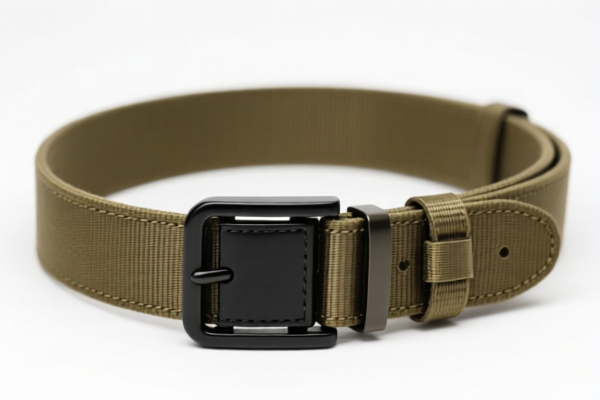
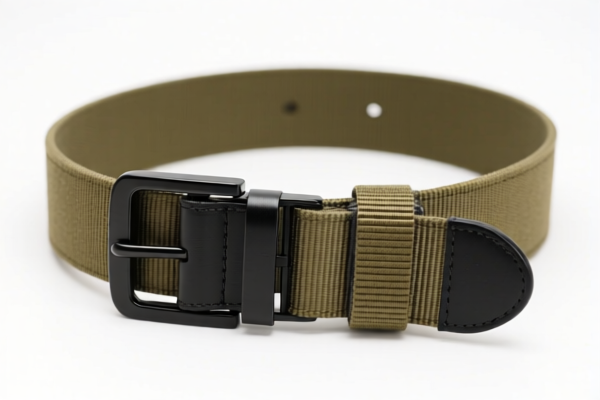
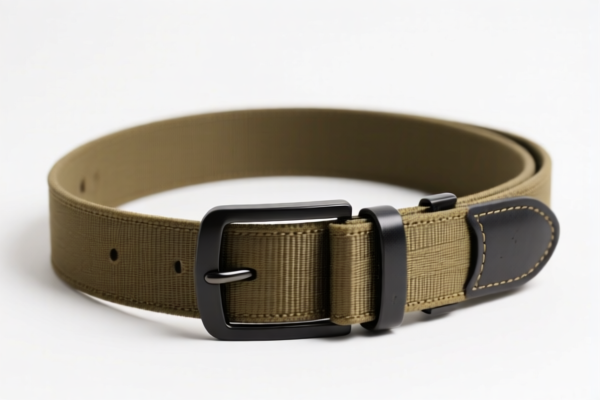
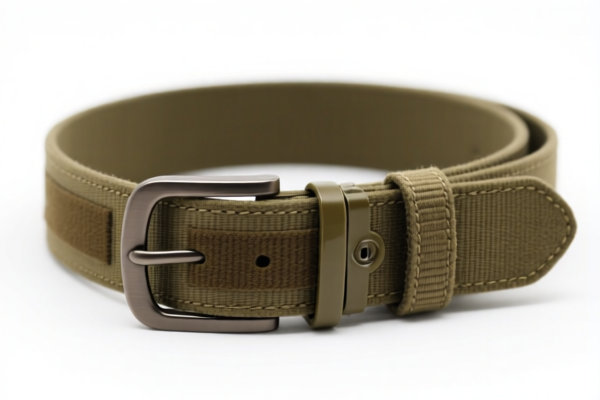
AI Analysis
🏥 Assistive Belt (Support Belt)
🌐 HS Code Reference & Customs Clearance Guide | 2026 Latest Tariff Analysis | Professional Strategy
📌 I. Product Definition: What Exactly is an "Assistive Belt"?
An Assistive Belt is a versatile product used in medical, industrial, or daily life scenarios. In international trade, its classification depends entirely on its material composition and primary function. It can range from a simple cloth strap for carrying tools to a sophisticated medical support device.
Key Distinction:
- If it functions primarily as a medical support (lumbar, knee, shoulder, post-surgery), it falls under Chapter 90.
- If it functions as a strap, cord, or textile article, it falls under Chapter 56.
- If it is a mechanical transmission belt (industrial), it might fall under Chapter 39 or Chapter 84.
- If it is a plastic composite with textile fibers used for machinery, it falls under Chapter 39.
⚠️ Critical Classification Point:
- Medical Use + Surgical/Support Function → 9021.90 / 9021.10 (Lowest Tax!)
- Textile/Cotton Material → 5609.00 (High Tax due to Section 301)
- Plastic/Textile Composite for Machinery → 3926.90 (High Tax due to Section 301)
- Synthetic Fiber Strap → 5609.00 (High Tax due to Section 301)
📦 II. HS Code Classification Matrix (2026 Latest Tariff Authority)
Based on the provided data, here are the 5 possible classifications for "Assistive Belt" with their respective tax implications.
| HS Code | Product Description | Primary Function/Material | Tax Rate (Total) | Key Reason for Classification |
|---|---|---|---|---|
| 9021.90.81.00 | Medical Support Belt (Surgical Appliance Accessory) | Medical use; similar to surgical belts or support belts. | 10.0% | Classified as an accessory to surgical/orthopedic appliances. |
| 9021.10.00.90 | Orthopedic/Surgical Accessory | For fractures or surgical support; classified as accessory to appliances. | 10.0% | Classified as an attachment for orthopedic/fracture appliances. |
| 5609.00.10.00 | Cotton Assistive Belt | Rope/strap-like article; made of Cotton. | 37.9% | Classified as a cotton textile strap/cord. |
| 3926.90.59.00 | Plastic-Textile Composite Belt | Mechanical transmission belt; material is plastic with textile fibers. | 37.4% | Classified as a plastic article containing textile fibers. |
| 5609.00.30.00 | Synthetic Fiber Assistive Belt | Strap-like article; made of Artificial/Synthetic Fibers. | 39.5% | Classified as a synthetic textile strap/cord. |
🔍 Important Note:
- HS Codes 9021.xx are significantly cheaper (10% total) but require proving medical/orthopedic purpose.
- HS Codes 5609.xx and 3926.xx are subject to heavy US tariffs (Section 301 + Section 122).
- Misclassification Risk: Declaring a medical belt as a "textile strap" to save on upfront duties is illegal and risky if audited. However, declaring a textile strap as "medical" without proof is also fraud. Match the physical product to the legal definition.
💰 III. 2026 Detailed Tariff Breakdown (Including Surcharges)
✅ Applicable Country: United States (US)
✅ Origin: China (CN)
✅ Effective Date: Current policies (Section 301, Section 122)
🎯 1. 9021.90.81.00 & 9021.10.00.90 — The Optimal Choice (If Eligible)
| Item | Content |
|---|---|
| Base Tariff | 0.0% |
| Section 301 Surcharge | 0.0% |
| Section 122 Surcharge | 10.0% |
| Total Tax Rate | 10.0% |
| Calculation | CIF Value × 10% |
| De Minimis Eligibility | ❌ Not Applicable (Subject to 122 terms) |
| Legal Basis | USITC:9021.90.81.00 / USITC:9021.10.00.90 → FOOTNOTE:122 |
📌 Explanation:
- These codes benefit from a 0% base tariff and 0% Section 301 tariff.
- Only a 10% Section 122 tariff applies.
- Condition: The product must be demonstrably used for medical, surgical, or orthopedic support. It cannot be a simple fashion belt or industrial strap.
- Strategy: If your product is a back brace, post-surgery abdominal binder, or knee support, THIS IS YOUR TARGET CODE.
🎯 2. 5609.00.10.00 — Cotton Strap
| Item | Content |
|---|---|
| Base Tariff | 2.9% |
| Section 301 Surcharge | +25.0% |
| Section 122 Surcharge | +10.0% |
| Total Tax Rate | 37.9% |
| Calculation | CIF Value × 37.9% |
| De Minimis Eligibility | ❌ No (Subject to Section 301 & 122) |
| Legal Basis | USITC:5609.00.10.00 → FOOTNOTE:301 & FOOTNOTE:122 |
📌 Explanation:
- Classified as a cotton rope, cable, or strap.
- High tariff burden due to Section 301 (25%) and Section 122 (10%).
🎯 3. 3926.90.59.00 — Plastic-Textile Composite
| Item | Content |
|---|---|
| Base Tariff | 2.4% |
| Section 301 Surcharge | +25.0% |
| Section 122 Surcharge | +10.0% |
| Total Tax Rate | 37.4% |
| Calculation | CIF Value × 37.4% |
| De Minimis Eligibility | ❌ No |
| Legal Basis | USITC:3926.90.59.00 → FOOTNOTE:301 & FOOTNOTE:122 |
📌 Explanation:
- Used if the belt is primarily plastic with textile fibers, often for mechanical transmission or heavy-duty holding.
- Slightly lower total tax (37.4%) than cotton (37.9%), but still very high.
🎯 4. 5609.00.30.00 — Synthetic Fiber Strap
| Item | Content |
|---|---|
| Base Tariff | 4.5% |
| Section 301 Surcharge | +25.0% |
| Section 122 Surcharge | +10.0% |
| Total Tax Rate | 39.5% |
| Calculation | CIF Value × 39.5% |
| De Minimis Eligibility | ❌ No |
| Legal Basis | USITC:5609.00.30.00 → FOOTNOTE:301 & FOOTNOTE:122 |
📌 Explanation:
- Classified as a strap made of artificial/synthetic fibers.
- This is the highest tax bracket among the options (39.5%). Avoid if possible.
🛠️ IV. Customs Clearance Practical Advice (Pitfall Avoidance)
✅ 1. Documentation Checklist (Must-Have)
| Document | Required? | Purpose |
|---|---|---|
| ✅ Product Specification Sheet | ✔️ | Detail material (Cotton/Plastic/Synthetic), dimensions, weight. |
| ✅ Usage Declaration | ✔️ | CRITICAL: Clearly state if it is for Medical/Orthopedic use to qualify for 9021. |
| ✅ Product Photos | ✔️ | Show the belt structure, labels, and any medical symbols. |
| ✅ Commercial Invoice | ✔️ | Use precise name: "Medical Lumbar Support Belt" vs. "Cotton Waist Strap". |
| ✅ Origin Certificate | ✔️ | Confirm CN origin to apply correct Section 301/122 rates. |
| ✅ Structure Diagram | ✔️ | If claiming medical use, show how it supports the body (e.g., rigid stays, ergonomic design). |
✅ 2. Declaration Strategy (Key Mnemonics)
🔥 “Medical Proof, Lower Rate; Textile Label, Higher Cost!”
| Scenario | Correct HS Code | Why? | Risk if Wrong |
|---|---|---|---|
| Lumbar Support, Post-Surgery Belt, Knee Brace | 9021.90.81.00 or 9021.10.00.90 |
Proven medical/orthopedic function. | Declaring as textile → Pay 37-39% instead of 10%. |
| Simple Cotton Waist Cincher (Fashion/Daily Use) | 5609.00.10.00 |
Made of cotton, no medical claim. | Claiming medical → Customs rejects, fines for fraud. |
| Industrial/Transmission Belt (Plastic+Textile) | 3926.90.59.00 |
Used for machinery/mechanical purpose. | Misclassified as medical → Seizure. |
| Elastic Nylon Strap (General Use) | 5609.00.30.00 |
Synthetic fiber, strap function. | N/A |
✅ 3. Special Handling & Cost-Saving Tips
| Situation | Recommendation |
|---|---|
| Can I claim it's Medical? | Only if it has therapeutic purpose (e.g., post-op support, pain relief, fracture immobilization). Include a doctor's note template or medical certificate with your shipment documentation if required. |
| Is Section 122 Avoidable? | No. Section 122 (10%) applies to all these categories if originating from China. However, Section 301 (25%) is waived for 9021 codes, making them much cheaper. |
| De Minimis (Section 321) | ❌ Not Applicable. These goods are subject to formal entry and tariffs. Do not try to ship as "gifts" under $800 if they are commercial assistive belts. |
| Product Name Matters | Use "Orthopedic Support Belt" or "Surgical Abdominal Binder" in your invoice if medically applicable. Avoid generic terms like "Cotton Belt" if it has medical features. |
🌍 V. Global Market Comparison (2026)
| Country/Region | Recommended HS Code | Total Tariff | Key Certification | Note |
|---|---|---|---|---|
| 🇺🇸 USA | 9021.90.81.00 |
10.0% | FDA (if Class I/II device) | Best option for medical belts. |
| 🇺🇸 USA | 5609.00.30.00 |
39.5% | N/A | Highest tax. Avoid for medical goods. |
| 🇨🇳 China | 9021.90.81.00 |
~10-15% | CCC (if applicable) | Lower import duty, no Section 301/122. |
| 🇪🇺 EU | 9021.90.81.00 |
~0-2.5% | CE Mark + MDR | Low duty, strict medical regulations. |
| 🇯🇵 Japan | 9021.90.81.00 |
~5-10% | PMDA/Min. Health | Low duty, requires medical device approval. |
📌 Conclusion:
- The USA is the most tariff-sensitive market for non-medical belts (37-39%).
- Medical classification (9021) is the key to saving 27-29% in duties in the US.
- Ensure your product is genuinely medical to justify the lower HS code.
📌 VI. Common Mistakes & Pitfalls (Lessons Learned)
❌ Mistake 1: Declaring a medical back brace as a "Cotton Waist Strap" (5609.00.10.00) to avoid Section 301.
👉 Consequence: Customs audit reveals medical use. You pay back taxes + penalties for misdeclaration.
👉 Better Approach: If it's medical, use 9021 and pay only 10%.
❌ Mistake 2: Declaring a simple fashion belt as a "Medical Orthopedic Belt" (9021.10.00.90).
👉 Consequence: Customs rejects the declaration due to lack of medical evidence. Goods detained or reclassified to 5609 (39.5%).
👉 Better Approach: Be honest. Use 5609 for non-medical items.
❌ Mistake 3: Ignoring Section 122.
👉 Consequence: All these HS codes have a 10% Section 122 tariff. Budget accordingly. It is not avoidable for CN-origin goods.
✅ Correct Action:
"Medical Lumbar Support Belt, Elastic with Steel Stays, for Post-Surgery Recovery, Model XYZ, CE/FDA Compliant"
→ Use HS Code9021.90.81.00
🎯 VII. Conclusion: Professional Declaration, Cost Optimization!
🎯 Key Takeaway:
🔹 "If it helps your body heal, use 9021. If it just holds your pants, use 5609."
🔹 "Medical = 10% Total. Textile/Plastic = 37-39% Total."
🔹 "Section 122 (10%) is always on the table for China-origin goods."
📌 Pro Tip:
- If your assistive belt is not medical, consider supply chain diversification (e.g., Vietnam, Mexico) to avoid Section 301/122 tariffs.
- If it is medical, invest in FDA/CE certification to confidently use HS Code 9021 and save ~27-29% in US duties.
📣 Immediate Action:
📞 Consult a Customs Broker to review your product's intended use and material composition.
🚀 Apply for Advance Ruling if unsure, to lock in the correct HS Code and avoid audit risks.
✨ Precision in Classification Saves Thousands!
💼 Your Assistive Belt, Optimized for Profit!
Customer Reviews
About HS Code Classification
The Harmonized System (HS) is an internationally standardized nomenclature developed by the World Customs Organization (WCO) to classify traded products. Over 200 countries use the HS system as the basis for customs tariffs, trade statistics, and import/export regulations.
Each HS code follows a hierarchical structure:
- Chapter (2 digits) — Broad category of goods (e.g., Chapter 84: Machinery and Mechanical Appliances)
- Heading (4 digits) — More specific grouping within the chapter
- Subheading (6 digits) — Internationally standardized breakdown, used by all WCO member countries
- National subdivisions (8-10 digits) — Country-specific extensions for further classification, such as US HTSUS 10-digit codes
Correct HS code classification is essential for smooth customs clearance, accurate duty payment, and compliance with trade regulations. Misclassification can lead to customs delays, overpayment of duties, or penalties.
When importing from CN to US, the applicable tariff rates may include:
- Most-Favored-Nation (MFN) rate — The standard duty rate applied to WTO members
- General rate — Applied to countries without trade agreements
- Trade remedy duties — Additional tariffs such as Section 301 (anti-dumping), Section 232 (national security), or countervailing duties
The information provided on this page is for reference purposes only. For official classification, please consult with your local customs authority or a licensed customs broker.