Automatic Can Opener
CN → US| HS编码 | 关税税率 | 原产国 | 目的国 | 文档 |
|---|---|---|---|---|
| 8509805040 | 14.2% | CN | US | 官方文档 |
| 8438800000 | 35.0% | CN | US | 官方文档 |
| 8438909090 | 37.8% | CN | US | 官方文档 |
| 8438800000 | 35.0% | CN | US | 官方文档 |
| 8509805040 | 14.2% | CN | US | 官方文档 |
商品图片
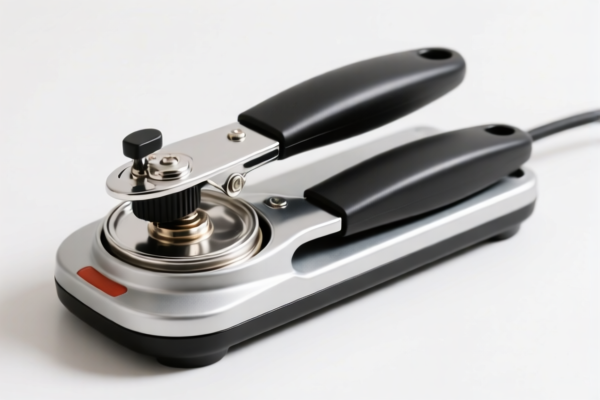
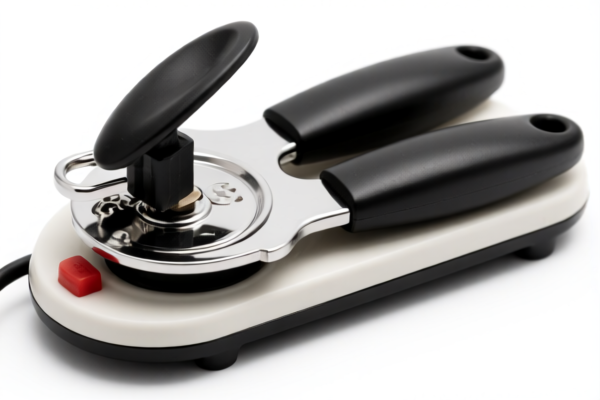
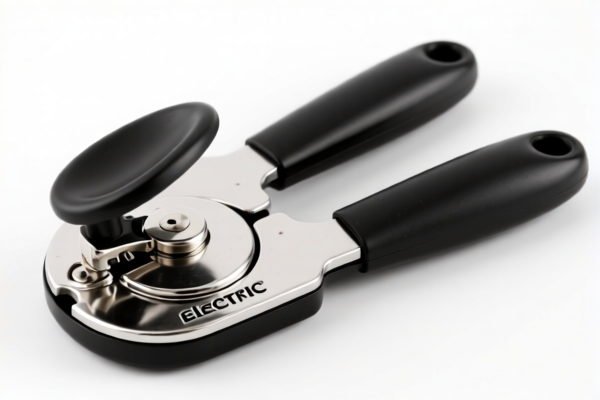
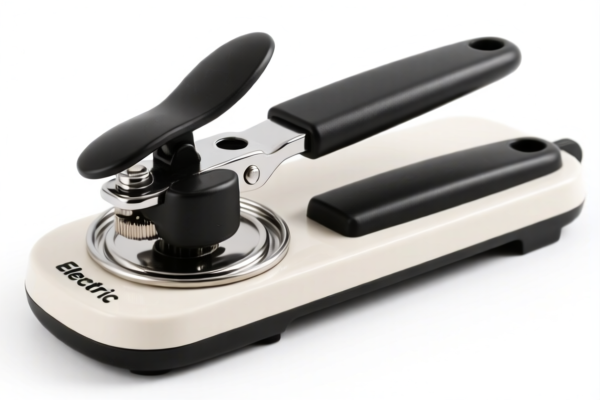
AI分析
🥫 Automatic Can Opener: The Great Classification Debate
🌐 HS Code Reference & Customs Clearance Guide | 2026 Latest Tariff Analysis | Professional Strategy for Home vs. Industrial Goods
📌 I. Product Definition & The Critical Distinction: Home Appliance vs. Food Processing Machinery
The "Automatic Can Opener" is a deceptively simple device, but in international trade, its classification depends entirely on intended use and technical design. Misclassification leads to drastic tax differences (14.2% vs. 35%+).
There are two distinct categories in the provided data:
-
Household/Personal Electric Can Openers: Designed for individual home use, small kitchens, or personal convenience. They are considered electro-thermic/non-thermic household appliances.
- Key Feature: Portable, low power, single-user operation.
- HS Code Cluster: 8509.80.50.40
-
Industrial Food Processing Machinery: Designed for factories, restaurants, or large-scale food preparation lines. These are machinery for preparing food or drinks.
- Key Feature: High throughput, integrated into production lines, "portable" here may mean movable within a factory, not for home use.
- HS Code Cluster: 8438.80.00.00
⚠️ Critical Distinction Point:
- If it is a single-unit, home-style device → Go to 8509.80.50.40 (Lower Tax).
- If it is commercial/industrial equipment (even if "portable" for factory use) → Go to 8438.80.00.00 (Higher Tax).
- Do not mix these up! The US Customs and Border Protection (CBP) scrutinizes "portable" claims for industrial goods heavily.
📦 II. HS Code Classification Details (Based on Provided Data)
| HS Code | Product Description | Classification Logic | Tariff Profile |
|---|---|---|---|
8509.80.50.40 |
Electric Can Opener (Home/Personal Use) |
Summary: "Electric can opener, purpose and function identical to electric can openers." Also applies to: "Portable electric can opener, electric attributes and can-opening purpose match." Why? It is classified as a household electro-mechanical appliance (Heading 8509). |
Total Tax: 14.2% - Base: 4.2% - Section 301: 0.0% - Section 122: 10% |
8438.80.00.00 |
Machinery for Preparing Food/Drinks (Industrial/Commercial Use) |
Summary: "Machinery for industrial preparation or manufacture of food or beverages." Also applies to: "Portable electric can opener, classified as food processing machinery." Why? It is classified as food processing machinery (Heading 8438). Even if "portable," if it’s for industrial scale, it falls here. |
Total Tax: 35.0% - Base: 0.0% - Section 301: 25.0% - Section 122: 10% |
8438.90.90.90 |
Parts/Accessories for Food Machinery | Summary: "Parts/components for industrial food or beverage preparation machinery." Why? If you are importing only the blades, motors, or casings for an industrial can opener, not the whole unit. |
Total Tax: 37.8% - Base: 2.8% - Section 301: 25.0% - Section 122: 10% |
🔍 Key Insight:
- The same physical device (a portable electric can opener) can have two different HS Codes depending on how you declare its primary function. -8509= Household Appliance (Lower Tax). -8438= Industrial Machinery (Higher Tax).
💰 III. 2026 Latest Tariff Rate Breakdown (Detailed)
✅ Applicable Country: United States (US)
✅ Origin: China (CN)
✅ Effective Date: Current tariff structure as per data provided
🎯 1. 8509.80.50.40 – Household Electric Can Opener
| Item | Detail |
|---|---|
| Base Tariff | 4.2% (Standard MFN rate) |
| Section 301 Tariff | 0.0% (Exempt or not listed for this subheading in this specific dataset) |
| Section 122 Tariff | 10.0% (Additional duty under Section 122 of the USTR) |
| Total Effective Rate | 14.2% |
| Calculation | CIF Value × 14.2% |
| De Minimis Eligibility | ❌ No (Section 301/122 duties typically negate de minimis relief for China-origin goods in this bracket) |
| Legal Basis | USITC HTS 8509.80.50.40 + USTR Section 122 List |
📌 Explanation:
- This is the preferred classification for standard home kitchen gadgets.
- The Section 122 tariff (10%) is applied uniformly, but the absence of the Section 301 (25%) tariff makes this significantly cheaper than the industrial classification.
🎯 2. 8438.80.00.00 – Industrial Food Processing Machinery
| Item | Detail |
|---|---|
| Base Tariff | 0.0% (Free for many machinery items) |
| Section 301 Tariff | 25.0% (High penalty for industrial goods from China) |
| Section 122 Tariff | 10.0% (Additional duty) |
| Total Effective Rate | 35.0% |
| Calculation | CIF Value × 35.0% |
| De Minimis Eligibility | ❌ No |
| Legal Basis | USITC HTS 8438.80.00.00 + USITC Footnote 301 + USTR Section 122 |
📌 Explanation:
- Even though the base rate is 0%, the 25% Section 301 tariff dominates the cost.
- This rate applies if the can opener is deemed industrial-grade or if customs officers believe it is part of a larger food production line.
🎯 3. 8438.90.90.90 – Parts for Industrial Machinery
| Item | Detail |
|---|---|
| Base Tariff | 2.8% |
| Section 301 Tariff | 25.0% |
| Section 122 Tariff | 10.0% |
| Total Effective Rate | 37.8% |
| Calculation | CIF Value × 37.8% |
| Use Case | Importing replacement blades, motors, or housing for industrial units only. |
🛠️ IV. Customs Clearance Practical Advice (Avoid Pitfalls)
✅ 1. Documentation Checklist (Non-Negotiable)
| Document | Required? | Purpose |
|---|---|---|
| Product Specification Sheet | ✅ Yes | Must clearly state: "For Home Use" OR "For Industrial Food Processing." |
| Photos of Product & Packaging | ✅ Yes | Show label, voltage, and usage instructions. If label says "Home Kitchen," use 8509. |
| Commercial Invoice | ✅ Yes | Describe item precisely. Avoid vague terms like "Tool." Use "Electric Can Opener for Household Use." |
| Manufacturer Declaration | ✅ Recommended | States intended use. Crucial for arguing against 8438 classification. |
| Certifications | ✅ Yes | UL, ETL, or CE marks support the "electrical appliance" classification (8509). |
✅ 2. Declaration Strategy (Key Tactics)
🔥 "Know Your Buyer, Know Your HS: Home = 14.2%, Industry = 35%!"
| Scenario | Correct HS Code | Risk if Misclassified |
|---|---|---|
| Selling to Amazon Home/Kitchen Sellers | 8509.80.50.40 |
High risk of audit if packaging looks industrial. |
| Selling to Restaurant Suppliers | 8438.80.00.00 |
If you claim 8509 but sell to a factory, CBP will seize/penalize. |
| Portable Unit (Ambiguous) | 8509.80.50.40 if designed for homes |
Must prove portability and low power. CBP may challenge if it looks like factory equipment. |
| Importing Spare Parts | 8438.90.90.90 |
Do not bundle parts with whole units unless declared separately. |
📌 Pro Tip:
- For 8509.80.50.40, emphasize "Household," "Personal," "Kitchen Appliance."
- For 8438.80.00.00, emphasize "Industrial," "Production Line," "Food Processing Facility."
- Do not use the word "Industrial" if you want to classify under 8509.
- Do not hide the "Home Use" label if you want 8509.
✅ 3. Special Cases & Handling
| Case | Recommendation |
|---|---|
| "Portable" Industrial Opener | If it’s light but designed for factory lines, it’s still 8438. CBP looks at design intent, not just weight. |
| Bundled Sales (Opener + Jar) | Declare can opener separately. Do not bundle unless necessary; if bundled, declare the primary item. |
| OEM Private Label | Ensure the label does not say "Industrial" if you are classifying as Home Use. Contradictory labels cause delays. |
| Section 301 Exemptions | Check if any specific exemptions apply, but generally, Section 301 on 8438 is strict. |
🌍 V. Global Market Comparison (Quick Reference)
| Market | HS Code | Est. Tax | Note |
|---|---|---|---|
| 🇺🇸 USA | 8509.80.50.40 |
14.2% | Best option for home goods. |
| 🇺🇸 USA | 8438.80.00.00 |
35.0% | Heavy tax for industrial goods. |
| 🇪🇺 EU | 8509.80 (General) | ~1.9% + VAT | Lower base, no Section 301/122. |
| 🇨🇳 China | 8509.80 | 10% + VAT | Standard import duty. |
📌 Conclusion:
- The US market is unique due to Section 301 (25%) and Section 122 (10%).
- Classification is the single most important factor in determining landed cost.
- A misclassification error can result in a 20.8% cost increase (35% - 14.2%).
📌 VI. Common Mistakes & Pitfalls (Lessons Learned)
❌ Mistake 1: Calling a "Commercial Can Opener" a "Home Can Opener" to save tax.
👉 Result: CBP audit, retroactive tax bill of 35%, plus penalties and interest.
❌ Mistake 2: Using "Portable" to justify 8509 for a factory machine.
👉 Result: CBP rejects "portable" argument if the device is not suitable for home use (e.g., heavy duty, high amperage).
❌ Mistake 3: Ignoring Section 122.
👉 Result: Assuming 0% base tax means low total tax. Forgetting the extra 10% leads to budget shortfalls.
❌ Mistake 4: Mixing parts and units in one shipment without clear separation.
👉 Result: Parts taxed at 37.8%, units at 35% or 14.2%. Complex clearance delays.
✅ Best Practice:
Declare accurately based on END-USE.
- If for Home:8509.80.50.40→ 14.2%
- If for Industry:8438.80.00.00→ 35.0%
🎯 VII. Conclusion: Strategic Sourcing & Clearance
🎯 Key Takeaway:
The "Automatic Can Opener" is not one product in customs. It is two.
- Home Version: Cheap, easy, 14.2% tax.
- Industrial Version: Expensive, strict, 35% tax.
📌 Recommendation:
1. For Home Goods Suppliers: Ensure packaging and labels clearly state "For Household Use." Apply for CBP Ruling if in doubt.
2. For Industrial Suppliers: Budget for 35% tax. Consider supply chain diversification if tariffs are prohibitive.
3. Never guess: If the product can be used in both settings, designate one primary use in documentation.
📣 Immediate Action:
📞 Consult a Customs Broker: Provide product photos and intended use statement.
📝 Request an Advance Ruling (Prelinary Determination): From US CBP to lock in the 14.2% rate if applicable.
🚀 Optimize Landed Cost: Save up to 20.8% per unit by choosing the correct HS Code!
✨ Precision in Classification = Profit in Your Pocket!
💼 Don’t let tax errors eat your margin.
用户评价
关于 HS 编码归类
协调制度(HS)是由世界海关组织(WCO)制定的国际贸易商品分类标准。全球 200 多个国家采用 HS 系统作为海关关税、贸易统计和进出口监管的基础。
每个 HS 编码遵循以下层级结构:
- 章(2 位)——商品大类(例如:第 84 章:机器和机械设备)
- 品目(4 位)——章内的更具体分类
- 子目(6 位)——国际通用细分,所有 WCO 成员国统一使用
- 本国细分(8-10 位)——各国自行扩展的细分编码,如美国 HTSUS 10 位编码
正确的 HS 编码归类对于顺利通关、准确缴纳关税和遵守贸易法规至关重要。错误归类可能导致海关延误、多缴关税或罚款。
从CN进口到US时,适用的关税税率可能包括:
- 最惠国(MFN)税率——适用于 WTO 成员国的标准关税税率
- 普通税率——适用于无贸易协定国家
- 贸易救济关税——附加关税,如 301 条款(反倾销)、232 条款(国家安全)或反补贴税
本页内容仅供参考。如需正式归类,请咨询当地海关或持牌报关代理。