Automotive Fuel Tank
CN → US| HS编码 | 关税税率 | 原产国 | 目的国 | 文档 |
|---|---|---|---|---|
| 7310290065 | 85.0% | CN | US | 官方文档 |
| 8708295110 | 0.0% | CN | US | 官方文档 |
| 7612905000 | 35.0% | CN | US | 官方文档 |
| 7612901090 | 40.7% | CN | US | 官方文档 |
| 7310100090 | 85.0% | CN | US | 官方文档 |
| 8708295160 | 0.0% | CN | US | 官方文档 |
商品图片
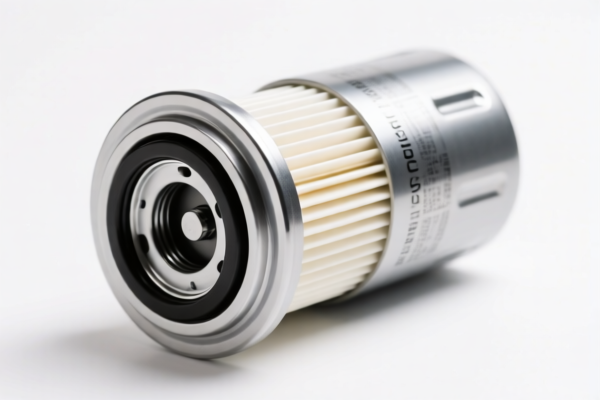
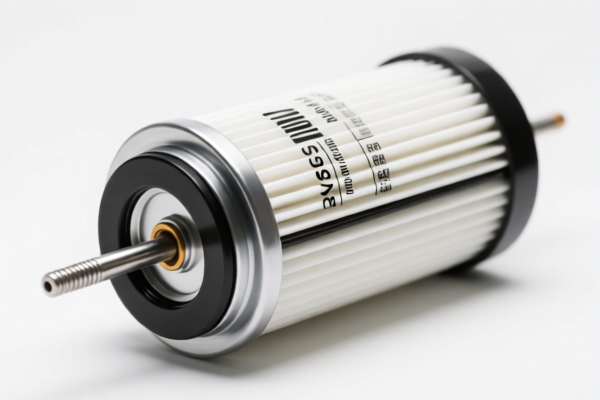
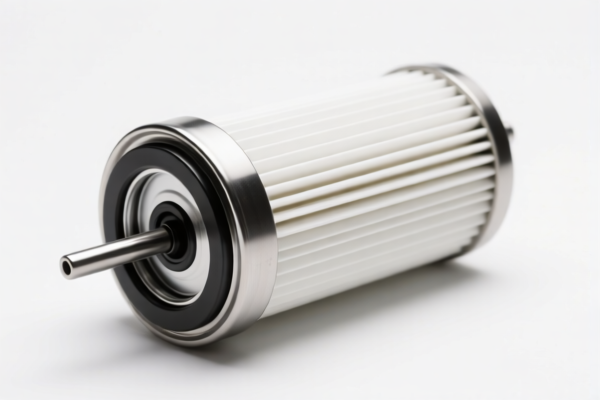

AI分析
🚗 Automotive Fuel Tank (Auto Fuel Containers)
🌐 HS Code Reference & Customs Clearance Guide | 2026 Latest Tariff Analysis | Professional Clearance Strategy
📌 I. Product Definition & Classification: Are You Shipping Containers or Car Parts?
An Automotive Fuel Tank is a critical component in the vehicle assembly process. However, in international trade, it is not always treated as a single unified item. The classification depends heavily on material, capacity, and integration status.
In the context of US-China trade (as reflected in the provided data), these goods face significant tariff barriers due to "Section 301" and "Section 232" (Steel/Aluminum) regulations.
Key Distinction: * Part of a Vehicle (Chassis/Body Parts): If the tank is specifically designed for automotive use, often made of metal stamping or plastic, and intended for installation on a vehicle body → Chapter 87 (Vehicles). * Generic Container (Iron/Steel/Aluminum): If the tank is a general-purpose storage vessel (regardless of intended end-use), or if it is a simple container without specific automotive integration features → Chapter 73 (Iron/Steel) or Chapter 76 (Aluminum).
⚠️ Critical Note for Customs:
- Even if labeled "Fuel Tank," if it lacks specific automotive mounting points or is a generic storage vessel, customs may reclassify it under Chapter 73/76 with higher punitive tariffs.
- Metal Stamping Parts are frequently misclassified. If it’s a stamped metal piece that becomes part of the body/chassis later, it might be classified as a Body Part.
📦 II. HS Code Classification Details (2026 Latest Tariff Data)
Based on the provided dataset, here are the specific HS Codes and their corresponding descriptions and tax implications.
| HS Code | Product Description | Material/Type | Estimated Total Tax (China Origin) | Key Tariff Components |
|---|---|---|---|---|
| 8708.29.51.10 | Body Parts, Metal Stamping Parts | Metal (Stamped) | 37.5% | Base 2.5% + 301 Add'l 25% + 122 Clause 10% |
| 8708.29.51.60 | Body Parts, Metal or Plastic | Metal/Plastic | 87.5% | Base 2.5% + 301 Add'l 25% + 122 Clause 10% + Steel/Al/Cu Add'l 50% |
| 7310.29.00.65 | Iron/Steel Containers (<300L) | Steel | 85.0% | Base 0% + 301 Add'l 25% + 122 Clause 10% + Steel/Al/Cu Add'l 50% |
| 7310.10.00.90 | Iron/Steel Containers (50-300L) | Steel | 85.0% | Base 0% + 301 Add'l 25% + 122 Clause 10% + Steel/Al/Cu Add'l 50% |
| 7612.90.50.00 | Aluminum Containers (<300L) | Aluminum | 35.0% | Base 0% + 301 Add'l 25% + 122 Clause 10% |
| 7612.90.10.90 | Aluminum Containers (Liquid Storage) | Aluminum | 40.7% | Base 5.7% + 301 Add'l 25% + 122 Clause 10% |
🔍 Analysis of Tax Differences: - Why is 8708.29.51.60 so high (87.5%)?
It includes a 50% additional tariff for steel/aluminum products under specific trade provisions (likely Section 232 or related national security tariffs), stacked on top of the standard 301 and 122 tariffs. - Why is 8708.29.51.10 lower (37.5%)?
It may not trigger the additional 50% steel/aluminum penalty, possibly due to specific material composition or processing status that excludes it from the "Section 232" broad category, though it still faces the standard 35% (25+10) punitive tariffs. - 7310 vs 7612:
Steel containers (7310) face the extra 50% steel tariff in this dataset, making them significantly more expensive than Aluminum containers (7612), which only face the standard 35% punitive rate.
💰 III. 2026 Latest Tariff Rate Breakdown (US Market)
✅ Applicable Country: United States (US)
✅ Country of Origin: China (CN)
✅ Effective Date: 2025-11-10 onwards (including subsequent imports)
🎯 1. 8708.29.51.10 – Body Parts, Metal Stamping
- Base Tariff: 2.5%
- Section 301 Additional Tariff: +25.0%
- Section 122 Clause Tariff: +10.0%
- Total Tax: 37.5%
- Calculation: CIF Value × 37.5%
- De Minimis Exemption: ❌ Not Applicable (Denied)
🎯 2. 8708.29.51.60 – Body Parts, Metal/Plastic
- Base Tariff: 2.5%
- Section 301 Additional Tariff: +25.0%
- Section 122 Clause Tariff: +10.0%
- Steel/Al/Cu Additional Tariff: +50.0%
- Total Tax: 87.5%
- Calculation: CIF Value × 87.5%
- De Minimis Exemption: ❌ Not Applicable (Denied)
🎯 3. 7310.29.00.65 – Steel Containers (<300L)
- Base Tariff: 0.0%
- Section 301 Additional Tariff: +25.0%
- Section 122 Clause Tariff: +10.0%
- Steel/Al/Cu Additional Tariff: +50.0%
- Total Tax: 85.0%
- Calculation: CIF Value × 85.0%
- De Minimis Exemption: ❌ Not Applicable (Denied)
🎯 4. 7612.90.50.00 – Aluminum Containers (<300L)
- Base Tariff: 0.0%
- Section 301 Additional Tariff: +25.0%
- Section 122 Clause Tariff: +10.0%
- Total Tax: 35.0%
- Calculation: CIF Value × 35.0%
- De Minimis Exemption: ❌ Not Applicable (Denied)
🎯 5. 7612.90.10.90 – Aluminum Containers (Liquid Storage)
- Base Tariff: 5.7%
- Section 301 Additional Tariff: +25.0%
- Section 122 Clause Tariff: +10.0%
- Total Tax: 40.7%
- Calculation: CIF Value × 40.7%
- De Minimis Exemption: ❌ Not Applicable (Denied)
🛠️ IV. Customs Clearance Practical Advice (Avoid Pitfalls)
✅ 1. Essential Documentation Checklist
| Document | Required | Explanation |
|---|---|---|
| Product Specifications | ✔️ | Must detail material (Steel vs. Aluminum), capacity, and whether it is a "part" or "container." |
| Technical Drawings | ✔️ | Crucial for proving if it is a "stamping part" (8708) or a "generic container" (7310/7612). |
| Commercial Invoice | ✔️ | Must clearly state "Automotive Fuel Tank" or "Steel Storage Tank" consistent with HS Code. |
| Certificate of Origin (CO) | ✔️ | Essential for determining origin-based tariffs. |
| Material Certification | ✔️ | Proves alloy composition to avoid misclassification under Section 232 (Steel/Al tariffs). |
| Declaration of End-Use | ✔️ | If claiming automotive use (8708), provide proof of assembly with vehicle chassis/body. |
✅ 2. Declaration Strategy (Key Mantras)
🔥 “Material Defines the Duty, Function Defines the Chapter!”
| Scenario | Recommended HS Code | Risk if Misclassified |
|---|---|---|
| Stamped Metal Part for auto body/chassis | 8708.29.51.10 (37.5%) | If declared as generic container → 85.0% (Higher duty!) |
| Plastic/Metal Hybrid Auto Body Part | 8708.29.51.60 (87.5%) | High duty, but likely accurate if it’s a finished part. |
| Simple Steel Tank (No auto mounting) | 7310.29.00.65 (85.0%) | Cannot use 8708 if it’s not a specific automotive part. |
| Aluminum Tank (General Storage) | 7612.90.50.00 (35.0%) | Best option if it’s aluminum and not a specific auto part. |
| Aluminum Tank (Liquid Specific) | 7612.90.10.90 (40.7%) | Check if it fits "liquid storage" criteria. |
✅ 3. Special Handling Tips
| Situation | Action |
|---|---|
| OEM Fuel Tanks | Provide assembly drawings showing how it attaches to the vehicle. This supports classification under 8708. |
| Generic Steel Tanks | Do not label them as "Automotive" if they are generic. Label as "Steel Containers" to avoid scrutiny on automotive parts, but expect 85% duty. |
| Aluminum Tanks | Consider if they can be classified as 7612 (35-40.7%) instead of 7310 (85%). Aluminum is significantly cheaper in tariffs. |
| Plastic Components | If the tank is plastic, ensure it is classified under the correct automotive part code, not as a generic container. |
🌍 V. Global Market Comparison (2026)
| Market | Recommended HS Code | Tariff Rate (China Origin) | Key Certification | Note |
|---|---|---|---|---|
| 🇺🇸 USA | 8708.29.51.10 / 7310 / 7612 | 35% - 87.5% | DOT, EPA (if fuel system) | High punitive tariffs. |
| 🇨🇳 China | 8708.29.51.10 | ~5% (General) | CCC (if applicable) | No additional punitive tariffs. |
| 🇪🇺 EU | 8708.99.80 | 0-4% | ECE R20 (Safety) | No 301/232 equivalents. |
| 🇲🇽 Mexico | 8708.29.51.10 | 0% (Under USMCA) | N/A | If assembled in Mexico. |
📌 Conclusion:
- The USA market is the most challenging due to layered tariffs (Base + 301 + 122 + Steel/Al).
- Aluminum products (7612) are significantly more tariff-efficient than Steel products (7310/8708).
- Accurate classification between "Automotive Part" (8708) and "Generic Container" (7310/7612) is critical to avoid penalties or overpayment.
📌 VI. Common Errors & Pitfalls (Lessons Learned)
❌ Error 1: Declaring a generic steel tank as an "Automotive Part" (8708)
👉 Consequence: Customs may reject it as not specific enough, forcing reclassification to 7310 with 85% duty, plus potential penalties.
❌ Error 2: Declaring a stamped metal part as a "Container" (7310)
👉 Consequence: Missed opportunity for lower duty? Actually, in this dataset, 8708.29.51.10 is 37.5% vs 7310 at 85%. So, if it is an automotive part, declaring it as 8708 is BETTER. Misclassifying it as 7310 would be a financial loss.
❌ Error 3: Ignoring the "Steel/Aluminum" additional 50% tariff
👉 Consequence: Underestimating costs by up to 50%. Always check if the material triggers Section 232 penalties.
❌ Error 4: Using "Fuel Tank" without specifying material
👉 Consequence: Customs will ask for clarification, delaying shipment. Always specify Steel or Aluminum.
✅ Correct Declaration Example:
"Automotive Body Part, Steel Stamped, Fuel Tank Bracket, Model XYZ, For Use in Vehicle Assembly, Origin: China"
🎯 VII. Conclusion: Professional Declaration, Cost Optimization
🎯 Key Takeaways:
🔹 "Auto Parts (8708) can be cheaper than Generic Containers (7310) IF they qualify."
🔹 "Aluminum (7612) is your friend in the USA – lower tariffs than Steel."
🔹 "Documentation is Key – Prove it's an automotive part to avoid higher duties."
📌 Pro Tip:
If your fuel tanks are plastic or composite, ensure they are not miscategorized as steel/aluminum. Consult a customs broker to determine if 8708 is applicable, as this could save you 40-50% in duties compared to generic container classifications.
📣 Immediate Action:
📞 Contact a licensed customs broker + Provide product specs + Apply for Advance Ruling (if possible) to lock in the HS Code.
🚀 Clear customs smoothly, minimize costs, and maximize your automotive export profits!
✨ Professional clearance starts with accurate classification!
💼 Every dollar of duty saved is pure profit!
用户评价
关于 HS 编码归类
协调制度(HS)是由世界海关组织(WCO)制定的国际贸易商品分类标准。全球 200 多个国家采用 HS 系统作为海关关税、贸易统计和进出口监管的基础。
每个 HS 编码遵循以下层级结构:
- 章(2 位)——商品大类(例如:第 84 章:机器和机械设备)
- 品目(4 位)——章内的更具体分类
- 子目(6 位)——国际通用细分,所有 WCO 成员国统一使用
- 本国细分(8-10 位)——各国自行扩展的细分编码,如美国 HTSUS 10 位编码
正确的 HS 编码归类对于顺利通关、准确缴纳关税和遵守贸易法规至关重要。错误归类可能导致海关延误、多缴关税或罚款。
从CN进口到US时,适用的关税税率可能包括:
- 最惠国(MFN)税率——适用于 WTO 成员国的标准关税税率
- 普通税率——适用于无贸易协定国家
- 贸易救济关税——附加关税,如 301 条款(反倾销)、232 条款(国家安全)或反补贴税
本页内容仅供参考。如需正式归类,请咨询当地海关或持牌报关代理。