Automotive Fuel Tank
CN → US| HS Code | Tariff Rate | Origin | Destination | Doc |
|---|---|---|---|---|
| 7310290065 | 85.0% | CN | US | Official Doc |
| 8708295110 | 0.0% | CN | US | Official Doc |
| 7612905000 | 35.0% | CN | US | Official Doc |
| 7612901090 | 40.7% | CN | US | Official Doc |
| 7310100090 | 85.0% | CN | US | Official Doc |
| 8708295160 | 0.0% | CN | US | Official Doc |
Product Images
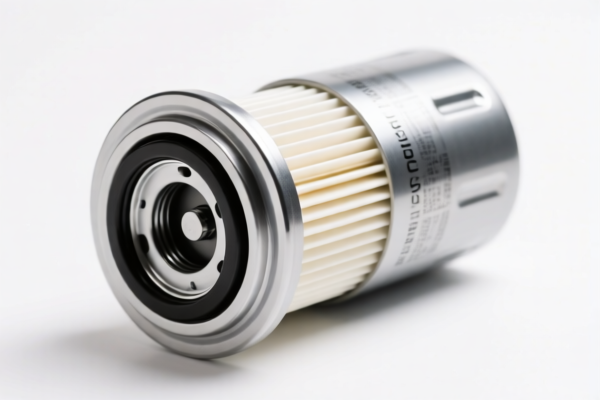
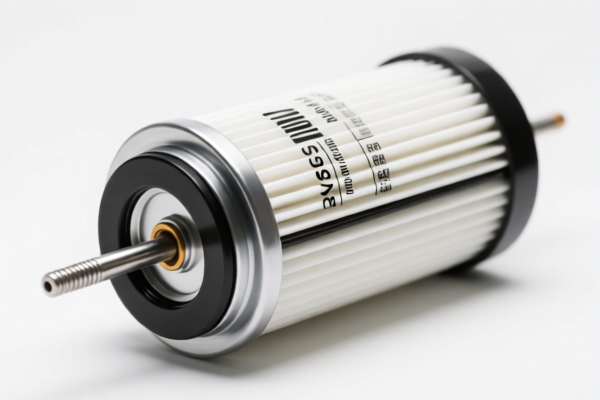
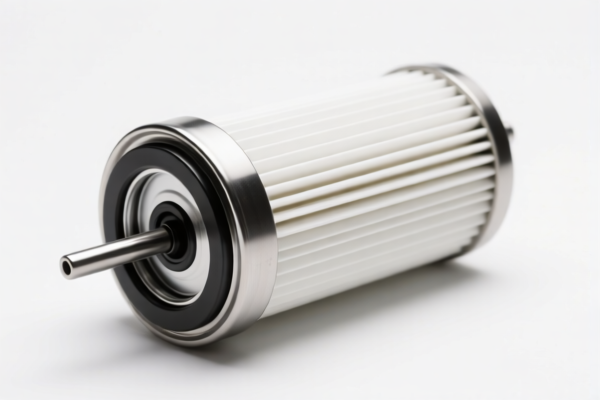

AI Analysis
🚗 Automotive Fuel Tank (Auto Fuel Containers)
🌐 HS Code Reference & Customs Clearance Guide | 2026 Latest Tariff Analysis | Professional Clearance Strategy
📌 I. Product Definition & Classification: Are You Shipping Containers or Car Parts?
An Automotive Fuel Tank is a critical component in the vehicle assembly process. However, in international trade, it is not always treated as a single unified item. The classification depends heavily on material, capacity, and integration status.
In the context of US-China trade (as reflected in the provided data), these goods face significant tariff barriers due to "Section 301" and "Section 232" (Steel/Aluminum) regulations.
Key Distinction: * Part of a Vehicle (Chassis/Body Parts): If the tank is specifically designed for automotive use, often made of metal stamping or plastic, and intended for installation on a vehicle body → Chapter 87 (Vehicles). * Generic Container (Iron/Steel/Aluminum): If the tank is a general-purpose storage vessel (regardless of intended end-use), or if it is a simple container without specific automotive integration features → Chapter 73 (Iron/Steel) or Chapter 76 (Aluminum).
⚠️ Critical Note for Customs:
- Even if labeled "Fuel Tank," if it lacks specific automotive mounting points or is a generic storage vessel, customs may reclassify it under Chapter 73/76 with higher punitive tariffs.
- Metal Stamping Parts are frequently misclassified. If it’s a stamped metal piece that becomes part of the body/chassis later, it might be classified as a Body Part.
📦 II. HS Code Classification Details (2026 Latest Tariff Data)
Based on the provided dataset, here are the specific HS Codes and their corresponding descriptions and tax implications.
| HS Code | Product Description | Material/Type | Estimated Total Tax (China Origin) | Key Tariff Components |
|---|---|---|---|---|
| 8708.29.51.10 | Body Parts, Metal Stamping Parts | Metal (Stamped) | 37.5% | Base 2.5% + 301 Add'l 25% + 122 Clause 10% |
| 8708.29.51.60 | Body Parts, Metal or Plastic | Metal/Plastic | 87.5% | Base 2.5% + 301 Add'l 25% + 122 Clause 10% + Steel/Al/Cu Add'l 50% |
| 7310.29.00.65 | Iron/Steel Containers (<300L) | Steel | 85.0% | Base 0% + 301 Add'l 25% + 122 Clause 10% + Steel/Al/Cu Add'l 50% |
| 7310.10.00.90 | Iron/Steel Containers (50-300L) | Steel | 85.0% | Base 0% + 301 Add'l 25% + 122 Clause 10% + Steel/Al/Cu Add'l 50% |
| 7612.90.50.00 | Aluminum Containers (<300L) | Aluminum | 35.0% | Base 0% + 301 Add'l 25% + 122 Clause 10% |
| 7612.90.10.90 | Aluminum Containers (Liquid Storage) | Aluminum | 40.7% | Base 5.7% + 301 Add'l 25% + 122 Clause 10% |
🔍 Analysis of Tax Differences: - Why is 8708.29.51.60 so high (87.5%)?
It includes a 50% additional tariff for steel/aluminum products under specific trade provisions (likely Section 232 or related national security tariffs), stacked on top of the standard 301 and 122 tariffs. - Why is 8708.29.51.10 lower (37.5%)?
It may not trigger the additional 50% steel/aluminum penalty, possibly due to specific material composition or processing status that excludes it from the "Section 232" broad category, though it still faces the standard 35% (25+10) punitive tariffs. - 7310 vs 7612:
Steel containers (7310) face the extra 50% steel tariff in this dataset, making them significantly more expensive than Aluminum containers (7612), which only face the standard 35% punitive rate.
💰 III. 2026 Latest Tariff Rate Breakdown (US Market)
✅ Applicable Country: United States (US)
✅ Country of Origin: China (CN)
✅ Effective Date: 2025-11-10 onwards (including subsequent imports)
🎯 1. 8708.29.51.10 – Body Parts, Metal Stamping
- Base Tariff: 2.5%
- Section 301 Additional Tariff: +25.0%
- Section 122 Clause Tariff: +10.0%
- Total Tax: 37.5%
- Calculation: CIF Value × 37.5%
- De Minimis Exemption: ❌ Not Applicable (Denied)
🎯 2. 8708.29.51.60 – Body Parts, Metal/Plastic
- Base Tariff: 2.5%
- Section 301 Additional Tariff: +25.0%
- Section 122 Clause Tariff: +10.0%
- Steel/Al/Cu Additional Tariff: +50.0%
- Total Tax: 87.5%
- Calculation: CIF Value × 87.5%
- De Minimis Exemption: ❌ Not Applicable (Denied)
🎯 3. 7310.29.00.65 – Steel Containers (<300L)
- Base Tariff: 0.0%
- Section 301 Additional Tariff: +25.0%
- Section 122 Clause Tariff: +10.0%
- Steel/Al/Cu Additional Tariff: +50.0%
- Total Tax: 85.0%
- Calculation: CIF Value × 85.0%
- De Minimis Exemption: ❌ Not Applicable (Denied)
🎯 4. 7612.90.50.00 – Aluminum Containers (<300L)
- Base Tariff: 0.0%
- Section 301 Additional Tariff: +25.0%
- Section 122 Clause Tariff: +10.0%
- Total Tax: 35.0%
- Calculation: CIF Value × 35.0%
- De Minimis Exemption: ❌ Not Applicable (Denied)
🎯 5. 7612.90.10.90 – Aluminum Containers (Liquid Storage)
- Base Tariff: 5.7%
- Section 301 Additional Tariff: +25.0%
- Section 122 Clause Tariff: +10.0%
- Total Tax: 40.7%
- Calculation: CIF Value × 40.7%
- De Minimis Exemption: ❌ Not Applicable (Denied)
🛠️ IV. Customs Clearance Practical Advice (Avoid Pitfalls)
✅ 1. Essential Documentation Checklist
| Document | Required | Explanation |
|---|---|---|
| Product Specifications | ✔️ | Must detail material (Steel vs. Aluminum), capacity, and whether it is a "part" or "container." |
| Technical Drawings | ✔️ | Crucial for proving if it is a "stamping part" (8708) or a "generic container" (7310/7612). |
| Commercial Invoice | ✔️ | Must clearly state "Automotive Fuel Tank" or "Steel Storage Tank" consistent with HS Code. |
| Certificate of Origin (CO) | ✔️ | Essential for determining origin-based tariffs. |
| Material Certification | ✔️ | Proves alloy composition to avoid misclassification under Section 232 (Steel/Al tariffs). |
| Declaration of End-Use | ✔️ | If claiming automotive use (8708), provide proof of assembly with vehicle chassis/body. |
✅ 2. Declaration Strategy (Key Mantras)
🔥 “Material Defines the Duty, Function Defines the Chapter!”
| Scenario | Recommended HS Code | Risk if Misclassified |
|---|---|---|
| Stamped Metal Part for auto body/chassis | 8708.29.51.10 (37.5%) | If declared as generic container → 85.0% (Higher duty!) |
| Plastic/Metal Hybrid Auto Body Part | 8708.29.51.60 (87.5%) | High duty, but likely accurate if it’s a finished part. |
| Simple Steel Tank (No auto mounting) | 7310.29.00.65 (85.0%) | Cannot use 8708 if it’s not a specific automotive part. |
| Aluminum Tank (General Storage) | 7612.90.50.00 (35.0%) | Best option if it’s aluminum and not a specific auto part. |
| Aluminum Tank (Liquid Specific) | 7612.90.10.90 (40.7%) | Check if it fits "liquid storage" criteria. |
✅ 3. Special Handling Tips
| Situation | Action |
|---|---|
| OEM Fuel Tanks | Provide assembly drawings showing how it attaches to the vehicle. This supports classification under 8708. |
| Generic Steel Tanks | Do not label them as "Automotive" if they are generic. Label as "Steel Containers" to avoid scrutiny on automotive parts, but expect 85% duty. |
| Aluminum Tanks | Consider if they can be classified as 7612 (35-40.7%) instead of 7310 (85%). Aluminum is significantly cheaper in tariffs. |
| Plastic Components | If the tank is plastic, ensure it is classified under the correct automotive part code, not as a generic container. |
🌍 V. Global Market Comparison (2026)
| Market | Recommended HS Code | Tariff Rate (China Origin) | Key Certification | Note |
|---|---|---|---|---|
| 🇺🇸 USA | 8708.29.51.10 / 7310 / 7612 | 35% - 87.5% | DOT, EPA (if fuel system) | High punitive tariffs. |
| 🇨🇳 China | 8708.29.51.10 | ~5% (General) | CCC (if applicable) | No additional punitive tariffs. |
| 🇪🇺 EU | 8708.99.80 | 0-4% | ECE R20 (Safety) | No 301/232 equivalents. |
| 🇲🇽 Mexico | 8708.29.51.10 | 0% (Under USMCA) | N/A | If assembled in Mexico. |
📌 Conclusion:
- The USA market is the most challenging due to layered tariffs (Base + 301 + 122 + Steel/Al).
- Aluminum products (7612) are significantly more tariff-efficient than Steel products (7310/8708).
- Accurate classification between "Automotive Part" (8708) and "Generic Container" (7310/7612) is critical to avoid penalties or overpayment.
📌 VI. Common Errors & Pitfalls (Lessons Learned)
❌ Error 1: Declaring a generic steel tank as an "Automotive Part" (8708)
👉 Consequence: Customs may reject it as not specific enough, forcing reclassification to 7310 with 85% duty, plus potential penalties.
❌ Error 2: Declaring a stamped metal part as a "Container" (7310)
👉 Consequence: Missed opportunity for lower duty? Actually, in this dataset, 8708.29.51.10 is 37.5% vs 7310 at 85%. So, if it is an automotive part, declaring it as 8708 is BETTER. Misclassifying it as 7310 would be a financial loss.
❌ Error 3: Ignoring the "Steel/Aluminum" additional 50% tariff
👉 Consequence: Underestimating costs by up to 50%. Always check if the material triggers Section 232 penalties.
❌ Error 4: Using "Fuel Tank" without specifying material
👉 Consequence: Customs will ask for clarification, delaying shipment. Always specify Steel or Aluminum.
✅ Correct Declaration Example:
"Automotive Body Part, Steel Stamped, Fuel Tank Bracket, Model XYZ, For Use in Vehicle Assembly, Origin: China"
🎯 VII. Conclusion: Professional Declaration, Cost Optimization
🎯 Key Takeaways:
🔹 "Auto Parts (8708) can be cheaper than Generic Containers (7310) IF they qualify."
🔹 "Aluminum (7612) is your friend in the USA – lower tariffs than Steel."
🔹 "Documentation is Key – Prove it's an automotive part to avoid higher duties."
📌 Pro Tip:
If your fuel tanks are plastic or composite, ensure they are not miscategorized as steel/aluminum. Consult a customs broker to determine if 8708 is applicable, as this could save you 40-50% in duties compared to generic container classifications.
📣 Immediate Action:
📞 Contact a licensed customs broker + Provide product specs + Apply for Advance Ruling (if possible) to lock in the HS Code.
🚀 Clear customs smoothly, minimize costs, and maximize your automotive export profits!
✨ Professional clearance starts with accurate classification!
💼 Every dollar of duty saved is pure profit!
Customer Reviews
About HS Code Classification
The Harmonized System (HS) is an internationally standardized nomenclature developed by the World Customs Organization (WCO) to classify traded products. Over 200 countries use the HS system as the basis for customs tariffs, trade statistics, and import/export regulations.
Each HS code follows a hierarchical structure:
- Chapter (2 digits) — Broad category of goods (e.g., Chapter 84: Machinery and Mechanical Appliances)
- Heading (4 digits) — More specific grouping within the chapter
- Subheading (6 digits) — Internationally standardized breakdown, used by all WCO member countries
- National subdivisions (8-10 digits) — Country-specific extensions for further classification, such as US HTSUS 10-digit codes
Correct HS code classification is essential for smooth customs clearance, accurate duty payment, and compliance with trade regulations. Misclassification can lead to customs delays, overpayment of duties, or penalties.
When importing from CN to US, the applicable tariff rates may include:
- Most-Favored-Nation (MFN) rate — The standard duty rate applied to WTO members
- General rate — Applied to countries without trade agreements
- Trade remedy duties — Additional tariffs such as Section 301 (anti-dumping), Section 232 (national security), or countervailing duties
The information provided on this page is for reference purposes only. For official classification, please consult with your local customs authority or a licensed customs broker.