Automotive Radial Tires 17 18 Inch
CN → US| HS编码 | 关税税率 | 原产国 | 目的国 | 文档 |
|---|---|---|---|---|
| 4011101060 | 39.0% | CN | US | 官方文档 |
| 4011101070 | 39.0% | CN | US | 官方文档 |
| 8708704560 | 37.5% | CN | US | 官方文档 |
| 4011101060 | 39.0% | CN | US | 官方文档 |
| 4011101060 | 39.0% | CN | US | 官方文档 |
商品图片
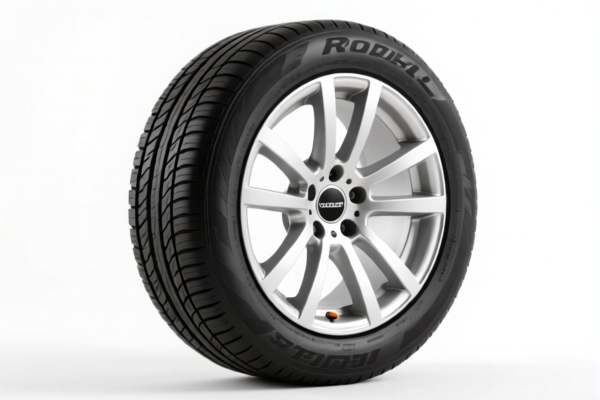
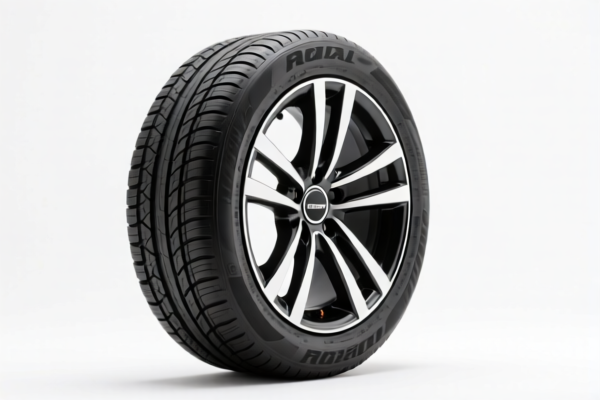
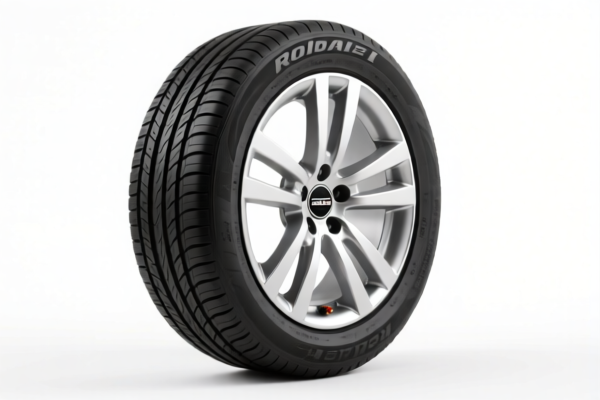
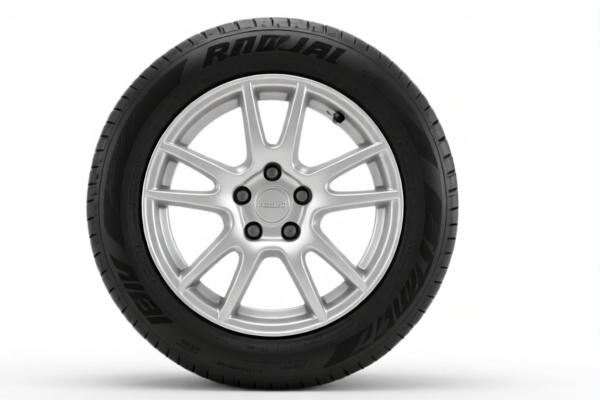
AI分析
🚗 Automotive Radial Tires (17-18 Inch) – HS Code Classification & Duty Breakdown
🌐 HS Code Reference & Customs Clearance Guide | Latest Tariff Analysis for 2026 | Professional Compliance Strategy
📌 I. Product Definition & Classification: Do You Truly Understand “Radial Tires”?
Radial tires are the standard for modern passenger vehicles, offering superior fuel efficiency, tread life, and handling compared to bias-ply tires. In international trade, they are classified based on: - Vehicle Type: Passenger cars vs. Trucks/Buses - Rim Diameter: 17–18 inches (common for sedans, SUVs, and crossovers) - Material: Rubber-based construction - Application: On-highway use for consumer vehicles
⚠️ Key Classification Distinction:
- If intended for passenger cars (SUVs, sedans, crossovers) → HS 4011.10
- If intended for trucks or buses → HS 4011.20/30
- If used in racing/motorsports → May fall under 4011.10.10.70 (specialized use)
📦 II. HS Code Classification Details (2026 Authoritative Tariff对照)
Based on the provided data, the following HS codes apply to automotive radial tires (17–18 inch):
| HS Code | Product Description | Application Scenario | Total Tax Rate |
|---|---|---|---|
4011.10.10.60 |
Radial tires for passenger cars, rim size 17–18 inches, rubber material | Standard passenger vehicles (sedans, SUVs) | 39.0% |
4011.10.10.70 |
Radial tires for racing vehicles, rim size includes 18 inches, rubber material | Motorsports, track-day cars, high-performance applications | 39.0% |
8708.70.45.60 |
Vehicle wheel assemblies (tires as part of wheels), inferred rubber/composite material | Tire mounted on rim (complete wheel unit) | 37.5% |
🔍 Critical Note:
-4011.10.10.60is the most common classification for standard passenger car radial tires. -4011.10.10.70applies specifically to racing-grade radial tires, even if physically similar to passenger tires. -8708.70.45.60is used when the tire is already mounted on a rim (i.e., sold as a “wheel” assembly, not just the tire). This affects classification and duty.
💰 III. 2026 Latest Tariff Rate Breakdown (Including Surcharge & Policy Add-ons)
✅ Applicable Country: United States (US)
✅ Origin: China (CN)
✅ Effective Date: Ongoing (subject to 301 & IEEPA provisions)
🎯 1. 4011.10.10.60 – Radial Tires for Passenger Cars (17–18 inch)
| Item | Detail |
|---|---|
| Base Tariff | 4.0% (ad valorem) |
| 301 Section Surcharge | +25.0% (USITC Footnote 9903.88.01) |
| IEEPA 122 Clause Surcharge | +10.0% (Targeting Chinese-origin goods) |
| Total Tariff | 39.0% |
| Tax Calculation | CIF Value × 39.0% |
| De Minimis Exemption? | ❌ No (deny_de_minimis applies to rubber products under 301) |
| Legal Basis Path | IEEPA:9903.01.25 → IEEPA:9903.01.24 → USITC:4011.10.10.60 → FOOTNOTE:9903.88.01 |
📌 Explanation:
- The 4.0% base duty is the standard MFN rate for rubber tires. - The 25% 301 surcharge is imposed due to trade tensions; it applies to all rubber tires from China. - The 10% IEEPA 122 clause is an additional penalty under the International Emergency Economic Powers Act, specifically targeting certain Chinese goods. - Total 39% is very high, making cost control essential.
🎯 2. 4011.10.10.70 – Radial Tires for Racing Vehicles (18 inch)
| Item | Detail |
|---|---|
| Base Tariff | 4.0% |
| 301 Section Surcharge | +25.0% |
| IEEPA 122 Clause Surcharge | +10.0% |
| Total Tariff | 39.0% |
| Tax Calculation | CIF Value × 39.0% |
| De Minimis Exemption? | ❌ No |
| Legal Basis Path | Same as above |
📌 Note:
- Despite being for “racing” use, the tariff structure is identical to passenger car tires. - Ensure marketing documentation clearly states “racing use” to avoid misclassification.
🎯 3. 8708.70.45.60 – Wheel Assemblies (Tire + Rim)
| Item | Detail |
|---|---|
| Base Tariff | 2.5% |
| 301 Section Surcharge | +25.0% |
| IEEPA 122 Clause Surcharge | +10.0% |
| Total Tariff | 37.5% |
| Tax Calculation | CIF Value × 37.5% |
| De Minimis Exemption? | ❌ No |
| Legal Basis Path | IEEPA:9903.01.25 → IEEPA:9903.01.24 → USITC:8708.70.45.60 → FOOTNOTE:9903.88.01 |
📌 Important:
- If the tire is mounted on a rim, it must be declared as a “wheel” (HS 8708), not as a tire (HS 4011). - This results in a 1.5% lower total duty (37.5% vs. 39.0%), but requires proper documentation proving the assembly is sold as a unit.
🛠️ IV. Customs Clearance Practical Tips (Avoid Costly Mistakes)
✅ 1. Required Documentation Checklist
| Document | Mandatory? | Description |
|---|---|---|
| ✅ Product Specification Sheet | ✔️ | Rim size, tread pattern, load index, speed rating, material |
| ✅ Photos (with labels) | ✔️ | Show brand, model, size, DOT code, packaging |
| ✅ Commercial Invoice | ✔️ | Clearly state “Radial Tire for Passenger Car, 17–18 inch, Rubber” |
| ✅ Packing List | ✔️ | Confirm quantity, weight, and whether rims are included |
| ✅ Certificate of Origin (CO) | ✔️ | Critical for proving Chinese origin; may affect duty eligibility |
| ✅ Third-Party Test Report | ✔️ | DOT compliance, ECE R30/R54 (if applicable) |
✅ 2. Declaration Tips (Key Phrases to Use)
🔥 “Declare Accurately: Tire vs. Wheel, Use & Origin Define Duty!”
| Scenario | Correct Declaration | Incorrect Declaration |
|---|---|---|
| Standalone tire (not on rim) | “Radial Tire for Passenger Car, 17–18 inch, Rubber” → 4011.10.10.60 | “Wheel” → misclassification |
| Tire + Rim assembled | “Wheel Assembly, Tire Mounted on Rim” → 8708.70.45.60 | “Tire Only” → wrong HS |
| Racing-specific tire | “Radial Tire for Motorsport Use, 18 inch” → 4011.10.10.70 | Same as passenger → audit risk |
✅ 3. Special Cases
| Situation | Handling Advice |
|---|---|
| OEM/Private Label Tires | Provide supply chain documents to prove origin and usage |
| Re-treaded Tires | Classified differently (HS 4012.10); do not misdeclare as new |
| Tires with Rims Shipped Separately | Declare as two items: tire (4011) + rim (8708) |
| Export to Non-US Markets | Check local tariff schedules; EU, Canada, Mexico have different rates |
🌍 V. Global Market Comparison (2026 Update)
| Country/Region | Recommended HS Code | Duty Rate | Certification | Notes |
|---|---|---|---|---|
| 🇺🇸 USA | 4011.10.10.60 |
39.0% | DOT, ECE R30 | High due to 301 + IEEPA |
| 🇨🇳 China | 4011.10.10.60 |
2.5% | CCC | Low base duty |
| 🇪🇺 EU | 4011.10.10.60 |
4.5% | ECE R30/R54 | No 301/IEEPA surcharges |
| 🇨🇦 Canada | 4011.10.10.60 |
3.5% | Transport Canada | Lower than US |
| 🇲🇽 Mexico | 4011.10.10.60 |
0% (under USMCA) | NOM | Preferential if US-origin components |
📌 Conclusion:
- USA has the highest effective duty for Chinese-made radial tires. - Consider supply chain diversification (e.g., Vietnam, Thailand) to mitigate tariff exposure.
📌 VI. Common Errors & Pitfalls (Lessons Learned)
❌ Error 1: Declaring “Tire + Rim” as “Tire Only”
👉 Consequence: Under-declared value → penalties + back duties
❌ Error 2: Using “Wheel” for standalone tires
👉 Consequence: Wrong HS code → 37.5% vs. 39.0% discrepancy → audit flag
❌ Error 3: Failing to declare “Chinese Origin”
👉 Consequence: Inability to apply correct surcharges → potential fines
❌ Error 4: Mixing racing and passenger tire declarations
👉 Consequence: Misclassification → seizure or reclassification
✅ Correct Approach:
“Radial Tire, Passenger Car Use, Size 225/45R18, Rubber Compound, DOT Compliant, Made in China”
🎯 VII. Conclusion: Precision Classification Saves Money!
🎯 Remember This Rule:
🔹 “Tire vs. Wheel, Origin vs. Use, Declare Clearly, Avoid Fees!”
🔹 “39% is the norm for Chinese tires in the US; 1.5% difference if declared as wheel assembly!”
📌 Pro Tip:
If your tires are not made in China (e.g., Vietnam, Thailand, Mexico), you may qualify for lower or zero additional duties under trade agreements.
Always request Advance Rulings from U.S. Customs to confirm classification before shipment.
📣 Take Action Now:
📞 Consult a licensed customs broker + Provide product photos + File for HTS Pre-Ruling
🚀 Ensure smooth clearance, minimize costs, and scale your tire business globally!
✨ Professional classification starts with accurate data!
💼 Every percentage point counts—optimize your supply chain today!
用户评价
关于 HS 编码归类
协调制度(HS)是由世界海关组织(WCO)制定的国际贸易商品分类标准。全球 200 多个国家采用 HS 系统作为海关关税、贸易统计和进出口监管的基础。
每个 HS 编码遵循以下层级结构:
- 章(2 位)——商品大类(例如:第 84 章:机器和机械设备)
- 品目(4 位)——章内的更具体分类
- 子目(6 位)——国际通用细分,所有 WCO 成员国统一使用
- 本国细分(8-10 位)——各国自行扩展的细分编码,如美国 HTSUS 10 位编码
正确的 HS 编码归类对于顺利通关、准确缴纳关税和遵守贸易法规至关重要。错误归类可能导致海关延误、多缴关税或罚款。
从CN进口到US时,适用的关税税率可能包括:
- 最惠国(MFN)税率——适用于 WTO 成员国的标准关税税率
- 普通税率——适用于无贸易协定国家
- 贸易救济关税——附加关税,如 301 条款(反倾销)、232 条款(国家安全)或反补贴税
本页内容仅供参考。如需正式归类,请咨询当地海关或持牌报关代理。