Automotive Radial Tires 17 18 Inch
CN → US| HS Code | Tariff Rate | Origin | Destination | Doc |
|---|---|---|---|---|
| 4011101060 | 39.0% | CN | US | Official Doc |
| 4011101070 | 39.0% | CN | US | Official Doc |
| 8708704560 | 37.5% | CN | US | Official Doc |
| 4011101060 | 39.0% | CN | US | Official Doc |
| 4011101060 | 39.0% | CN | US | Official Doc |
Product Images
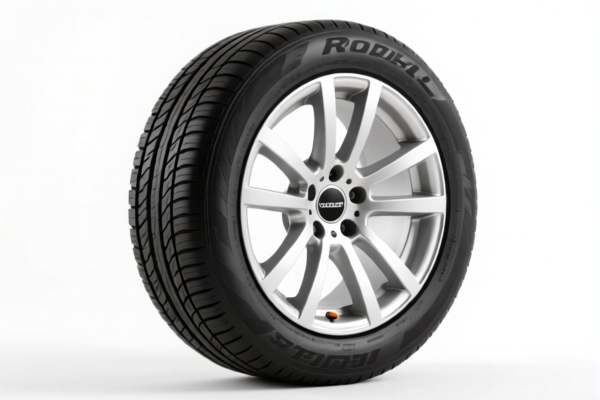
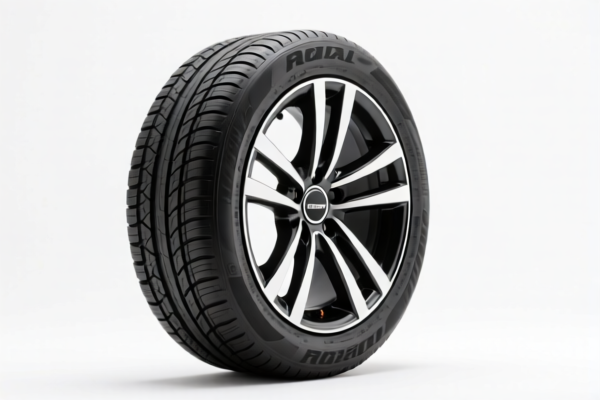
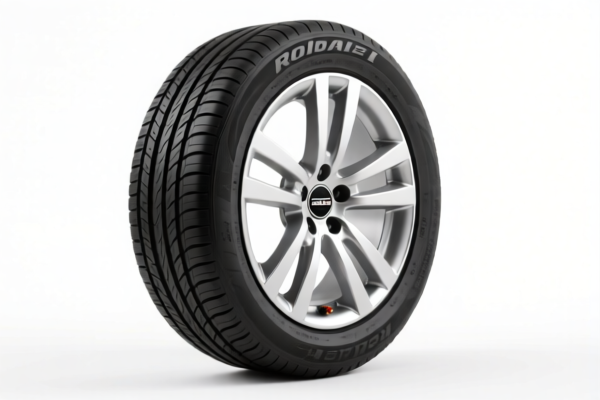
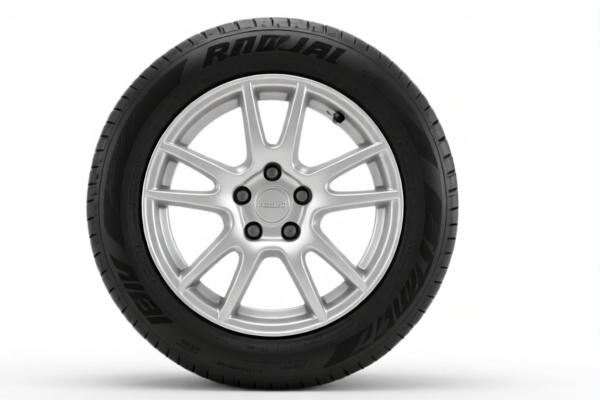
AI Analysis
🚗 Automotive Radial Tires (17-18 Inch) – HS Code Classification & Duty Breakdown
🌐 HS Code Reference & Customs Clearance Guide | Latest Tariff Analysis for 2026 | Professional Compliance Strategy
📌 I. Product Definition & Classification: Do You Truly Understand “Radial Tires”?
Radial tires are the standard for modern passenger vehicles, offering superior fuel efficiency, tread life, and handling compared to bias-ply tires. In international trade, they are classified based on: - Vehicle Type: Passenger cars vs. Trucks/Buses - Rim Diameter: 17–18 inches (common for sedans, SUVs, and crossovers) - Material: Rubber-based construction - Application: On-highway use for consumer vehicles
⚠️ Key Classification Distinction:
- If intended for passenger cars (SUVs, sedans, crossovers) → HS 4011.10
- If intended for trucks or buses → HS 4011.20/30
- If used in racing/motorsports → May fall under 4011.10.10.70 (specialized use)
📦 II. HS Code Classification Details (2026 Authoritative Tariff对照)
Based on the provided data, the following HS codes apply to automotive radial tires (17–18 inch):
| HS Code | Product Description | Application Scenario | Total Tax Rate |
|---|---|---|---|
4011.10.10.60 |
Radial tires for passenger cars, rim size 17–18 inches, rubber material | Standard passenger vehicles (sedans, SUVs) | 39.0% |
4011.10.10.70 |
Radial tires for racing vehicles, rim size includes 18 inches, rubber material | Motorsports, track-day cars, high-performance applications | 39.0% |
8708.70.45.60 |
Vehicle wheel assemblies (tires as part of wheels), inferred rubber/composite material | Tire mounted on rim (complete wheel unit) | 37.5% |
🔍 Critical Note:
-4011.10.10.60is the most common classification for standard passenger car radial tires. -4011.10.10.70applies specifically to racing-grade radial tires, even if physically similar to passenger tires. -8708.70.45.60is used when the tire is already mounted on a rim (i.e., sold as a “wheel” assembly, not just the tire). This affects classification and duty.
💰 III. 2026 Latest Tariff Rate Breakdown (Including Surcharge & Policy Add-ons)
✅ Applicable Country: United States (US)
✅ Origin: China (CN)
✅ Effective Date: Ongoing (subject to 301 & IEEPA provisions)
🎯 1. 4011.10.10.60 – Radial Tires for Passenger Cars (17–18 inch)
| Item | Detail |
|---|---|
| Base Tariff | 4.0% (ad valorem) |
| 301 Section Surcharge | +25.0% (USITC Footnote 9903.88.01) |
| IEEPA 122 Clause Surcharge | +10.0% (Targeting Chinese-origin goods) |
| Total Tariff | 39.0% |
| Tax Calculation | CIF Value × 39.0% |
| De Minimis Exemption? | ❌ No (deny_de_minimis applies to rubber products under 301) |
| Legal Basis Path | IEEPA:9903.01.25 → IEEPA:9903.01.24 → USITC:4011.10.10.60 → FOOTNOTE:9903.88.01 |
📌 Explanation:
- The 4.0% base duty is the standard MFN rate for rubber tires. - The 25% 301 surcharge is imposed due to trade tensions; it applies to all rubber tires from China. - The 10% IEEPA 122 clause is an additional penalty under the International Emergency Economic Powers Act, specifically targeting certain Chinese goods. - Total 39% is very high, making cost control essential.
🎯 2. 4011.10.10.70 – Radial Tires for Racing Vehicles (18 inch)
| Item | Detail |
|---|---|
| Base Tariff | 4.0% |
| 301 Section Surcharge | +25.0% |
| IEEPA 122 Clause Surcharge | +10.0% |
| Total Tariff | 39.0% |
| Tax Calculation | CIF Value × 39.0% |
| De Minimis Exemption? | ❌ No |
| Legal Basis Path | Same as above |
📌 Note:
- Despite being for “racing” use, the tariff structure is identical to passenger car tires. - Ensure marketing documentation clearly states “racing use” to avoid misclassification.
🎯 3. 8708.70.45.60 – Wheel Assemblies (Tire + Rim)
| Item | Detail |
|---|---|
| Base Tariff | 2.5% |
| 301 Section Surcharge | +25.0% |
| IEEPA 122 Clause Surcharge | +10.0% |
| Total Tariff | 37.5% |
| Tax Calculation | CIF Value × 37.5% |
| De Minimis Exemption? | ❌ No |
| Legal Basis Path | IEEPA:9903.01.25 → IEEPA:9903.01.24 → USITC:8708.70.45.60 → FOOTNOTE:9903.88.01 |
📌 Important:
- If the tire is mounted on a rim, it must be declared as a “wheel” (HS 8708), not as a tire (HS 4011). - This results in a 1.5% lower total duty (37.5% vs. 39.0%), but requires proper documentation proving the assembly is sold as a unit.
🛠️ IV. Customs Clearance Practical Tips (Avoid Costly Mistakes)
✅ 1. Required Documentation Checklist
| Document | Mandatory? | Description |
|---|---|---|
| ✅ Product Specification Sheet | ✔️ | Rim size, tread pattern, load index, speed rating, material |
| ✅ Photos (with labels) | ✔️ | Show brand, model, size, DOT code, packaging |
| ✅ Commercial Invoice | ✔️ | Clearly state “Radial Tire for Passenger Car, 17–18 inch, Rubber” |
| ✅ Packing List | ✔️ | Confirm quantity, weight, and whether rims are included |
| ✅ Certificate of Origin (CO) | ✔️ | Critical for proving Chinese origin; may affect duty eligibility |
| ✅ Third-Party Test Report | ✔️ | DOT compliance, ECE R30/R54 (if applicable) |
✅ 2. Declaration Tips (Key Phrases to Use)
🔥 “Declare Accurately: Tire vs. Wheel, Use & Origin Define Duty!”
| Scenario | Correct Declaration | Incorrect Declaration |
|---|---|---|
| Standalone tire (not on rim) | “Radial Tire for Passenger Car, 17–18 inch, Rubber” → 4011.10.10.60 | “Wheel” → misclassification |
| Tire + Rim assembled | “Wheel Assembly, Tire Mounted on Rim” → 8708.70.45.60 | “Tire Only” → wrong HS |
| Racing-specific tire | “Radial Tire for Motorsport Use, 18 inch” → 4011.10.10.70 | Same as passenger → audit risk |
✅ 3. Special Cases
| Situation | Handling Advice |
|---|---|
| OEM/Private Label Tires | Provide supply chain documents to prove origin and usage |
| Re-treaded Tires | Classified differently (HS 4012.10); do not misdeclare as new |
| Tires with Rims Shipped Separately | Declare as two items: tire (4011) + rim (8708) |
| Export to Non-US Markets | Check local tariff schedules; EU, Canada, Mexico have different rates |
🌍 V. Global Market Comparison (2026 Update)
| Country/Region | Recommended HS Code | Duty Rate | Certification | Notes |
|---|---|---|---|---|
| 🇺🇸 USA | 4011.10.10.60 |
39.0% | DOT, ECE R30 | High due to 301 + IEEPA |
| 🇨🇳 China | 4011.10.10.60 |
2.5% | CCC | Low base duty |
| 🇪🇺 EU | 4011.10.10.60 |
4.5% | ECE R30/R54 | No 301/IEEPA surcharges |
| 🇨🇦 Canada | 4011.10.10.60 |
3.5% | Transport Canada | Lower than US |
| 🇲🇽 Mexico | 4011.10.10.60 |
0% (under USMCA) | NOM | Preferential if US-origin components |
📌 Conclusion:
- USA has the highest effective duty for Chinese-made radial tires. - Consider supply chain diversification (e.g., Vietnam, Thailand) to mitigate tariff exposure.
📌 VI. Common Errors & Pitfalls (Lessons Learned)
❌ Error 1: Declaring “Tire + Rim” as “Tire Only”
👉 Consequence: Under-declared value → penalties + back duties
❌ Error 2: Using “Wheel” for standalone tires
👉 Consequence: Wrong HS code → 37.5% vs. 39.0% discrepancy → audit flag
❌ Error 3: Failing to declare “Chinese Origin”
👉 Consequence: Inability to apply correct surcharges → potential fines
❌ Error 4: Mixing racing and passenger tire declarations
👉 Consequence: Misclassification → seizure or reclassification
✅ Correct Approach:
“Radial Tire, Passenger Car Use, Size 225/45R18, Rubber Compound, DOT Compliant, Made in China”
🎯 VII. Conclusion: Precision Classification Saves Money!
🎯 Remember This Rule:
🔹 “Tire vs. Wheel, Origin vs. Use, Declare Clearly, Avoid Fees!”
🔹 “39% is the norm for Chinese tires in the US; 1.5% difference if declared as wheel assembly!”
📌 Pro Tip:
If your tires are not made in China (e.g., Vietnam, Thailand, Mexico), you may qualify for lower or zero additional duties under trade agreements.
Always request Advance Rulings from U.S. Customs to confirm classification before shipment.
📣 Take Action Now:
📞 Consult a licensed customs broker + Provide product photos + File for HTS Pre-Ruling
🚀 Ensure smooth clearance, minimize costs, and scale your tire business globally!
✨ Professional classification starts with accurate data!
💼 Every percentage point counts—optimize your supply chain today!
Customer Reviews
About HS Code Classification
The Harmonized System (HS) is an internationally standardized nomenclature developed by the World Customs Organization (WCO) to classify traded products. Over 200 countries use the HS system as the basis for customs tariffs, trade statistics, and import/export regulations.
Each HS code follows a hierarchical structure:
- Chapter (2 digits) — Broad category of goods (e.g., Chapter 84: Machinery and Mechanical Appliances)
- Heading (4 digits) — More specific grouping within the chapter
- Subheading (6 digits) — Internationally standardized breakdown, used by all WCO member countries
- National subdivisions (8-10 digits) — Country-specific extensions for further classification, such as US HTSUS 10-digit codes
Correct HS code classification is essential for smooth customs clearance, accurate duty payment, and compliance with trade regulations. Misclassification can lead to customs delays, overpayment of duties, or penalties.
When importing from CN to US, the applicable tariff rates may include:
- Most-Favored-Nation (MFN) rate — The standard duty rate applied to WTO members
- General rate — Applied to countries without trade agreements
- Trade remedy duties — Additional tariffs such as Section 301 (anti-dumping), Section 232 (national security), or countervailing duties
The information provided on this page is for reference purposes only. For official classification, please consult with your local customs authority or a licensed customs broker.