BOWL
CN → US| HS编码 | 关税税率 | 原产国 | 目的国 | 文档 |
|---|---|---|---|---|
| 6911108010 | 38.3% | CN | US | 官方文档 |
| 6909195095 | 39.0% | CN | US | 官方文档 |
| 6912003550 | 19.8% | CN | US | 官方文档 |
| 6911103550 | 43.5% | CN | US | 官方文档 |
| 6912003950 | 14.5% | CN | US | 官方文档 |
商品图片
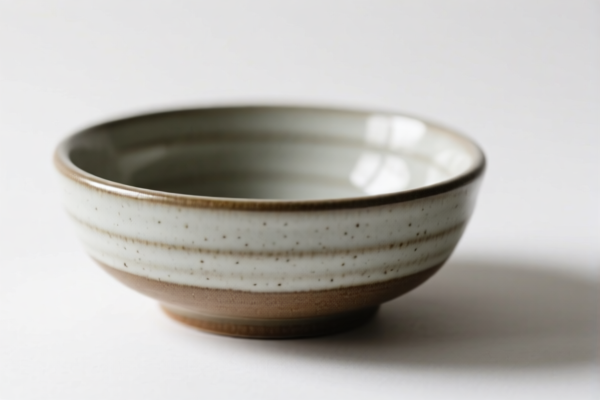
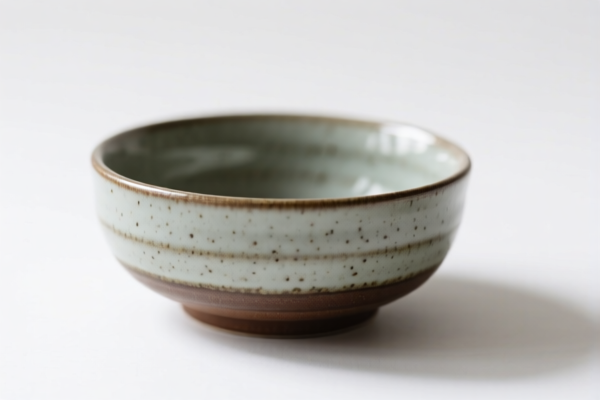


AI分析
🥣 Bowls: The Ultimate Guide to HS Code Classification & US Customs Clearance Strategy
🌐 HS Code Reference & Customs Clearance Guide | 2026 Latest Tariff Analysis | Professional Clearance Strategy
📌 I. Product Definition & Classification: Do You Really Understand "Bowls"?
In international trade, the term "Bowl" is a broad category that can fall into entirely different chapters depending on material, usage, and manufacturing process. Misclassification is the #1 cause of customs delays and unexpected taxes.
There are three primary categories for bowls: 1. Ceramic Tableware (Porcelain/Non-Porcelain): Used for dining, kitchen, and food service. Governed by Chapter 69 (Articles of Stone, Plaster, Cement, Asbestos, Mica or Similar Mineral Substances). 2. Laboratory Technical Ware: Used for scientific, medical, or industrial testing. Governed by Chapter 69 but distinct subheadings. 3. Glass Bowls: (Note: Not present in the provided DATA, but typically Chapter 70. We focus strictly on the provided Ceramic data below.)
⚠️ Key Distinction Point:
- If it is for eating/cooking → It is Tableware (HS 6911 or 6912).
- If it is for science/labs → It is Technical Ware (HS 6909).
- If it is Porcelain (high-fired, translucent) → It falls under 6911.
- If it is Earthenware/Ceramic (non-porous but not porcelain) → It falls under 6912.
📦 II. HS Code Classification Details (Based on Provided Data)
The following table maps the specific HS Codes from your dataset to their product descriptions and tax implications.
| HS Code | Product Description | Material Type | Usage Scenario | Total Tax Rate |
|---|---|---|---|---|
6912.00.39.50 |
Ceramic Bowl, Other (Catch-all), Tableware & Kitchen Supplies | Non-Porcelain Ceramic | General dining, generic kitchen use | 14.5% |
6912.00.35.50 |
Ceramic Bowl, Non-Porcelain, Tableware & Kitchen Supplies | Non-Porcelain Ceramic | Standard earthenware/majolica | 19.8% |
6911.10.80.10 |
Ceramic Bowl, Porcelain, Tableware & Kitchen Supplies | Porcelain | High-quality dinnerware | 38.3% |
6909.19.50.95 |
Ceramic Bowl, Laboratory/Technical Use Ware | Technical Ceramic | Labs, hospitals, industrial testing | 39.0% |
6911.10.35.50 |
Ceramic Bowl, Porcelain, Tableware & Kitchen Supplies | Porcelain | Specific porcelain dinnerware variant | 43.5% |
🔍 Critical Analysis:
- Tableware (6911/6912) is subject to varying base tariffs based on whether it is porcelain (6911) or other ceramic (6912).
- Laboratory Ware (6909) has a lower base tariff (4.0%) but incurs a massive 25% "Section 301" additional tariff, resulting in a high total of 39.0%.
- The "Catch-all" Option (6912.00.39.50) offers the lowest total tax burden at 14.5% due to a 0% additional tariff.
💰 III. 2026 Latest Tariff Rate Breakdown (Including Surcharges & Policy Add-ons)
✅ Applicable Country: United States (US)
✅ Origin: China (CN) (Inferred from "122 Tariff" and Section 301 context in tax details)
✅ Effective Date: Current US Trade Policy (Section 301 & 122 measures)
🎯 1. 6912.00.39.50 – Ceramic Bowl (Non-Porcelain, Other)
The Most Cost-Effective Option
| Item | Content |
|---|---|
| Base Tariff | 4.5% |
| Section 301 Additional Tariff | 0.0% |
| Section 122 Tariff (Trade Deficit) | 10.0% |
| Total Tariff Rate | 14.5% |
| Tax Calculation | CIF Value × 14.5% |
| De Minimis Eligibility | ❌ No (Typically denied for China-origin goods under current rules) |
| Legal Basis Path | HTSUS:6912.00.39.50 → USITC:Section 122 |
📌 Explanation:
- This code has zero Section 301 tariffs, which is rare for Chinese ceramics.
- The total cost is driven mainly by the standard base duty and the 10% deficit-related tariff.
- Strategy: If your product qualifies as "Other" non-porcelain ceramic, this is the cheapest path.
🎯 2. 6912.00.35.50 – Ceramic Bowl (Non-Porcelain, Standard)
Standard Earthenware Path
| Item | Content |
|---|---|
| Base Tariff | 9.8% |
| Section 301 Additional Tariff | 0.0% |
| Section 122 Tariff | 10.0% |
| Total Tariff Rate | 19.8% |
| Tax Calculation | CIF Value × 19.8% |
| De Minimis Eligibility | ❌ No |
| Legal Basis Path | HTSUS:6912.00.35.50 → USITC:Section 122 |
📌 Explanation:
- Slightly higher base tariff than the "catch-all" category.
- Still benefits from 0% Section 301 tariff.
- Ideal for standard earthenware, stoneware, or matte-finish ceramics that are clearly not porcelain.
🎯 3. 6911.10.80.10 – Ceramic Bowl (Porcelain)
Premium Dinnerware Path
| Item | Content |
|---|---|
| Base Tariff | 20.8% |
| Section 301 Additional Tariff | 7.5% |
| Section 122 Tariff | 10.0% |
| Total Tariff Rate | 38.3% |
| Tax Calculation | CIF Value × 38.3% |
| De Minimis Eligibility | ❌ No |
| Legal Basis Path | HTSUS:6911.10.80.10 → USITC:Section 301 + Section 122 |
📌 Explanation:
- Porcelain attracts a significant base tariff (20.8%).
- It incurs a 7.5% Section 301 tariff, unlike the 6912 codes.
- Warning: Ensure your product is truly "Porcelain" (high-fired, white, translucent). If misclassified, customs may reclassify to a higher penalty category.
🎯 4. 6909.19.50.95 – Ceramic Bowl (Laboratory/Technical)
The High-Tax Specialist Path
| Item | Content |
|---|---|
| Base Tariff | 4.0% |
| Section 301 Additional Tariff | 25.0% |
| Section 122 Tariff | 10.0% |
| Total Tariff Rate | 39.0% |
| Tax Calculation | CIF Value × 39.0% |
| De Minimis Eligibility | ❌ No |
| Legal Basis Path | HTSUS:6909.19.50.95 → USITC:Section 301 + Section 122 |
📌 Explanation:
- CRITICAL WARNING: Although the base tariff is low (4.0%), the 25% Section 301 tariff makes this one of the most expensive options.
- Do NOT use this code for tableware! If you ship a dinner bowl and label it "Laboratory Ware," you risk severe penalties for false classification.
- Use only for true lab equipment (e.g., crucibles, reaction vessels).
🎯 5. 6911.10.35.50 – Ceramic Bowl (Porcelain, Specific)
Highest Tax Burden for Tableware
| Item | Content |
|---|---|
| Base Tariff | 26.0% |
| Section 301 Additional Tariff | 7.5% |
| Section 122 Tariff | 10.0% |
| Total Tariff Rate | 43.5% |
| Tax Calculation | CIF Value × 43.5% |
| De Minimis Eligibility | ❌ No |
| Legal Basis Path | HTSUS:6911.10.35.50 → USITC:Section 301 + Section 122 |
📌 Explanation:
- This is the most expensive classification for ceramic tableware in the provided data.
- High base tariff (26.0%) + Section 301 (7.5%) + Section 122 (10%).
- Likely applies to specific, high-end, or decorated porcelain items that do not fit the broader6911.10.80.10category.
🛠️ IV. Customs Clearance Practical Advice (Real-World Pitfall Guide)
✅ 1. Documentation Checklist (Non-Negotiable)
| Document | Must Provide | Explanation |
|---|---|---|
| ✅ Product Specification Sheet | ✔️ | Must clearly state: Material (Porcelain vs. Ceramic), Firing Temperature, Glaze Type. |
| ✅ Commercial Invoice | ✔️ | Description must match HS Code exactly (e.g., "Porcelain Dinner Bowl" vs. "Lab Ceramic Bowl"). |
| ✅ Packing List | ✔️ | Item count and weight. |
| ✅ Origin Certificate | ✔️ | Proves CN origin (triggers Section 301/122). |
| ✅ Product Photos | ✔️ | Show shape, material texture, and any markings (e.g., "Made in China"). |
✅ 2. Classification Strategy (Key Mantra)
🔥 "Material First, Usage Second, Tax Optimization Third!"
| Scenario | Correct HS Code | Estimated Tax | Why? |
|---|---|---|---|
| Standard White Ceramic Dinner Bowl | 6912.00.39.50 |
14.5% | Lowest tax; "Other" ceramic; 0% Section 301. |
| High-End White Translucent Bowl | 6911.10.80.10 |
38.3% | Porcelain requires higher base tariff + 7.5% Section 301. |
| Lab Beaker/Reactor Vessel | 6909.19.50.95 |
39.0% | High Section 301 (25%) despite low base tariff. |
| Decorated Fine China Plate/Bowl | 6911.10.35.50 |
43.5% | Specific porcelain subtype with highest base tariff. |
📌 Note:
- Porcelain (6911) always incurs Section 301 tariffs (7.5% or more).
- Non-Porcelain Ceramic (6912) currently enjoys 0% Section 301 tariffs, making it the strategic choice for cost-saving if the material allows.
✅ 3. Special Handling & Risk Management
| Situation | Recommendation |
|---|---|
| Mixed Materials | If a bowl has a porcelain body but a non-ceramic base (e.g., wood/silicone), consult a specialist. Mixed materials may be classified under the principal component. |
| "Laboratory" Labeling | Never label tableware as "Laboratory Ware" to save taxes. Customs cross-references usage. If you ship a soup bowl and call it a "Lab Bowl," you will be audited. |
| Section 122 Tariff (10%) | This applies to most Chinese ceramics regardless of HS code. It is a "deficit reduction" tariff. No exemption available for standard goods. |
| Pre-Ruling Application | Given the tax variance from 14.5% to 43.5%, file an Advance Ruling with US CBP if you are uncertain whether your product is "Porcelain" or "Other Ceramic." |
🌍 V. Global Market Comparison (Contextual)
| Market | Recommended HS Code | Tariff (Est.) | Key Certifications | Notes |
|---|---|---|---|---|
| 🇺🇸 USA | 6912.00.39.50 |
14.5% | FDA (if food contact) | Best option due to 0% Section 301. |
| 🇺🇸 USA | 6911.10.80.10 |
38.3% | FDA | High tax for porcelain. |
| 🇪🇺 EU | 6911.10 / 6912.00 |
~0-8% | LFGB, REACH | No Section 301/122. Much lower cost. |
| 🇨🇳 China | 6911.10 / 6912.00 |
~5-15% | CCC (if applicable) | Standard export tariffs. |
📌 Conclusion:
- The US market is highly punitive for Chinese ceramics due to Section 301 and 122 tariffs.
- Strategy: If possible, design products to fall under Non-Porcelain Ceramic (6912) to utilize the 0% Section 301 rate. Avoid Porcelain (6911) if tax minimization is the primary goal, unless your brand value justifies the 38-43% tax.
📌 VI. Common Errors & Pitfalls (Lessons Learned)
❌ Error 1: Classifying Porcelain as Laboratory Ware
👉 Consequence: Customs detects misuse. Penalties + Back Taxes.
✅ Correct: Porcelain dinnerware → 6911.10.xxxxx.
❌ Error 2: Using General Description ("Ceramic Bowl")
👉 Consequence: Customs may choose the highest applicable rate (6911.10.35.50 @ 43.5%).
✅ Correct: Specify material: "Non-Porcelain Ceramic Bowl" → 6912.00.39.50 @ 14.5%.
❌ Error 3: Ignoring Section 122 Tariff
👉 Consequence: Underestimating landed cost by 10%.
✅ Correct: Always budget for the additional 10% deficit tariff on Chinese ceramics.
🎯 VII. Conclusion: Smart Classification Saves Money!
🎯 Remember the Mantra:
🔹 "Non-Porcelain Wins on Tax: 14.5% vs 38%+!"
🔹 "Porcelain Pays Premium: 38-43% Total Tax."
🔹 "Never Mix Lab & Tableware: One Mislabel, All Rejected."
📌 Pro Tip:
If your product is semi-porcelain or stoneware, argue for 6912 (Non-Porcelain) classification to secure the 0% Section 301 tariff. This alone saves ~24% in taxes compared to porcelain!
📣 Immediate Action:
📞 Verify material composition (Porcelain vs. Ceramic).
🚀 Apply for CBP Advance Ruling if unsure.
💼 Choose6912.00.39.50for maximum profitability!
✨ Professional clearance starts with precise classification!
💼 Every point of tax difference is pure profit!
用户评价
关于 HS 编码归类
协调制度(HS)是由世界海关组织(WCO)制定的国际贸易商品分类标准。全球 200 多个国家采用 HS 系统作为海关关税、贸易统计和进出口监管的基础。
每个 HS 编码遵循以下层级结构:
- 章(2 位)——商品大类(例如:第 84 章:机器和机械设备)
- 品目(4 位)——章内的更具体分类
- 子目(6 位)——国际通用细分,所有 WCO 成员国统一使用
- 本国细分(8-10 位)——各国自行扩展的细分编码,如美国 HTSUS 10 位编码
正确的 HS 编码归类对于顺利通关、准确缴纳关税和遵守贸易法规至关重要。错误归类可能导致海关延误、多缴关税或罚款。
从CN进口到US时,适用的关税税率可能包括:
- 最惠国(MFN)税率——适用于 WTO 成员国的标准关税税率
- 普通税率——适用于无贸易协定国家
- 贸易救济关税——附加关税,如 301 条款(反倾销)、232 条款(国家安全)或反补贴税
本页内容仅供参考。如需正式归类,请咨询当地海关或持牌报关代理。