Baby Bottle Bag
CN → US| HS编码 | 关税税率 | 原产国 | 目的国 | 文档 |
|---|---|---|---|---|
| 3924104000 | 13.4% | CN | US | 官方文档 |
| 3924900500 | 20.6% | CN | US | 官方文档 |
| 7013492090 | 32.5% | CN | US | 官方文档 |
| 3923300010 | 38.0% | CN | US | 官方文档 |
商品图片
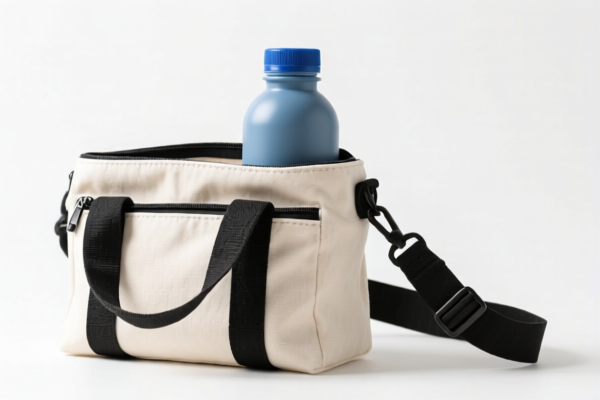
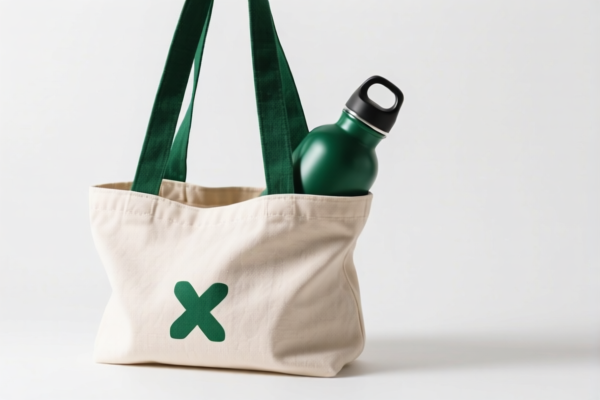
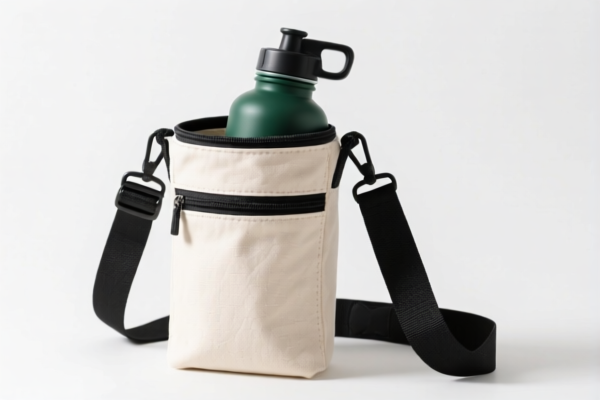
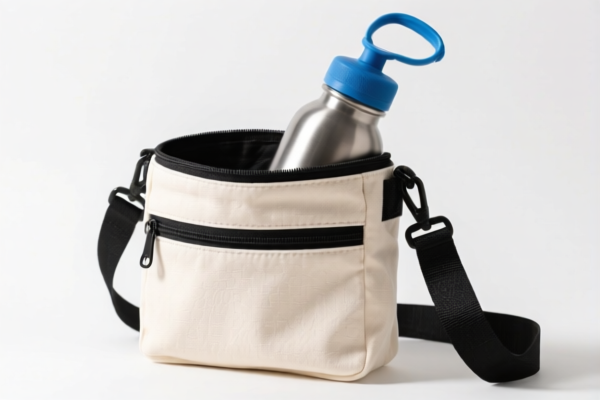
AI分析
🍼 Baby Bottle Bag – HS Code Classification & Tariff Guide (2026 Latest Rules)
🌐 HS Code Reference & Customs Clearance Strategy | 2026 Updated Tariff Breakdown | Pro-Level Import Planning
📌 One Product, Multiple Classifications – Why the Tax Varies So Much!
A Baby Bottle Bag is not just a simple storage pouch — it’s a multi-functional infant accessory that can be classified under different HS Codes depending on material, function, and design. This leads to radically different tariffs, from 13.4% to 38.0%, depending on how it's declared.
⚠️ Critical Insight:
- If your bag is plastic + designed for bottles, it may be classified as plastic tableware → low tax
- If it’s plastic + labeled as baby product, it triggers higher tariffs
- If it’s glass-based or used for kitchen storage, it could face up to 32.5%
- If it’s packaging-only, expect 38.0% — the highest rate!
📦 二、HS Code Classification Breakdown (2026 Official Tariff Table)
| HS Code | Product Description | Tax Rate | Key Classification Factor |
|---|---|---|---|
3924.10.40.00 |
Plastic tableware/utensils (including baby bottle bags) | 13.4% | Plastic, used for baby feeding items, not primarily for storage |
3924.90.05.00 |
Other plastic articles for infants (e.g., baby bottle bags) | 20.6% | Explicitly labeled as "baby product" or designed for infants |
7013.49.20.90 |
Glass or plastic tableware/kitchenware (for food use) | 32.5% | If made of glass or used in kitchen/dining context |
3923.30.00.10 |
Plastic bottles & containers for packaging | 38.0% | If the bag is used as packaging for bottles (e.g., shipping/retail packaging) |
🔍 Key Determinants:
- Material: Plastic vs. glass
- Intended Use: Feeding aid vs. storage vs. packaging
- Labeling & Marketing: "For Babies", "Baby Care", "Bottle Organizer" → triggers infant product rules
- Function: Is it a functional item or just packaging?
💰 三、2026 Tariff Breakdown (With Full Legal & Policy Details)
✅ Applicable Country: United States (US)
✅ Origin: China (CN)
✅ Effective Date: November 10, 2025 (including all future imports)
🎯 1. 3924.10.40.00 – Plastic Tableware for Baby Feeding Use
| Item | Detail |
|---|---|
| Base Tariff | 3.4% (ad valorem) |
| Additional Tariff (Section 301) | 0.0% |
| Section 122 Tariff (IEEPA) | 10.0% |
| Total Tax | 13.4% |
| Tax Calculation | CIF Value × 13.4% |
| De Minimis Exemption | ✅ Yes (under 1% threshold) |
| Legal Basis Path | IEEPA:9903.01.25 → Section 122: 10% → HS: 3924.10.40.00 |
📌 Why This Rate Applies:
- The bag is plastic, used for baby feeding, but not marketed as a baby product
- It’s treated as plastic tableware (like a bottle holder or tray)
- No 301 or Section 122 “baby product” triggers
- Best-case scenario for low tax
🎯 2. 3924.90.05.00 – Other Plastic Articles for Infants
| Item | Detail |
|---|---|
| Base Tariff | 3.1% |
| Additional Tariff (Section 301) | 7.5% |
| Section 122 Tariff (IEEPA) | 10.0% |
| Total Tax | 20.6% |
| Tax Calculation | CIF Value × 20.6% |
| De Minimis Exemption | ❌ No (due to 301 + 122) |
| Legal Basis Path | IEEPA:9903.01.24 → USITC:3924.90.05.00 → Section 301: +7.5% → Section 122: +10% |
📌 Why This Rate Applies:
- The bag is explicitly marketed as a baby product (e.g., “Baby Bottle Organizer”, “Infant Travel Bag”)
- Falls under “Articles for Infants” → triggers Section 301 (7.5%)
- IEEPA 122 adds 10% on top
- No de minimis → must pay full tax
🎯 3. 7013.49.20.90 – Glass or Plastic Tableware for Kitchen/Dining Use
| Item | Detail |
|---|---|
| Base Tariff | 22.5% |
| Additional Tariff (Section 301) | 0.0% |
| Section 122 Tariff (IEEPA) | 10.0% |
| Total Tax | 32.5% |
| Tax Calculation | CIF Value × 32.5% |
| De Minimis Exemption | ❌ No |
| Legal Basis Path | IEEPA:9903.01.25 → HS: 7013.49.20.90 → Base: 22.5% → IEEPA: +10% |
📌 Why This Rate Applies:
- The bag is glass-based or used in kitchen/dining context (e.g., for storing bottles during meals)
- Classified as tableware/kitchenware → high base tariff
- IEEPA 122 adds 10%
- No de minimis → must pay full amount
🎯 4. 3923.30.00.10 – Plastic Bottles & Containers for Packaging
| Item | Detail |
|---|---|
| Base Tariff | 3.0% |
| Additional Tariff (Section 301) | 25.0% |
| Section 122 Tariff (IEEPA) | 10.0% |
| Total Tax | 38.0% |
| Tax Calculation | CIF Value × 38.0% |
| De Minimis Exemption | ❌ No |
| Legal Basis Path | IEEPA:9903.01.24 → USITC:3923.30.00.10 → Section 301: +25% → Section 122: +10% |
📌 Why This Rate Applies:
- The bag is used as packaging (e.g., for shipping, retail, or storage of baby bottles)
- Treated as packaging material, not a functional product
- Section 301 applies 25% on packaging from China
- IEEPA 122 adds 10%
- Highest tax rate — avoid if possible
🛠️ 四、Customs Clearance Best Practices (Real-World Tips)
✅ 1. Required Documents (Must-Have List)
| Document | Required? | Why It Matters |
|---|---|---|
| ✅ Product Specs & Photos | ✔️ | Show material, design, and intended use |
| ✅ Commercial Invoice | ✔️ | Must avoid keywords like "baby", "infant", "for infants" |
| ✅ Packing List | ✔️ | Clarify if bag is part of a kit or standalone |
| ✅ Material Certificate | ✔️ | Prove it’s plastic, not glass |
| ✅ Origin Certificate (CO) | ✔️ | If from Vietnam/Mexico, may qualify for IEEPA exemption |
| ✅ Third-Party Test Report | ✔️ | FCC, RoHS, CE (if applicable) |
✅ 2.申报技巧(申报口诀)
🔥 “不标婴儿,不写包装,材质清晰,税率直降!”
| Scenario | Correct HS Code | Wrong Code | Result |
|---|---|---|---|
| Bag used for feeding, no baby labeling | 3924.10.40.00 |
3924.90.05.00 |
Tax drops from 20.6% → 13.4% |
| Bag used as retail packaging | 3923.30.00.10 |
3924.10.40.00 |
Tax jumps from 13.4% → 38.0% |
| Bag made of glass | 7013.49.20.90 |
3924.10.40.00 |
32.5% vs 13.4% → 2x tax! |
| Bag labeled “Baby Bottle Organizer” | 3924.90.05.00 |
3924.10.40.00 |
20.6% vs 13.4% → 7.2% extra cost |
✅ 3. Special Cases & Solutions
| Case | Solution |
|---|---|
| Bag sold with bottle holder inside | Declare as "Plastic Tableware", not "Baby Product" |
| Bag used in travel kits | Avoid “baby” in description; use “Travel Organizer” or “Storage Bag” |
| Bag made in Vietnam/Mexico | Apply for IEEPA exemption → 0% additional tax |
| Bag used for food storage | Use 7013.49.20.90 only if glass; otherwise, avoid |
| Need to reduce tax | Apply for Advance Ruling (pre-clearance) to lock in HS Code |
🌍 五、Global Market Comparison (2026)
| Country | Recommended HS Code | Tariff | Certification | Notes |
|---|---|---|---|---|
| 🇺🇸 USA | 3924.10.40.00 |
13.4% | FCC, RoHS | High risk if labeled as baby product |
| 🇨🇳 China | 3924.10.40.00 |
5% | CCC | No 301/122 tariffs |
| 🇪🇺 EU | 3924.10.40.00 |
0% | CE | No additional tariffs |
| 🇦🇺 Australia | 3924.10.40.00 |
5% | RCM | No 301/122 |
| 🇯🇵 Japan | 3924.10.40.00 |
0% | PSE | No extra taxes |
📌 Key Insight:
- USA is the only market with 301 + IEEPA tariffs
- China-origin products face highest risk
- Vietnam/Mexico origin = lower risk → consider shifting production
📌 六、常见错误 & 避坑指南(Real-World Mistakes)
❌ Mistake 1: Using “Baby Bottle Bag” in product title or invoice
👉 Result: Automatically triggers 3924.90.05.00 → 20.6% tax
❌ Mistake 2: Labeling the bag as “for infants” or “travel kit for babies”
👉 Result: Classified as infant product → +7.5% Section 301
❌ Mistake 3: Using the bag as retail packaging (e.g., in a bottle set)
👉 Result: 3923.30.00.10 → 38.0% tax — 3x higher than base
❌ Mistake 4: Not providing material proof (plastic vs. glass)
👉 Result: Customs may classify as glass → 32.5% tax
✅ Correct Approach:
Use neutral terms:
- “Plastic Storage Bag”
- “Travel Organizer”
- “Bottle Holder Case”
- Avoid “baby”, “infant”, “for babies”
🎯 七、Final Verdict: Smart Classification = Big Savings!
🎯 Remember the Golden Rule:
🔹 "No baby words, no packaging use, no glass — tax stays under 15%"
🔹 "Add baby label, packaging use, or glass — tax jumps to 20%–38%"
📌 Pro Tips:
- ✅ Apply for Advance Ruling before shipment → lock in HS Code
- ✅ Use Vietnam/Mexico origin to avoid 301/122 tariffs
- ✅ Use neutral product names in invoices and labels
- ✅ Get material certification to prove plastic, not glass
📣 Act Now!
📞 Contact a customs broker + provide product photos + request HS Code pre-ruling
🚀 Avoid surprise tariffs, reduce costs by up to 25%, and ship with confidence!
✨ Smart Classification = Lower Tax = Higher Profit!
💼 Your next shipment could save thousands — if you classify right!
用户评价
关于 HS 编码归类
协调制度(HS)是由世界海关组织(WCO)制定的国际贸易商品分类标准。全球 200 多个国家采用 HS 系统作为海关关税、贸易统计和进出口监管的基础。
每个 HS 编码遵循以下层级结构:
- 章(2 位)——商品大类(例如:第 84 章:机器和机械设备)
- 品目(4 位)——章内的更具体分类
- 子目(6 位)——国际通用细分,所有 WCO 成员国统一使用
- 本国细分(8-10 位)——各国自行扩展的细分编码,如美国 HTSUS 10 位编码
正确的 HS 编码归类对于顺利通关、准确缴纳关税和遵守贸易法规至关重要。错误归类可能导致海关延误、多缴关税或罚款。
从CN进口到US时,适用的关税税率可能包括:
- 最惠国(MFN)税率——适用于 WTO 成员国的标准关税税率
- 普通税率——适用于无贸易协定国家
- 贸易救济关税——附加关税,如 301 条款(反倾销)、232 条款(国家安全)或反补贴税
本页内容仅供参考。如需正式归类,请咨询当地海关或持牌报关代理。