Baking Mat
CN → US| HS编码 | 关税税率 | 原产国 | 目的国 | 文档 |
|---|---|---|---|---|
| 3924901050 | 13.3% | CN | US | 官方文档 |
| 3926909989 | 22.8% | CN | US | 官方文档 |
| 7013495090 | 25.0% | CN | US | 官方文档 |
| 3924104000 | 13.4% | CN | US | 官方文档 |
| 3926100000 | 15.3% | CN | US | 官方文档 |
商品图片

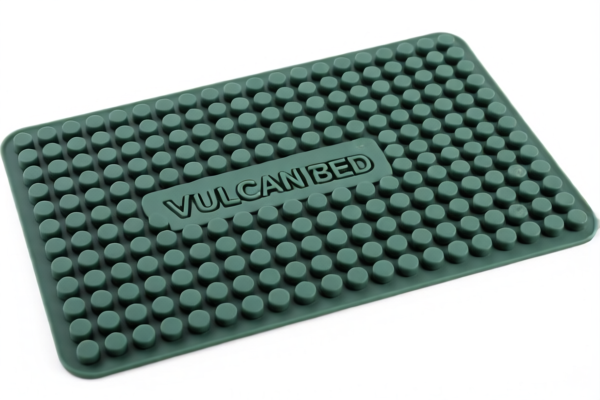
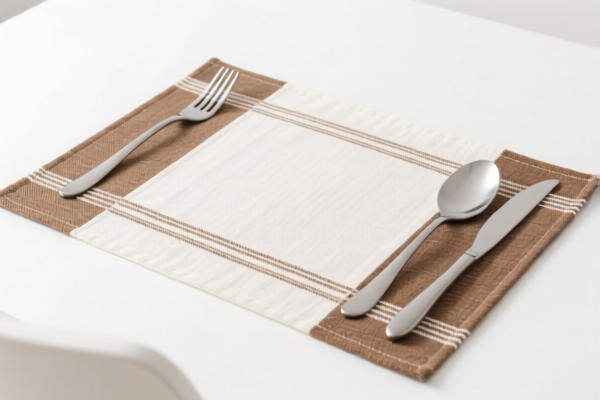
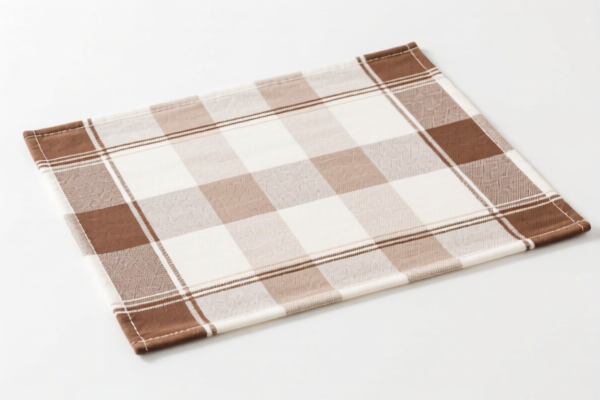
AI分析
🧁 Baking Mats (Silicone & Non-Stick Mats)
🌐 HS Code Reference & Customs Clearance Guide | 2026 Tariff Breakdown | Strategic Import Solutions
📌 I. Product Definition: What Exactly is a "Baking Mat"?
Baking Mats are essential kitchen tools designed for oven use, providing a non-stick surface for rolling dough, baking cookies, and roasting vegetables. They are typically made of food-grade silicone or PTFE (Teflon-coated fiberglass), eliminating the need for parchment paper.
⚠️ Critical Classification Logic:
- Material Composition: The HS Code depends heavily on whether the primary material is classified as "Plastic/Silicone" (Chapter 39) or "Glass" (Chapter 70). - Function: Kitchenware vs. Other Household Goods. - Destination: The provided data focuses on US Import Tariffs (China origin), heavily influenced by Section 301 (Add-ons) and Section 122 (New Tariffs).
📦 II. HS Code Classification Matrix (Based on Provided Data)
| HS Code | Material Inference | Product Form | Tax Logic Summary |
|---|---|---|---|
| 3924.90.10.50 | Plastic / Silicone | Tray Liners / Mats | Fits "Other household goods" under Plastics. |
| 3926.90.99.89 | Silicone or PTFE (Teflon) | General Plastic Articles | Fits "Other plastics articles" classification logic. |
| 7013.49.50.90 | Glass or Heat-Resistant Silicone | Kitchenware | Fits "Other kitchenware" under Glass or similar heat-resistant materials. |
| 3924.10.40.00 | Plastic / Silicone | Tableware & Cookware | Fits "Tableware/Kitchen utensils" (Other). |
| 3926.10.00.00 | Plastic (Silicone) | Plastic Articles | Fits "Other plastic articles" general category. |
💰 III. 2026 Tariff Rate Deep Dive (US Import from China)
✅ Country of Origin: China (CN)
✅ Market: United States (US)
⚠️ Note: All tariffs below include the base rate + Section 301 Add-ons + Section 122 (10%).
🎯 1. HS Code 3924.90.10.50 – The "Tray Liner" Classification
Best for: Standard silicone baking mats used as liners on trays.
| Component | Rate | Detail |
|---|---|---|
| Base Duty | 3.3% | Standard Most-Favored-Nation (MFN) rate for household goods. |
| Section 301 Add-on | 0.0% | No additional Section 301 surcharge for this specific subheading. |
| Section 122 | 10.0% | New Tariff: Additional 10% tax for specific Chinese imports. |
| TOTAL DUTY | 13.3% | Final Landing Cost |
📌 Logic: This code treats the mat as a "household good" rather than a specific kitchen utensil, minimizing the base duty but still hitting the 122 tax.
🎯 2. HS Code 3926.90.99.89 – The "General Plastic" Catch-All
Best for: Mats with complex compositions (e.g., Silicone + Fiberglass backing with Teflon).
| Component | Rate | Detail |
|---|---|---|
| Base Duty | 5.3% | Standard rate for "Other articles of plastics". |
| Section 301 Add-on | 7.5% | Crucial Add-on: This subheading carries the 301 surcharge. |
| Section 122 | 10.0% | Additional 10% tax for Section 122 compliance. |
| TOTAL DUTY | 22.8% | Highest Risk Rate |
📌 Logic: If the customs broker classifies the mat as a "general plastic article" (Chapter 39.26) instead of "household goods," you face a 22.8% burden. Avoid this if possible.
🎯 3. HS Code 7013.49.50.90 – The "Glass/Heat-Resistant" Route
Best for: High-end mats labeled as glass-ceramic or specialized heat-resistant glass composites.
| Component | Rate | Detail |
|---|---|---|
| Base Duty | 15.0% | Higher base rate for glassware. |
| Section 301 Add-on | 0.0% | No 301 surcharge for this glassware category. |
| Section 122 | 10.0% | Additional 10% tax for Section 122 compliance. |
| TOTAL DUTY | 25.0% | Most Expensive Option |
📌 Logic: While "Glass" sounds exotic, the base duty (15%) makes this the most expensive option. Only use if the product is genuinely glass or marketed as such.
🎯 4. HS Code 3924.10.40.00 – The "Kitchen Utensil" Sweet Spot
Best for: Mats clearly defined as kitchen utensils/cookware accessories.
| Component | Rate | Detail |
|---|---|---|
| Base Duty | 3.4% | Low base rate for specific kitchen plastic goods. |
| Section 301 Add-on | 0.0% | No 301 surcharge. |
| Section 122 | 10.0% | Additional 10% tax for Section 122 compliance. |
| TOTAL DUTY | 13.4% | Competitive & Efficient |
📌 Logic: This is the best balance for most silicone mats. It avoids the 301 surcharge and keeps the base duty low, resulting in a 13.4% total.
🎯 5. HS Code 3926.10.00.00 – The "Plastic Sheet" Category
Best for: Simple rolls of silicone or plastic mats sold by the meter.
| Component | Rate | Detail |
|---|---|---|
| Base Duty | 5.3% | Standard rate for other plastic articles. |
| Section 301 Add-on | 0.0% | No 301 surcharge. |
| Section 122 | 10.0% | Additional 10% tax for Section 122 compliance. |
| TOTAL DUTY | 15.3% | Moderate Cost |
📌 Logic: A middle-ground option if the product doesn't fit neatly into "Tableware" (3924.10) but is still primarily plastic.
🛠️ IV. Customs Clearance Strategy & Tips
✅ 1. Optimize Your HS Code Selection
To minimize costs (avoiding the 22.8% trap): * Aim for 3924.90.10.50 or 3924.10.40.00: These offer the lowest total duty (13.3% - 13.4%). * Avoid 3926.90.99.89: Unless your product has no other definition, this attracts the Section 301 (7.5%) surcharge. * Avoid 7013.49.50.90: Unless it is actual glass, the base duty makes it too expensive.
✅ 2. Documentation Checklist
To prove your classification (especially to avoid 3926 vs. 3924 disputes): | Document | Why It Matters | |----------|----------------| | Product Specification Sheet | Must explicitly state "Food Grade Silicone" or "PTFE Coated". | | Material Composition Diagram | Proves it is a "Plastic/Silicone" article, justifying 3924 over 3926 if needed. | | Usage Photos | Show the mat on a baking tray (supports "Household Good" classification). | | Labeling | Must clearly state "Oven Safe", "Baking Mat", or "Pastry Mat". |
✅ 3. The "Section 122" Reality
- What is it? A new 10% tariff targeting specific Chinese imports (often related to rubber/plastics or specific industrial/household goods).
- Impact: No avoidance. It applies to ALL the HS Codes listed above.
- Strategy: Since the 122 tax is unavoidable for these items, focus entirely on minimizing the Base Duty + Section 301.
✅ 4. Naming Convention for Customs
- DO NOT say: "Plastic Sheet", "General Article".
- DO say: "Silicone Baking Mat", "Non-Stick Pastry Mat for Kitchen Use", "Food-Grade Silicone Tray Liner".
- Why? The word "Kitchen" or "Tableware" pushes the classification toward 3924.10 (lower duty) rather than 3926 (higher duty).
📊 V. Summary: The Cost Comparison
| HS Code | Total Tax Rate | Verdict | Recommendation |
|---|---|---|---|
| 3924.90.10.50 | 13.3% | 🏆 Best | Use for standard silicone mats. |
| 3924.10.40.00 | 13.4% | 🥈 Great | Use if classified as kitchen utensils. |
| 3926.10.00.00 | 15.3% | 🥉 Okay | Use for rolls or generic plastic mats. |
| 3926.90.99.89 | 22.8% | ❌ Avoid | Traps you with extra Section 301 tax. |
| 7013.49.50.90 | 25.0% | 🚫 Worst | Only if product is actually glass. |
🚀 Final Advice:
Ensure your supplier and broker agree on 3924.90.10.50 or 3924.10.40.00 to save ~9-12% in duties compared to the worst-case scenario. Always declare the material as "Silicone" and the function as "Baking/Kitchen" to justify the lower tax bracket.
✨ Clear Shipping, Smart Tariffs!
💡 Remember: A small difference in HS Code classification can save you thousands in landed costs.
用户评价
关于 HS 编码归类
协调制度(HS)是由世界海关组织(WCO)制定的国际贸易商品分类标准。全球 200 多个国家采用 HS 系统作为海关关税、贸易统计和进出口监管的基础。
每个 HS 编码遵循以下层级结构:
- 章(2 位)——商品大类(例如:第 84 章:机器和机械设备)
- 品目(4 位)——章内的更具体分类
- 子目(6 位)——国际通用细分,所有 WCO 成员国统一使用
- 本国细分(8-10 位)——各国自行扩展的细分编码,如美国 HTSUS 10 位编码
正确的 HS 编码归类对于顺利通关、准确缴纳关税和遵守贸易法规至关重要。错误归类可能导致海关延误、多缴关税或罚款。
从CN进口到US时,适用的关税税率可能包括:
- 最惠国(MFN)税率——适用于 WTO 成员国的标准关税税率
- 普通税率——适用于无贸易协定国家
- 贸易救济关税——附加关税,如 301 条款(反倾销)、232 条款(国家安全)或反补贴税
本页内容仅供参考。如需正式归类,请咨询当地海关或持牌报关代理。