Ballet Skirt
CN → US商品图片
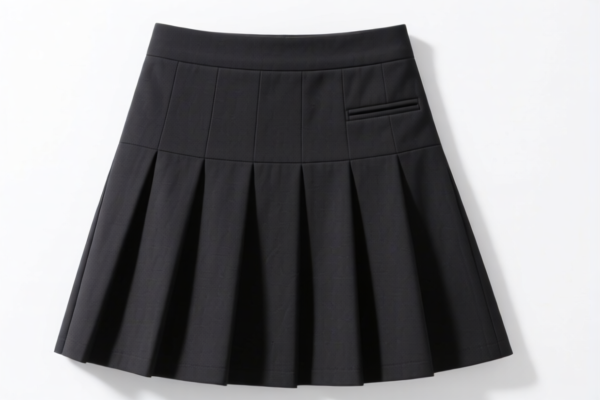
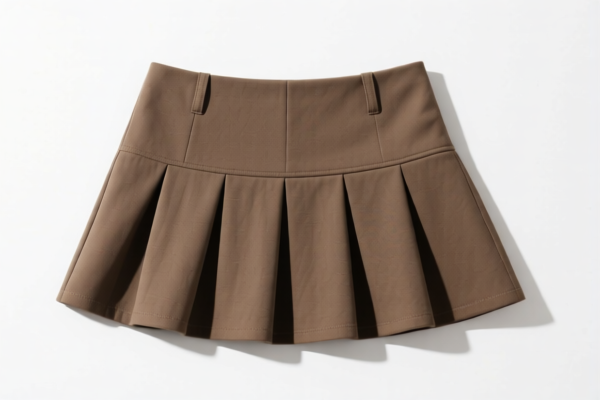
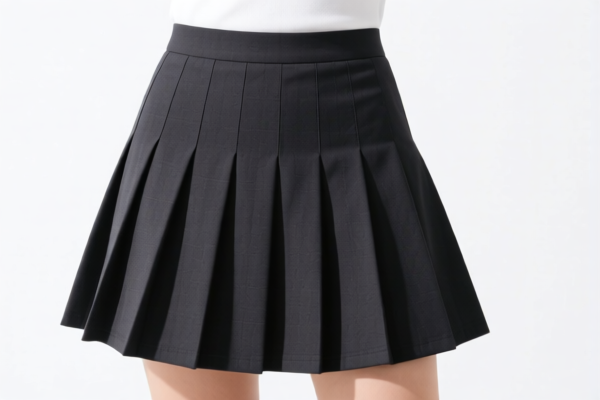
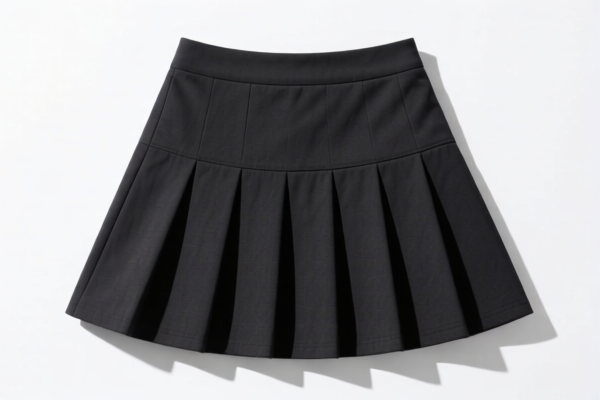
AI分析
👗 Ballet Skirt (Tutu)
🌐 HS Code Reference & Customs Clearance Guide | 2026 Latest Tariff Full Analysis | Professional Level Clearance Strategy
📌 I. Product Definition and Classification: Do You Really Understand the "Ballet Skirt"?
A ballet skirt, commonly known as a tutu, is the iconic costume worn by dancers in ballet performances. It is a lightweight, often stiffened, skirt worn around the waist. In international trade, classification depends heavily on material composition, intended use, and degree of elaboration.
Key Distinction:
- Practice Skirts (Tutus for Training): Simple, usually made of tulle, nylon, or cotton, worn for daily practice. These are more likely classified as general apparel or costumes.
- Performance Tutus (Stage Costumes): Elaborate, structured, often decorated with beads, sequins, feathers, or specialized stiffening (e.g., netting, horsehair). These may be classified as "other made-up articles of textile materials" or even "costumes."
⚠️ Critical Classification Point:
- If the item is a simple, unadorned practice tutu → Likely 6107.99 or 6204.99 (Other women’s/girls’ skirts).
- If the item is a structured, decorative stage costume → Likely 6217.10 (Other made-up clothing accessories) or 9505.90 (Festival, carnival, or other costume articles).
- If it is made of plastic or non-textile materials (e.g., cheap party wear) → Likely 3926.90 or 6307.90.
📦 II. HS Code Classification Details (2026 Latest Tariff Authority Cross-Reference)
| HS Code | Product Description | Application Scenario | Material/Structure |
|---|---|---|---|
6107.99.00.00 |
Other women’s or girls’ underwear, nightwear, sleepwear, bathrobes, housecoats, and similar articles | Simple cotton/nylon practice tutus, lined | ✅ Textile, knitted |
6204.99.00.00 |
Other women’s or girls’ skirts and divided skirts | Non-knitted practice skirts, cotton/polyester | ✅ Textile, woven |
6217.10.90.90 |
Other made-up clothing accessories | Decorated tutus, belts, sashes, costume parts | ✅ Textile, made-up |
9505.90.90.90 |
Festival, carnival, or other costume articles | Full stage tutus with embellishments, performance costumes | ✅ Any material, decorative |
6307.90.98.90 |
Other made-up articles of textile materials | Unadorned, utilitarian fabric skirts, practice gear | ✅ Textile, simple |
🔍 Key Reminder:
- Simple practice tutus are typically treated as apparel (6107/6204).
- Elaborate stage costumes are often classified under costume articles (9505) to reflect their non-everyday-use nature.
- Misclassification Risk: Declaring a decorative stage tutu as a simple skirt (6204) may lead to underpayment of duties and penalties. Conversely, declaring a simple practice skirt as a costume (9505) may result in higher duties unnecessarily.
💰 III. 2026 Latest Tariff Rate Details (Including Surtaxes, Policy Add-ons)
✅ Applicable Country: United States (US)
✅ Country of Origin: China (CN)
✅ Effective Date: November 10, 2025 onwards (including subsequent imports)
🎯 1. 6107.99.00.00 / 6204.99.00.00 —— Simple Practice Tutus (Textile Apparel)
| Item | Content |
|---|---|
| Base Rate | 16% (ad valorem) for woven skirts; 17% for knitted |
| USITC Surtax | +25% (From USITC Footnote 9903.88.01) |
| IEEPA Surtax | +10% (For China/HK products, from Nov 10, 2025) |
| Total Rate | 51% - 52% |
| Tax Calculation | CIF Value × 51% (approx.) |
| De Minimis Eligibility | ❌ Not Eligible (deny_de_minimis) |
| Legal Basis Path | IEEPA:9903.01.25 → USITC:6204.99.00.00 → FOOTNOTE:9903.88.01 |
📌 Explanation:
- 25% USITC surtax: Under Section 301 of the Trade Act, many textile products face additional tariffs.
- 10% IEEPA surtax: International Emergency Economic Powers Act surcharge on Chinese goods.
- Total ~51%: This is a high tariff, requiring proactive cost planning.
🎯 2. 9505.90.90.90 —— Decorative/Stage Tutus (Costume Articles)
| Item | Content |
|---|---|
| Base Rate | 5.3% (ad valorem) |
| USITC Surtax | +25% (If classified as textile costume under Footnote 9903.88.01) |
| IEEPA Surtax | +10% (For China/HK) |
| Total Rate | 40.3% |
| Tax Calculation | CIF Value × 40.3% |
| De Minimis Eligibility | ❌ Not Eligible |
| Legal Basis Path | IEEPA:9901.25 → USITC:9505.90.90.90 → FOOTNOTE:9903.88.01 |
📌 Note:
- Even if classified as "costumes," textile-based costumes still face the 301 surtax.
- Non-textile costumes (e.g., plastic party wear) may have different surtax applicability, but ballet tutus are almost always textile.
🎯 3. 6217.10.90.90 —— Made-up Costume Accessories
| Item | Content |
|---|---|
| Base Rate | 5.6% (ad valorem) |
| USITC Surtax | +25% |
| IEEPA Surtax | +10% |
| Total Rate | 40.6% |
| Tax Calculation | CIF Value × 40.6% |
| De Minimis Eligibility | ❌ Not Eligible |
📌 Note:
- If the tutu is sold as a part of a costume set or as an accessory, this code may apply.
- Still subject to 35% total surcharge (25% + 10%).
🛠️ IV. Customs Clearance Practical Advice (Real-World Pitfall Avoidance Guide)
✅ 1. Preparation Checklist (All Required)
| Material | Required | Explanation |
|---|---|---|
| ✅ Product Specifications | ✔️ | Material, size, weight, intended use (practice vs. stage) |
| ✅ Material Composition Certificate | ✔️ | E.g., 100% Nylon Tulle, Cotton Lining |
| ✅ Photos (Front/Back/Label) | ✔️ | Show structure, decorations, labels |
| ✅ Commercial Invoice | ✔️ | Clearly state "Ballet Practice Skirt" or "Stage Costume Tutu" |
| ✅ Packing List | ✔️ | Indicate if sold as individual pieces or sets |
| ✅ Certificate of Origin (CO) | ✔️ | For non-China origin to claim preferential rates |
| ✅ Third-Party Test Report | ✔️ | Flammability, chemical safety (if applicable) |
✅ 2. Declaration Strategy (Key Mnemonic)
🔥 “Practice Skirt, Declare Apparel; Stage Costume, Declare Costume! Clear Description, Save Money!”
| Scenario | Correct Declaration | Wrong Practice |
|---|---|---|
| Simple cotton/nylon practice tutu | 6204.99.00.00 (Woven) or 6107.99.00.00 (Knitted) |
Declare as 9505.90 → Higher duty |
| Decorated stage tutu with beads | 9505.90.90.90 |
Declare as 6204.99 → Under-declaration risk |
| Tutu sold with shoes/costume | Separate Declaration | Bundle together → Misclassification |
| Plastic party tutu | 6307.90.98.90 |
Declare as textile → Wrong material |
✅ 3. Special Cases Handling
| Scenario | Handling Advice |
|---|---|
| OEM Custom Tutus | Provide design sketches + material specs to avoid "costume" classification |
| Tutus with Metal/Plastic Decorations | Still classified as textile if >50% by weight |
| Sample Imports | Clearly mark "SAMPLE - NOT FOR RESALE" for potential duty exemption |
| Return/Exhibition Goods | Apply for temporary admission if applicable |
🌍 V. Global Main Market Customs Clearance Comparison (2026 Latest)
| Country/Region | Recommended HS Code | Tariff | Certification Requirements | Notes |
|---|---|---|---|---|
| 🇺🇸 USA | 6204.99.00.00 / 9505.90.90.90 |
40-52% | CPSIA (if for children) | High surtax on Chinese goods |
| 🇨🇳 China | 6204.99.00.00 |
5-10% | CCC (if applicable) | Low duty, no surtax |
| 🇪🇺 EU | 6204.99.00.00 |
8-12% | CE (if functional) | No surtax |
| 🇬🇧 UK | 6204.99.00.00 |
8-12% | UKCA | Post-Brexit rules apply |
| 🇯🇵 Japan | 6204.99.00.00 |
10-15% | PSE (if electronic) | No surtax |
📌 Conclusion:
- USA is the only market with high surcharges for textile costumes/skirts from China.
- China, EU, and Japan have lower tariffs and no additional surtaxes.
- Cost optimization: Consider sourcing from Vietnam, Cambodia, or India to avoid 25% USITC surtax.
📌 VI. Common Mistakes & Pitfall Avoidance Guide (Lessons Learned)
❌ Mistake 1: Declaring a decorated stage tutu as a simple skirt (6204.99)
👉 Consequence: Under-declaration, potential penalties and back taxes.
❌ Mistake 2: Declaring a simple practice tutu as a costume (9505.90)
👉 Consequence: Higher duty burden unnecessarily (5.3% + 35% vs. 16% + 35% = actually similar, but risk of audit).
❌ Mistake 3: Not specifying material composition
👉 Consequence: Customs may reclassify based on assumption, leading to delays.
❌ Mistake 4: Using "Tutu" as the only description
👉 Consequence: Ambiguous; must specify "Ballet Practice Skirt" or "Stage Costume."
✅ Correct Practice:
“Women’s Nylon Tulle Ballet Practice Skirt, Unadorned, For Dance Training, Model XYZ, 100% Nylon”
🎯 VII. Conclusion: Professional Declaration, Time-Saving, Cost-Effective!
🎯 Remember Mnemonics:
🔹 “Practice = Apparel; Stage = Costume! Material Matters, Description Clarity Saves Money!”
🔹 “HS Code Determines Duty, Surtax Adds 35%, Declaration Precision Prevents Penalties!”
📌 Tips:
- If your ballet skirts are originating from Vietnam, Cambodia, or India, you may apply for IEEPA exemptions, reducing the total tariff to 5-10%.
- It is recommended to apply for Advance Rulings before shipping to avoid clearance risks.
📣 Take Action Now:
📞 Contact Professional Customs Brokers + Provide Product Photos + Apply for HS Code Advance Ruling
🚀 Let your ballet skirts clear customs smoothly, export efficiently, and maximize profits!
✨ Professional Customs Clearance Starts with Accurate Classification!
💼 Every Cent of Your Cost Deserves Precise Calculation!
用户评价
关于 HS 编码归类
协调制度(HS)是由世界海关组织(WCO)制定的国际贸易商品分类标准。全球 200 多个国家采用 HS 系统作为海关关税、贸易统计和进出口监管的基础。
每个 HS 编码遵循以下层级结构:
- 章(2 位)——商品大类(例如:第 84 章:机器和机械设备)
- 品目(4 位)——章内的更具体分类
- 子目(6 位)——国际通用细分,所有 WCO 成员国统一使用
- 本国细分(8-10 位)——各国自行扩展的细分编码,如美国 HTSUS 10 位编码
正确的 HS 编码归类对于顺利通关、准确缴纳关税和遵守贸易法规至关重要。错误归类可能导致海关延误、多缴关税或罚款。
从CN进口到US时,适用的关税税率可能包括:
- 最惠国(MFN)税率——适用于 WTO 成员国的标准关税税率
- 普通税率——适用于无贸易协定国家
- 贸易救济关税——附加关税,如 301 条款(反倾销)、232 条款(国家安全)或反补贴税
本页内容仅供参考。如需正式归类,请咨询当地海关或持牌报关代理。