Ballet Skirt
CN → USProduct Images
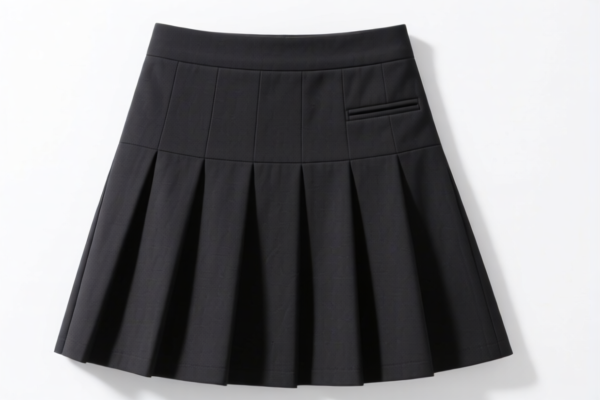
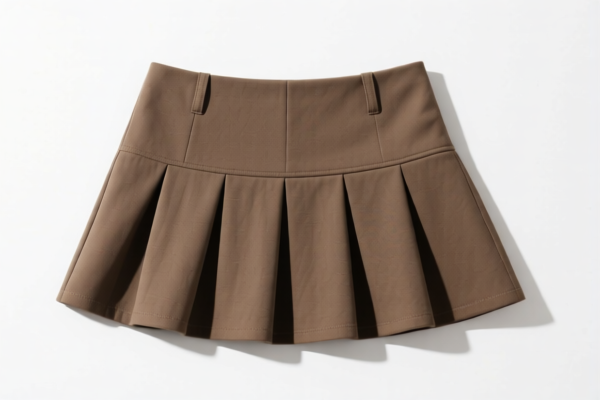
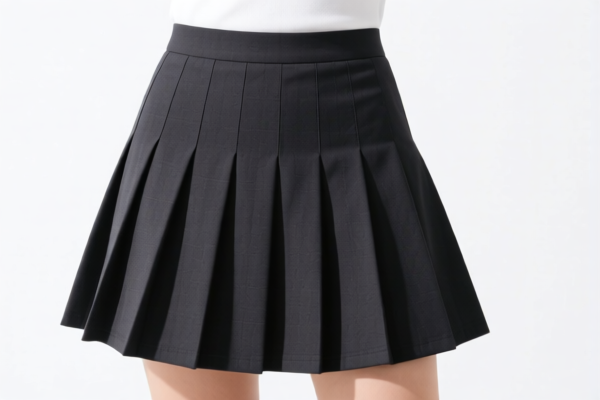
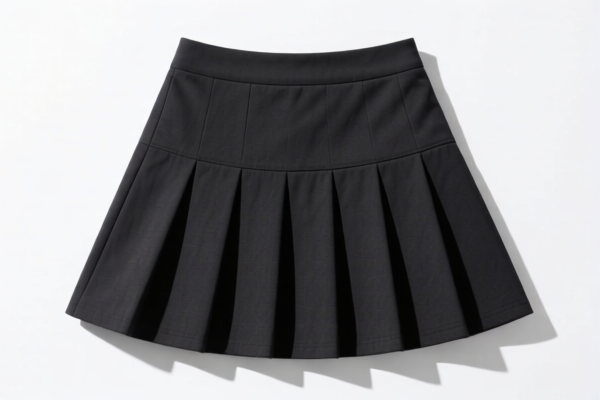
AI Analysis
👗 Ballet Skirt (Tutu)
🌐 HS Code Reference & Customs Clearance Guide | 2026 Latest Tariff Full Analysis | Professional Level Clearance Strategy
📌 I. Product Definition and Classification: Do You Really Understand the "Ballet Skirt"?
A ballet skirt, commonly known as a tutu, is the iconic costume worn by dancers in ballet performances. It is a lightweight, often stiffened, skirt worn around the waist. In international trade, classification depends heavily on material composition, intended use, and degree of elaboration.
Key Distinction:
- Practice Skirts (Tutus for Training): Simple, usually made of tulle, nylon, or cotton, worn for daily practice. These are more likely classified as general apparel or costumes.
- Performance Tutus (Stage Costumes): Elaborate, structured, often decorated with beads, sequins, feathers, or specialized stiffening (e.g., netting, horsehair). These may be classified as "other made-up articles of textile materials" or even "costumes."
⚠️ Critical Classification Point:
- If the item is a simple, unadorned practice tutu → Likely 6107.99 or 6204.99 (Other women’s/girls’ skirts).
- If the item is a structured, decorative stage costume → Likely 6217.10 (Other made-up clothing accessories) or 9505.90 (Festival, carnival, or other costume articles).
- If it is made of plastic or non-textile materials (e.g., cheap party wear) → Likely 3926.90 or 6307.90.
📦 II. HS Code Classification Details (2026 Latest Tariff Authority Cross-Reference)
| HS Code | Product Description | Application Scenario | Material/Structure |
|---|---|---|---|
6107.99.00.00 |
Other women’s or girls’ underwear, nightwear, sleepwear, bathrobes, housecoats, and similar articles | Simple cotton/nylon practice tutus, lined | ✅ Textile, knitted |
6204.99.00.00 |
Other women’s or girls’ skirts and divided skirts | Non-knitted practice skirts, cotton/polyester | ✅ Textile, woven |
6217.10.90.90 |
Other made-up clothing accessories | Decorated tutus, belts, sashes, costume parts | ✅ Textile, made-up |
9505.90.90.90 |
Festival, carnival, or other costume articles | Full stage tutus with embellishments, performance costumes | ✅ Any material, decorative |
6307.90.98.90 |
Other made-up articles of textile materials | Unadorned, utilitarian fabric skirts, practice gear | ✅ Textile, simple |
🔍 Key Reminder:
- Simple practice tutus are typically treated as apparel (6107/6204).
- Elaborate stage costumes are often classified under costume articles (9505) to reflect their non-everyday-use nature.
- Misclassification Risk: Declaring a decorative stage tutu as a simple skirt (6204) may lead to underpayment of duties and penalties. Conversely, declaring a simple practice skirt as a costume (9505) may result in higher duties unnecessarily.
💰 III. 2026 Latest Tariff Rate Details (Including Surtaxes, Policy Add-ons)
✅ Applicable Country: United States (US)
✅ Country of Origin: China (CN)
✅ Effective Date: November 10, 2025 onwards (including subsequent imports)
🎯 1. 6107.99.00.00 / 6204.99.00.00 —— Simple Practice Tutus (Textile Apparel)
| Item | Content |
|---|---|
| Base Rate | 16% (ad valorem) for woven skirts; 17% for knitted |
| USITC Surtax | +25% (From USITC Footnote 9903.88.01) |
| IEEPA Surtax | +10% (For China/HK products, from Nov 10, 2025) |
| Total Rate | 51% - 52% |
| Tax Calculation | CIF Value × 51% (approx.) |
| De Minimis Eligibility | ❌ Not Eligible (deny_de_minimis) |
| Legal Basis Path | IEEPA:9903.01.25 → USITC:6204.99.00.00 → FOOTNOTE:9903.88.01 |
📌 Explanation:
- 25% USITC surtax: Under Section 301 of the Trade Act, many textile products face additional tariffs.
- 10% IEEPA surtax: International Emergency Economic Powers Act surcharge on Chinese goods.
- Total ~51%: This is a high tariff, requiring proactive cost planning.
🎯 2. 9505.90.90.90 —— Decorative/Stage Tutus (Costume Articles)
| Item | Content |
|---|---|
| Base Rate | 5.3% (ad valorem) |
| USITC Surtax | +25% (If classified as textile costume under Footnote 9903.88.01) |
| IEEPA Surtax | +10% (For China/HK) |
| Total Rate | 40.3% |
| Tax Calculation | CIF Value × 40.3% |
| De Minimis Eligibility | ❌ Not Eligible |
| Legal Basis Path | IEEPA:9901.25 → USITC:9505.90.90.90 → FOOTNOTE:9903.88.01 |
📌 Note:
- Even if classified as "costumes," textile-based costumes still face the 301 surtax.
- Non-textile costumes (e.g., plastic party wear) may have different surtax applicability, but ballet tutus are almost always textile.
🎯 3. 6217.10.90.90 —— Made-up Costume Accessories
| Item | Content |
|---|---|
| Base Rate | 5.6% (ad valorem) |
| USITC Surtax | +25% |
| IEEPA Surtax | +10% |
| Total Rate | 40.6% |
| Tax Calculation | CIF Value × 40.6% |
| De Minimis Eligibility | ❌ Not Eligible |
📌 Note:
- If the tutu is sold as a part of a costume set or as an accessory, this code may apply.
- Still subject to 35% total surcharge (25% + 10%).
🛠️ IV. Customs Clearance Practical Advice (Real-World Pitfall Avoidance Guide)
✅ 1. Preparation Checklist (All Required)
| Material | Required | Explanation |
|---|---|---|
| ✅ Product Specifications | ✔️ | Material, size, weight, intended use (practice vs. stage) |
| ✅ Material Composition Certificate | ✔️ | E.g., 100% Nylon Tulle, Cotton Lining |
| ✅ Photos (Front/Back/Label) | ✔️ | Show structure, decorations, labels |
| ✅ Commercial Invoice | ✔️ | Clearly state "Ballet Practice Skirt" or "Stage Costume Tutu" |
| ✅ Packing List | ✔️ | Indicate if sold as individual pieces or sets |
| ✅ Certificate of Origin (CO) | ✔️ | For non-China origin to claim preferential rates |
| ✅ Third-Party Test Report | ✔️ | Flammability, chemical safety (if applicable) |
✅ 2. Declaration Strategy (Key Mnemonic)
🔥 “Practice Skirt, Declare Apparel; Stage Costume, Declare Costume! Clear Description, Save Money!”
| Scenario | Correct Declaration | Wrong Practice |
|---|---|---|
| Simple cotton/nylon practice tutu | 6204.99.00.00 (Woven) or 6107.99.00.00 (Knitted) |
Declare as 9505.90 → Higher duty |
| Decorated stage tutu with beads | 9505.90.90.90 |
Declare as 6204.99 → Under-declaration risk |
| Tutu sold with shoes/costume | Separate Declaration | Bundle together → Misclassification |
| Plastic party tutu | 6307.90.98.90 |
Declare as textile → Wrong material |
✅ 3. Special Cases Handling
| Scenario | Handling Advice |
|---|---|
| OEM Custom Tutus | Provide design sketches + material specs to avoid "costume" classification |
| Tutus with Metal/Plastic Decorations | Still classified as textile if >50% by weight |
| Sample Imports | Clearly mark "SAMPLE - NOT FOR RESALE" for potential duty exemption |
| Return/Exhibition Goods | Apply for temporary admission if applicable |
🌍 V. Global Main Market Customs Clearance Comparison (2026 Latest)
| Country/Region | Recommended HS Code | Tariff | Certification Requirements | Notes |
|---|---|---|---|---|
| 🇺🇸 USA | 6204.99.00.00 / 9505.90.90.90 |
40-52% | CPSIA (if for children) | High surtax on Chinese goods |
| 🇨🇳 China | 6204.99.00.00 |
5-10% | CCC (if applicable) | Low duty, no surtax |
| 🇪🇺 EU | 6204.99.00.00 |
8-12% | CE (if functional) | No surtax |
| 🇬🇧 UK | 6204.99.00.00 |
8-12% | UKCA | Post-Brexit rules apply |
| 🇯🇵 Japan | 6204.99.00.00 |
10-15% | PSE (if electronic) | No surtax |
📌 Conclusion:
- USA is the only market with high surcharges for textile costumes/skirts from China.
- China, EU, and Japan have lower tariffs and no additional surtaxes.
- Cost optimization: Consider sourcing from Vietnam, Cambodia, or India to avoid 25% USITC surtax.
📌 VI. Common Mistakes & Pitfall Avoidance Guide (Lessons Learned)
❌ Mistake 1: Declaring a decorated stage tutu as a simple skirt (6204.99)
👉 Consequence: Under-declaration, potential penalties and back taxes.
❌ Mistake 2: Declaring a simple practice tutu as a costume (9505.90)
👉 Consequence: Higher duty burden unnecessarily (5.3% + 35% vs. 16% + 35% = actually similar, but risk of audit).
❌ Mistake 3: Not specifying material composition
👉 Consequence: Customs may reclassify based on assumption, leading to delays.
❌ Mistake 4: Using "Tutu" as the only description
👉 Consequence: Ambiguous; must specify "Ballet Practice Skirt" or "Stage Costume."
✅ Correct Practice:
“Women’s Nylon Tulle Ballet Practice Skirt, Unadorned, For Dance Training, Model XYZ, 100% Nylon”
🎯 VII. Conclusion: Professional Declaration, Time-Saving, Cost-Effective!
🎯 Remember Mnemonics:
🔹 “Practice = Apparel; Stage = Costume! Material Matters, Description Clarity Saves Money!”
🔹 “HS Code Determines Duty, Surtax Adds 35%, Declaration Precision Prevents Penalties!”
📌 Tips:
- If your ballet skirts are originating from Vietnam, Cambodia, or India, you may apply for IEEPA exemptions, reducing the total tariff to 5-10%.
- It is recommended to apply for Advance Rulings before shipping to avoid clearance risks.
📣 Take Action Now:
📞 Contact Professional Customs Brokers + Provide Product Photos + Apply for HS Code Advance Ruling
🚀 Let your ballet skirts clear customs smoothly, export efficiently, and maximize profits!
✨ Professional Customs Clearance Starts with Accurate Classification!
💼 Every Cent of Your Cost Deserves Precise Calculation!
Customer Reviews
About HS Code Classification
The Harmonized System (HS) is an internationally standardized nomenclature developed by the World Customs Organization (WCO) to classify traded products. Over 200 countries use the HS system as the basis for customs tariffs, trade statistics, and import/export regulations.
Each HS code follows a hierarchical structure:
- Chapter (2 digits) — Broad category of goods (e.g., Chapter 84: Machinery and Mechanical Appliances)
- Heading (4 digits) — More specific grouping within the chapter
- Subheading (6 digits) — Internationally standardized breakdown, used by all WCO member countries
- National subdivisions (8-10 digits) — Country-specific extensions for further classification, such as US HTSUS 10-digit codes
Correct HS code classification is essential for smooth customs clearance, accurate duty payment, and compliance with trade regulations. Misclassification can lead to customs delays, overpayment of duties, or penalties.
When importing from CN to US, the applicable tariff rates may include:
- Most-Favored-Nation (MFN) rate — The standard duty rate applied to WTO members
- General rate — Applied to countries without trade agreements
- Trade remedy duties — Additional tariffs such as Section 301 (anti-dumping), Section 232 (national security), or countervailing duties
The information provided on this page is for reference purposes only. For official classification, please consult with your local customs authority or a licensed customs broker.