Bamboo Disposable Plates (Biodegradable)
CN → US| HS编码 | 关税税率 | 原产国 | 目的国 | 文档 |
|---|---|---|---|---|
| 4823610020 | 35.0% | CN | US | 官方文档 |
| 4823610040 | 35.0% | CN | US | 官方文档 |
| 4602110700 | 35.0% | CN | US | 官方文档 |
| 4602110900 | 45.0% | CN | US | 官方文档 |
| 4823610020 | 35.0% | CN | US | 官方文档 |
商品图片
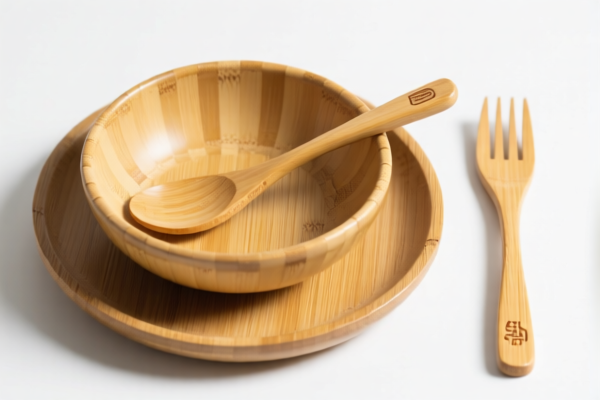
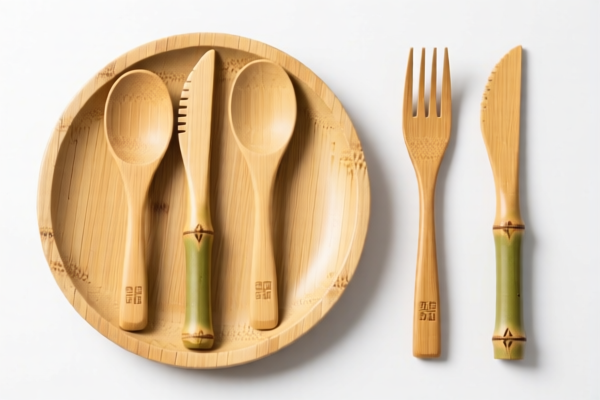
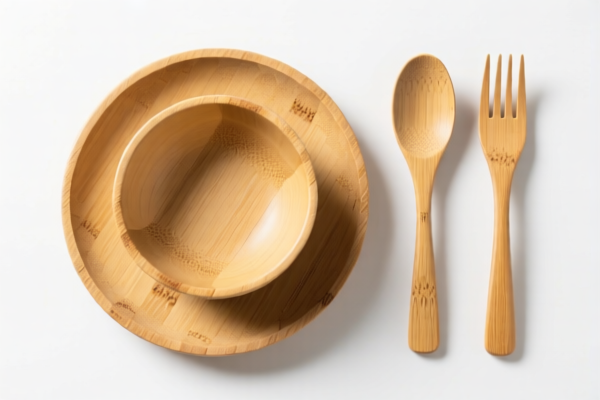
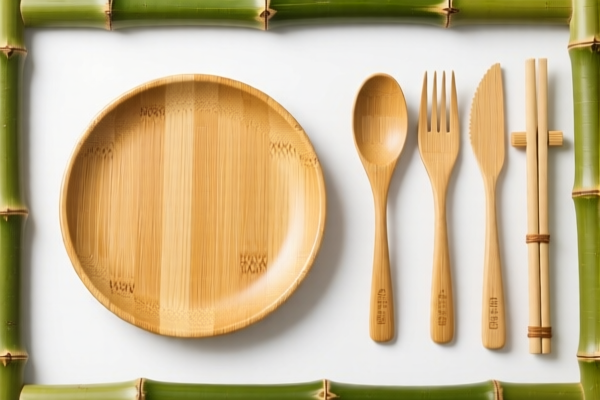
AI分析
🎋 Bamboo Disposable Plates (Biodegradable)
🌐 HS Code Reference & Customs Clearance Guide | 2026 Latest Tariff Analysis | Professional Compliance Strategy
📌 I. Product Definition & Classification: What Exactly Are "Bamboo Plates"?
Bamboo disposable plates are eco-friendly tableware made from bamboo fibers or processed bamboo sheets. In international trade, they fall under two main categories based on manufacturing method and material structure:
Paper/Pulp Products (Chapter 48): Plates made from bamboo pulp, pressed into shape, similar to paper plates but with bamboo content. Basketware/Woven Products (Chapter 46): Plates made from woven bamboo strips or processed bamboo fibers, retaining the structural integrity of natural fibers.
⚠️ Key Distinction Point:
- If the plate is made from bamboo pulp/paper (molded fiber) → It falls under HS Code 4823 (Paper/Pulp products).
- If the plate is woven or made from processed bamboo strips (biodegradable woven structure) → It falls under HS Code 4602 (Basketware/Plaiting products).
- Crucial: Even if "biodegradable," the physical form determines the chapter, not just the material.
📦 II. HS Code Classification Details (2026 Latest Tariff Authority Comparison)
| HS Code | Product Description | Application Scenario | Material/Structure Match |
|---|---|---|---|
4823.61.00.20 |
Bamboo disposable plates, classified as bamboo food containers | Molded bamboo pulp plates, single-use food service | ✅ Yes (Paper/Pulp category) |
4823.61.00.40 |
Bamboo plates, material and form match, no conflict | Generic bamboo fiber plates, non-woven | ✅ Yes (Paper/Pulp category) |
4602.11.07.00 |
Bamboo woven products, suitable for disposable plates & biodegradable attributes | Woven bamboo strip plates, traditional style | ✅ Yes (Basketware category) |
4602.11.09.00 |
Other bamboo products, applicable to biodegradable plates, no obvious material conflict | Other processed bamboo fiber plates not specified elsewhere | ✅ Yes (Basketware category) |
🔍 Key Reminder:
- "Disposable" does not automatically mean "Paper" (Ch 48). If it's woven, it's Ch 46.
- Biodegradability is a marketing claim, not a tariff determinant. The physical construction dictates the HS Code.
- Codes4823.61.00.20and4823.61.00.40are often used interchangeably for molded bamboo plates depending on specific sub-classification nuances in import declarations.
💰 III. 2026 Latest Tariff Rate Details (Including Additional Taxes, Policy Add-ons)
✅ Applicable Country: United States (US)
✅ Origin: China (CN)
✅ Effective Date: November 10, 2025 onwards (including subsequent imports)
🎯 1. 4823.61.00.20 & 4823.61.00.40 —— Bamboo Disposable Plates (Paper/Pulp Category)
| Item | Content |
|---|---|
| Basic Tariff Rate | 0% (ad valorem) |
| Section 301 Additional Tariff | +25% (From USITC Footnote 9903.88.01) |
| Section 122 Tariff (IEEPA) | +10% (For China/HK products, effective Nov 10, 2025) |
| Total Tariff Rate | 35% |
| Tax Calculation | CIF Value × 35% |
| De Minimis Exemption Eligible? | ❌ No (deny_de_minimis) |
| Legal Basis Path | IEEPA:9903.01.25 → IEEPA:9903.01.24 → USITC:4823.61.00.20 → FOOTNOTE:9903.88.01 |
📌 Explanation:
- The "25% Section 301 Tariff" is applied to a wide range of Chinese imports, including paper/pulp tableware.
- The "10% Section 122 Tariff" is a new additional levy targeting Chinese products under the International Emergency Economic Powers Act.
- Combined Rate: 35%. This is a high tariff that must be factored into pricing strategies.
🎯 2. 4602.11.07.00 —— Bamboo Woven Products
| Item | Content |
|---|---|
| Basic Tariff Rate | 0% (ad valorem) |
| Section 301 Additional Tariff | +25% |
| Section 122 Tariff (IEEPA) | +10% |
| Total Tariff Rate | 35% |
| Tax Calculation | CIF Value × 35% |
| De Minimis Exemption Eligible? | ❌ No (deny_de_minimis) |
| Legal Basis Path | IEEPA:9903.01.25 → IEEPA:9903.01.24 → USITC:4602.11.07.00 → FOOTNOTE:9903.88.01 |
📌 Note:
- Same tax structure as the paper/pulp category.
- Woven bamboo products are not exempt from Section 301.
🎯 3. 4602.11.09.00 —— Other Bamboo Products
| Item | Content |
|---|---|
| Basic Tariff Rate | 10% (ad valorem) |
| Section 301 Additional Tariff | +25% |
| Section 122 Tariff (IEEPA) | +10% |
| Total Tariff Rate | 45% |
| Tax Calculation | CIF Value × 45% |
| De Minimis Exemption Eligible? | ❌ No (deny_de_minimis) |
| Legal Basis Path | IEEPA:9903.01.25 → IEEPA:9903.01.24 → USITC:4602.11.09.00 → FOOTNOTE:9903.88.01 |
📌 Warning:
- This code has a higher base rate (10%) because it is a "catch-all" for bamboo products not specifically listed elsewhere.
- Total Rate: 45%. This is the most expensive classification. Avoid this code if possible by ensuring the product fits4602.11.07.00(woven) or4823(pulp).
🛠️ IV. Customs Clearance Practical Advice (Real-World Pitfall Avoidance)
✅ 1. Documentation Checklist (Missing Any = Delays)
| Document | Required | Explanation |
|---|---|---|
| ✅ Product Specifications | ✔️ | Must specify: Material (Bamboo Pulp vs. Woven), Dimensions, Biodegradable Claim |
| ✅ Material Composition Report | ✔️ | Proof of bamboo content vs. any binders/adhesives used |
| ✅ Product Photos (Clear) | ✔️ | Show texture (woven vs. molded), branding, and any certifications |
| ✅ Third-Party Test Reports | ✔️ | FDA Food Contact, ASTM D6400 (Compostable), or ISO 17088 (Biodegradable) |
| ✅ Commercial Invoice | ✔️ | Clearly state "Bamboo Disposable Plates" and HS Code |
| ✅ Packing List | ✔️ | Detail weight, quantity, and carton dimensions |
✅ 2. Declaration Tips (Key Mnemonics)
🔥 "Structure Defines Code, Bio is Marketing, 35% is Standard, 45% is Risk!"
| Scenario | Correct Declaration | Wrong Practice |
|---|---|---|
| Molded Bamboo Pulp Plates | 4823.61.00.20 or 4823.61.00.40 |
Misclassified as woven → 45% |
| Woven Bamboo Strip Plates | 4602.11.07.00 |
Misclassified as "other" → 45% |
| Unspecified Bamboo Plates | Avoid 4602.11.09.00 unless necessary |
Using catch-all code → Highest tax |
| Mixed Pack (Plates + Cups) | Declare separately if possible | Mixed HS Code → Potential audit |
✅ 3. Special Cases Handling
| Scenario | Recommendation |
|---|---|
| OEM Custom Plates | Provide design drawings to prove "woven" or "molded" structure |
| Biodegradable Certification | Provide ASTM D6400 report to support eco-friendly claims, but note it doesn't change HS Code |
| Food Contact Safety | Ensure FDA compliance documentation is ready; customs may request proof of food-safe materials |
| Bulk vs. Retail Packaging | Declare as bulk if shipped in master cartons; retail packaging may require additional labeling compliance |
🌍 V. Global Market Comparison (2026 Latest)
| Country/Region | Recommended HS Code | Tariff | Certification | Notes |
|---|---|---|---|---|
| 🇺🇸 USA | 4823.61.00.20 / 4602.11.07.00 |
35% (China Origin) | FDA + ASTM D6400 | 45% for misclassified |
| 🇨🇳 China | 4823.61.00.20 / 4602.11.07.00 |
5-10% | CCC (if applicable) | No additional tariffs |
| 🇪🇺 EU | 4823.69 / 4602.11 |
0-5% (if GSP/EPA) | CE + LFGB | Strict food contact rules |
| 🇬🇧 UK | 4823.69 / 4602.11 |
5-10% | UKCA | Post-Brexit regulations |
| 🇦🇺 Australia | 4823.69 / 4602.11 |
5% | RCM | No special add-ons |
📌 Conclusion:
- USA imposes the highest barriers with 35-45% total tariffs.
- EU and UK are stricter on food safety (LFGB/FDA equivalents) but lower on tariffs.
- Cost competitiveness in the US market is severely impacted by the 35-45% tariff.
📌 VI. Common Mistakes & Pitfall Guide (Lessons Learned)
❌ Mistake 1: Using "Biodegradable" as the sole description
👉 Consequence: Customs may reject vague declarations → Delay + Inspection
❌ Mistake 2: Classifying woven plates as paper products (4823)
👉 Consequence: Potential misclassification audit → Penalties + Back Taxes
❌ Mistake 3: Using the "Other" code (4602.11.09.00) when a specific code exists
👉 Consequence: Unnecessarily high tax rate (45% vs 35%) → Profit Erosion
❌ Mistake 4: Ignoring Section 122 Tariff
👉 Consequence: Underpayment by 10% → Seizure + Fines
✅ Correct Practice:
"Molded Bamboo Pulp Plates, 9-inch, Biodegradable, FDA Compliant, Model XYZ"
or
"Woven Bamboo Strip Plates, 9-inch, Traditional Style, Biodegradable, Model ABC"
🎯 VII. Conclusion: Professional Classification Saves Money!
🎯 Remember the Mnemonic:
🔹 "Molded = 4823 (35%), Woven = 4602.07 (35%), Other = 4602.09 (45%)"
🔹 "HS Code is King, Tariff is Queen, Misclassification is Death!"
📌 Pro Tip:
If your bamboo plates are originally from Vietnam, Malaysia, or Indonesia, you may avoid Section 301 and Section 122 tariffs, reducing the rate to basic tariff only (0-10%).
Consider supply chain diversification or final assembly in third-party countries to mitigate US tariff risks.
📣 Call to Action:
📞 Consult with a licensed customs broker + Provide product samples + Apply for Advance Ruling
🚀 Ensure your bamboo plates clear customs smoothly, maximize profit, and stay compliant!
✨ Professional Clearance Starts with Accurate Classification!
💼 Every Dollar Saved in Tariffs is Pure Profit!
用户评价
关于 HS 编码归类
协调制度(HS)是由世界海关组织(WCO)制定的国际贸易商品分类标准。全球 200 多个国家采用 HS 系统作为海关关税、贸易统计和进出口监管的基础。
每个 HS 编码遵循以下层级结构:
- 章(2 位)——商品大类(例如:第 84 章:机器和机械设备)
- 品目(4 位)——章内的更具体分类
- 子目(6 位)——国际通用细分,所有 WCO 成员国统一使用
- 本国细分(8-10 位)——各国自行扩展的细分编码,如美国 HTSUS 10 位编码
正确的 HS 编码归类对于顺利通关、准确缴纳关税和遵守贸易法规至关重要。错误归类可能导致海关延误、多缴关税或罚款。
从CN进口到US时,适用的关税税率可能包括:
- 最惠国(MFN)税率——适用于 WTO 成员国的标准关税税率
- 普通税率——适用于无贸易协定国家
- 贸易救济关税——附加关税,如 301 条款(反倾销)、232 条款(国家安全)或反补贴税
本页内容仅供参考。如需正式归类,请咨询当地海关或持牌报关代理。