Bamboo Fish Trap
CN → US| HS编码 | 关税税率 | 原产国 | 目的国 | 文档 |
|---|---|---|---|---|
| 4602110500 | 40.0% | CN | US | 官方文档 |
| 4602190500 | 40.0% | CN | US | 官方文档 |
商品图片
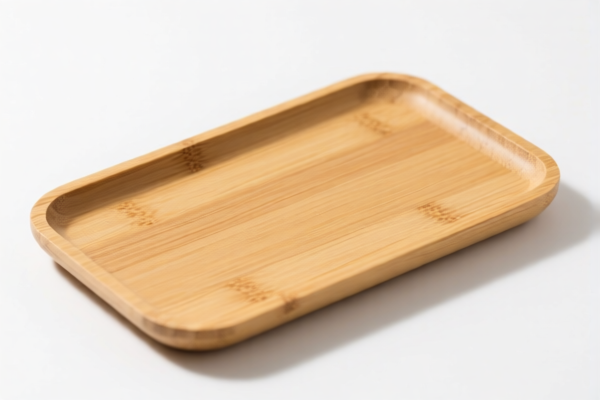
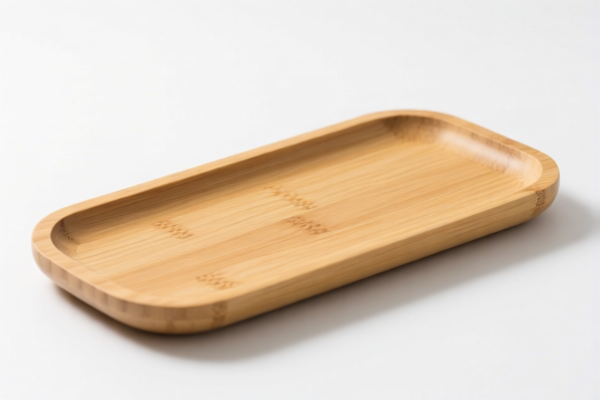
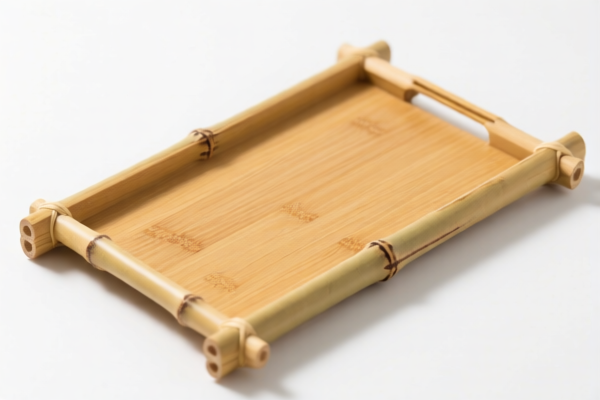
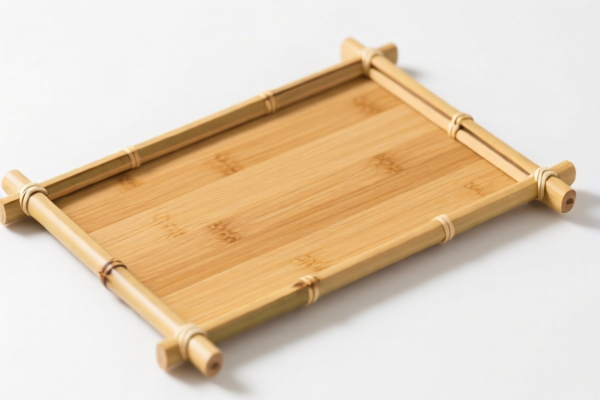
AI分析
🎣 Bamboo Fish Trap (Fishing Baskets/Creels)
🌐 HS Code Reference & Customs Clearance Guide | 2026 Latest Tariff Analysis | Professional Clearance Strategy
📌 Part 1: Product Definition and Classification: What Exactly is a "Bamboo Fish Trap"?
A Bamboo Fish Trap is a traditional, handcrafted fishing device made from plaited bamboo strips or other vegetable materials. In international trade, these items are classified under Chapter 46 (Articles of vegetable plaiting materials; basketwork, wickerwork and other articles).
The critical distinction in classification lies in the material and the specific use: * Material: Specifically made from Bamboo (a vegetable material). * Product Type: Specifically designed as Fishing baskets or creels (traps), not general storage baskets. * Structure: Made directly to shape from plaiting materials or made up from such articles.
⚠️ Key Distinction:
- If made from Bamboo and used for fishing → Classified under 4602.11 or 4602.19 depending on the specific sub-category definition in the local tariff schedule.
- If made from Rattan, Wicker, or other vegetable materials (not bamboo) → May fall under different sub-headings.
- If used for general storage (not fishing) → Different HS code entirely.
📦 Part 2: HS Code Classification Details (2026 Latest Tariff Authority Comparison)
Based on the provided data, there are two specific HS codes for Bamboo Fishing Traps, differentiated by the specific regulatory sub-heading (likely reflecting regional tariff schedules or specific material nuances in the source data).
| HS Code | Product Description | Applicable Scenario | Key Characteristics |
|---|---|---|---|
4602.11.05.00 |
Basketwork, wickerwork... Of vegetable materials: Of bamboo: Fishing baskets or creels | Bamboo-made fishing traps | ✅ Bamboo Material ✅ Fishing Use ❌ Subject to Additional Tariffs |
4602.19.05.00 |
Basketwork, wickerwork... Of vegetable materials: Other: Fishing baskets or creels | General vegetable material fishing traps (Note: Data shows 0% tax, potentially covering non-bamboo or specific exempted categories) | ✅ Fishing Use ❌ May Not Be Bamboo (or exempt category) ✅ Zero Additional Tariffs |
🔍 Important Note on the Provided Data:
The data explicitly lists4602.11.05.00for Bamboo fishing baskets and4602.19.05.00for Other vegetable material fishing baskets.
- If your product is explicitly made of Bamboo, you must use4602.11.05.00.
- If your product is made of other vegetable materials (e.g., rattan, reed, grass) but functions as a fish trap, you may qualify for4602.19.05.00, which currently shows 0% total tax in the provided dataset.
- Misclassification Risk: Declaring a bamboo product under "Other" (4602.19) to avoid tariffs can lead to severe penalties.
💰 Part 3: 2026 Latest Tariff Rate Detailed Breakdown
✅ Applicable Country: United States (US) (Inferred from "Additional Tariffs" structure typical of US-China trade data)
✅ Origin: China (CN) (Inferred from "Additional Tariffs" context)
✅ Effective Time: Current active rates
🎯 1. 4602.11.05.00 —— Bamboo Fishing Baskets or Creels
| Item | Detail |
|---|---|
| Base Tariff Rate | 5.0% (Ad Valorem) |
| Additional Tariff (Section 301) | 25.0% |
| Total Tax Rate | 30.0% |
| Tax Calculation | CIF Value × 30.0% |
| De Minimis Exemption | ❌ Not Applicable (General merchandise over $800 is subject to full duty) |
| Legal Basis | HTSUS 4602.11.05.00 + Section 301 List 3/4 (Subject to change based on current enforcement) |
📌 Explanation:
- The 5.0% is the standard Most Favored Nation (MFN) duty for basketwork of bamboo.
- The 25.0% is the additional duty imposed under Section 301 of the Trade Act of 1974 on specific Chinese imports.
- Total Cost: You pay 30% on the landed value of the bamboo fish traps. This is a high tariff for a simple handicraft item.
🎯 2. 4602.19.05.00 —— Other Vegetable Material Fishing Baskets
| Item | Detail |
|---|---|
| Base Tariff Rate | 0.0% |
| Additional Tariff | 0.0% |
| Total Tax Rate | 0.0% |
| Tax Calculation | $0 |
| De Minimis Exemption | ✅ Applicable if under $800 (but generally 0% regardless) |
| Legal Basis | HTSUS 4602.19.05.00 |
📌 Explanation:
- This code applies to fishing baskets made from other vegetable materials (not bamboo).
- Strategic Opportunity: If possible, changing the material from Bamboo to another eligible vegetable material (e.g., rattan, seagrass, etc.) that falls under "Other" could reduce your tariff from 30% to 0%.
- ⚠️ Warning: This must be done based on actual material composition, not just declaration. Customs will inspect the product. If it is bamboo, using this code is fraud.
🛠️ Part 4: Customs Clearance Practical Advice (Pitfall Avoidance Guide)
✅ 1. Documentation Checklist (Must-Have)
| Document | Required | Purpose |
|---|---|---|
| ✅ Product Specification | ✔️ | Clearly state material (e.g., "100% Moso Bamboo") and use (e.g., "For catching fish"). |
| ✅ Material Composition Statement | ✔️ | Critical for distinguishing between 4602.11 (Bamboo) and 4602.19 (Other). |
| ✅ Product Photos | ✔️ | Show close-ups of the weave to prove it is plaited vegetable material. |
| ✅ Commercial Invoice | ✔️ | Description must match HS code: "Bamboo Fishing Trap" vs "Wicker Fishing Basket". |
| ✅ Packing List | ✔️ | Weight and dimensions for customs verification. |
✅ 2. Declaration Tips (Key Mantras)
🔥 "Material Defines Code, Use Defines Sub-Code, Accuracy Saves 30%!"
| Scenario | Correct Declaration | Wrong Declaration | Consequence |
|---|---|---|---|
| Product is Bamboo | HS: 4602.11.05.00 Desc: "Bamboo Fishing Trap" |
HS: 4602.19.05.00 Desc: "Vegetable Fiber Basket" |
Severe Penalty: Audits, back duties, fines, potential seizure. |
| Product is Rattan/Reed | HS: 4602.19.05.00 Desc: "Rattan Fishing Trap" |
HS: 4602.11.05.00 Desc: "Bamboo Fishing Trap" |
Overpayment: You pay 30% instead of 0%. |
| Product is for Decor | Different HS Code (e.g., 4602.19.05.00 may not apply if not for fishing) |
HS: 4602.19.05.00 Desc: "Fishing Trap" |
Misuse: Customs may reclassify and apply different duties. |
✅ 3. Special Handling Cases
| Case | Recommendation |
|---|---|
| Mixed Materials | If the trap is 90% bamboo and 10% wire, it is still classified as Bamboo (Chapter 46). The tariff remains 30%. |
| Finished vs. Semi-Finished | If sold as pre-assembled traps, declare as 4602. If sold as kits, consult a customs broker; parts may be classified separately. |
| Samples | Even samples can be subject to duty if declared for commercial resale. For personal samples, use courier services with proper de minimis handling. |
🌍 Part 5: Global Market Comparison (2026 Latest)
| Country/Region | Recommended HS Code | Tariff (China Origin) | Certification/Notes |
|---|---|---|---|
| 🇺🇸 USA | 4602.11.05.00 (Bamboo) |
30% (5% Base + 25% Add.) | Strict material verification. |
| 🇺🇸 USA | 4602.19.05.00 (Other) |
0% | Only if NOT bamboo. |
| 🇨🇳 China | 4602.11 |
Low/Zero | Export from China. |
| 🇪🇺 EU | 4602.11 |
5-10% | No Section 301 tariffs. |
| 🇬🇧 UK | 4602.11 |
5-10% | Post-Brexit tariff schedule. |
📌 Conclusion:
- The US is the only market in this dataset with high additional tariffs on bamboo products.
- EU/UK do not have the 25% Section 301 tariff, making them much cheaper to import bamboo fish traps into (approx. 5-10% total vs 30% in US).
- Supply Chain Strategy: If targeting the US market, consider material substitution (if design allows) or warehousing in third countries (though rules of origin must be carefully managed to avoid transshipment violations).
📌 Part 6: Common Errors & Pitfall Guide (Lessons Learned)
❌ Error 1: Declaring Bamboo Traps as "Wickerware" to avoid the 25% tariff.
👉 Consequence: Customs inspection reveals bamboo fibers. Penalty: 30% back-taxes + fines + possible criminal charges for fraud.
❌ Error 2: Using "Fishing Trap" description for decorative baskets.
👉 Consequence: Misclassification. Decorative baskets may have different duty rates or regulatory requirements.
❌ Error 3: Ignoring the "Bamboo" label in the description.
👉 Consequence: Ambiguity leads to customs holding goods for inspection, causing delays and demurrage fees.
✅ Correct Action:
"Handmade Bamboo Fish Trap, Plaited, for Commercial Fishing Use, Country of Origin: China, Material: 100% Bamboo"
🎯 Part 7: Conclusion: Smart Classification Saves Money!
🎯 Remember the Mantra:
🔹 "Bamboo = 30% in US; Other = 0% in US; Declare Accurately!"
🔹 "Material is Key; Use is Secondary; Don't Gamble with Fraud!"
📌 Pro Tip:
If you are shipping less than $800 (de minimis threshold) to the US via postal/courier, duties may not be collected, but this does not apply to commercial bulk shipments. For commercial imports, plan for the 30% tariff if using bamboo.
📣 Immediate Action:
📞 Consult a Customs Broker: Confirm the exact material composition.
📊 Analyze Supply Chain: Can you switch to non-bamboo vegetable materials to save 30%?
🚀 Optimize Costs: If staying with bamboo, calculate the 30% impact on your profit margin.
✨ Professional Clearance Starts with Accurate Classification!
💼 Your Cost Savings Are Worth the Extra Minute of Verification!
用户评价
关于 HS 编码归类
协调制度(HS)是由世界海关组织(WCO)制定的国际贸易商品分类标准。全球 200 多个国家采用 HS 系统作为海关关税、贸易统计和进出口监管的基础。
每个 HS 编码遵循以下层级结构:
- 章(2 位)——商品大类(例如:第 84 章:机器和机械设备)
- 品目(4 位)——章内的更具体分类
- 子目(6 位)——国际通用细分,所有 WCO 成员国统一使用
- 本国细分(8-10 位)——各国自行扩展的细分编码,如美国 HTSUS 10 位编码
正确的 HS 编码归类对于顺利通关、准确缴纳关税和遵守贸易法规至关重要。错误归类可能导致海关延误、多缴关税或罚款。
从CN进口到US时,适用的关税税率可能包括:
- 最惠国(MFN)税率——适用于 WTO 成员国的标准关税税率
- 普通税率——适用于无贸易协定国家
- 贸易救济关税——附加关税,如 301 条款(反倾销)、232 条款(国家安全)或反补贴税
本页内容仅供参考。如需正式归类,请咨询当地海关或持牌报关代理。