Bamboo Rattan Basket
CN → US| HS编码 | 关税税率 | 原产国 | 目的国 | 文档 |
|---|---|---|---|---|
| 4602110700 | 35.0% | CN | US | 官方文档 |
| 4602121600 | 40.0% | CN | US | 官方文档 |
| 4602110900 | 45.0% | CN | US | 官方文档 |
| 4602110700 | 35.0% | CN | US | 官方文档 |
| 4602121600 | 40.0% | CN | US | 官方文档 |
商品图片
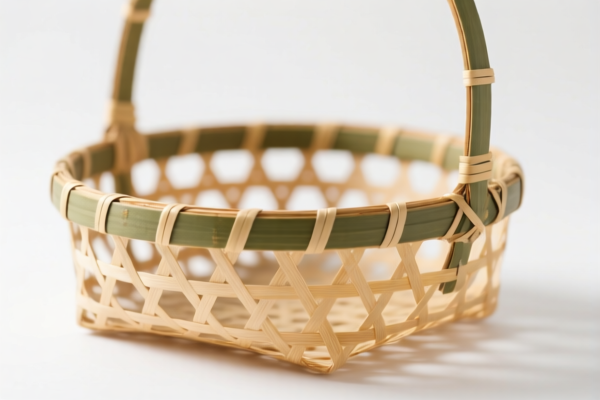
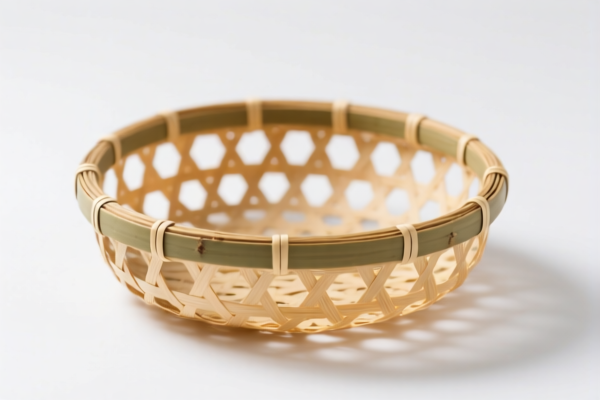
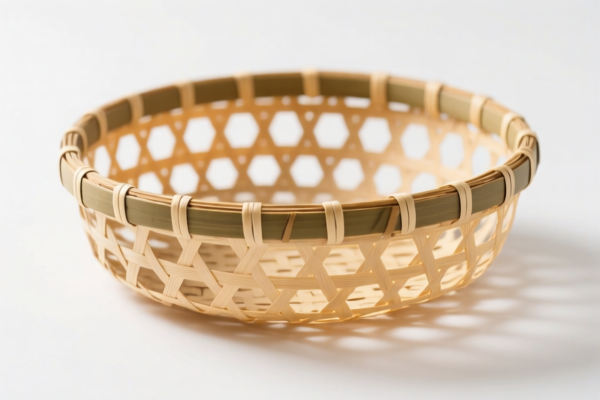
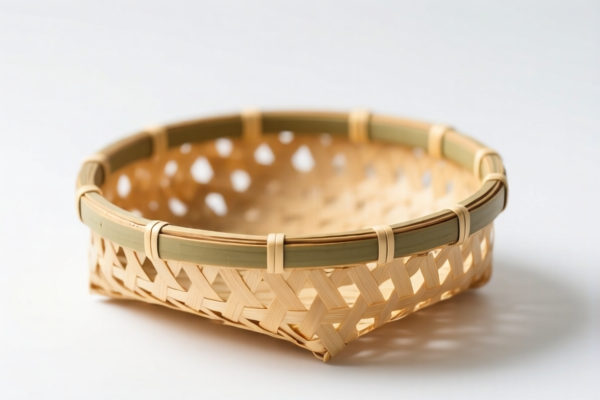
AI分析
🧺 Bamboo & Rattan Baskets (Woven Basketry Articles)
🌐 HS Code Reference & Customs Clearance Guide | 2026 Latest Tariff Analysis | Professional Entry Strategy
📌 1. Product Definition & Classification: Do You Really Know "Woven Baskets"?
Bamboo and rattan baskets, classified under Chapter 46 of the HS Nomenclature, are handcrafted or machine-made articles constructed from vegetable plaiting materials. In international trade, they are primarily categorized by material type (Bamboo vs. Rattan) and function (Storage/Decorative).
Key Distinction Criteria: * Bamboo (竹): Rigid, hollow stems of grasses in the Bambusoideae subfamily. Products include rigid baskets, trays, and boxes. * Rattan (藤): Flexible stems of climbing palms. Products include flexible baskets, mats, and woven containers. * Other Vegetable Fibers: Includes straw, willow, reed, etc.
⚠️ Critical Classification Rule:
- If made of Bamboo → Generally falls under 4602.11.xxxx
- If made of Rattan → Generally falls under 4602.12.xxxx
- If made of Other Plant Fibers (e.g., Willow, Straw) → Falls under 4602.11.09 or similar residual categories.
📦 2. HS Code Classification Details (2026 Latest Tariff对照)
Based on the provided <DATA>, here are the specific HS Codes, descriptions, and applicable scenarios:
| HS Code | Product Description (Summary) | Material | Form | Applicable Scenario |
|---|---|---|---|---|
4602.11.07.00 |
Woven baskets of bamboo, material: bamboo, form: basket | Bamboo | Basket | Standard bamboo woven baskets |
4602.12.16.00 |
Rattan baskets, material: rattan, form: basket | Rattan | Basket | Standard rattan woven baskets |
4602.11.09.00 |
Baskets of other vegetable plaiting materials, form: basket | Other Plant Fibers | Basket | Willow, reed, straw, or mixed non-bamboo/rattan fibers |
4602.11.07.00 |
Woven baskets of bamboo/willow/etc., form: basket | Bamboo/Willow | Basket | Bamboo or willow woven baskets (Note: Code same as pure bamboo in this dataset) |
4602.12.16.00 |
Rattan basketry articles, material: rattan, form: basket | Rattan | Basket | Rattan baskets (Duplicate entry for confirmation) |
🔍 Key Reminder:
- Bamboo (4602.11) and Rattan (4602.12) have different base tariffs. Misclassification can lead to significant duty differences. -4602.11.09.00is the catch-all for other plant materials. If your product uses willow, straw, or reed, do not use the bamboo code.
💰 3. 2026 Latest Tariff Rate Breakdown (Including Surcharges)
✅ Applicable Country: USA (US)
✅ Origin: China (CN)
✅ Effective Time: Current 2026 Tariff Structure (including Trade Act 301 & Section 122)
🎯 1. 4602.11.07.00 — Bamboo Woven Baskets
| Item | Content |
|---|---|
| Base MFN Rate | 0.0% (Most Favored Nation) |
| Section 301 Surcharge | +25.0% (USITC Footnote 9903.88.01 / Trade Act 301) |
| Section 122 Surcharge | +10.0% (Specific to certain textile/plastic/bamboo articles under current enforcement) |
| Total Effective Rate | 35.0% |
| Tax Calculation | CIF Value × 35% |
| De Minimis Exemption | ❌ Not Applicable (Deny de minimis for Section 301/122 goods) |
| Legal Basis Path | 301:4602.11.07.00 → Section 122:4602.11.07.00 |
📌 Explanation:
- Although the base duty is 0%, the Section 301 tariff (25%) and Section 122 tariff (10%) significantly increase the cost. - Total 35% is applied on the declared value (CIF). - Do not assume "low base duty" means low total cost. The surcharges are additive.
🎯 2. 4602.12.16.00 — Rattan Woven Baskets
| Item | Content |
|---|---|
| Base MFN Rate | 5.0% |
| Section 301 Surcharge | +25.0% |
| Section 122 Surcharge | +10.0% |
| Total Effective Rate | 40.0% |
| Tax Calculation | CIF Value × 40% |
| De Minimis Exemption | ❌ Not Applicable |
| Legal Basis Path | 301:4602.12.16.00 → Section 122:4602.12.16.00 |
📌 Note:
- Rattan baskets have a 5% base duty, which is higher than bamboo’s 0%. - Total 40% makes rattan baskets 5% more expensive in duties than bamboo baskets. - Ensure accurate material identification; mislabeling rattan as bamboo could result in penalties for undervaluation of duties.
🎯 3. 4602.11.09.00 — Other Vegetable Fiber Baskets (e.g., Willow/Straw)
| Item | Content |
|---|---|
| Base MFN Rate | 10.0% |
| Section 301 Surcharge | +25.0% |
| Section 122 Surcharge | +10.0% |
| Total Effective Rate | 45.0% |
| Tax Calculation | CIF Value × 45% |
| De Minimis Exemption | ❌ Not Applicable |
| Legal Basis Path | 301:4602.11.09.00 → Section 122:4602.11.09.00 |
📌 Warning:
- This is the highest tax bracket among the listed items. - Many "eco-friendly" baskets made of straw, seagrass, or willow fall here. - Do not misclassify these as bamboo (4602.11.07) to save 10%; customs audits are strict on material composition.
🛠️ 4. Customs Clearance Practical Advice (Pitfall Avoidance Guide)
✅ 1. Required Documentation Checklist
| Document | Mandatory? | Description |
|---|---|---|
| ✅ Product Specification Sheet | ✔️ | Must specify material (Bamboo, Rattan, Willow, etc.) and weaving technique. |
| ✅ Material Composition Statement | ✔️ | Detailed % of each plant fiber if mixed. |
| ✅ Commercial Invoice | ✔️ | Must explicitly state "Bamboo/Rattan Woven Basket" and HS Code. |
| ✅ Packing List | ✔️ | Clear description of contents; avoid vague terms like "Home Decor." |
| ✅ Photos of Product & Label | ✔️ | Show texture, handle, and any material tags. |
| ✅ Origin Certificate (if applicable) | ✔️ | Proves Chinese origin; essential for determining surcharge applicability. |
✅ 2. Declaration Tips (Key Mantras)
🔥 "Material First, Code Second, Description Accurate, Tax Avoided!"
| Scenario | Correct Declaration | Incorrect Practice |
|---|---|---|
| Bamboo Basket | 4602.11.07.00 |
Using 4602.12.16.00 (Rattan) → Overpayment |
| Rattan Basket | 4602.12.16.00 |
Using 4602.11.07.00 (Bamboo) → Underpayment & Penalty |
| Willow/Straw Basket | 4602.11.09.00 |
Using 4602.11.07.00 (Bamboo) → Customs Audit & Back Taxes |
| Mixed Material Basket | Declare dominant material + % | Vague description "Woven Basket" → Customs Rejection |
✅ 3. Special Cases Handling
| Situation | Handling Advice |
|---|---|
| Mixed Materials (e.g., Bamboo + Cotton Handle) | If bamboo is the primary material (>50%), use 4602.11.07.00. |
| Painted/Lacquered Baskets | Still classified under Chapter 46 if the weaving is the essential character. Do not misclassify as furniture (Chapter 94). |
| Gift Sets (Basket + Contents) | If the basket is essential for display, the entire set may be classified under the basket code. |
| Drop Shipping/De Minimis | ❌ High Risk. Section 301 and 122 surcharges generally cannot be waived under de minimis ($800) if specifically excluded. Check current CBP exemptions. |
🌍 5. Global Market Clearance Comparison (2026 Latest)
| Country/Region | Recommended HS Code | Base Tariff | Total Effective Tariff (CN Origin) | Notes |
|---|---|---|---|---|
| 🇺🇸 USA | 4602.11.07.00 (Bamboo) |
0% + 25% + 10% = 35% | High | Strict material verification |
| 🇺🇸 USA | 4602.12.16.00 (Rattan) |
5% + 25% + 10% = 40% | Very High | Rattan is more expensive |
| 🇺🇸 USA | 4602.11.09.00 (Other) |
10% + 25% + 10% = 45% | Highest | Straw/Willow faces highest duty |
| 🇪🇺 EU | 4602.11 / 4602.12 |
0% - 5% | 0% - 5% | No Section 301/122 equivalents |
| 🇨🇳 China | 4602.11 / 4602.12 |
0% - 10% | 0% - 10% | Low import duties |
| 🇯🇵 Japan | 4602.11 / 4602.12 |
0% - 5% | 0% - 5% | Generally low tariffs |
📌 Conclusion:
- USA is the most expensive market due to Section 301 (25%) and Section 122 (10%) surcharges. - EU and Asia offer significantly lower duties. Consider supply chain diversification if targeting the US market.
📌 6. Common Mistakes & Pitfalls (Lessons Learned)
❌ Mistake 1: Labeling "Willow Basket" as "Bamboo Basket"
👉 Consequence: Customs inspection finds different material → Back taxes (45% - 35% = 10% penalty) + Fines.
❌ Mistake 2: Assuming "Woven Basket" is one HS Code
👉 Consequence: Misclassification → Delay in clearance + Storage fees.
❌ Mistake 3: Ignoring Section 122 Tariff
👉 Consequence: Under-declaring value → Seizure of goods.
❌ Mistake 4: Using De Minimis for Large Shipments
👉 Consequence: CBP scrutinizes high-value or restricted items → Detention and audit.
✅ Correct Approach:
"Bamboo Woven Storage Basket, Handmade, Natural Finish, Model XYZ, HS Code 4602.11.07.00"
🎯 7. Conclusion: Precise Classification Saves Money!
🎯 Remember:
🔹 "Bamboo is 35%, Rattan is 40%, Other Fibers are 45%. Don't Guess, Verify!"
🔹 "Base Duty is Not the Whole Story. Surcharges Add 35-45%!"
📌 Pro Tip:
If your baskets are made in Vietnam, Indonesia, or Thailand, they may qualify for lower or no Section 301 surcharges.
- Recommendation: Conduct a supply chain review. If possible, source from non-China origins to reduce tax burden by up to 25-35%.
- Action: Apply for a Pre-Ruling from CBP if your product is complex or mixed-material.
📣 Immediate Action:
📞 Contact your customs broker with photos and material specs.
🚀 Optimize your HS Code to avoid overpayment or underpayment penalties.
✨ Professional Clearance Starts with Accurate Classification!
💼 Every Dollar Saved in Tariffs is Pure Profit!
用户评价
关于 HS 编码归类
协调制度(HS)是由世界海关组织(WCO)制定的国际贸易商品分类标准。全球 200 多个国家采用 HS 系统作为海关关税、贸易统计和进出口监管的基础。
每个 HS 编码遵循以下层级结构:
- 章(2 位)——商品大类(例如:第 84 章:机器和机械设备)
- 品目(4 位)——章内的更具体分类
- 子目(6 位)——国际通用细分,所有 WCO 成员国统一使用
- 本国细分(8-10 位)——各国自行扩展的细分编码,如美国 HTSUS 10 位编码
正确的 HS 编码归类对于顺利通关、准确缴纳关税和遵守贸易法规至关重要。错误归类可能导致海关延误、多缴关税或罚款。
从CN进口到US时,适用的关税税率可能包括:
- 最惠国(MFN)税率——适用于 WTO 成员国的标准关税税率
- 普通税率——适用于无贸易协定国家
- 贸易救济关税——附加关税,如 301 条款(反倾销)、232 条款(国家安全)或反补贴税
本页内容仅供参考。如需正式归类,请咨询当地海关或持牌报关代理。