Base Metal Foil
CN → US| HS编码 | 关税税率 | 原产国 | 目的国 | 文档 |
|---|---|---|---|---|
| 8101991000 | 41.5% | CN | US | 官方文档 |
| 8101998000 | 38.7% | CN | US | 官方文档 |
| 7607116090 | 40.3% | CN | US | 官方文档 |
| 7607119090 | 13.0% | CN | US | 官方文档 |
| 7410110000 | 86.0% | CN | US | 官方文档 |
| 7410120030 | 86.0% | CN | US | 官方文档 |
商品图片
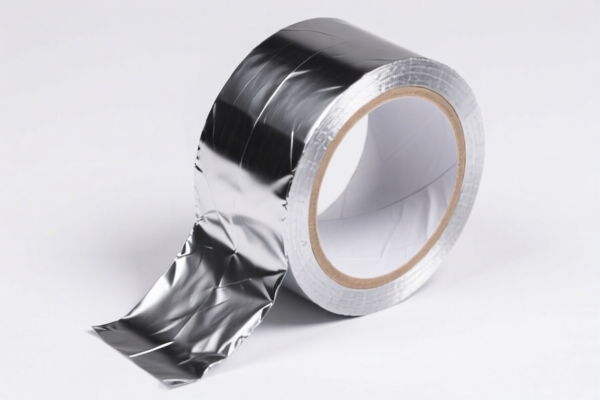
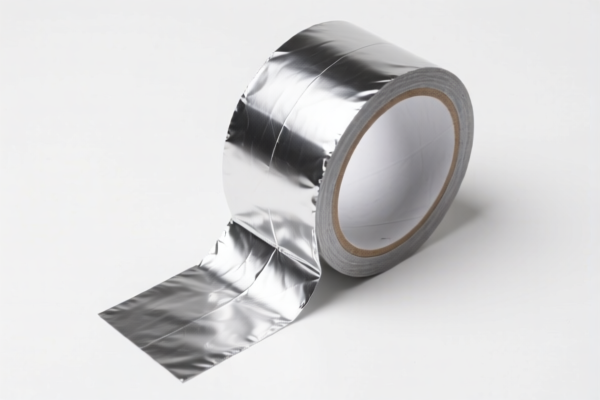
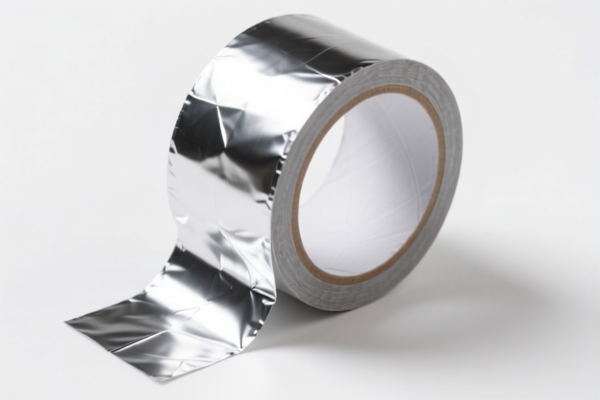
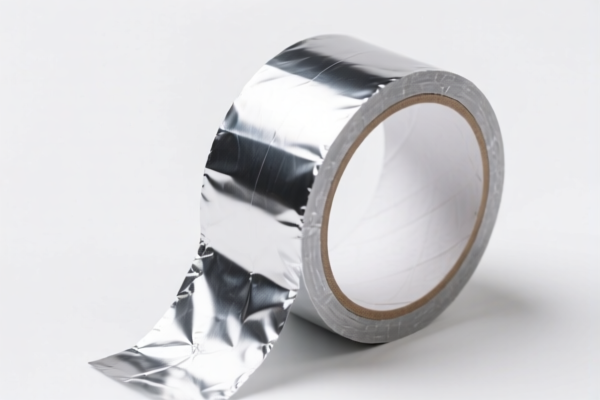
AI分析
🛡️ Base Metal Foil (Tungsten, Aluminum, Copper)
🌐 HS Code Reference & Customs Clearance Guide | 2026 Latest Tariff Analysis | Professional Entry Strategy
📌 I. Product Definition & Classification: Do You Really Understand "Base Metal Foil"?
"Base Metal Foil" is a broad category in international trade, covering thin sheets of non-precious metals. In customs classification, the key differentiator is the specific metal type and manufacturing method. Based on the provided data, we focus on three critical materials: Tungsten (Wolfram), Aluminum, and Copper.
1. Tungsten (Wolfram) Products:
Bars/Rods/Profiles: Specifically those not obtained simply by sintering.
Other Articles: General waste, scrap, or other forms of tungsten products.
2. Aluminum Foil:
Thickness: ≤ 0.2 mm.
Backed: Whether backed or un-backed.
Worked Status:* Rolled but not further worked.
3. Copper Foil:
Thickness: ≤ 0.15 mm.
Backed: Not backed.
Material:* Refined copper or copper alloys (e.g., brass).
⚠️ Key Distinction Point:
- Tungsten Bars vs. Sintered Tungsten: The description specifies "other than those obtained simply by sintering," which affects the HS code path.
- Aluminum Foil Thickness: The 0.15 mm threshold is critical. Foils > 0.15 mm and ≤ 0.2 mm fall under different sub-headings than thinner foils.
- Copper Alloy vs. Refined Copper: Brass (copper-zinc) is classified differently from refined copper, though in this specific data set, both attract the same punitive tariffs.
📦 II. HS Code Classification Details (2026 Latest Tariff Authority Comparison)
| HS Code | Product Description | Applicable Scenario | Key Attribute |
|---|---|---|---|
8101.99.10.00 |
Tungsten Bars, Rods, Profiles, Plates, Sheets, Strip, Foil | Structural components, industrial heating elements, weights | Not simply sintered |
8101.99.80.00 |
Tungsten (Wolfram) and articles thereof: Other | Tungsten waste, scrap, or other unspecified tungsten articles | General "Other" category |
7607.11.60.90 |
Aluminum Foil ≤ 0.2 mm, Not Backed, Rolled, 0.01 mm < Thickness ≤ 0.15 mm | Packaging, insulation, battery foil | Thin Aluminum |
7607.11.90.90 |
Aluminum Foil ≤ 0.2 mm, Not Backed, Rolled: Other | Aluminum foil > 0.15 mm or other variations within the 0.2 mm limit | Thicker Aluminum |
7410.11.00.00 |
Copper Foil ≤ 0.15 mm, Not Backed, Of Refined Copper | PCBs, capacitors, electronic components | Refined Copper |
7410.12.00.30 |
Copper Foil ≤ 0.15 mm, Not Backed, Of Copper-Zinc Base Alloys (Brass) | Decorative foils, specific electronic applications | Brass Alloy |
🔍 Critical Reminder:
- Tungsten: Ensure the manufacturing process is clearly documented. If it is "simply sintered," it may not fall under8101.99.10.00.
- Aluminum: The thickness range (0.01 mm to 0.15 mm) is a specific sub-category. Foils outside this range (but still ≤ 0.2 mm) go to7607.11.90.90.
- Copper: The distinction between "Refined Copper" and "Copper Alloys" is primarily for classification accuracy, but both face severe penalties in the current trade environment.
💰 III. 2026 Latest Tariff Rate Detail (Including Additional Taxes, Policy Surcharges)
✅ Applicable Country: United States (US)
✅ Origin: China (CN)
✅ Effective Time: Current tariffs apply (specifically referencing the "Steel, Aluminum, Copper" surcharge mentioned in data)
🎯 1. 8101.99.10.00 & 8101.99.80.00 —— Tungsten Products
| Item | Content |
|---|---|
| Base Tariff | 0.0% |
| Additional Tariff | 0.0% |
| Total Tax Rate | 0.0% |
| Tax Calculation | CIF Value × 0% = $0 |
| Note | Currently exempt from additional surcharges in this specific dataset. |
📌 Explanation:
- Tungsten products, as per the provided data, enjoy 0% total tariff.
- This is a significant cost advantage compared to aluminum and copper foils.
🎯 2. 7607.11.60.90 & 7607.11.90.90 —— Aluminum Foil
| Item | Content |
|---|---|
| Base Tariff (Thin Al, ≤0.15mm) | 5.3% (7607.11.60.90) |
| Base Tariff (Other Al, >0.15mm) | 3.0% (7607.11.90.90) |
| Additional Tariff | 25.0% |
| Total Tax Rate (Thin Al) | 30.3% |
| Total Tax Rate (Other Al) | 3.0% |
| Tax Calculation | CIF × 30.3% or CIF × 3.0% |
| Legal Basis | USITC 301 Tariffs |
📌 Note:
- Thin Aluminum Foil (≤ 0.15 mm): Faces a heavy burden. Base 5.3% + 25% surcharge = 30.3%.
- Thicker Aluminum Foil (> 0.15 mm): Only base tariff applies (3.0%) with no additional surcharge in this dataset.
- Strategic Implication: If feasible, designing products with aluminum foil slightly thicker than 0.15 mm (but ≤ 0.2 mm) can reduce tariffs by ~27%!
🎯 3. 7410.11.00.00 & 7410.12.00.30 —— Copper Foil (Refined & Brass)
| Item | Content |
|---|---|
| Base Tariff | 0.0% |
| Additional Tariff | 50.0% ("Steel, Aluminum, Copper Products Surcharge") |
| Total Tax Rate | 50.0% |
| Tax Calculation | CIF Value × 50% |
| Note | Applies to both Refined Copper and Brass Alloys |
| Legal Basis | Specific policy surcharge on Copper Products |
📌 Critical Warning:
- 50% Total Tariff: This is the highest rate in the dataset.
- No Exemption: Both refined copper and brass alloys are treated equally under this surcharge.
- Impact: This drastically reduces the profitability of exporting copper foil to the US.
🛠️ IV. Customs Clearance Practical Advice (Real-World Pitfall Avoidance Guide)
✅ 1. Preparation Checklist (All Necessary)
| Document | Must Provide | Description |
|---|---|---|
| ✅ Product Specification Sheet | ✔️ | Must clearly state metal type (Tungsten/Al/Cu), thickness (mm), and dimensions. |
| ✅ Manufacturing Process Description | ✔️ | For Tungsten: Explicitly state "Not simply sintered." For Foil: State "Rolled, not further worked." |
| ✅ Material Certificate (MTC) | ✔️ | Proof of composition (e.g., Cu content ≥ 99.9% for refined copper, or Brass alloy ratio). |
| ✅ Commercial Invoice | ✔️ | Must match HS Code description exactly. E.g., "Aluminum Foil, Thickness 0.12mm, Not Backed." |
| ✅ Packing List | ✔️ | Weight and dimensions to verify thickness/weight calculations. |
✅ 2. Declaration Techniques (Key Mnemonics)
🔥 “Be Precise on Thickness, State Process, Avoid ‘General’ Terms!”
| Scenario | Correct Declaration | Error to Avoid |
|---|---|---|
| Tungsten Bar | "Tungsten Bars, Machined, Not Sintered" | "Tungsten Metal" (Too vague) |
| Aluminum Foil | "Aluminum Foil, 0.10mm, Not Backed, Rolled" | "Aluminum Foil, Thickness 0.1mm" (Missing "Not Backed" status) |
| Copper Foil | "Copper Foil, 0.10mm, Refined, Not Backed" | "Copper Foil" (Misses key thickness/material distinction) |
✅ 3. Special Situation Handling
| Situation | Handling Advice |
|---|---|
| Aluminum Foil Thickness Borderline | If thickness is exactly 0.15 mm, it falls under the 30.3% rate. Consider if design allows > 0.15 mm to drop to 3.0%. |
| Copper Foil Alloy | Clearly distinguish between "Refined" and "Brass." Misclassification can lead to penalties, though rates are currently same. |
| Tungsten Sintered vs. Not Sintered | If the product is sintered, do not declare as 8101.99.10.00. Verify the correct HS code for sintered tungsten to avoid fraud claims. |
| Backed Aluminum Foil | The data provided is for Not Backed foil. If your foil is backed with paper/plastic, it likely falls under a different HS code not listed here, with different rates. |
🌍 V. Global Main Market Clearance Comparison (2026 Latest)
| Country/Region | Recommended HS Code (Example) | Tariff (China Origin) | Certification Requirements | Notes |
|---|---|---|---|---|
| 🇺🇸 USA | 7410.11.00.00 (Copper Foil) |
50.0% | None specific for foil | Extremely High Cost |
| 🇺🇸 USA | 7607.11.60.90 (Thin Al) |
30.3% | None specific for foil | High Cost |
| 🇨🇳 China | 7410.11.00.00 |
0% - 5% | CCC (if applicable) | No punitive tariffs |
| 🇪🇺 EU | 7410.11.00.00 |
0% | REACH, RoHS | No additional surcharges |
📌 Conclusion:
- USA is the most expensive market for Base Metal Foils, especially Copper (50%) and Thin Aluminum (30.3%).
- Tungsten remains tariff-free in the US under this dataset, making it a relatively safer export product from a tariff perspective.
- Aluminum Strategy: Evaluate if product redesign can shift thickness above 0.15 mm to save 27% in tariffs.
📌 VI. Common Errors & Pitfall Avoidance Guide (Blood & Tears Lessons)
❌ Error 1: Misdeclaring Copper Foil Thickness
👉 Consequence: Declaring 0.16 mm foil as 0.14 mm to avoid scrutiny → Severe Penalty + Seizure.
👉 Fix: Provide precise thickness measurement reports.
❌ Error 2: Ignoring "Not Backed" Status for Aluminum
👉 Consequence: Declaring backed foil as "Not Backed" → Misclassification, 25% Surcharge Applied Incorrectly or Denied.
👉 Fix: Explicitly state "Backed" or "Not Backed" on invoice.
❌ Error 3: Vague Tungsten Description
👉 Consequence: Writing "Tungsten Products" → Customs Inspection Delay, Potential Re-classification.
👉 Fix: Specify "Bars, Rods, Profiles" and "Not Sintered."
❌ Error 4: Overlooking Copper Alloy Composition
👉 Consequence: Claiming "Refined Copper" for Brass alloy → Valuation Dispute, Penalties.
👉 Fix: Provide Mill Test Certificate showing Cu/Zn ratio.
✅ Correct Approach:
"Copper Foil, Refined, Thickness 0.12mm, Not Backed, Coil, HS Code 7410.11.00.00, Origin China"
🎯 VII. Conclusion: Professional Declaration, Cost Reduction, Efficiency Increase!
🎯 Remember the Mnemonics:
🔹 "Copper is 50%, Thin Al is 30%, Thick Al is 3%, Tungsten is Free!"
🔹 "Thickness Matters: 0.15mm is the Aluminum Cutoff Line!"
🔹 "Be Specific: Not Backed, Not Sintered, Refined vs. Alloy!"
📌 Tips:
- If your Copper Foil or Thin Aluminum Foil is destined for the US, calculate the 30-50% tariff impact immediately.
- Consider Third-Country Transshipment (e.g., Vietnam, Mexico) if feasible and compliant, to mitigate US tariffs.
- Apply for Pre-Ruling (Advance Ruling) from US Customs (CBP) to confirm HS Code classification before shipping.
📣 Immediate Action:
📞 Contact Professional Customs Broker + Provide Spec Sheet + Verify HS Code
🚀 Clear Customs Smoothly, Maximize Profit, Avoid Surprises!
✨ Professional Clearance Starts with Accurate Classification!
💼 Every Cent of Cost Deserves Precise Calculation!
用户评价
关于 HS 编码归类
协调制度(HS)是由世界海关组织(WCO)制定的国际贸易商品分类标准。全球 200 多个国家采用 HS 系统作为海关关税、贸易统计和进出口监管的基础。
每个 HS 编码遵循以下层级结构:
- 章(2 位)——商品大类(例如:第 84 章:机器和机械设备)
- 品目(4 位)——章内的更具体分类
- 子目(6 位)——国际通用细分,所有 WCO 成员国统一使用
- 本国细分(8-10 位)——各国自行扩展的细分编码,如美国 HTSUS 10 位编码
正确的 HS 编码归类对于顺利通关、准确缴纳关税和遵守贸易法规至关重要。错误归类可能导致海关延误、多缴关税或罚款。
从CN进口到US时,适用的关税税率可能包括:
- 最惠国(MFN)税率——适用于 WTO 成员国的标准关税税率
- 普通税率——适用于无贸易协定国家
- 贸易救济关税——附加关税,如 301 条款(反倾销)、232 条款(国家安全)或反补贴税
本页内容仅供参考。如需正式归类,请咨询当地海关或持牌报关代理。