Base Metal Foil
CN → US| HS Code | Tariff Rate | Origin | Destination | Doc |
|---|---|---|---|---|
| 8101991000 | 41.5% | CN | US | Official Doc |
| 8101998000 | 38.7% | CN | US | Official Doc |
| 7607116090 | 40.3% | CN | US | Official Doc |
| 7607119090 | 13.0% | CN | US | Official Doc |
| 7410110000 | 86.0% | CN | US | Official Doc |
| 7410120030 | 86.0% | CN | US | Official Doc |
Product Images
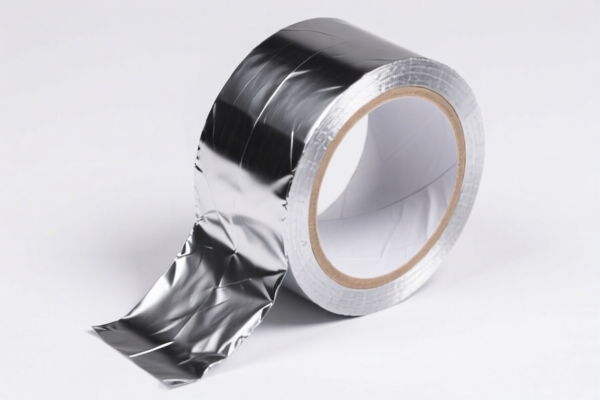
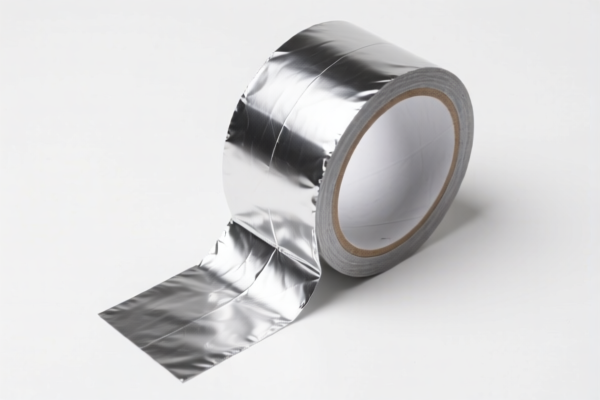
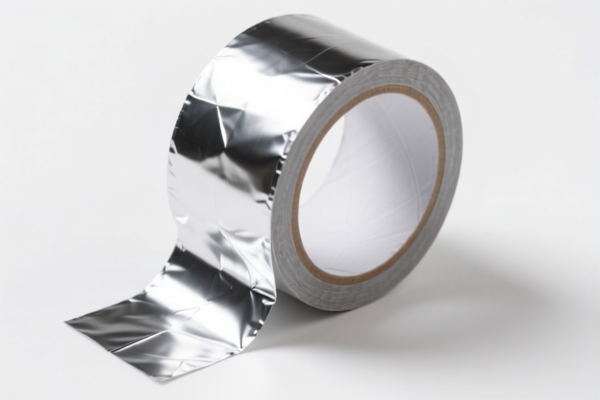
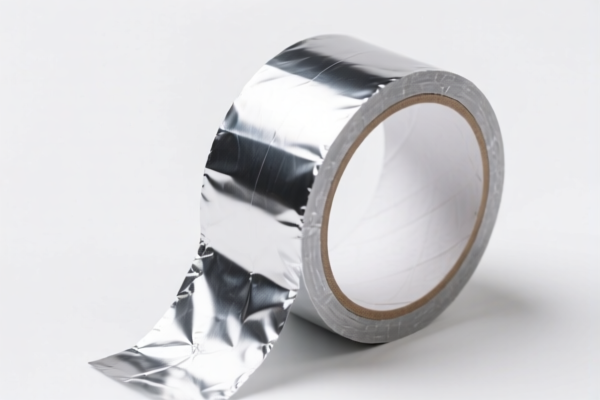
AI Analysis
🛡️ Base Metal Foil (Tungsten, Aluminum, Copper)
🌐 HS Code Reference & Customs Clearance Guide | 2026 Latest Tariff Analysis | Professional Entry Strategy
📌 I. Product Definition & Classification: Do You Really Understand "Base Metal Foil"?
"Base Metal Foil" is a broad category in international trade, covering thin sheets of non-precious metals. In customs classification, the key differentiator is the specific metal type and manufacturing method. Based on the provided data, we focus on three critical materials: Tungsten (Wolfram), Aluminum, and Copper.
1. Tungsten (Wolfram) Products:
Bars/Rods/Profiles: Specifically those not obtained simply by sintering.
Other Articles: General waste, scrap, or other forms of tungsten products.
2. Aluminum Foil:
Thickness: ≤ 0.2 mm.
Backed: Whether backed or un-backed.
Worked Status:* Rolled but not further worked.
3. Copper Foil:
Thickness: ≤ 0.15 mm.
Backed: Not backed.
Material:* Refined copper or copper alloys (e.g., brass).
⚠️ Key Distinction Point:
- Tungsten Bars vs. Sintered Tungsten: The description specifies "other than those obtained simply by sintering," which affects the HS code path.
- Aluminum Foil Thickness: The 0.15 mm threshold is critical. Foils > 0.15 mm and ≤ 0.2 mm fall under different sub-headings than thinner foils.
- Copper Alloy vs. Refined Copper: Brass (copper-zinc) is classified differently from refined copper, though in this specific data set, both attract the same punitive tariffs.
📦 II. HS Code Classification Details (2026 Latest Tariff Authority Comparison)
| HS Code | Product Description | Applicable Scenario | Key Attribute |
|---|---|---|---|
8101.99.10.00 |
Tungsten Bars, Rods, Profiles, Plates, Sheets, Strip, Foil | Structural components, industrial heating elements, weights | Not simply sintered |
8101.99.80.00 |
Tungsten (Wolfram) and articles thereof: Other | Tungsten waste, scrap, or other unspecified tungsten articles | General "Other" category |
7607.11.60.90 |
Aluminum Foil ≤ 0.2 mm, Not Backed, Rolled, 0.01 mm < Thickness ≤ 0.15 mm | Packaging, insulation, battery foil | Thin Aluminum |
7607.11.90.90 |
Aluminum Foil ≤ 0.2 mm, Not Backed, Rolled: Other | Aluminum foil > 0.15 mm or other variations within the 0.2 mm limit | Thicker Aluminum |
7410.11.00.00 |
Copper Foil ≤ 0.15 mm, Not Backed, Of Refined Copper | PCBs, capacitors, electronic components | Refined Copper |
7410.12.00.30 |
Copper Foil ≤ 0.15 mm, Not Backed, Of Copper-Zinc Base Alloys (Brass) | Decorative foils, specific electronic applications | Brass Alloy |
🔍 Critical Reminder:
- Tungsten: Ensure the manufacturing process is clearly documented. If it is "simply sintered," it may not fall under8101.99.10.00.
- Aluminum: The thickness range (0.01 mm to 0.15 mm) is a specific sub-category. Foils outside this range (but still ≤ 0.2 mm) go to7607.11.90.90.
- Copper: The distinction between "Refined Copper" and "Copper Alloys" is primarily for classification accuracy, but both face severe penalties in the current trade environment.
💰 III. 2026 Latest Tariff Rate Detail (Including Additional Taxes, Policy Surcharges)
✅ Applicable Country: United States (US)
✅ Origin: China (CN)
✅ Effective Time: Current tariffs apply (specifically referencing the "Steel, Aluminum, Copper" surcharge mentioned in data)
🎯 1. 8101.99.10.00 & 8101.99.80.00 —— Tungsten Products
| Item | Content |
|---|---|
| Base Tariff | 0.0% |
| Additional Tariff | 0.0% |
| Total Tax Rate | 0.0% |
| Tax Calculation | CIF Value × 0% = $0 |
| Note | Currently exempt from additional surcharges in this specific dataset. |
📌 Explanation:
- Tungsten products, as per the provided data, enjoy 0% total tariff.
- This is a significant cost advantage compared to aluminum and copper foils.
🎯 2. 7607.11.60.90 & 7607.11.90.90 —— Aluminum Foil
| Item | Content |
|---|---|
| Base Tariff (Thin Al, ≤0.15mm) | 5.3% (7607.11.60.90) |
| Base Tariff (Other Al, >0.15mm) | 3.0% (7607.11.90.90) |
| Additional Tariff | 25.0% |
| Total Tax Rate (Thin Al) | 30.3% |
| Total Tax Rate (Other Al) | 3.0% |
| Tax Calculation | CIF × 30.3% or CIF × 3.0% |
| Legal Basis | USITC 301 Tariffs |
📌 Note:
- Thin Aluminum Foil (≤ 0.15 mm): Faces a heavy burden. Base 5.3% + 25% surcharge = 30.3%.
- Thicker Aluminum Foil (> 0.15 mm): Only base tariff applies (3.0%) with no additional surcharge in this dataset.
- Strategic Implication: If feasible, designing products with aluminum foil slightly thicker than 0.15 mm (but ≤ 0.2 mm) can reduce tariffs by ~27%!
🎯 3. 7410.11.00.00 & 7410.12.00.30 —— Copper Foil (Refined & Brass)
| Item | Content |
|---|---|
| Base Tariff | 0.0% |
| Additional Tariff | 50.0% ("Steel, Aluminum, Copper Products Surcharge") |
| Total Tax Rate | 50.0% |
| Tax Calculation | CIF Value × 50% |
| Note | Applies to both Refined Copper and Brass Alloys |
| Legal Basis | Specific policy surcharge on Copper Products |
📌 Critical Warning:
- 50% Total Tariff: This is the highest rate in the dataset.
- No Exemption: Both refined copper and brass alloys are treated equally under this surcharge.
- Impact: This drastically reduces the profitability of exporting copper foil to the US.
🛠️ IV. Customs Clearance Practical Advice (Real-World Pitfall Avoidance Guide)
✅ 1. Preparation Checklist (All Necessary)
| Document | Must Provide | Description |
|---|---|---|
| ✅ Product Specification Sheet | ✔️ | Must clearly state metal type (Tungsten/Al/Cu), thickness (mm), and dimensions. |
| ✅ Manufacturing Process Description | ✔️ | For Tungsten: Explicitly state "Not simply sintered." For Foil: State "Rolled, not further worked." |
| ✅ Material Certificate (MTC) | ✔️ | Proof of composition (e.g., Cu content ≥ 99.9% for refined copper, or Brass alloy ratio). |
| ✅ Commercial Invoice | ✔️ | Must match HS Code description exactly. E.g., "Aluminum Foil, Thickness 0.12mm, Not Backed." |
| ✅ Packing List | ✔️ | Weight and dimensions to verify thickness/weight calculations. |
✅ 2. Declaration Techniques (Key Mnemonics)
🔥 “Be Precise on Thickness, State Process, Avoid ‘General’ Terms!”
| Scenario | Correct Declaration | Error to Avoid |
|---|---|---|
| Tungsten Bar | "Tungsten Bars, Machined, Not Sintered" | "Tungsten Metal" (Too vague) |
| Aluminum Foil | "Aluminum Foil, 0.10mm, Not Backed, Rolled" | "Aluminum Foil, Thickness 0.1mm" (Missing "Not Backed" status) |
| Copper Foil | "Copper Foil, 0.10mm, Refined, Not Backed" | "Copper Foil" (Misses key thickness/material distinction) |
✅ 3. Special Situation Handling
| Situation | Handling Advice |
|---|---|
| Aluminum Foil Thickness Borderline | If thickness is exactly 0.15 mm, it falls under the 30.3% rate. Consider if design allows > 0.15 mm to drop to 3.0%. |
| Copper Foil Alloy | Clearly distinguish between "Refined" and "Brass." Misclassification can lead to penalties, though rates are currently same. |
| Tungsten Sintered vs. Not Sintered | If the product is sintered, do not declare as 8101.99.10.00. Verify the correct HS code for sintered tungsten to avoid fraud claims. |
| Backed Aluminum Foil | The data provided is for Not Backed foil. If your foil is backed with paper/plastic, it likely falls under a different HS code not listed here, with different rates. |
🌍 V. Global Main Market Clearance Comparison (2026 Latest)
| Country/Region | Recommended HS Code (Example) | Tariff (China Origin) | Certification Requirements | Notes |
|---|---|---|---|---|
| 🇺🇸 USA | 7410.11.00.00 (Copper Foil) |
50.0% | None specific for foil | Extremely High Cost |
| 🇺🇸 USA | 7607.11.60.90 (Thin Al) |
30.3% | None specific for foil | High Cost |
| 🇨🇳 China | 7410.11.00.00 |
0% - 5% | CCC (if applicable) | No punitive tariffs |
| 🇪🇺 EU | 7410.11.00.00 |
0% | REACH, RoHS | No additional surcharges |
📌 Conclusion:
- USA is the most expensive market for Base Metal Foils, especially Copper (50%) and Thin Aluminum (30.3%).
- Tungsten remains tariff-free in the US under this dataset, making it a relatively safer export product from a tariff perspective.
- Aluminum Strategy: Evaluate if product redesign can shift thickness above 0.15 mm to save 27% in tariffs.
📌 VI. Common Errors & Pitfall Avoidance Guide (Blood & Tears Lessons)
❌ Error 1: Misdeclaring Copper Foil Thickness
👉 Consequence: Declaring 0.16 mm foil as 0.14 mm to avoid scrutiny → Severe Penalty + Seizure.
👉 Fix: Provide precise thickness measurement reports.
❌ Error 2: Ignoring "Not Backed" Status for Aluminum
👉 Consequence: Declaring backed foil as "Not Backed" → Misclassification, 25% Surcharge Applied Incorrectly or Denied.
👉 Fix: Explicitly state "Backed" or "Not Backed" on invoice.
❌ Error 3: Vague Tungsten Description
👉 Consequence: Writing "Tungsten Products" → Customs Inspection Delay, Potential Re-classification.
👉 Fix: Specify "Bars, Rods, Profiles" and "Not Sintered."
❌ Error 4: Overlooking Copper Alloy Composition
👉 Consequence: Claiming "Refined Copper" for Brass alloy → Valuation Dispute, Penalties.
👉 Fix: Provide Mill Test Certificate showing Cu/Zn ratio.
✅ Correct Approach:
"Copper Foil, Refined, Thickness 0.12mm, Not Backed, Coil, HS Code 7410.11.00.00, Origin China"
🎯 VII. Conclusion: Professional Declaration, Cost Reduction, Efficiency Increase!
🎯 Remember the Mnemonics:
🔹 "Copper is 50%, Thin Al is 30%, Thick Al is 3%, Tungsten is Free!"
🔹 "Thickness Matters: 0.15mm is the Aluminum Cutoff Line!"
🔹 "Be Specific: Not Backed, Not Sintered, Refined vs. Alloy!"
📌 Tips:
- If your Copper Foil or Thin Aluminum Foil is destined for the US, calculate the 30-50% tariff impact immediately.
- Consider Third-Country Transshipment (e.g., Vietnam, Mexico) if feasible and compliant, to mitigate US tariffs.
- Apply for Pre-Ruling (Advance Ruling) from US Customs (CBP) to confirm HS Code classification before shipping.
📣 Immediate Action:
📞 Contact Professional Customs Broker + Provide Spec Sheet + Verify HS Code
🚀 Clear Customs Smoothly, Maximize Profit, Avoid Surprises!
✨ Professional Clearance Starts with Accurate Classification!
💼 Every Cent of Cost Deserves Precise Calculation!
Customer Reviews
About HS Code Classification
The Harmonized System (HS) is an internationally standardized nomenclature developed by the World Customs Organization (WCO) to classify traded products. Over 200 countries use the HS system as the basis for customs tariffs, trade statistics, and import/export regulations.
Each HS code follows a hierarchical structure:
- Chapter (2 digits) — Broad category of goods (e.g., Chapter 84: Machinery and Mechanical Appliances)
- Heading (4 digits) — More specific grouping within the chapter
- Subheading (6 digits) — Internationally standardized breakdown, used by all WCO member countries
- National subdivisions (8-10 digits) — Country-specific extensions for further classification, such as US HTSUS 10-digit codes
Correct HS code classification is essential for smooth customs clearance, accurate duty payment, and compliance with trade regulations. Misclassification can lead to customs delays, overpayment of duties, or penalties.
When importing from CN to US, the applicable tariff rates may include:
- Most-Favored-Nation (MFN) rate — The standard duty rate applied to WTO members
- General rate — Applied to countries without trade agreements
- Trade remedy duties — Additional tariffs such as Section 301 (anti-dumping), Section 232 (national security), or countervailing duties
The information provided on this page is for reference purposes only. For official classification, please consult with your local customs authority or a licensed customs broker.