Bathroom Sealing Strip
CN → US| HS编码 | 关税税率 | 原产国 | 目的国 | 文档 |
|---|---|---|---|---|
| 4016931010 | 37.5% | CN | US | 官方文档 |
| 4016935010 | 37.5% | CN | US | 官方文档 |
| 3926904590 | 38.5% | CN | US | 官方文档 |
| 3926904510 | 38.5% | CN | US | 官方文档 |
| 4016935050 | 37.5% | CN | US | 官方文档 |
商品图片
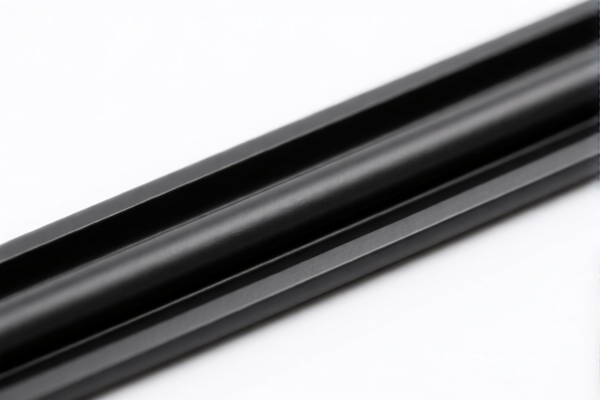
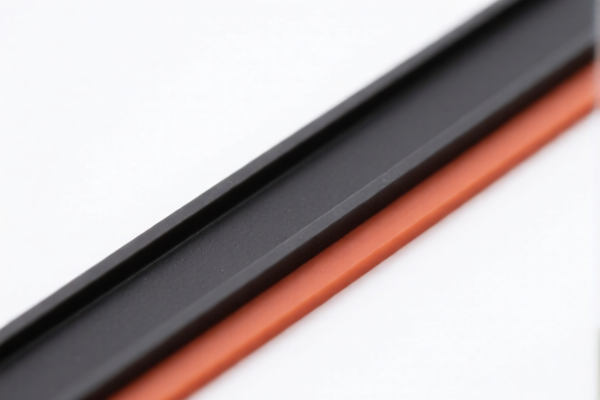
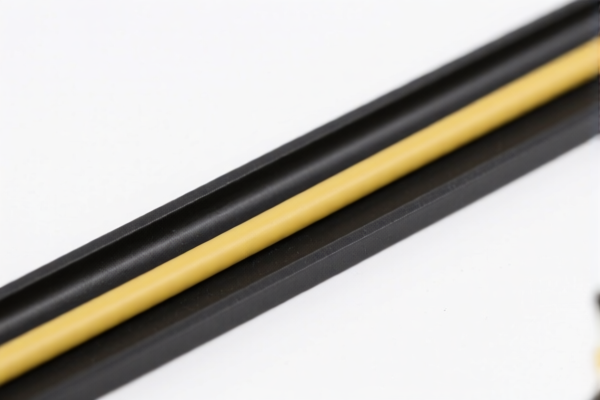
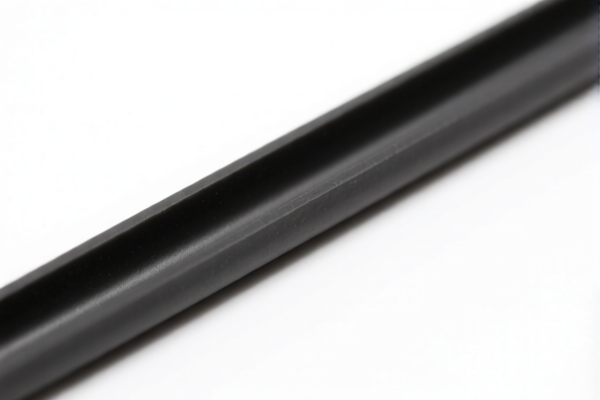
AI分析
🛁 Bathroom Sealing Strip (门窗/卫浴密封条)
🌐 HS Code Reference & Customs Clearance Guide | 2026 Latest Tariff Analysis | Professional Clearance Strategy
📌 I. Product Definition & Classification: What exactly is a "Sealing Strip"?
Bathroom Sealing Strips are essential components for waterproofing, soundproofing, and dust-proofing in bathrooms, windows, and doors. In international trade, their classification depends primarily on Material Composition and Physical Form.
Based on the provided data, there are three main classification paths: 1. Rubber-based Seals: Classified under Chapter 40 (Rubber and articles thereof). 2. Plastic-based Seals: Classified under Chapter 39 (Plastics and articles thereof).
⚠️ Key Distinction Point: - If the material is Sulfur-Vulcanized Rubber (common for weatherstrips), it falls under 4016. - If the material is Plastic (PVC, EPDM compounds often classified as plastic in some contexts, or strictly plastic profiles), it falls under 3926.
📦 II. HS Code Classification Details (2026 Latest Tariff Mapping)
| HS Code | Product Description | Material Inference | Applicability Logic |
|---|---|---|---|
4016.93.10.10 |
Sealing strips classified as "Seals", unspecified material tends towards this seal category. | Rubber/Unspecified | Tends to fit the category of "Seals" without specifying material. |
4016.93.50.10 |
Sealing strip usage belongs to seals; inferring rubber material due to lack of clear material description. | Rubber | Matches the logic of seals; infers rubber material when no clear material is stated. |
4016.93.50.50 |
Window/Door sealing strips inferred as rubber; shape matches seals; matches gaskets/seals of vulcanized rubber. | Rubber | Specifically targets window/door applications; matches vulcanized rubber gaskets. |
3926.90.45.90 |
Sealing strips belong to gaskets/washers/Seals; inferred as plastic material, matching "Other seals not O-rings". | Plastic | Infers plastic material; matches the "Other" category for non-O-ring seals. |
3926.90.45.10 |
Sealing strip morphology belongs to seals; material inferred as plastic or rubber; no conflict with plastic articles chapter. | Plastic/Rubber | Broad category for seals; allows for plastic or rubber inference without chapter conflict. |
🔍 Key Reminder: - Rubber Strips: If the strip is flexible, elastic, and made of vulcanized rubber (typical for bathroom/weatherproofing), prioritize 4016.93.xxxx. - Plastic/PVC Strips: If the strip is rigid, PVC-based, or clearly identified as plastic molding, prioritize 3926.90.45.xxxx. - Ambiguity: If the material is unknown, customs may infer rubber (4016) or plastic (3926) based on common usage, leading to different tax rates.
💰 III. 2026 Latest Tariff Rate Details (Including Surtaxes & Policy Add-ons)
✅ Applicable Country: United States (US)
✅ Country of Origin: China (CN)
✅ Effective Time: Current rates including Section 301 & Section 122 tariffs.
🎯 1. 4016.93.10.10 & 4016.93.50.10 —— Rubber Sealing Strips
| Item | Detail |
|---|---|
| Base Duty Rate | 2.5% (Ad Valorem) |
| Section 301 Surcharge | +25.0% (China-origin goods) |
| Section 122 Duty | +10.0% (Additional duty on China imports) |
| Total Effective Rate | 37.5% |
| Tax Calculation | CIF Value × 37.5% |
| De Minimis Eligibility | ❌ No (High tariff rates usually exclude small parcel exemptions) |
| Legal Basis Path | USITC:4016.93 → Section 301: +25% → Section 122: +10% |
📌 Explanation: - Base 2.5%: Standard MFN rate for rubber seals. - 25% Section 301: Retaliatory tariff on Chinese rubber products. - 10% Section 122: Additional tariff imposed on specific Chinese imports. - Total 37.5%: This is a high-cost item for importers. Budget accordingly.
🎯 2. 4016.93.50.50 —— Window/Door Rubber Seals
| Item | Detail |
|---|---|
| Base Duty Rate | 2.5% |
| Section 301 Surcharge | +25.0% |
| Section 122 Duty | +10.0% |
| Total Effective Rate | 37.5% |
| Tax Calculation | CIF Value × 37.5% |
| De Minimis Eligibility | ❌ No |
| Legal Basis Path | Same as above, specific subheading for window/door applications. |
📌 Note: - Even if specified for "Windows/Doors," if made of rubber, it retains the 37.5% total rate. - Ensure the product description clearly states "Vulcanized Rubber" to support this classification.
🎯 3. 3926.90.45.90 & 3926.90.45.10 —— Plastic Sealing Strips
| Item | Detail |
|---|---|
| Base Duty Rate | 3.5% |
| Section 301 Surcharge | +25.0% |
| Section 122 Duty | +10.0% |
| Total Effective Rate | 38.5% |
| Tax Calculation | CIF Value × 38.5% |
| De Minimis Eligibility | ❌ No |
| Legal Basis Path | USITC:3926.90 → Section 301: +25% → Section 122: +10% |
📌 Note: - Plastic seals are slightly more expensive (38.5% vs 37.5%) due to a higher base rate (3.5%). - If your product is PVC-based, this is the correct code, but expect a slightly higher tax burden than rubber.
🛠️ IV. Customs Clearance Practical Advice (Battle-Tested Pitfall Avoidance)
✅ 1. Required Documentation Checklist (Missing items = Delays)
| Document | Mandatory? | Purpose |
|---|---|---|
| ✅ Product Specification Sheet | ✔️ | Must specify Material (Rubber vs. Plastic), hardness (Shore A), and dimensions. |
| ✅ Material Safety Data Sheet (MSDS) | ✔️ | Crucial for rubber/plastic products to confirm chemical composition. |
| ✅ Product Photos (Clear Labeling) | ✔️ | Show cross-section to distinguish between solid rubber and plastic/PVC profiles. |
| ✅ Commercial Invoice | ✔️ | Must explicitly state "Bathroom Sealing Strip" and Material Composition. |
| ✅ Packing List | ✔️ | Detail weight and quantity to prevent volume disputes. |
| ✅ Country of Origin Certificate | ✔️ | Required to apply (or not apply) Section 301/122 tariffs correctly. |
✅ 2. Declaration Tips (Key Mantra)
🔥 "Material First, Shape Second! 'Rubber' means 37.5%, 'Plastic' means 38.5%!"
| Scenario | Correct Declaration | Common Mistake |
|---|---|---|
| Vulcanized Rubber Strip | 4016.93.10.10 or 4016.93.50.50 |
Declaring as "Plastic Part" → Risk of reclassification & penalty. |
| PVC Plastic Strip | 3926.90.45.90 |
Declaring as "Rubber Seal" → Incorrect base rate application. |
| Unknown Material | Clarify with Manufacturer! | Guessing → Customs may assign the highest duty or delay clearance. |
| Mixed Bundle (Rubber + Plastic) | Split Declaration | Lump sum declaration → Risk of duty evasion investigation. |
✅ 3. Special Cases Handling
| Scenario | Recommendation |
|---|---|
| OEM Custom Strips | Provide customer design drawings proving the specific material (e.g., EPDM vs. PVC). |
| Foam Rubber Strips | Ensure HS Code reflects "Vulcanized Rubber" (4016) not just "Foam" (3921/4008). |
| Adhesive-Backed Strips | Declare main value as the strip; adhesive tape if significant, otherwise included in strip value. |
| Set Kits (Strips + Glue) | If glue is minor, declare as "Sealing Strip Set"; if significant, consider separate codes. |
🌍 V. Global Market Comparison (2026 Latest)
| Country/Region | Recommended HS Code | Total Tariff (China Origin) | Certification Requirements | Remarks |
|---|---|---|---|---|
| 🇺🇸 USA | 4016.93.10.10 / 3926.90.45.90 |
37.5% - 38.5% | None specific, but FTC labeling required | Highest burden due to 301+122 tariffs. |
| 🇨🇳 China | 4016.93.10 / 3926.90.45 |
~2.5% - 3.5% (Import) | CCC (if applicable to building materials) | Low entry barrier. |
| 🇪🇺 EU | 4016.93 / 3926.90 |
0% - 4.5% (Standard MFN) | CE (Construction Products Regulation) | No Section 301/122 equivalent. |
| 🇬🇧 UK | 4016.93 / 3926.90 |
0% - 4.5% | UKCA Mark | Post-Brexit alignment with EU standards. |
| 🇦🇺 Australia | 4016.93 / 3926.90 |
5% - 10% | NCC Compliance | Check local building codes. |
📌 Conclusion: - USA is the most challenging market due to the cumulative 35-37.5% tariff rate. - EU and other markets offer significantly lower duty rates (often 0-5%), making them more competitive for price-sensitive buyers. - Strategy: For US market, consider supply chain diversification (e.g., sourcing from Vietnam/Malaysia if rubber allows, or using plastic alternatives if tariffs differ by chapter, though plastic also faces 301 tariffs).
📌 VI. Common Errors & Pitfalls (Blood-Teaching Lessons)
❌ Mistake 1: Declaring Rubber Seals as "Plastic Parts" to avoid 301 tariffs. 👉 Consequence: Customs audit reveals material is rubber → Back taxes + Penalties + Rejection.
❌ Mistake 2: Ignoring "Section 122" tariffs. 👉 Consequence: Only accounting for 301 (25%) + Base (2.5%) = 27.5%. Actual is 37.5%. → Unexpected profit loss.
❌ Mistake 3: Ambiguous Material Description ("Sealing Strip" only). 👉 Consequence: Customs officer guesses → May assign 3926 (Plastic) or 4016 (Rubber) arbitrarily. If they pick the wrong one, it causes declaration mismatches.
❌ Mistake 4: Treating "Adhesive Tape" and "Sealing Strip" as one item. 👉 Consequence: If the adhesive tape is the primary value, it may be classified under Chapter 39 (Adhesives) or 4009, leading to different duty rates.
✅ Correct Practice:
"Bathroom Sealing Strip, Vulcanized EPDM Rubber, Self-Adhesive Backing, White, 20mm Width, HS 4016.93.10.10, Made in China."
🎯 VII. Conclusion: Professional Declaration, Save Money, Smooth Clearance!
🎯 Remember the Mantra:
🔹 "Material Defines Code, Tariff Defines Cost!"
🔹 "Rubber 37.5%, Plastic 38.5% — Both are High!"
🔹 "Declare Material Clearly, Avoid Audit Traps!"
📌 Pro Tip:
If your sealing strips are made of Silicone, verify if they fall under
4016.93or3926.90based on specific vulcanization standards. Some silicones may have different treatment.Recommendation: For US imports, pre-ruling (Advance Ruling) is highly advised to lock in the HS Code and avoid surprise audits.
📣 Immediate Action:
📞 Contact your customs broker with material samples and spec sheets.
🚀 Optimize your supply chain to manage the high 37.5%+ tariff burden in the US market.
✨ Professional Customs Clearance Starts with Precise Classification!
💼 Every cent of duty is a cost; save it by getting the HS Code right!
用户评价
关于 HS 编码归类
协调制度(HS)是由世界海关组织(WCO)制定的国际贸易商品分类标准。全球 200 多个国家采用 HS 系统作为海关关税、贸易统计和进出口监管的基础。
每个 HS 编码遵循以下层级结构:
- 章(2 位)——商品大类(例如:第 84 章:机器和机械设备)
- 品目(4 位)——章内的更具体分类
- 子目(6 位)——国际通用细分,所有 WCO 成员国统一使用
- 本国细分(8-10 位)——各国自行扩展的细分编码,如美国 HTSUS 10 位编码
正确的 HS 编码归类对于顺利通关、准确缴纳关税和遵守贸易法规至关重要。错误归类可能导致海关延误、多缴关税或罚款。
从CN进口到US时,适用的关税税率可能包括:
- 最惠国(MFN)税率——适用于 WTO 成员国的标准关税税率
- 普通税率——适用于无贸易协定国家
- 贸易救济关税——附加关税,如 301 条款(反倾销)、232 条款(国家安全)或反补贴税
本页内容仅供参考。如需正式归类,请咨询当地海关或持牌报关代理。