Battery Driven Shunting Locomotive
CN → US| HS编码 | 关税税率 | 原产国 | 目的国 | 文档 |
|---|---|---|---|---|
| 8705900080 | 35.0% | CN | US | 官方文档 |
| 8427108050 | 35.0% | CN | US | 官方文档 |
| 8704600000 | 60.0% | CN | US | 官方文档 |
| 8704900100 | 60.0% | CN | US | 官方文档 |
| 8709110030 | 35.0% | CN | US | 官方文档 |
商品图片
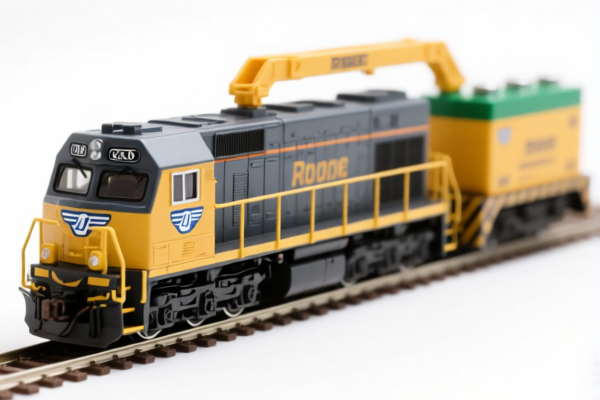
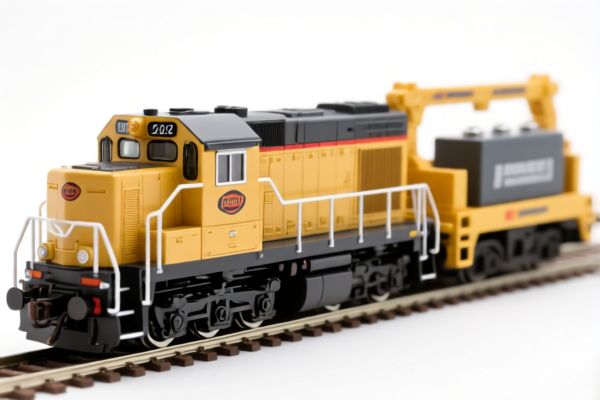
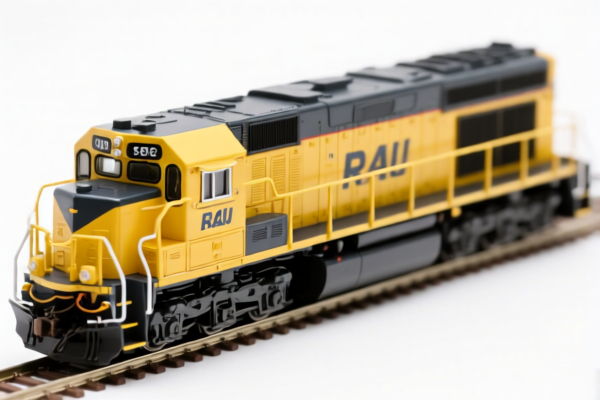
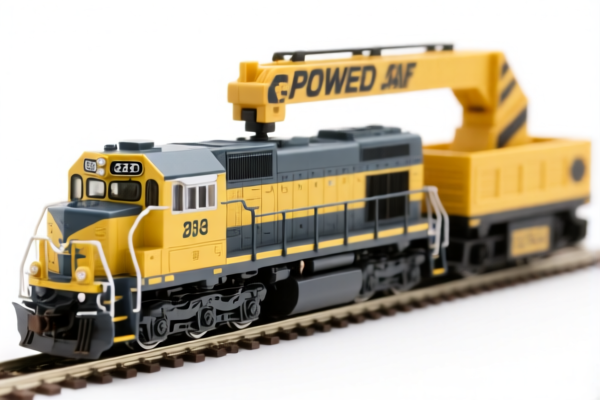
AI分析
🚂 Battery-Driven Shunting Locomotive (Industrial Electric Locomotives)
🌐 HS Code Reference & Customs Clearance Guide | 2026 Latest Tariff Analysis | Professional Level通关 Strategy
📌 I. Product Definition & Classification: Do You Really Understand "Shunting Locomotives"?
A Battery-Driven Shunting Locomotive is a specialized industrial vehicle used primarily for moving railcars within a yard, port, or factory. In international trade, its classification depends heavily on its specific design purpose and driving mechanism. While they share the common trait of being battery-powered, their HS Code placement varies significantly based on whether they are defined as "Special Purpose Vehicles," "Industrial Handling Equipment," or general "Motor Vehicles for Goods Transport."
⚠️ Key Distinction Point:
- If the vehicle is explicitly designed for shunting operations (rail yard maneuvering) and fits the definition of a special purpose vehicle → 8705.90.00.80 or 8427.10.80.50
- If the vehicle is a generic battery-powered trolley/cart for short-distance goods transport → 8709.11.00.30
- If the vehicle is classified as a general motor vehicle for transporting goods (not specific to shunting/handling) → 8704.60.00.00 or 8704.90.01.00
📦 II. HS Code Classification Details (2026 Latest Tariff Authority Comparison)
| HS Code | Product Description | Application Scenario | Drive Type | Special Features |
|---|---|---|---|---|
8705.90.00.80 |
Special purpose motor vehicles, other | Shunting locomotives, crane trucks, mobile cranes | Battery/Electric | Fits "Special Purpose Vehicle" definition; not general transport |
8427.10.80.50 |
Forklifts and other working vehicles fitted with lifting or handling equipment | Industrial handling, battery-powered shunters classified as handling equipment | Electric (Motor-driven) | Classified under "Handling Equipment" rather than road vehicles |
8704.60.00.00 |
Motor vehicles for the transport of goods, electrically driven | Battery-powered carts/trolleys for cargo | Electric Only | General goods transport vehicle, not specialized shunting |
8704.90.01.00 |
Other motor vehicles for the transport of goods, new | Non-specific model goods transport vehicles | Internal Combustion/Electric | General category for motor vehicles transporting goods |
8709.11.00.30 |
Electrically driven industrial short-distance transport vehicles | Battery-powered industrial pushcarts/carts | Electric Only | Short-distance, industrial scope, strictly electric |
🔍 Critical Reminder:
- Shunting-specific vehicles (rail yard movers) often fall under 8705 (Special Purpose) or 8427 (Handling Equipment), avoiding the high tariffs associated with general motor vehicles. - Generic electric carts used for moving boxes between warehouses fall under 8709 or 8704. - Misclassifying a specialized shunter as a general "goods transport vehicle" can lead to higher duties and potential customs delays.
💰 III. 2026 Latest Tariff Rate Details (Including Additional Taxes & Policy Surcharges)
✅ Applicable Country: United States (US)
✅ Country of Origin: China (CN)
✅ Effective Date: From November 10, 2025 (and subsequent imports)
🎯 1. 8705.90.00.80 —— Special Purpose Vehicles (Shunting Locomotives)
| Item | Details |
|---|---|
| Basic Tariff | 0.0% (ad valorem) |
| Section 301 Surcharge | +25% (Additional Duty) |
| Section 122 Duty | +10% (Additional Duty) |
| Total Tax Rate | 35.0% |
| Tax Calculation | CIF Value × 35% |
| De Minimis Eligibility | ❌ Not Eligible (deny_de_minimis) |
| Legal Basis Path | Section 301: 8705.90.00.80 → Section 122: 8705 |
📌 Explanation:
- This HS Code is often preferred for specialized shunting equipment that doesn't fit standard road vehicle categories. - Total Duty: 35%. This is lower than the 60% rate for general goods transport vehicles. - The 25% is from the Section 301 Trade Act, and the 10% is from Section 122 (China-specific surcharge).
🎯 2. 8427.10.80.50 —— Battery-Powered Handling/Shunting Vehicles
| Item | Details |
|---|---|
| Basic Tariff | 0.0% (ad valorem) |
| Section 301 Surcharge | +25% (Additional Duty) |
| Section 122 Duty | +10% (Additional Duty) |
| Total Tax Rate | 35.0% |
| Tax Calculation | CIF Value × 35% |
| De Minimis Eligibility | ❌ Not Eligible (deny_de_minimis) |
| Legal Basis Path | Section 301: 8427.10.80.50 → Section 122: 8427 |
📌 Explanation:
- If the shunting locomotive is considered "handling equipment" (similar to forklifts) rather than a "road vehicle," it may fall under Chapter 84. - Total Duty: 35%. Same as 8705, but different legal justification. - Useful if the vehicle has lifting/handling features or is strictly confined to industrial floors.
🎯 3. 8709.11.00.30 —— Electric Industrial Carts/Trolleys
| Item | Details |
|---|---|
| Basic Tariff | 0.0% (ad valorem) |
| Section 301 Surcharge | +25% (Additional Duty) |
| Section 122 Duty | +10% (Additional Duty) |
| Total Tax Rate | 35.0% |
| Tax Calculation | CIF Value × 35% |
| De Minimis Eligibility | ❌ Not Eligible (deny_de_minimis) |
| Legal Basis Path | Section 301: 8709.11.00.30 → Section 122: 8709 |
📌 Explanation:
- For battery-powered pushcarts used in short-distance industrial transport. - Total Duty: 35%. - Note: This is not for rail shunting locomotives but for electric carts/trolleys.
🎯 4. 8704.60.00.00 & 8704.90.01.00 —— General Motor Vehicles for Goods Transport
| Item | Details |
|---|---|
| Basic Tariff | 25.0% (ad valorem) |
| Section 301 Surcharge | +25% (Additional Duty) |
| Section 122 Duty | +10% (Additional Duty) |
| Total Tax Rate | 60.0% |
| Tax Calculation | CIF Value × 60% |
| De Minimis Eligibility | ❌ Not Eligible (deny_de_minimis) |
| Legal Basis Path | Section 301: 8704 → Section 122: 8704 |
📌 Explanation:
- If the battery-driven vehicle is classified as a general motor vehicle for transporting goods (e.g., a generic electric truck for cargo), it falls under Chapter 87. - Total Duty: 60%. This is significantly higher than the 35% rate for specialized/handling vehicles. - Risk: Misclassifying a specialized shunter as a general goods vehicle doubles your duty cost.
🛠️ IV. Customs Clearance Practical Advice (实战避坑指南)
✅ 1. Preparation Checklist (Must-Have Documents)
| Document | Required | Notes |
|---|---|---|
| ✅ Product Specifications | ✔️ | Include type, power source (Battery), intended use (Shunting/Handling) |
| ✅ Technical Drawings | ✔️ | Show if it's rail-bound, road-legal, or indoor-only |
| ✅ Photos (Including Nameplate) | ✔️ | Clear view of model, voltage, and any special equipment |
| ✅ Third-Party Test Reports | ✔️ | UL, CE, RoHS (if applicable) |
| ✅ Commercial Invoice | ✔️ | Clearly state "Battery-Driven Shunting Locomotive" or "Industrial Electric Cart" |
| ✅ Packing List | ✔️ | Detail batteries separately if required for safety (UN38.3) |
| ✅ Certificate of Origin | ✔️ | To determine eligibility for any potential exemptions |
✅ 2. Declaration Strategy (Key Principles)
🔥 “Special Purpose Avoids High Rates; General Goods Pay Premium!”
| Scenario | Correct HS Code | Wrong Practice |
|---|---|---|
| Rail Shunting Locomotive | 8705.90.00.80 or 8427.10.80.50 |
Misdeclare as general truck → 60% |
| Battery-Powered Cart (Industrial) | 8709.11.00.30 |
Misdeclare as general truck → 60% |
| General Electric Cargo Truck | 8704.60.00.00 |
None (Correct) |
| OEM Custom Shunter | 8705.90.00.80 |
Generic description → Ambiguity & Risk |
📌 Important:
- Ensure the product description on the invoice matches the HS Code.
- If the vehicle is used only within a factory/yard (not on public roads), emphasize "Special Purpose" or "Handling Equipment." - If it’s a general electric truck for highway transport, use8704.
✅ 3. Special Considerations
| Scenario | Advice |
|---|---|
| Lithium Battery Safety | Ensure batteries meet UN38.3 and DOT/IATA regulations if shipped air/ocean. |
| Pre-Ruling Application | Highly Recommended: Apply for an Advance Ruling (CBP) to confirm if your specific shunter qualifies for 8705 (35%) instead of 8704 (60%). |
| Origin Marking | Clearly mark "Made in China" to avoid penalties. |
| Section 122 & 301 | Both surcharges apply to China-origin goods. No exemption for these HS codes. |
🌍 V. Global Customs Clearance Comparison (2026 Latest)
| Country/Region | Recommended HS Code | Tariff Rate (China Origin) | Certification Requirements | Notes |
|---|---|---|---|---|
| 🇺🇸 USA | 8705.90.00.80 / 8709.11.00.30 |
35% (Special/Handling) 60% (General Goods) |
UL, DOT (if road-legal) | High risk of 60% if misclassified |
| 🇨🇳 China | 8705.90.00.80 / 8709.11.00.30 |
0% - 10% | CCC (if applicable) | Low duty, no Section 301 |
| 🇪🇺 EU | 8705.90.00.80 / 8709.11.00.30 |
0% - 4% | CE, EAC | No additional surcharges |
| 🇬🇧 UK | 8705.90.00.80 |
0% - 5% | UKCA | Post-Brexit rules apply |
| 🇦🇺 Australia | 8705.90.00.80 |
5% | RCM | No Section 301/122 |
📌 Conclusion:
- USA has the highest cost burden due to Section 301 (25%) and Section 122 (10%) surcharges. - Correct classification is critical: A mistake can increase your duty from 35% to 60%. - EU, UK, Australia offer much lower tariffs, making them more attractive markets for these goods.
📌 VI. Common Mistakes & Pitfalls (Blood & Tears Lessons)
❌ Mistake 1: Classifying a specialized Shunting Locomotive as a general "Electric Truck" (8704)
👉 Consequence: Duty jumps from 35% to 60% → 25% extra cost per unit!
❌ Mistake 2: Using vague terms like "Electric Vehicle" on the Invoice
👉 Consequence: Customs may classify under the highest applicable rate → 60% + Penalties
❌ Mistake 3: Ignoring Battery Safety Regulations
👉 Consequence: Shipment detained at port due to non-compliance with UN38.3 → Delays & Storage Fees
❌ Mistake 4: Assuming All Electric Vehicles Are 8709
👉 Consequence: If it’s a road-legal truck, it may be 8704 → 60%
✅ Correct Practice:
“Battery-Driven Shunting Locomotive, Special Purpose, Rail Yard Use, Model XYZ, UL Certified, Un38.3 Compliant Batteries”
🎯 VII. Conclusion: Precise Classification, Lower Costs, Faster Clearance
🎯 Remember the Golden Rule:
🔹 “Special Purpose = 35%; General Goods = 60%.”
🔹 “Don’t Guess! Get a Pre-Ruling!”
🔹 “Battery Safety + Accurate Description = Smooth Customs!”
📌 Tips:
- If your vehicle is not made in China, it may be exempt from Section 301/122 duties.
- Always consult a licensed customs broker before shipping to the US.
- Consider supply chain diversification if tariffs impact profitability.
📣 Immediate Action:
📞 Contact a professional customs broker + Provide product specs + Apply for HS Code Pre-Ruling
🚀 Ensure your Battery-Driven Shunting Locomotive clears customs smoothly, saves costs, and reaches the market efficiently!
✨ Professional Clearance Starts with Accurate Classification!
💼 Every percentage point of duty is a point of profit!
用户评价
关于 HS 编码归类
协调制度(HS)是由世界海关组织(WCO)制定的国际贸易商品分类标准。全球 200 多个国家采用 HS 系统作为海关关税、贸易统计和进出口监管的基础。
每个 HS 编码遵循以下层级结构:
- 章(2 位)——商品大类(例如:第 84 章:机器和机械设备)
- 品目(4 位)——章内的更具体分类
- 子目(6 位)——国际通用细分,所有 WCO 成员国统一使用
- 本国细分(8-10 位)——各国自行扩展的细分编码,如美国 HTSUS 10 位编码
正确的 HS 编码归类对于顺利通关、准确缴纳关税和遵守贸易法规至关重要。错误归类可能导致海关延误、多缴关税或罚款。
从CN进口到US时,适用的关税税率可能包括:
- 最惠国(MFN)税率——适用于 WTO 成员国的标准关税税率
- 普通税率——适用于无贸易协定国家
- 贸易救济关税——附加关税,如 301 条款(反倾销)、232 条款(国家安全)或反补贴税
本页内容仅供参考。如需正式归类,请咨询当地海关或持牌报关代理。