Battery Driven Shunting Locomotive
CN → US| HS Code | Tariff Rate | Origin | Destination | Doc |
|---|---|---|---|---|
| 8705900080 | 35.0% | CN | US | Official Doc |
| 8427108050 | 35.0% | CN | US | Official Doc |
| 8704600000 | 60.0% | CN | US | Official Doc |
| 8704900100 | 60.0% | CN | US | Official Doc |
| 8709110030 | 35.0% | CN | US | Official Doc |
Product Images
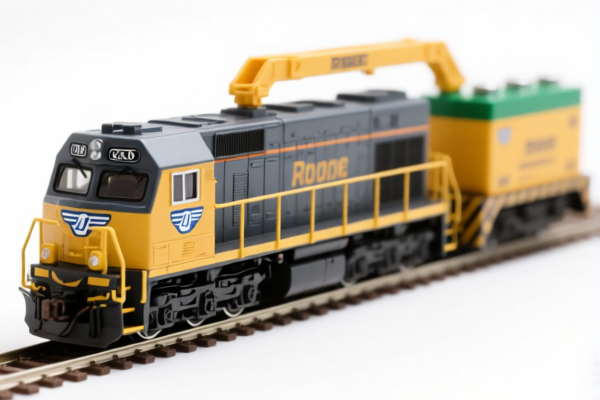
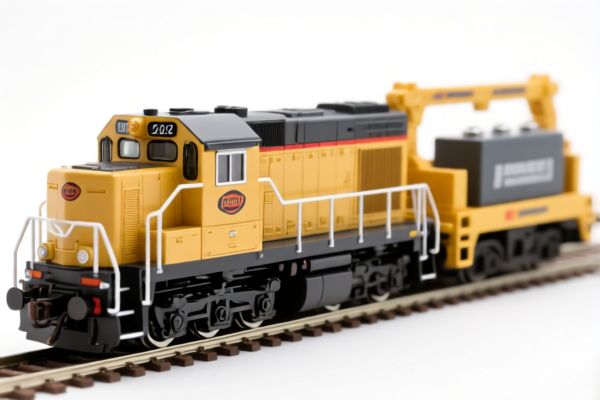
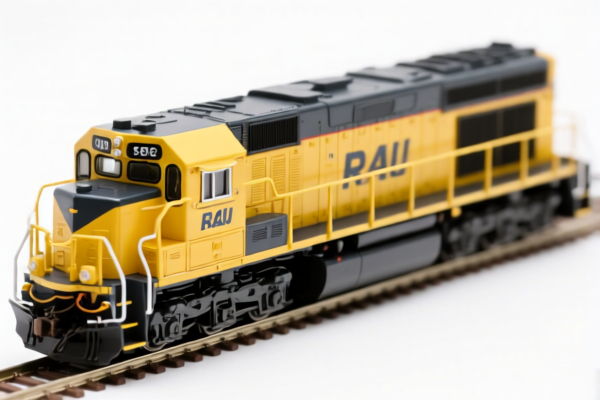
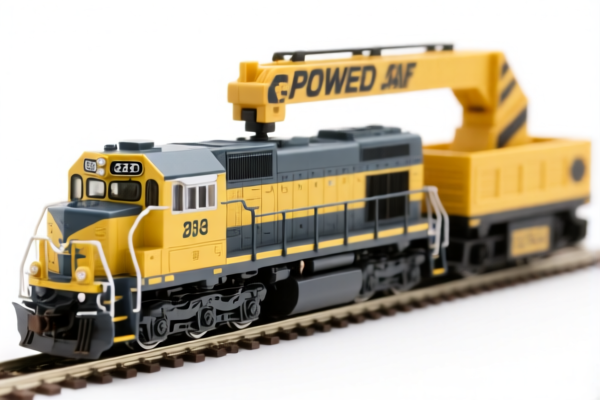
AI Analysis
🚂 Battery-Driven Shunting Locomotive (Industrial Electric Locomotives)
🌐 HS Code Reference & Customs Clearance Guide | 2026 Latest Tariff Analysis | Professional Level通关 Strategy
📌 I. Product Definition & Classification: Do You Really Understand "Shunting Locomotives"?
A Battery-Driven Shunting Locomotive is a specialized industrial vehicle used primarily for moving railcars within a yard, port, or factory. In international trade, its classification depends heavily on its specific design purpose and driving mechanism. While they share the common trait of being battery-powered, their HS Code placement varies significantly based on whether they are defined as "Special Purpose Vehicles," "Industrial Handling Equipment," or general "Motor Vehicles for Goods Transport."
⚠️ Key Distinction Point:
- If the vehicle is explicitly designed for shunting operations (rail yard maneuvering) and fits the definition of a special purpose vehicle → 8705.90.00.80 or 8427.10.80.50
- If the vehicle is a generic battery-powered trolley/cart for short-distance goods transport → 8709.11.00.30
- If the vehicle is classified as a general motor vehicle for transporting goods (not specific to shunting/handling) → 8704.60.00.00 or 8704.90.01.00
📦 II. HS Code Classification Details (2026 Latest Tariff Authority Comparison)
| HS Code | Product Description | Application Scenario | Drive Type | Special Features |
|---|---|---|---|---|
8705.90.00.80 |
Special purpose motor vehicles, other | Shunting locomotives, crane trucks, mobile cranes | Battery/Electric | Fits "Special Purpose Vehicle" definition; not general transport |
8427.10.80.50 |
Forklifts and other working vehicles fitted with lifting or handling equipment | Industrial handling, battery-powered shunters classified as handling equipment | Electric (Motor-driven) | Classified under "Handling Equipment" rather than road vehicles |
8704.60.00.00 |
Motor vehicles for the transport of goods, electrically driven | Battery-powered carts/trolleys for cargo | Electric Only | General goods transport vehicle, not specialized shunting |
8704.90.01.00 |
Other motor vehicles for the transport of goods, new | Non-specific model goods transport vehicles | Internal Combustion/Electric | General category for motor vehicles transporting goods |
8709.11.00.30 |
Electrically driven industrial short-distance transport vehicles | Battery-powered industrial pushcarts/carts | Electric Only | Short-distance, industrial scope, strictly electric |
🔍 Critical Reminder:
- Shunting-specific vehicles (rail yard movers) often fall under 8705 (Special Purpose) or 8427 (Handling Equipment), avoiding the high tariffs associated with general motor vehicles. - Generic electric carts used for moving boxes between warehouses fall under 8709 or 8704. - Misclassifying a specialized shunter as a general "goods transport vehicle" can lead to higher duties and potential customs delays.
💰 III. 2026 Latest Tariff Rate Details (Including Additional Taxes & Policy Surcharges)
✅ Applicable Country: United States (US)
✅ Country of Origin: China (CN)
✅ Effective Date: From November 10, 2025 (and subsequent imports)
🎯 1. 8705.90.00.80 —— Special Purpose Vehicles (Shunting Locomotives)
| Item | Details |
|---|---|
| Basic Tariff | 0.0% (ad valorem) |
| Section 301 Surcharge | +25% (Additional Duty) |
| Section 122 Duty | +10% (Additional Duty) |
| Total Tax Rate | 35.0% |
| Tax Calculation | CIF Value × 35% |
| De Minimis Eligibility | ❌ Not Eligible (deny_de_minimis) |
| Legal Basis Path | Section 301: 8705.90.00.80 → Section 122: 8705 |
📌 Explanation:
- This HS Code is often preferred for specialized shunting equipment that doesn't fit standard road vehicle categories. - Total Duty: 35%. This is lower than the 60% rate for general goods transport vehicles. - The 25% is from the Section 301 Trade Act, and the 10% is from Section 122 (China-specific surcharge).
🎯 2. 8427.10.80.50 —— Battery-Powered Handling/Shunting Vehicles
| Item | Details |
|---|---|
| Basic Tariff | 0.0% (ad valorem) |
| Section 301 Surcharge | +25% (Additional Duty) |
| Section 122 Duty | +10% (Additional Duty) |
| Total Tax Rate | 35.0% |
| Tax Calculation | CIF Value × 35% |
| De Minimis Eligibility | ❌ Not Eligible (deny_de_minimis) |
| Legal Basis Path | Section 301: 8427.10.80.50 → Section 122: 8427 |
📌 Explanation:
- If the shunting locomotive is considered "handling equipment" (similar to forklifts) rather than a "road vehicle," it may fall under Chapter 84. - Total Duty: 35%. Same as 8705, but different legal justification. - Useful if the vehicle has lifting/handling features or is strictly confined to industrial floors.
🎯 3. 8709.11.00.30 —— Electric Industrial Carts/Trolleys
| Item | Details |
|---|---|
| Basic Tariff | 0.0% (ad valorem) |
| Section 301 Surcharge | +25% (Additional Duty) |
| Section 122 Duty | +10% (Additional Duty) |
| Total Tax Rate | 35.0% |
| Tax Calculation | CIF Value × 35% |
| De Minimis Eligibility | ❌ Not Eligible (deny_de_minimis) |
| Legal Basis Path | Section 301: 8709.11.00.30 → Section 122: 8709 |
📌 Explanation:
- For battery-powered pushcarts used in short-distance industrial transport. - Total Duty: 35%. - Note: This is not for rail shunting locomotives but for electric carts/trolleys.
🎯 4. 8704.60.00.00 & 8704.90.01.00 —— General Motor Vehicles for Goods Transport
| Item | Details |
|---|---|
| Basic Tariff | 25.0% (ad valorem) |
| Section 301 Surcharge | +25% (Additional Duty) |
| Section 122 Duty | +10% (Additional Duty) |
| Total Tax Rate | 60.0% |
| Tax Calculation | CIF Value × 60% |
| De Minimis Eligibility | ❌ Not Eligible (deny_de_minimis) |
| Legal Basis Path | Section 301: 8704 → Section 122: 8704 |
📌 Explanation:
- If the battery-driven vehicle is classified as a general motor vehicle for transporting goods (e.g., a generic electric truck for cargo), it falls under Chapter 87. - Total Duty: 60%. This is significantly higher than the 35% rate for specialized/handling vehicles. - Risk: Misclassifying a specialized shunter as a general goods vehicle doubles your duty cost.
🛠️ IV. Customs Clearance Practical Advice (实战避坑指南)
✅ 1. Preparation Checklist (Must-Have Documents)
| Document | Required | Notes |
|---|---|---|
| ✅ Product Specifications | ✔️ | Include type, power source (Battery), intended use (Shunting/Handling) |
| ✅ Technical Drawings | ✔️ | Show if it's rail-bound, road-legal, or indoor-only |
| ✅ Photos (Including Nameplate) | ✔️ | Clear view of model, voltage, and any special equipment |
| ✅ Third-Party Test Reports | ✔️ | UL, CE, RoHS (if applicable) |
| ✅ Commercial Invoice | ✔️ | Clearly state "Battery-Driven Shunting Locomotive" or "Industrial Electric Cart" |
| ✅ Packing List | ✔️ | Detail batteries separately if required for safety (UN38.3) |
| ✅ Certificate of Origin | ✔️ | To determine eligibility for any potential exemptions |
✅ 2. Declaration Strategy (Key Principles)
🔥 “Special Purpose Avoids High Rates; General Goods Pay Premium!”
| Scenario | Correct HS Code | Wrong Practice |
|---|---|---|
| Rail Shunting Locomotive | 8705.90.00.80 or 8427.10.80.50 |
Misdeclare as general truck → 60% |
| Battery-Powered Cart (Industrial) | 8709.11.00.30 |
Misdeclare as general truck → 60% |
| General Electric Cargo Truck | 8704.60.00.00 |
None (Correct) |
| OEM Custom Shunter | 8705.90.00.80 |
Generic description → Ambiguity & Risk |
📌 Important:
- Ensure the product description on the invoice matches the HS Code.
- If the vehicle is used only within a factory/yard (not on public roads), emphasize "Special Purpose" or "Handling Equipment." - If it’s a general electric truck for highway transport, use8704.
✅ 3. Special Considerations
| Scenario | Advice |
|---|---|
| Lithium Battery Safety | Ensure batteries meet UN38.3 and DOT/IATA regulations if shipped air/ocean. |
| Pre-Ruling Application | Highly Recommended: Apply for an Advance Ruling (CBP) to confirm if your specific shunter qualifies for 8705 (35%) instead of 8704 (60%). |
| Origin Marking | Clearly mark "Made in China" to avoid penalties. |
| Section 122 & 301 | Both surcharges apply to China-origin goods. No exemption for these HS codes. |
🌍 V. Global Customs Clearance Comparison (2026 Latest)
| Country/Region | Recommended HS Code | Tariff Rate (China Origin) | Certification Requirements | Notes |
|---|---|---|---|---|
| 🇺🇸 USA | 8705.90.00.80 / 8709.11.00.30 |
35% (Special/Handling) 60% (General Goods) |
UL, DOT (if road-legal) | High risk of 60% if misclassified |
| 🇨🇳 China | 8705.90.00.80 / 8709.11.00.30 |
0% - 10% | CCC (if applicable) | Low duty, no Section 301 |
| 🇪🇺 EU | 8705.90.00.80 / 8709.11.00.30 |
0% - 4% | CE, EAC | No additional surcharges |
| 🇬🇧 UK | 8705.90.00.80 |
0% - 5% | UKCA | Post-Brexit rules apply |
| 🇦🇺 Australia | 8705.90.00.80 |
5% | RCM | No Section 301/122 |
📌 Conclusion:
- USA has the highest cost burden due to Section 301 (25%) and Section 122 (10%) surcharges. - Correct classification is critical: A mistake can increase your duty from 35% to 60%. - EU, UK, Australia offer much lower tariffs, making them more attractive markets for these goods.
📌 VI. Common Mistakes & Pitfalls (Blood & Tears Lessons)
❌ Mistake 1: Classifying a specialized Shunting Locomotive as a general "Electric Truck" (8704)
👉 Consequence: Duty jumps from 35% to 60% → 25% extra cost per unit!
❌ Mistake 2: Using vague terms like "Electric Vehicle" on the Invoice
👉 Consequence: Customs may classify under the highest applicable rate → 60% + Penalties
❌ Mistake 3: Ignoring Battery Safety Regulations
👉 Consequence: Shipment detained at port due to non-compliance with UN38.3 → Delays & Storage Fees
❌ Mistake 4: Assuming All Electric Vehicles Are 8709
👉 Consequence: If it’s a road-legal truck, it may be 8704 → 60%
✅ Correct Practice:
“Battery-Driven Shunting Locomotive, Special Purpose, Rail Yard Use, Model XYZ, UL Certified, Un38.3 Compliant Batteries”
🎯 VII. Conclusion: Precise Classification, Lower Costs, Faster Clearance
🎯 Remember the Golden Rule:
🔹 “Special Purpose = 35%; General Goods = 60%.”
🔹 “Don’t Guess! Get a Pre-Ruling!”
🔹 “Battery Safety + Accurate Description = Smooth Customs!”
📌 Tips:
- If your vehicle is not made in China, it may be exempt from Section 301/122 duties.
- Always consult a licensed customs broker before shipping to the US.
- Consider supply chain diversification if tariffs impact profitability.
📣 Immediate Action:
📞 Contact a professional customs broker + Provide product specs + Apply for HS Code Pre-Ruling
🚀 Ensure your Battery-Driven Shunting Locomotive clears customs smoothly, saves costs, and reaches the market efficiently!
✨ Professional Clearance Starts with Accurate Classification!
💼 Every percentage point of duty is a point of profit!
Customer Reviews
About HS Code Classification
The Harmonized System (HS) is an internationally standardized nomenclature developed by the World Customs Organization (WCO) to classify traded products. Over 200 countries use the HS system as the basis for customs tariffs, trade statistics, and import/export regulations.
Each HS code follows a hierarchical structure:
- Chapter (2 digits) — Broad category of goods (e.g., Chapter 84: Machinery and Mechanical Appliances)
- Heading (4 digits) — More specific grouping within the chapter
- Subheading (6 digits) — Internationally standardized breakdown, used by all WCO member countries
- National subdivisions (8-10 digits) — Country-specific extensions for further classification, such as US HTSUS 10-digit codes
Correct HS code classification is essential for smooth customs clearance, accurate duty payment, and compliance with trade regulations. Misclassification can lead to customs delays, overpayment of duties, or penalties.
When importing from CN to US, the applicable tariff rates may include:
- Most-Favored-Nation (MFN) rate — The standard duty rate applied to WTO members
- General rate — Applied to countries without trade agreements
- Trade remedy duties — Additional tariffs such as Section 301 (anti-dumping), Section 232 (national security), or countervailing duties
The information provided on this page is for reference purposes only. For official classification, please consult with your local customs authority or a licensed customs broker.