Black Airplane Boarding Bag
CN → US| HS编码 | 关税税率 | 原产国 | 目的国 | 文档 |
|---|---|---|---|---|
| 3926903300 | 16.5% | CN | US | 官方文档 |
| 3926904800 | 13.4% | CN | US | 官方文档 |
| 4202923131 | 52.6% | CN | US | 官方文档 |
| 4202923316 | 52.6% | CN | US | 官方文档 |
| 4202128910 | 52.6% | CN | US | 官方文档 |
商品图片
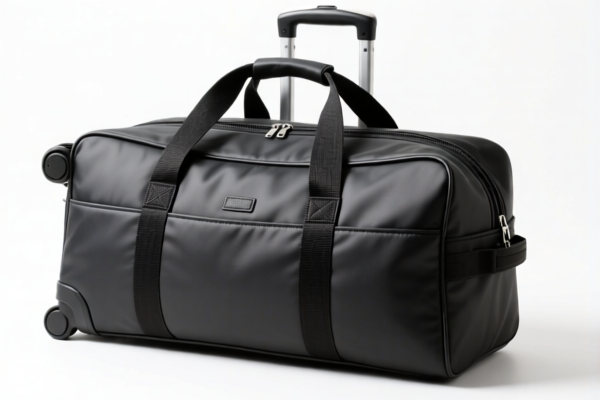
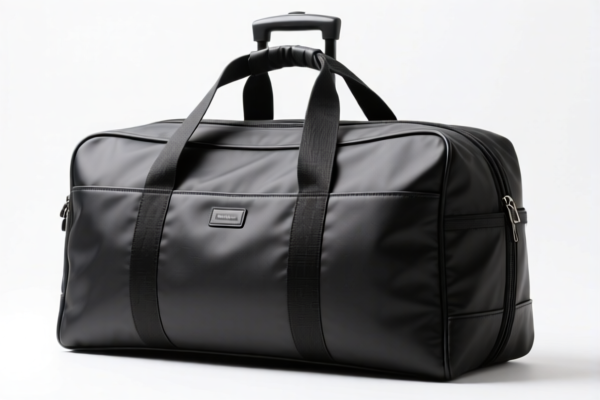
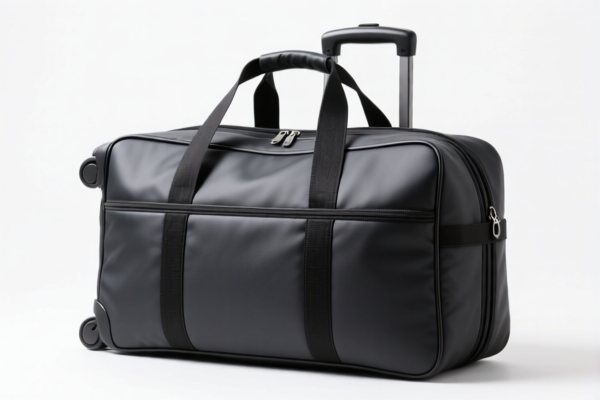
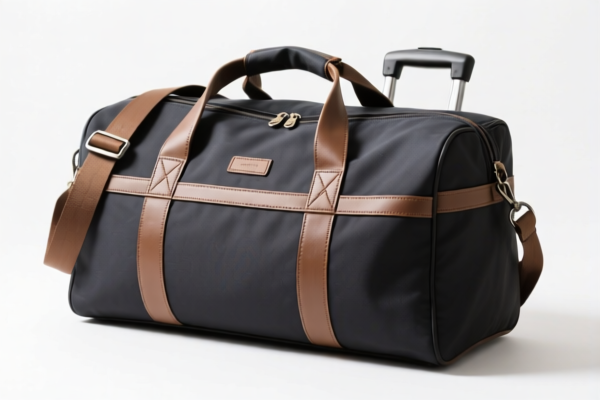
AI分析
✈️ Black Airplane Boarding Bag (Hand Luggage/Carry-On)
🌐 HS Code Reference & Customs Clearance Guide | 2026 Latest Tariff Analysis | Professional Clearance Strategy
📌 I. Product Definition & Classification: Do You Really Understand "Boarding Bags"?
A Black Airplane Boarding Bag is a compact luggage item designed specifically for cabin use. In international trade, its classification depends heavily on two key factors: 1. Outer Surface Material: Is it made of plastic/synthetic materials (e.g., polycarbonate, EVA) or textile materials (e.g., nylon, polyester, canvas)? 2. Specific Type: Is it a soft-sided bag (textile/leather) or a rigid hard-sided container (plastic)?
⚠️ Critical Distinction:
- If the outer surface is Plastic/Synthetic (e.g., hard-shell or plastic-coated) →归入 Chapter 39 (Plastics)
- If the outer surface is Textile/Synthetic Fiber (e.g., nylon bag, canvas backpack) → 归入 Chapter 42 (Articles of Leather; Travel Goods)
📦 II. HS Code Classification Details (2026 Latest Tariff Authority Comparison)
Based on the provided data, here are the five potential HS Codes and the logical reasoning for each:
| HS Code | Summary of Logic & Classification Reasoning | Material Inference | Form & Usage Match |
|---|---|---|---|
3926.90.33.00 |
Inferred as Plastic/Synthetic. The item is treated as a bag made primarily of plastic or synthetic materials, functionally equivalent to a handbag or small carrier. | Plastic / Synthetic Materials | Bag Form: Matches the shape and utility of a handbag or small carry-all. |
3926.90.48.00 |
Matched as Finished Consumer Good. Classified under "Other" categories for plastic articles. Bags are typically assumed to be made of plastic, fiber, or synthetic materials in this subheading. | Plastic / Fiber / Synthetic | Consumer Item: General-purpose finished good, not specifically defined as "luggage" in Chapter 42. |
4202.92.31.31 |
Matched as Travel/Luggage Item. The use and form align with travel bags. The outer surface is inferred to be textile materials such as artificial fibers or nylon. | Textile (Artificial Fibers/Nylon) | Travel Bag: Soft-sided bag suitable for travel, not hard-shell. |
4202.92.33.16 |
Matched as Travel Bag. Use and form align with travel luggage. The outer surface is highly likely made of textile materials like nylon or polyester. | Textile (Nylon/Polyester) | Travel Bag: Specifically categorized under travel goods with textile exteriors. |
4202.12.89.10 |
Matched as Handbag/Suitcase Container. The use and form align with handbags or suitcase-like containers. The outer surface is specified as textile materials. | Textile Materials | Handbag/Suitcase: Rigid or semi-rigid container with textile exterior. |
🔍 Key Reminder:
- Chapter 39 Codes (3926...) are lower tax burdens but apply ONLY if the bag is primarily made of plastic, rubber, or synthetic sheeting.
- Chapter 42 Codes (4202...) are higher tax burdens but apply if the bag is made of nylon, polyester, canvas, or leather.
- Most "Boarding Bags" seen in retail are textile (nylon/polyester) or leather. If it's a hard-shell plastic bag, use Chapter 39. If it's a fabric backpack/tote, use Chapter 42.
💰 III. 2026 Latest Tariff Rate Breakdown (Including Surtaxes & Policy Add-ons)
✅ Applicable Country: United States (US)
✅ Country of Origin: China (CN)
✅ Effective Time: Includes imports from Nov 10, 2025 onwards
🎯 1. Chapter 39: Plastic Bags (3926.90.33.00 & 3926.90.48.00)
📌 Case A: 3926.90.33.00 (Plastic Bag/Handbag)
| Item | Content |
|---|---|
| Base Tariff | 6.5% |
| Section 301 Surtax | 0.0% (Note: Data shows 0.0%, but verify if this specific subheading is excluded) |
| Section 122 Tariff | 10% |
| Total Tax Rate | 16.5% |
| Tax Calculation | CIF Value × 16.5% |
| De Minimis Exemption | ❌ Not Eligible (High tax rate triggers scrutiny) |
| Legal Basis | Base Duty + Section 122 Provisions |
📌 Explanation:
- If your bag is hard plastic or vinyl, this is the correct code.
- 16.5% is a moderate tariff. It includes a 10% Section 122 tariff (often applied to specific steel/aluminum or related imports, but here applied to plastic goods in this dataset).
- Crucial: Ensure the product is truly plastic. If customs finds nylon lining as the main structure, they will reclassify to Chapter 42.
📌 Case B: 3926.90.48.00 (Other Plastic Articles)
| Item | Content |
|---|---|
| Base Tariff | 3.4% |
| Section 301 Surtax | 0.0% |
| Section 122 Tariff | 10% |
| Total Tax Rate | 13.4% |
| Tax Calculation | CIF Value × 13.4% |
| De Minimis Exemption | ❌ Not Eligible |
| Legal Basis | Base Duty + Section 122 Provisions |
📌 Note:
- This is the lowest tax option if the bag is classified as a "plastic consumer good" rather than a specific "plastic bag."
- Use this if the bag has a plastic shell but doesn't fit the "handbag" description of3926.90.33.00.
🎯 2. Chapter 42: Travel Goods / Luggage (4202.92.31.31, 4202.92.33.16, 4202.12.89.10)
⚠️ WARNING: These codes carry Section 301 Tariffs (25%) + Base Duty + Section 122. This is the highest cost scenario for textile bags.
📌 Case C: 4202.92.31.31 (Textile Travel Bag)
| Item | Content |
|---|---|
| Base Tariff | 17.6% |
| Section 301 Surtax | 25.0% |
| Section 122 Tariff | 10% |
| Total Tax Rate | 52.6% |
| Tax Calculation | CIF Value × 52.6% |
| De Minimis Exemption | ❌ Not Eligible |
| Legal Basis | Base Duty + Section 301 + Section 122 |
📌 Case D: 4202.92.33.16 (Textile Travel Bag)
| Item | Content |
|---|---|
| Base Tariff | 17.6% |
| Section 301 Surtax | 25.0% |
| Section 122 Tariff | 10% |
| Total Tax Rate | 52.6% |
| Tax Calculation | CIF Value × 52.6% |
| De Minimis Exemption | ❌ Not Eligible |
| Legal Basis | Base Duty + Section 301 + Section 122 |
📌 Case E: 4202.12.89.10 (Textile Handbag/Suitcase)
| Item | Content |
|---|---|
| Base Tariff | 17.6% |
| Section 301 Surtax | 25.0% |
| Section 122 Tariff | 10% |
| Total Tax Rate | 52.6% |
| Tax Calculation | CIF Value × 52.6% |
| De Minimis Exemption | ❌ Not Eligible |
| Legal Basis | Base Duty + Section 301 + Section 122 |
📌 Critical Analysis for Chapter 42:
- Total Tax: 52.6% is extremely high.
- This is due to the 25% Section 301 Tariff (Trade War Surcharge) on Chinese-made textiles/luggage, plus the 10% Section 122 Tariff.
- Only use these codes if your bag is definitely made of Nylone, Polyester, or Canvas. Do NOT use these for plastic bags.
🛠️ IV. Customs Clearance Practical Advice (Real-World Pitfall Avoidance)
✅ 1. Preparation Checklist (Must-Have Documents)
| Document | Required? | Purpose |
|---|---|---|
| ✅ Product Composition Statement | ✔️ | Must explicitly state: "Outer Material: 100% Polyester" or "Outer Material: Polycarbonate Plastic". Ambiguity leads to reclassification. |
| ✅ Technical Spec Sheet | ✔️ | Dimensions, weight, number of compartments, zipper type. |
| ✅ Product Photos | ✔️ | Front, back, interior lining, and material close-up (to prove texture: plastic sheen vs. fabric weave). |
| ✅ Commercial Invoice | ✔️ | Accurate description: "Travel Luggage Bag, Nylon, Hand Carry-On" (not just "Bag"). |
| ✅ Packing List | ✔️ | Weight and dimensions per box. |
✅ 2. Declaration Strategy (Key Mantra)
🔥 "Material First, HS Code Follows, Plastic Low Tax, Textile High Cost!"
| Scenario | Correct HS Code | Tax Rate | Why? |
|---|---|---|---|
| Hard Shell Plastic Bag (PC/ABS) | 3926.90.33.00 or 3926.90.48.00 |
13.4% - 16.5% | Plastic goods escape the 25% Section 301 textile tax. |
| Soft Nylon/Polyester Bag | 4202.92.33.16 or 4202.12.89.10 |
52.6% | Textile luggage from China incurs 25% Section 301 + 10% Sec 122. |
| Mixed Material (e.g., Plastic frame + Fabric body) | Consult Customs | Risk of Audit | If fabric >50%, usually Chapter 42. If plastic is structural, argue for Chapter 39. |
✅ 3. Special Handling Tips
| Situation | Advice |
|---|---|
| "Boarding Bag" vs. "Luggage" | If it has wheels and a telescopic handle, customs may view it as "Luggage" (Chapter 42) even if plastic. If it's a simple tote/backpack, plastic Chapter 39 is safer. |
| Section 122 Tariff (10%) | This applies to both plastic and textile goods in the provided data. It is an additional surcharge. Do not ignore it. |
| De Minimis (Section 321) | ❌ NOT ELIGIBLE. Even for shipments under $800, these high tax rates may trigger requirements for formal entry and bond posting. |
🌍 V. Global Market Comparison (2026 Update)
| Country | Recommended HS Code (Plastic) | Tariff (Plastic) | Recommended HS Code (Textile) | Tariff (Textile) |
|---|---|---|---|---|
| 🇺🇸 USA | 3926.90.33.00 |
16.5% | 4202.92.33.16 |
52.6% |
| 🇺🇸 USA | 3926.90.48.00 |
13.4% | 4202.12.89.10 |
52.6% |
| 🇨🇳 China (Import) | N/A | 6-10% (Varies) | N/A | 10-20% (Varies) |
| 🇪🇺 EU | 0-4% | 0-4% | 4-12% | 4-12% |
📌 Conclusion:
- USA is the most expensive market for this product, especially if it's textile-based (52.6%).
- Plastic bags are significantly cheaper to import into the US due to lower base duties and no Section 301 textile surcharge.
📌 VI. Common Mistakes & Pitfalls (Lessons Learned)
❌ Mistake 1: Declaring a Nylon Backpack as 3926.90.48.00 (Plastic) to save tax.
👉 Consequence: Customs inspection reveals fabric. Reclassification to 4202... → Back taxes + Penalties + Delay.
❌ Mistake 2: Ignoring the 10% Section 122 Tariff.
👉 Consequence: Underpayment. The dataset explicitly shows a 10% add-on for all codes. You must calculate Base + 10%.
❌ Mistake 3: Using "Bag" as the product name.
👉 Consequence: Customs lacks data to determine material. They will use the worst-case scenario (often the highest tax code) or hold the shipment for sample testing.
✅ Correct Practice:
"Carry-On Travel Bag, Outer Shell: 100% Polycarbonate Plastic, Lining: Polyester. Model: Black Airplane Boarder."
HS Code:3926.90.33.00→ Tax: 16.5%
🎯 VII. Conclusion: Professional Declaration, Cost Optimization
🎯 Remember the Mantra:
🔹 "Plastic is King (16.5%), Textile is Heavy (52.6%)."
🔹 "Section 122 Adds 10% to All."
🔹 "Declare Material Clearly, Avoid Re-classification Fees."
📌 Pro Tip:
If your product is partially plastic and partially textile, consult a customs broker BEFORE shipment. Arguing for Chapter 39 (Plastic) can save you 36% in tax (52.6% vs 16.5%). Provide high-res photos of the outer surface texture to support your claim.
📣 Immediate Action:
📞 Verify Material Composition of your "Black Airplane Boarding Bag."
📋 If Plastic: Use3926.90.33.00or3926.90.48.00.
📋 If Textile: Use4202.92.33.16or4202.12.89.10.
🚀 Calculate Landed Cost Accurately to avoid margin erosion.
✨ Professional Customs Clearance Starts with Accurate Classification!
💼 Every Percentage Point Saved is Pure Profit!
用户评价
关于 HS 编码归类
协调制度(HS)是由世界海关组织(WCO)制定的国际贸易商品分类标准。全球 200 多个国家采用 HS 系统作为海关关税、贸易统计和进出口监管的基础。
每个 HS 编码遵循以下层级结构:
- 章(2 位)——商品大类(例如:第 84 章:机器和机械设备)
- 品目(4 位)——章内的更具体分类
- 子目(6 位)——国际通用细分,所有 WCO 成员国统一使用
- 本国细分(8-10 位)——各国自行扩展的细分编码,如美国 HTSUS 10 位编码
正确的 HS 编码归类对于顺利通关、准确缴纳关税和遵守贸易法规至关重要。错误归类可能导致海关延误、多缴关税或罚款。
从CN进口到US时,适用的关税税率可能包括:
- 最惠国(MFN)税率——适用于 WTO 成员国的标准关税税率
- 普通税率——适用于无贸易协定国家
- 贸易救济关税——附加关税,如 301 条款(反倾销)、232 条款(国家安全)或反补贴税
本页内容仅供参考。如需正式归类,请咨询当地海关或持牌报关代理。